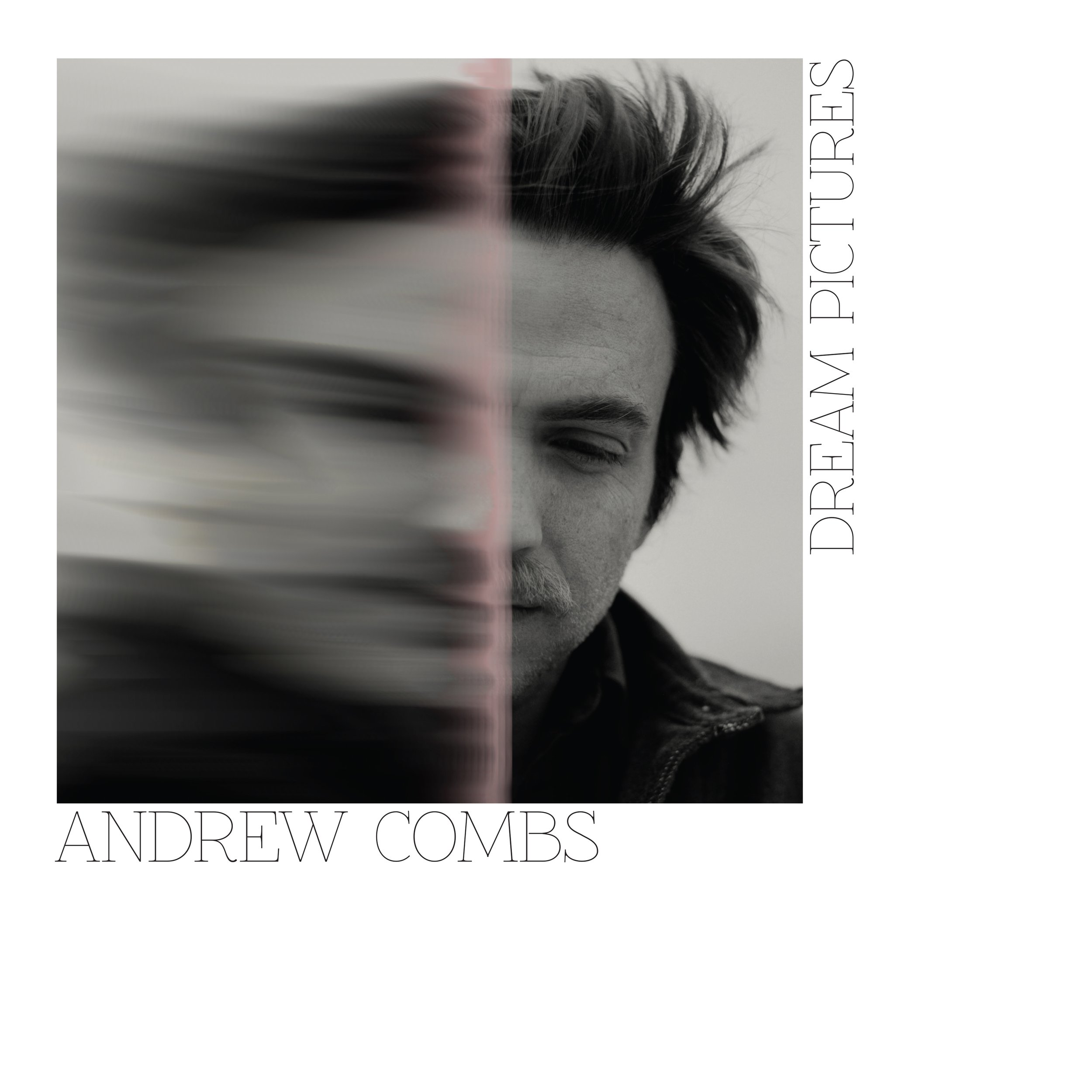
Andrew Combs, Dream Pictures, Loose Music

It’s been a while since we heard from Andrew Combs, a man we described back in 2017 as “mining a rich seam of sixties melodicism inspired by the likes of Roy Orbison and Jimmy Webb.” On Dream Pictures, his sixth release, he eschews the broad sweep which informed many of the songs on previous discs and opts instead for a much more intimate listen. Performed by Combs and his collaborator, drummer Dom Billet (along with Spencer Collum on occasional pedal steel), the songs were written late at night in his garage, a place to retreat to after his kids were in bed and where he could play his guitar, paint and quietly contemplate. 

And contemplation is as good a place to start off from regarding Dream Pictures. Listening to the 12 cuts here is, one the one hand, a relaxing experience, a balm for these heady days as the simple but perfectly arranged songs, in the main very laid back with gentle percussion, delicate guitar and creamy pedal steel, wash over you. On the other hand there’s an undercurrent, a heart of darkness, which adds a sense of edge to several of the songs. Electronic burblings and vague echoes of Krautrock percussion percolate throughout the album culminating in the wake up call which is To Love a song which which halfway through erupts in a blaze of guitars and banshee vocals. Much less dramatic but almost as unsettling is the Sparklehorse like Table For Blue with its throbbing keyboards and off kilter pedal steel interludes, the end result somewhat akin to a David Lynch like dream vista.

From the start Combs signposts that some of his dream pictures might not be a source of comfort as such and, at times, might actually be somewhat unsettling. The album kicks off with a short instrumental, Fly In My Wine, an atmospheric piece with its lonesome saloon bar piano, droning pedal steel and ambient sounds signalling that things can, sometimes, be more weird than you expect. However any sense of anxiety is immediately dispelled with the soothing (and quite wonderful) tones of Eventide but the following song, Point Across, while still quite beguiling in its delivery, has its shades as does Heavy The Heart which is quite a gorgeous song although all of Combs’ la la la’s can’t disguise the emotional hurt it describes. While Combs can offer Nilsson like pop on Mary Gold or sweet psychedelic vibes on Your Eyes And Me his contemplation seems to have led him to a bitter sweet acceptance of the darker side of life, a world removed from his family haven. The two closing songs, The Sea In Me and Dream Pictures cement this idea with the latter particularly memorable, resembling as it does the likes of Tim Buckley and Fred Neil.

 So, quite a gorgeous listen, an album to wallow in but with darker tones for those who listen closely.

Website

Karen Jonas. The Rise And Fall Of American Kitsch

Blabber’n’Smoke have been long time fans of Karen Jonas, saluting her modern take on classic country sounds but she steps up her game here on her latest album, The Rise And Fall Of American Kitsch. Still surrounded by her regular players (guitarist Tim Bray, Benji Porecki on keys, fiddle by Bobby Hawk, Ahren Buchheister on pedal steel along with bassist Seth Morrissey and drummer Ben Tufts) Jonas delivers an adventurous album which takes a long hard look at consumerism, going back to the advent of shopping mania in the fifties (the kitsch of the title when the post war generation filled their homes with plastic gewgaws). That she does so with several nods to the king of kitsch, Elvis Presley and his neon soaked playground of Las Vegas is nothing less than brilliant.

The album kicks off on a conventional note with a killer country rock song, Rich Man’s Valley. Harking back to Gram Parsons’ like cosmic country, Jonas and the band zip through this with some verve, fiddles battling the electric guitars alongside some rollicking piano. Apparently inspired by The Carter Family’s rise to fame it’s a grand opener but it doesn’t prepare one for the remainder of the album. That honour belongs to the next song, Four Cadillacs, a Doc Pomus like rock rumble which references Presley’s tendency to generosity by supplying new cars to family and friends. Presley looms large again on Mama’s Gone, a bluesy number with soaring horns which sees the protagonist weeping and wailing in a melodramatic manner, railing against his loss while Call Dr. Nick (the nickname of Presley’s personal doctor) is a skeletal banjo driven number which deals with pill popping addiction. Las Vegas, the ultimate icon of American kitsch is dealt with on Shake Bump And Grind Show and Gold In The Sand which Jonas sings in a parody almost of Presley’s mid sixties ballad style.

Casting her net further afield, Jonas alights on Florida, the candy coloured land she sings of in Plastic Pink Flamingos. She gives the song a jaunty, almost jive jug band delivery as she tells a tale of a (presumably blue rinsed) denizen who packs her yard with the said ornaments and then savagely protects them from imagined predators. America’s other tropical paradise; Hawaii also gets a mention on the tropical themed Let’s Go To Hawaii, a song which cleverly zones in on dream holidays sold by zealous agents while also reminding one of some of Presley’s movies (alongside a chance for Jonas to celebrate her love of Jimmy Buffet songs).

While many of the songs are rooted in the consumer boom of the last half of the last  century, Jonas brings us band up to date (and presumably on the fall mentioned in the title) on the witty Online Shopping, a grand mix of western swing and doo-wop before she delivers her main message on the spoken word title song. Here she plainly explains the dichotomy of instant consumerism and the detritus it produces, the journey from delivery to trash. She closes the album on its most intimate moment on Buy, a solo performance which wrestles with the anxiety produced by the urge to be self sufficient and the lure of advertisements.

While the album finds Jonas a step removed from her previous more countrified efforts she commands attention throughout on a witty and, more importantly, electrifying album.

Website

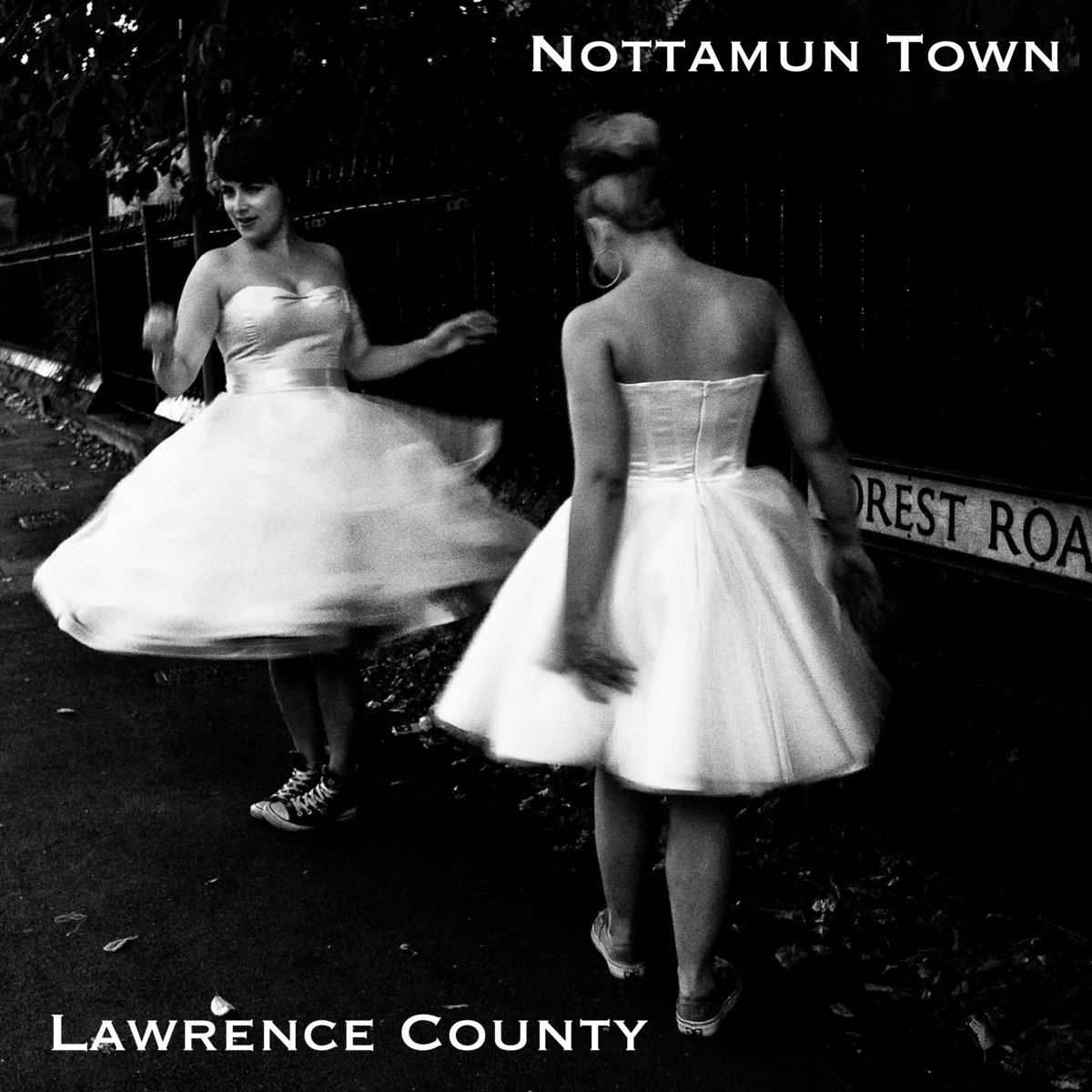
Lawrence County. Nottamun Town

Having gone through their skiffle phase (under the moniker of DH Lawrence & The Vaudeville Skiffle Show, a nod to D. H. Lawrence whose shadow looms large in their home town), Al Rate and Bill Perry changed the band’s name to Lawrence County and released a first rate (sorry Al) album, The Frailty Of Humans, back in 2020, a disc which was rooted in traditional American roots music with a decidedly contemporary English bent.

On Nottamun Town they delve deeper into traditional American music albeit with a twist. The ten songs here are assuredly ones you might recall from folkie albums from the past but the band are keen to point out the migration of these songs. Many of them originated in merry old England (along with Scotland of course) and travelled the ocean to become staples of the American folk songbook. The primary example is the title song, Nottamun Town, with the band acknowledging that its earliest popular version was sung by Jean Ritchie and they point to a 1932 reference by folklorist Cecil Sharp who included it in his book Folksongs Of The Southern Appalachians. That said, the song was popular when folk went electric in the sixties. Fairport Convention recorded it on their What We Did On The Holidays album and Dylan appropriated its melody for his song Masters Of War several years earlier while Bert Jansch featured it on his 1966 album Jack Orion.

The band alight on the song due to its recognised connection with Nottingham and it leads off the album. Their take on it is dark and gritty, more redolent of grimy industrial times than medieval folklore. That impression of grime and dirt is reinforced by the closing song, their take on Ewan MacColl’s Dirty Old Town which they take back to its Salford roots. In between these bookends they sound almost jolly on their version of Peggy Gordon which is a slight return to their skiffle roots (and sounding somewhat like The Felice Brothers) but for the most part they delve into darker themes, often involving murder. Thus we get the melodrama of Molly Bawn, here given a deliciously dark delivery, slow and spooky. Lucy Wan is another unfortunate killed in the service of a song and here Lawrence Country dress this incestuous ballad in an early Nick Cave like darkness. Bonny Light Horsemen, a Napoleonic weepie, meanwhile limps along quite wonderfully with its weeping fiddle carrying much of the emotion.

Elsewhere the band turn in a grand seafaring tale on the huff and puff of Little Pot Stove and they manage to breathe new life into Poor Wayfaring Stranger, a song which has been covered numerous times but is reclaimed here by Lawrence County and dedicated to the late Norma Waterson. It’s a fine example of their intention to wrangle these songs from the past and deliver them with a fine mix of earthy folk roots and Americana twang. Muddy waters for sure but ripe for a deep dive into the album.

Website