Jerry Leger. Nothing Pressing. Latent Recordings

jl-nothing-pressing-cover-1-scaled-1

Toronto’s Jerry Leger was building up a fine head of steam on this side of the pond a few years back. His live shows and almost back-to-back releases of Too Broke To Die (a retrospective collection) and Time Out For Tomorrow were widely acclaimed. He was due to build on this acclaim with a spring tour of the UK and Europe in 2020 but like everything else back then, the shutters sprang up.

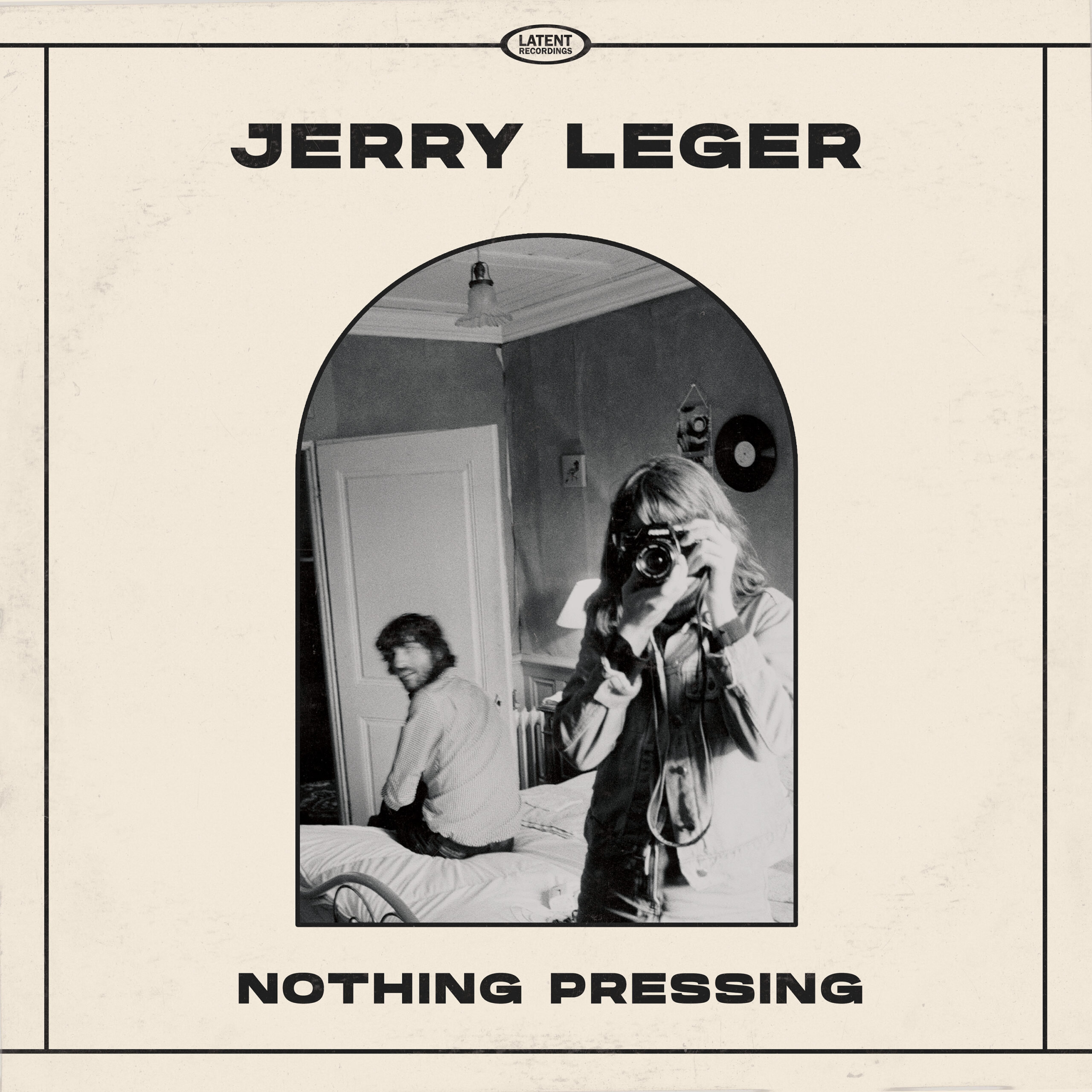
Two years later, Leger has a new album out and a whole new set of dates over here coming up. The album, Nothing Pressing, can be considered (like numerous other current releases) as a product of the pandemic. In plain terms it consists of home recorded songs, solo studio efforts and, once they were able to do so, his band (The Situation) weigh in. This allows the album a fine degree of light and shade. Delve into the songs however and there’s more shade than light in terms of Leger’s lyrics and preoccupations. There’s none of the mercurial Dylan like rock which Leger is so adept at, instead the band songs are stoic and grounded, more rooted in a Neil Young like ditch than Dylan like flashes of lightning. When he does root around in a Dylan like guise it’s on the skeletal Underground Blues, a home recorded demo with sparks flying from Leger’s raw electric guitar calling to mind the bard’s ghosts of electricity.

The album opens with Leger strumming his 1959 Gibson acoustic guitar on the title song. Predating the pandemic but eerily prescient, it’s a sylvan fantasy of sorts as he moves into the country but is soon “bored out of his mind.” As if his wish to leave this fantasy was borne out, Kill It With Kindness is announced with a blast of electric guitar as the band sway in on a crunchy rocker which tackles personal demons, Leger here sounding like Phil Ochs fronting Elvis Costello’s Attractions. There’s more crunch on the swampy Stray Gators like slouch of Recluse Revisions which dives head first into ditch territory. Apparently inspired by the ennui encapsulated in Joan Didion’s 1970 novel, Play It As It Lays, Leger sings of a slightly jaded bunch of comrades, getting on in years, content now to just “play cowboy songs they know by heart.” It’s a mighty achievement and the towering point of the album. Wait A Little Longer, another full band outing has Angie Hilts singing harmony giving the song a lilting Everlys’ like sound, somewhat akin to that employed by the likes of T Bone Burnett or Nick Lowe when they go down an Everlys’ alleyway. Hilts also features on the jangled power pop of Have You Ever Been Happy, its upbeat sound belying the questing lyrics.

The remainder of the album is more introspective, perhaps reflecting Leger’s time spent in lockdown. With Only You is a yearning love song given a late era Beatles’ like burnish while A Page You’ve Turned is a sad, country like lament which wouldn’t sound out of place on a Flatlanders album. He delves deep into his vulnerabilities on Sinking In, another home recording, which exists on a similar plane to Alex Chilton’s fragile songs on the third Big Star album, but the crux of the disc is the deeply moving Still Patience, a song which came to Leger following the death of a close friend. Lennon like in its intimate delivery, the song resonates with loss. Closing the album as he began, strumming his trusty Gibson, Leger offers up Protector. A brilliant hangdog weariness inhabits the song which is like a self-composed eulogy with Leger posing at times as a gunfighter facing his last shootout. It’s kind of brilliant.

Highly nuanced and very finely written and delivered, Nothing Pressing certainly deserves Leger’s description of it as his “deepest artistic statement yet.” It’s a superb album.
Website

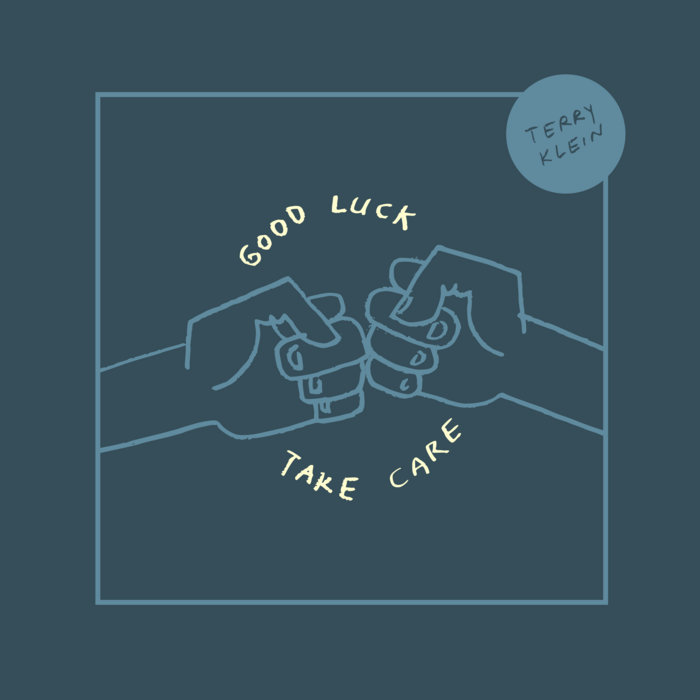
Terry Klein. Good Luck, Take Care. Independent Release

Based in Austin, Terry Klein recorded his third album, Good Luck, Take Care, in Nashville, having struck up a deal with producer Thomm Jutz to record an album in four days. It’s fair to say that in this short period the pair of them have crafted a gem of an album. One which immediately grabs you and begs to be listened to again and again.

Klein is a songwriter in the grand tradition of Guy Clark and his songs here are delivered in a variety of styles ranging from dusty ballads to low riding bluesy rock. Indeed, the album opens with the terrific Sixty In A Seventy Five, a slow growl which recalls the louché swing of Ramsay Midwood’s Shootout At The OK Chinese Restaurant. It’s somewhat autobiographical as Klein describes having a panic attack at a gig and using Townes Van Zandt’s voice to chill him out on the trepidatious drive home. The intriguingly named Does A Fish Feel The Knife is another bluesy slink, this time with barbed acoustic and electric slide guitars. A metaphysical song of sorts, it grew from a question posed by Klein’s four-year-old daughter as he prepared a barbeque, a fine example of how he grabs such moments and turns them into great songs. The Woman Who Was Lost In The Flood, a dramatic ballad with sweeping strings and grim bursts of guitar, was again sparked by an incident when Klein’s kid, along with her class on a school outing, was menaced by a flood.

There is sparkling country rock on Such A Town, Klein’s ambivalent take on Boston , gangsters and all,  and Salinas is a full blown rock blow out which comes across as if John Steinbeck had written it and The Drive By Truckers played it. Honestly, listen for yourself. Much more intimate is The Goldfinch, Klein’s report of a visit to The Hague to see the titular painting having read Donna Tartt’s novel. Again, he transforms a routine experience into a quite moving song. Much more upbeat is The Ballad Of Dick Trickle, a bluegrass like tribute to a once famous hot rod racer.

Two brilliant songs weigh in at the end. Cheryl just shimmers with an almost weeping pedal steel throughout as Klein relates the sad end to a naive kid’s romance with a gangster related beauty.  The refrain, “The thrill of catching lightning in a bottle/Ends in ashes and a black mark on the ground” is chilling. What You Lose Along The Way, the closing song, is a talking blues of sorts with Klein freewheeling and reminiscing. Kind of wishing he was still young and yet accepting that he’s kind of glad he’s not. A fine way to end what is a glorious album. Check it out.

Website

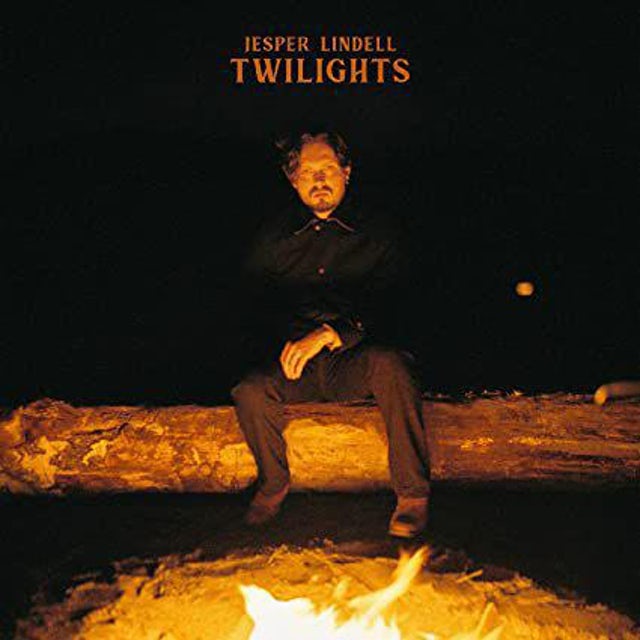
Jesper Lindell. Twilights. Brunnsvik Sounds.

odj2go-1643484842-425x425-1643484837-fgfhg

Hailing from Sweden, Jesper Lindell has drunk deep from the well of Americana on his second album, Twilights. This is apparent immediately as the swirling organ strains of Westcoast Rain open the album in a grand fashion. An unashamedly Band like romp (with a little Van Morrison Caledonia soul thrown in for good measure) it’s quite terrific with keyboard player, Rasmus Fors getting that Garth Hudson clavinet sound down to a T.

While Lindell ranges around as the album unspools, The Band come around again on a cover of Twilight (from their 1977 album Islands) which features Levon Helm’s daughter Amy on vocals. Again, Lindell and his band capture that essence which Helm and his band mates still had at this late stage in their career. Later on, Lindell lights into another Band like number on Nights Like These, a lovely late night slouch with horns boosting the soul quotient and Lindell exercising his voice quite emotively in a Van Morrison like passion. On another tack, a Bo Diddley beat introduces the dance friendly New Orleans meets Texas shuffle of Dance which has funky Farfisa keyboards and an infectious back line while Living Easy pumps up the syncopated funk factor with the band billowing and swaying, recalling the likes of Lowell George’s solo album.

Reining it in somewhat, Lindell can fuel a fine ballad without ever falling into the trap of being too dramatic. If There Comes A Time is the type of song Bob Seeger could have had a hit with while Christmas Card, which features First Aid Kit’s Klara Soderberg on vocals, finds Lindell and Soderberg sounding both rough and tender over a muted percussive background which gives the song an ethereal quality. The line, “My doctor he says I’m gonna be OK,” may or may not refer to Lindell himself as he was recently seriously ill, eventually requiring a kidney transplant, but the song does express hope with Lindell opening the song with the words, “Things are better now.”

The closing song, Into The Blue, is quite out of kilter with the preceding numbers. An atmospheric seven minute glide into Hiss Golden Messenger territory, it finds Lindell’s voice cranked high, a straining falsetto buffered by martial drumming and rippling guitars. As an exercise in sound, it’s quite wonderful as it meanders towards its fuzzy cosmic conclusion.

Website

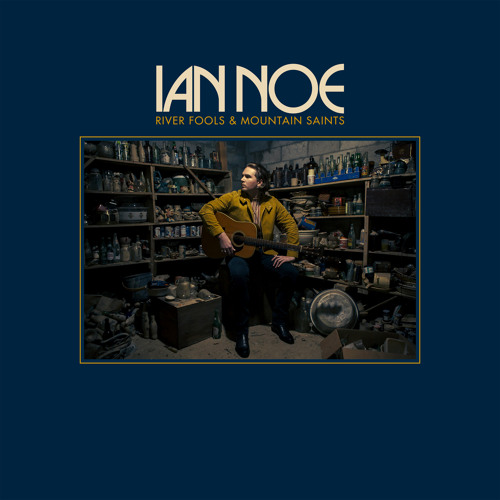
Ian Noe. River Fools & Mountain Saints. Thirty Tigers.

Ian Noe’s debut album was a stunning collection of songs detailing life and hardships in his native Kentucky, delivered with true passion. Drawing from illustrious predecessors such as John Prine and The Band, Between The Country announced Noe as the new kid on the Americana block. Now, River Fools & Mountain Saints cements this reputation as Noe delivers another excellent set of down-home, country-curdled tales in best singer songwriter fashion although several songs are given fuller arrangements than those on the debut album. At its core however, Noe’s acute storytelling remains the focal point. He’s still singing about Kentucky and its people, be they elderly Vietnam veterans or youngsters high on bathtub gin.

The album kicks off with Pine Grove (Madhouse) a country rocker crossbreed of The Rolling Stones and The Burritos with spiralling pedal steel and honky tonk piano prevailing. It’s like spring break in Kentucky with the protagonists shucking all thoughts of work as they are hell-bent on having a good time. It’s almost the most raucous song on the album, eclipsed only by the barnstorming rock’n’roll holler of POW Blues which is reminiscent of Creedence Clearwater’s Vietnam song, Fortunate Son. Strangely enough, Creedence are mentioned in the album’s second song, River Fool, an excellent high and lonesome bluegrass ballad about a man content to live with nature and occasionally strum some CCR on his guitar. As good as the two rock’n’rollers mentioned above are,  the rippling mandolin, flailing fiddle and all round musicianship on River Fool is Noe at his best and, happily, there are several excellent offerings here.

Lonesome As It Gets and Strip Job Blues both find Noe in John Prine country, both of them excellent blue collar sing-along’s with freewheeling instruments picking and strumming along all the way. Tom Barrett has some more heft, courtesy of pummelling percussion and roaring organ, as Noe delivers a portentous Pekinpah like road movie about a character who once was “a killing man, from the 21st platoon,” haunted by memories and condemned to ride the highways. Stripped back to the basics, just guitar and a mournful organ, Ballad Of A Retired Man refers to another war veteran, this time at the end of his days – his memories, good and bad, all recollected.

Harking back to the debut album, Mountain Saint is quite magnificent. The band huddle into an intricate mix of piano and pedal steel on a song which has a spritely step to it despite the grim details within. Meanwhile, Burning Down The Prairie is a Dylan like apocalyptic rant which is given a powerful performance. Noe closes the album with two reflective numbers. Appalachia Haze ripples with delightful and adventurous pedal steel as Noe recounts tales of a local flood, a topic revisited on the closing Road May Flood. This is a fine valedictory as he flows gently from his initial acoustic telling until the song expands, much as a river bursts its banks, with strings flowing and Noe eventually singing, weirdly enough, some verses from Bonnie Tyler’s It’s A Heartache. Very strange but it works.

Overall, River Fools & Mountain Saints might not have the revelatory powers of Between The Country but it’s just a smidgeon away and, in its own right, a great album. It certainly allows Ian Noe to sit atop the new wave of Americana singer songwriters.

Website

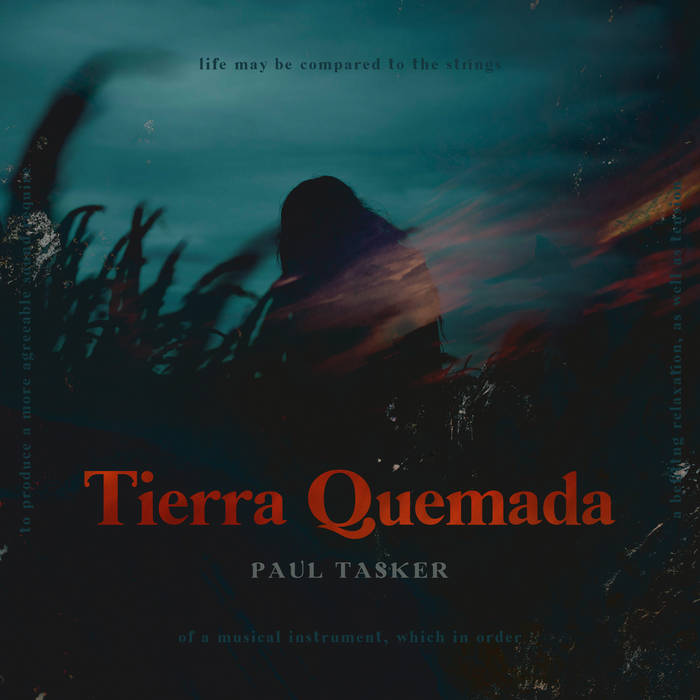
Paul Tasker. Tierra Quemeda. Yellow Room Records

a0018138384_16

Best known as one half of the formidable duo, Doghouse Roses, Paul Tasker is acknowledged by many to be an even more formidable guitar player, well versed in the type of skills displayed by the likes of Bert Jansch. This was in ample evidence on his solo debut, Cold Weather Music, released in 2016, and it is again, here on Tierra Quemada, released last week.

Like its predecessor, Tierra Quemada is an instrumental album with Tasker’s finger picking skills front and centre while a small coterie of friends (Laura Beth Salter – mandolin; Rachel Hair – harp; Una McGlone – bass; Richard Evan – viola; Robert Henderson – trumpet and Dejan Lapanja -drums) appear separately, adding their own particular gloss to a tune. With its Spanish title, which translates as Scorched Earth, one might be expecting to experience an Iberian influence as the album reveals itself but, aside from some splendid classical guitar moments, as on DMT and the title tune itself, this certainly isn’t a guitar equivalent of Miles Davis’ Sketches Of Spain. Instead, Tasker, much like a murmuration of starlings (incidentally, the title of one of the tunes), gracefully flits, swoops and soars amidst various styles, never fully settling on one. So, there are elements of folk, Appalachia, classic and even jazz evenly spun into the overall experience.

The album opens with the splendidly named, Womble The Sausage Dog, inspired apparently by a neighbour’s Dachshund who apparently hated hearing guitar but seemed to enjoy banjo. Laura Beth Salter’s subtle mandolin smoothly offsets Tasker’s fine banjo and slide guitar playing on a tune which recalls John McEuen of The Nitty Gritty Dirt Band. This American influence can be heard again on the delightful refrains of Roadtrippin’, another banjo outing with Tasker multitasking on all the instruments while Riding Out is a somewhat jaunty, even frisky little number which one can imagine might be set to scenes of cowboys riding the range in a Coen Brothers’ movie. Murmuration is a fleet fingered exposition of wide open spaces with Richard Evans’ viola adding to its horizons. Close your eyes and let your imagination run free here, it’s a soundtrack for your mind.

There’s less of Tasker’s folk influences here than on Cold Weather Music but Firefly, a beautiful meditation, delicately coloured in by Rachel Hair’s harp playing is reminiscent of Bert Jansch’s Rosemary Lane album. After The Rain, the most embellished tune here with voila and trumpet in the mix has a similar bucolic feel with the mournful muted trumpet adding that Iberian touch.

The album rides out with a sense of faded grandeur on the supremely evocative banjo lilt of Last Waltz, a glorious two minutes which summons up visions of all your favourite Westerns rolled into one. It’s kind of like Tasker’s equivalent to Ry Cooder’s emblematic music for Paris, Texas.

Website

Michael Weston King. The Struggle. Cherry Red Records

the-struggle

Most folk reading this will be familiar with Michael Weston King as one half of the excellent My Darling Clementine, the on stage bickering husband and wife team who have released a series of excellent albums which explore and update the dynamics (and the wonder) of country duets. Most recently, they added their chemistry to a selection of Elvis Costello’s “country darkness” songs on an acclaimed trilogy of EPs which also featured Steve Nieve, Costello’s long-standing keyboard foil. Now, taking time out from My Darling Clementine duties, Weston KIng has released his first solo album in a decade, The Struggle.

Recorded in a remote Welsh studio, The Struggle features Weston King accompanied by Clovis Phillips, a multi instrumentalist (and the studio’s owner) with additional parts added by a fine ensemble of musicians remotely. A world away from the Tammy & George like marital world of My Darling Clementine, Weston King here has looked back to that classic late 60s, early 70s singer songwriter period, seeking inspiration from the likes of Jesse Winchester, Dan Penn, John Prine and even Van Morrison in his high kicking Caledonia soul days.

 It’s a wonderfully accomplished album, suffused with elements of growing older, of remembering past times and, on occasion, bitingly contemporary. The title, Weston King says, is not a reference to the hardships of Covid but to the more elemental and ongoing concerns which we all face in our day-to-day existence and which will remain long after Covid is but a sniffle. It’s also a reference to a stout hill climb in Cumbria which has stuck in his mind for some time.

The album opens with the most contemporary song, Weight Of The World. It was written after Weston King watched, appalled, Donald Trump marching to St. John’s Church in Washington to brandish a bible, having had his troops brutally remove Black Life Matters protestors who were in his way. Weston sings it as a policeman who, having voted for Trump, sees the reality of this most heinous of characters finally unveiled. It’s a grand protest song which doesn’t point fingers but tries to understand why some folk can be fooled and fooled again and there’s a remixed version at the end of the album which really roots around in a Dan Penn/Spooner Oldham fashion. It’s followed by Sugar, a song co-written with Peter Case and the most “Americana” like song on the disc with its mandolin trills and sly slide guitar.

The heft of the album is in a brace of songs, some personal, some less so, which have a vein of nostalgia and loss running through them. The Hardest Thing Of All is a fine soulful account of solitude while Another Dying Day drips with weariness and, yes, struggle. The nostalgia is lit large in the wonderful waltz time The Old Soft Shoe which is a very affectionate and quite moving snapshot of the surviving partner of a dancing couple retracing their dance steps, “I live here alone and nobody knows, that I dance each evening, all on my own.” A mournful trombone and Barney Kessel like guitar licks set the scene and Weston King sings it quite beautifully. Valerie’s Coming Home is Weston King’s memoriam to Lou Dalgleish’s mother who passed away shortly before these viral times and he paints a fine portrait of her with a wonderful sense of delicacy. Finally, Me & Frank tells of a childhood friend who, it seems, was a bit of a lark, with Weston KIng transposing red dirt country tales to the badlands of a seemingly endless Southport beach.

The Final Reel finds Weston King paying tribute to his late friend, Jackie Leven. It’s appropriately windswept and full of Celtic romance with a roaring chorus. A fine send off but Leven appears again on Theory Of Truthmakers, a song written by Leven but never recorded. Given the lyrics by a mutual friend, Weston King dresses them in a glorious arrangement, assisted by Mike Cosgrove (a long time associate of Leven’s) on strings and with Lou Dalgleish (and daughter Mabel) on vocals. There’s a sense of the quiet majesty of Jimmy Webb here, the soft ebb and flow of the strings, the nylon guitar, the sweep of the chorus. It’s quite magnificent and it’s the topping on what is a mature, thoughtful and very engaging album.

Website

Karen Dalton. In My Own Time. 50th Anniversary Reissue. Light In The Attic Records.

In My Own Time, Karen Dalton’s second and final album was released 50 years ago and this week Light In The Attic reissues the album in various formats, including “deluxe” editions, which contain previously unreleased alternative takes and a very rare live appearance. It has to be said that the Super Deluxe vinyl version is incredibly tempting and, while it might appear a tad expensive, it contains a bumper load of goodies. The good news is that the basic CD edition has all of the music and that’s really what it’s all about, so let’s dive in.

While Dalton’s reputation has slowly grown over the years, she remains hidden from popular view. She’s mentioned in Dylan’s Chronicles – “My favorite singer in the place was Karen Dalton. She was a tall, white blues singer and guitar player – funky, lanky and sultry. Karen had a voice like Billie Holiday’s and played guitar like Jimmy Reed, and went all the way with it.” Fred Neil also championed her. Dalton was reclusive and prone to mood swings with various drug habits which meant that she didn’t release an album (It’s So Hard to Tell Who’s Going to Love You the Best) until 1969 and even then, it was a recording of an impromptu session which piggy backed on studio time booked for Fred Neil. To say it sank without notice is probably an understatement. Nevertheless, another fan, Michael Lang, the fresh faced impresario behind the Woodstock Festival, flush with money for a short while, set up the sessions for In My Own Time, an album which, in comparison to its predecessor, has fully fledged band arrangements. It too sank and Dalton disappeared from view, falling further into drug use and dying in 1993.

In my Own Time was recorded at Bearsville Studios in Woodstock with Harvey Brooks producing and a host of Woodstock musicians (Amos Garrett, Bill Keith, Bobby Notkoff, John Simon) playing. The song selection includes several Dalton had been playing since the early 60s along with covers of soul classics (When A Man Loves A Woman, How Sweet It Is) a Richard Manuel song (In A Station) and the opening number, Dino Valenti’s Something On Your Mind. The result is an album which, on listening today, sounds much more pertinent than many of its peers released at the same time. There’s a fine sense of country and funk in the arrangements along with some skeletal folk, not dissimilar to hit records by the likes of Maria Muldaur at the time. A possible barrier might have been Dalton’s voice which is quite singular and, for some folk quite challenging. She’s been compared to Billie Holiday and that is in there but she really is quite unique. It may be a cliché but I reckon you can hear all of the hurt in her life in her singing.

It’s quite gratifying to say that the three alternative versions of songs from the original album are well worthy of inclusion here. Something On Your Mind is given a more spritely run through while In My Own Dream meanders wonderfully past its originally allocated time. Katie Cruel, one of the pivotal songs on the album, loses its fiddle solo, replaced by someone (presumably Dalton) whistling. These are followed by the primary lure here, six songs recorded live on an ill-fated 1971 European tour (with Dalton opening for Santana!). The sound quality is acceptable and the band are good quality country rockers, only a few bars removed from Neil Young’s Stray Gators. Two are from Germany’s Beat Club with Dalton sailing effortlessly on One Night Of Love and then delivering a killer lonesome wail on Take Me. The four songs recorded at the Montreux Golden Rose Pop Festival are more lo-fi. Something On Your Mind is a bit of a muddied acoustic scramble but it’s a real treat to hear Dalton singing Neil’s Blues On The Ceiling with its warbling guitar solo. One Night Of Love has a kind of early Jefferson Airplane vibe to it but the halting, wearied and wheezing version of Are You Leaving For The Country is quite brilliant in its fragile construction, a very early version of weird folk music.

With liner notes from Lenny Kaye and Nick Cave along with a host of fine pictures, this is an attractive package. I’d hazard that if you haven’t yet heard Karen Dalton, it’s well worth investigating. For Dalton fans, it’s essential.

Website

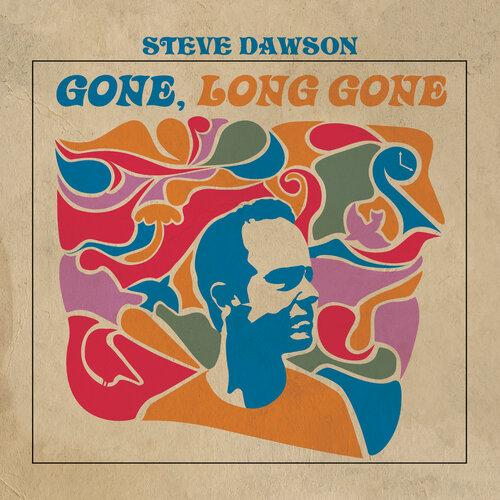
Steve Dawson. Gone, Long Gone. Black Hen Music

A Canadian, now based in Nashville where he has his own Henhouse Studios and record label Black Hen Music, Steve Dawson has produced and played on umpteen roots album over the past ten years along with several well-regarded solo albums. Live, his most recent notable stint was as the third leg in Birds Of Chicago, playing well over 200 shows with them before live music was stopped in its tracks. Reactions to this clampdown varied but, like some of his peers, Dawson doubled down in his studio work to the extent that he now has three albums worth of music set to be unleashed this year, Gone, Long Gone the first of the three to be released.

Dawson’s 2016 album, Solid States And Loose Ends, drew comparisons with Ry Cooder and it’s true that Dawson shares similarities with Cooder in that he’s an expert in all manners of slide and roots guitar. Solid States And Loose Ends was in the same territory as Cooder albums such as Get Rythym and Bop Till You Drop but Gone, Long Gone, while still containing bluesy wallows -gutbucket and swampy at times – also has a brace of numbers which are more constrained while retaining Dawson’s affection for roots music. Perhaps the most obvious example is on the instrumental, Kalaniapa Waltz. Here Dawson plays electric and National guitar, a Weissenborn and ukulele on a number which has a Hawaiian influence in its stately and intricate tapestry of strings and things while Chris Gestin’s pump organ adds to its quiet majesty. The title song is another departure as Dawson turns in a song which is light and airy, his nimble picking and sweet pedal steel playing backed by a small string section with the song coming across as if Pentangle were playing a Jimmy Webb number. The lyrics do have that Webb like prairie lonesomeness to them and it’s pertinent here to note that most of the songs on the album are co-written with Matt Patershuk, a great songwriter whose albums Dawson has produced.

The album opens with a firm declaration of intent on Dimes with slide guitar sputtering into action before a horn section weighs in and Dawson, accompanied by Allison Russell on vocals, delivers an excellent Little Feat like slice of rock’n’roll gumbo. Russell (of Birds Of Chicago) sings on several of the songs on show here, adding a great soulful vibe to Dawson’s voice. There’s the tub thumping gyrations of I Just Get Lost, a song which twists and turns quite wonderfully recalling any number of late 60s combos who tried to combine blues, psychedelia and gospel into one big happy hippy tent. Six Skeletons In A Car vamps along with Dawson’s guitars in particularly wicked mood, twisting and snaking throughout and Bad Omen is a startling and snarling acoustic guitar blues number, full of  menace and voodoo vibes as the band inhabit a loose limbed New Orleans backdrop with groovy organ and skeletal drums. And, going back to that Cooder vibe, how can one resist a song dedicated to King Bennie Nawahi, a Hawaiian street performer, which is called King Bennie Had His Shit Together. Fats Kaplin’s fiddle and Kevin McKendree’s piano roll all over this loose-limbed frolic while Dawson’s slide playing snakes throughout.

There’s one cover song on the album. Ronnie Lane’s revered Ooh La La is given a reverential and somewhat restrained reading, which, for those familiar to the song, might take some getting used to. Ultimately however it does sink in, especially on the chorus (and you will have to join in) and Dawson’s guitars, Russell’s brilliant vocal accompaniment and the band’s skilful shuffle will eventually win you over. And, persevere to the closing number, Time Has Made A Fool Out Of Me, to see if those comparisons to Ry Cooder are ill judged. Dawson’s slide guitar here is quite sublime as he makes it throb and quiver with echoes of Pop Staples on a song which, surely, The Staple Singers would have taken on board.

Gone, Long  Gone is an excellent album and highly recommended. As we said above, it’s the first of three Steve Dawson albums due for release in the forthcoming months and, if they are anything like this, then we are in for a treat.

Website

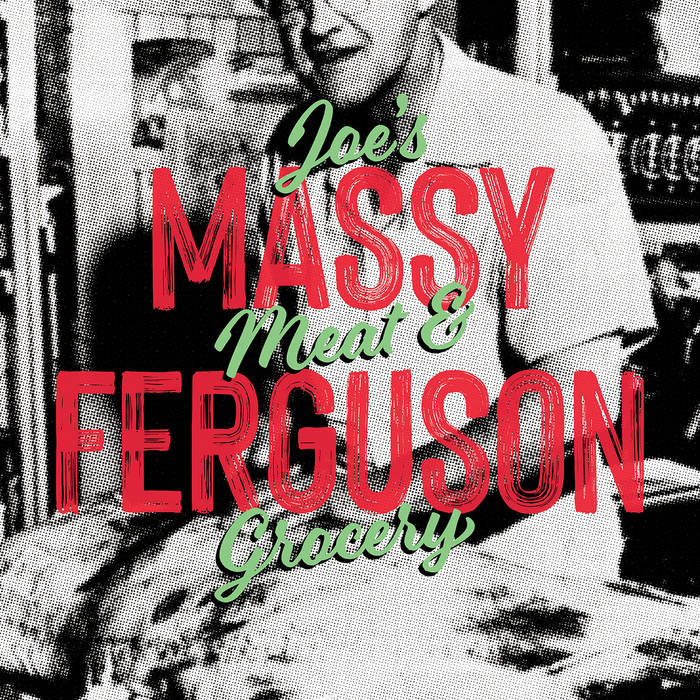
Massy Ferguson. Joe’s Meat & Grocery

a0623459071_16

Seattle’s Massy Ferguson roar back into action with another album which is the musical equivalent of what you might expect to find in a store called “Joe’s Meat & Grocery” – no fripperies, just the basics, good, solid, and nutritious. Over several albums, the band have consistently delivered the goods, hard driving rock music with an occasional alt-country edge. Looking back over past reviews we’ve mentioned the likes of Uncle Tupelo, Drive By Truckers and The Lemonheads in comparison and this remains the case here.

The opening Miles Away arrives amidst a haze of guitars before erupting into a powerful organ and piano fuelled cry of despair (and, ultimately hope) that doesn’t seem a million miles removed from the strictures of the pandemic. As a song it soars, it’s of a type which one usually hears at the end of an album but here it stamps the band’s authority as they end it with an almighty thrash. There are several songs in a similar manner, foreboding, powerful, epic if you wish. Backspin has thunderous percussion and portentous, almost apocalyptic lyrics as the band pummel away reminding one of The Hoodoo Gurus while Sister Roll Up is a claustrophobic ride with squirrelling blues harmonica echoing throughout the tunnel. In contrast, The Road Ahead is panoramic as it builds to a thunderous climax with singer Ethan Anderson painting a picture worthy of Cormac McCarthy’s The Road before Anderson recalls his Pentecostal upbringing in the barrelling rock’n’roll of The Hard Six. With Anderson playing flute here and with Fred Slater flying on piano, the song is a bit of a blitzkrieg.

No less listenable, several of the songs dial back the thunder. Save What Couldn’t Be Saved is a tumbledown saloon bar tale of those cast out from the American dream – made redundant, hooked on drugs, lost and lonely. I Don’t Know Why does remind one of The Lemonheads with its wistful mix of thrash and pop hooks allied to a rush of jangled guitars and there’s more jangle on the country rock of Off To See Rose, while they close the album with a song which, live, could become a boozy sing-along on You Don’t Bother Me At All.

Website

Stereo Naked. Unseen Course. Independent

a2497193689_16

Released at the tail end of last year, Unseen Course kind of got lost amidst the host of Christmas releases and end of year lists which tend to dominate December. Of course, it’s now the tail end of February and we are only now getting down to writing about it and for that we offer our apologies as it’s an album which has been a keen listen recently.

Stereo Naked are a Cologne based band with a flexible line up arranged around core members, Julia Zech (late of Fierce Flowers) and Pierce Black. They play a modern hybrid of bluegrass, country and folk with Zech on banjo with Black on double bass while they share vocals and harmonise quite wonderfully. This is immediately apparent on the almost acapella opening song Dive Right In where the voices dominate on a soulful, almost gospel like finger popping arrangement. It’s the most pared back number on the disc as the remainder finds the pair’s playing embellished with guitar, pedal steel, percussion, strings and horns allowing for a full band sound.

While the banjo driven numbers, Would You and Love Song Nr. 3 certainly can be considered as a form of bluegrass, much of the album heads into into different territory with a contemporary mix of quirky upbeat numbers such as Sanity (“Let’s dance like chickens with our heads cut off,”) and mellower, almost jazz like, ballads. On Old Solo, they turn in a chilling seaborne folk song which creaks and wheezes with authenticity in a manner reminiscent of Anna & Elizabeth. They also have great fun on the closing song, Take The Money And Run. It’s a cowboy ballad given a full cartoon like makeover and a cinch for inclusion on the soundtrack if the Coen Brothers ever decide to film another ironic Western movie. Overall, Unseen Course is a delightful album, airy for the most part with Black’s supple and inventive double bass playing ensuring the songs don’t float away into the ether.

Website