Well, farewell 2021. It was nice while it lasted but you were too much of a tease, really, for it to go on much longer. We started going out only towards the end and then, when it seemed that we were getting on an even keel, you done went and got all frosty again, gigs gone, Christmas and New Year all but cancelled. One thing you did provide was a bumper crop of albums and for that we do thank you.
Here’s a list of Blabber’n’Smoke’s favourite albums of 2021 (although there are probably a couple we’ve forgotten). There’s a top ten, but not in any particular order, along with a list of runners up and special mentions at the end. Where possible we’ve linked the album title to a review (or interview in one case) of ours.
Only four gigs this year! Hopefully 2022 will bring us more great albums but more importantly and despite the dismal start, allow live music to live and breathe again.
A huge thanks to all the artists, promoters, PR folk, venues and fellow fans who all help Blabber’n’Smoke limp along. Happy New Year.
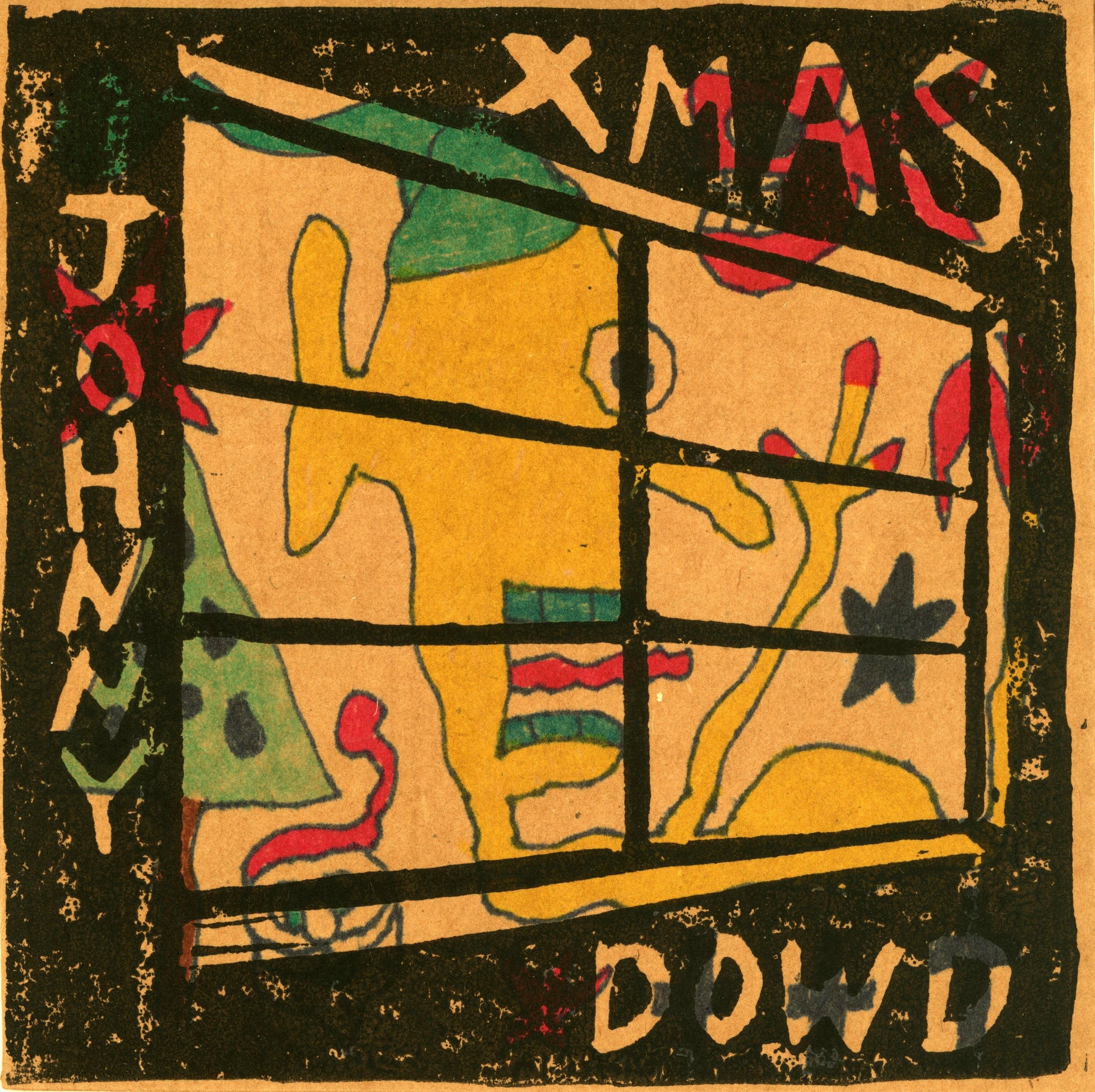
We don’t normally review Christmas music here at Blabber’n’Smoke. Aside from the fact that most of it is crap, most of it is also unbearably wholesome and cheerful and that’s something we really can’t tolerate. Now, Johnny Dowd, one of our favourite musical mavericks, is not someone you’d normally expect to be vying for airtime with Mariah Carey, Slade and Bing Crosby but, it turns out he has a small stash of Christmas songs scattered throughout his back catalogue and he gathers them together here along with a new recording of Silent Night.
There is of course, a good enough pile of decent Christmas songs, most of them melancholic or downright depressing, along with a fair few which are just so far enough from the formula to actually entice you in. Dowd’s festive five are probably in the latter category.
There are two traditional Christmas songs. Jingle Bells (which first appeared on The Pawnbroker’s Wife) comes across as if Funkadelic were given a spectacularly potent dose of acid and let loose in Santa’s grotto. While Silent Night has the pathos one associates with the recording of the homeless man repeating Jesus’ Blood Never Failed Me Yet in Gavin Bryars’ work of the same name, there also seems to be a sardonic nod to Simon & Garfunkel’s recording of the song which included a newsreader’s litany of disturbing news stories. Here, Dowd has snippets of Spanish speech included as the song slowly limps into sight. The song of course, limps along splendidly throughout while Dowd then seems to take a leaf from Phil Spector as he wishes the listener a Happy Christmas (somewhat woefully) at the end.
Separate Beds is the most conventional song here as Dowd and Kim Sherwood-Caso trade vocals on this downbeat country festive song of a couple breaking up. There’s a hint of The Handsome Family in the delivery and the black humour. In contrast, Death Comes Knocking is a macabre mutant nightmare carnival song which wheezes and puffs in a Tom Wait fashion while Christmas Is Just Another Day is another dose of off kilter melody. Ostensibly, it has Dowd’s protagonist missing his late mother on Christmas day but there are hints (kinfolk come to visit me on Christmas, they come but cannot stay) that tempt one to consider that this forlorn son is locked up after topping his dear departed mother. Whatever, it’s deliciously dark as is the whole EP. You won’t be hearing this one wafting down supermarket aisles.
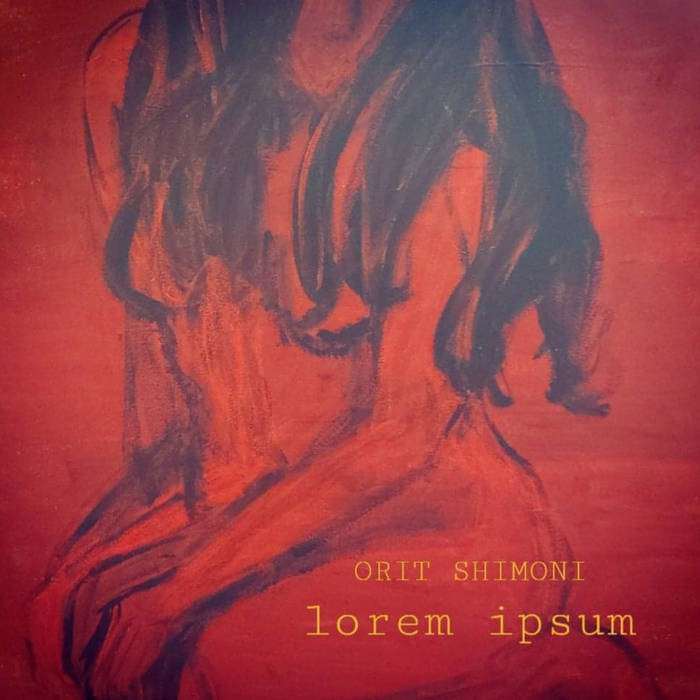
The last time we encountered Orit Shimoni, the nomadic Canadian singer/songwriter, her endless travels had, unexpectedly, ended. Covid had stranded her in Winnipeg, hunkered down, and forced to find a semi permanent place to stay – a strange state of affairs for a musician who, literally, had been on the road for 11 years.
Stuck in Winnipeg, Shimoni released the wonderful Strange And Beautiful Things, a collection of songs she had recorded earlier in Toronto with a full band line up. She follows it up with Lorem Ipsum, a truly solo effort recorded in her flat using “a failing, noisy laptop, a cheap microphone, and, free, basic recording software.” She admits that this was a time of deep despair, not only due to the pandemic but also the extreme polarisation, ignorance, and hate she was seeing across the world. Seeking some solace in her song writing she realised she had songs already written which fitted her mood and, having recalled 11 of them, she set to recording them in one all night session. The result is this lo-fi record which, in spite of its humble origins, positively speaks to the human condition and is yet another reason to consider Shimoni as one of the most under rated songwriters and singers of our time. On some songs here, blood and tears truly flow. Smithereens is a chilling description of the aftermath of a suicide bombing and is Dylan like as it encompasses empathy and condemnation. Another venerable songwriter, Leonard Cohen, comes to mind on It’s Good That You Died When You Did, primarily due to the song’s delivery and cadences but also in the fatalism on display. Horse, a stark portrait of an act of violence inflicted on an animal is delivered in a winning amalgamation of both Dylan and Cohen. Mention of them does point to the album being akin to mid 60s folk and there’s a perfect example of Shimoni drawing on that tradition when she dips into whimsy to unveil the real violence visited upon people on Show Me A Picture as opposed to cartoon violence. While a bomb in a Roadrunner short might just be just a kaboom moment with no fatalities, in real life it maims and kills. Meanwhile, her notion that, in real life, liars’ noses should grow, just like Pinocchio’s, is a definite winner.
Shimoni bares her soul on several of the songs. It All Comes ‘Round Again finds her recalling The Holocaust with her parents reassuring her that it is in the past, only to see that, across the world, atrocities still occur with nations still putting kids in cages. Maybe Tomorrow is truly a lockdown song, a claustrophobic nightmare. My Flying Shoes (the title a nod to her hero, Townes Van Zandt) is perhaps, the crack which lets the light in as she sings of getting back to doing all the normal things which we all took for granted before we were all locked down. The album closes with its most powerful song, Sing Back To Me, a metaphysical plea to join together, cast aside enmities and accept that we are all cast from the same mold. Here, Shimoni approaches the visceral and spiritual appeal of Patti Smith at her most mystical. Overall, Lorem Ipsum is a cry from the heart and it deserves to be heard far and wide.
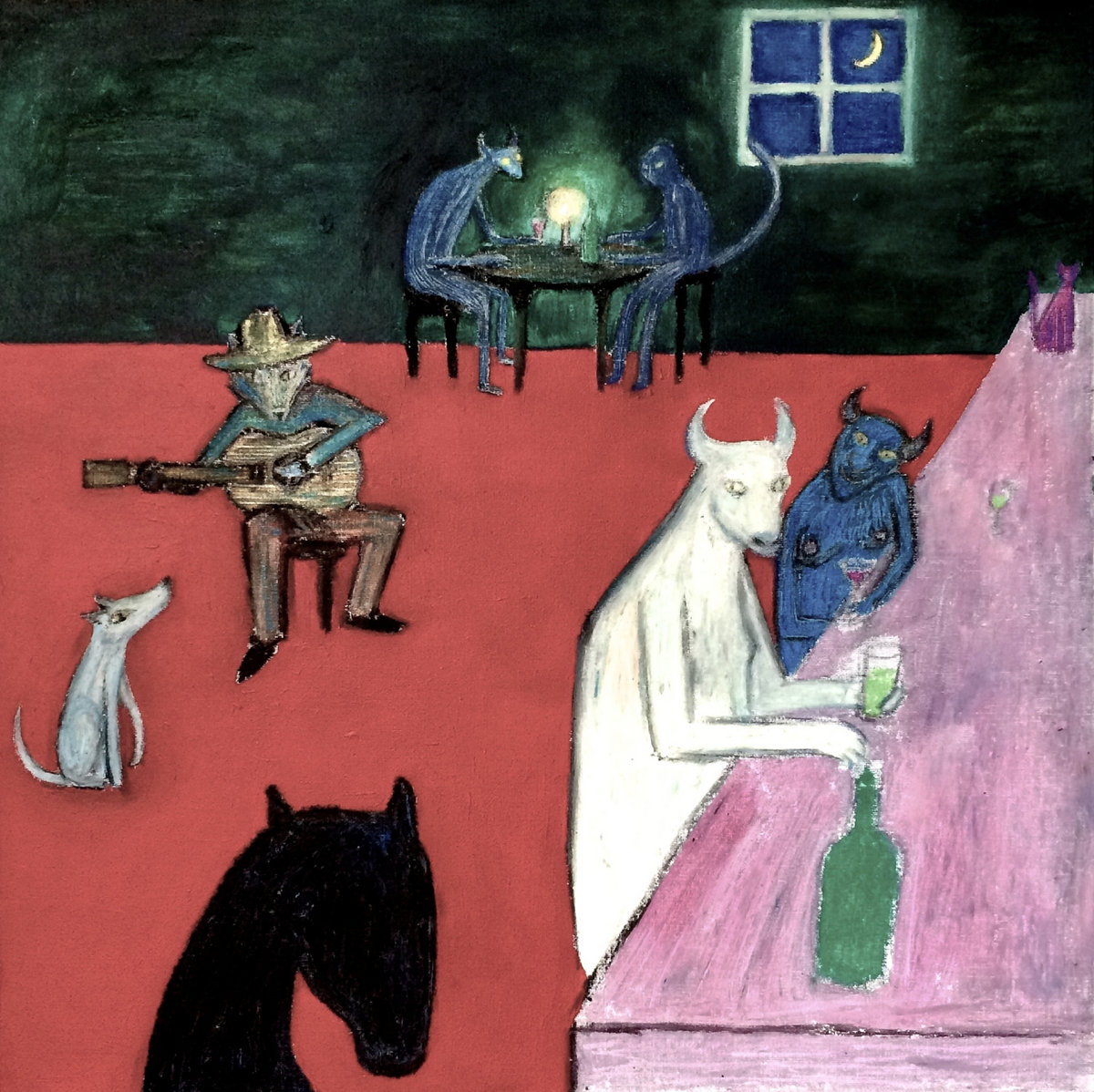
Normally a Robin Adams album leads one to search a thesaurus looking for alternatives to winsome, melancholic, introspective, sensitive and words like that. Adams’ albums have portrayed him as a singer songwriter very much in the folk/bedsit tradition with luminaries such as Bert Jansch and Nick Drake often summoned to serve as comparisons. Wrong Road Home is however a splendid change of direction as Adams delivers a lively, sometimes raucous, elsewhere tender, collection of songs, delivered in a folk and country style with a decidedly American bent. It’s noted that Canadian folk duo Kacy and Clayton appear on several of the songs.
The album is inspired by some of Adams’ favourite American songwriters – people such as Hank Williams and Michael Hurley (we’d add Woody Guthrie, The Carter Family and Jimmie Rodgers to the pile) – while the music is a wonderful mix of string band excellence and hillbilly musings. Banjo, fiddle, mandolin, pedal steel, Dobro and, yip, a singing saw, all feature, giving the album an authentic patina of old time Americana and all that entails. There’s trains and crossroads and ghosts in these tales of bad luck and while the songs are a joy to hear there isn’t really a happy moment to be heard. Meanwhile, Adams’ drawings which adorn the sleeve and the lyric booklet are surely a nod to Hurley.
From the instance when lonesome banjo and harmonica wander in through the saloon like front door of the title song, sounding for all the world like two weary travellers looking for a drink, we’re transported to the old west as Adams wanders into a nether world peopled by talking dogs and crows and blind men shooting arrows at the stars. It leads him to what does seem to be a last chance saloon where, ordering beer, he is given absinthe while seated next to an artist with “a hole right through his chest” wondering why he isn’t dead. With ragged fiddle, lonesome pedal steel and a wearied lope in its stride it’s a tremendous opener. Deep Down follows in a similar style but it digs deeper into weird old Americana, freighted with menace emanating from “the old dark woods” where “gallows swing and the moon stays round.”
Listening to these two opening songs, the only clue that these haven’t been unearthed from some Appalachian archive is Adams’ voice which retains his Scots accent. It’s a fantastic balancing act which he maintains throughout the album and it offers the opportunity to think not only of the Americans he celebrates here but also those pioneers of the 60s such as Hamish Imlach and especially the original Incredible String Band. The fiddle sozzled blues of Broke Down Empire Blues here could surely sit on the first ISB album while the jug band like Nobody Blues is a song which Imlach would have had great fun with. The Scots-American union reaches its zenith when Adams transports Burns’ Tam O’Shanter to the Ozarks, yodelling away like Jimmie Rodgers on The Ballad Of Tommy Shanter. This is quite fabulous. The saw offers the requisite amount of spookiness but there’s so much else bustling away, the pedal steel, a fiddle sawing, swarms of accordion and burbling banjo, all jostle together and raise the song into the realms of greatness. It’s not hyperbole to say this really. If you doubt, then have a listen and keep an ear out for the way there’s a brilliantly brief burst of bowed double bass denoting danger towards the end.
Adams waltzes through the album excellently, unveiling gem after gem. Too Far Gone is a hum bucking slice of Western Swing and Hungry Bob reminds one of Burl Ives or Pete Seeger’s’ kiddie friendly songs (with a dollop of Shel Silverstein). While Your Games is a pretty, Jansch influenced, guitar trip which is more in line with his previous releases, Sing To Me As I Sleep is a trip into Carter Family territory and the closing song, Floorboard Blues is wonderfully rudimentary as Adams sings and yodels an old time waltz quite brilliantly.
It’s not often that an album stops you in your tracks but when we first heard this we were quite gobsmacked by how good it is. It’s a total diversion for Adams and it’s astounding that he’s pulled it off so brilliantly. It probably does help if you’re enamoured of old time Americana to begin with but, coming in at the tail end of the year, we reckon it’s one of our top ten contenders. https://robinadams.bandcamp.com/album/wrong-road-home
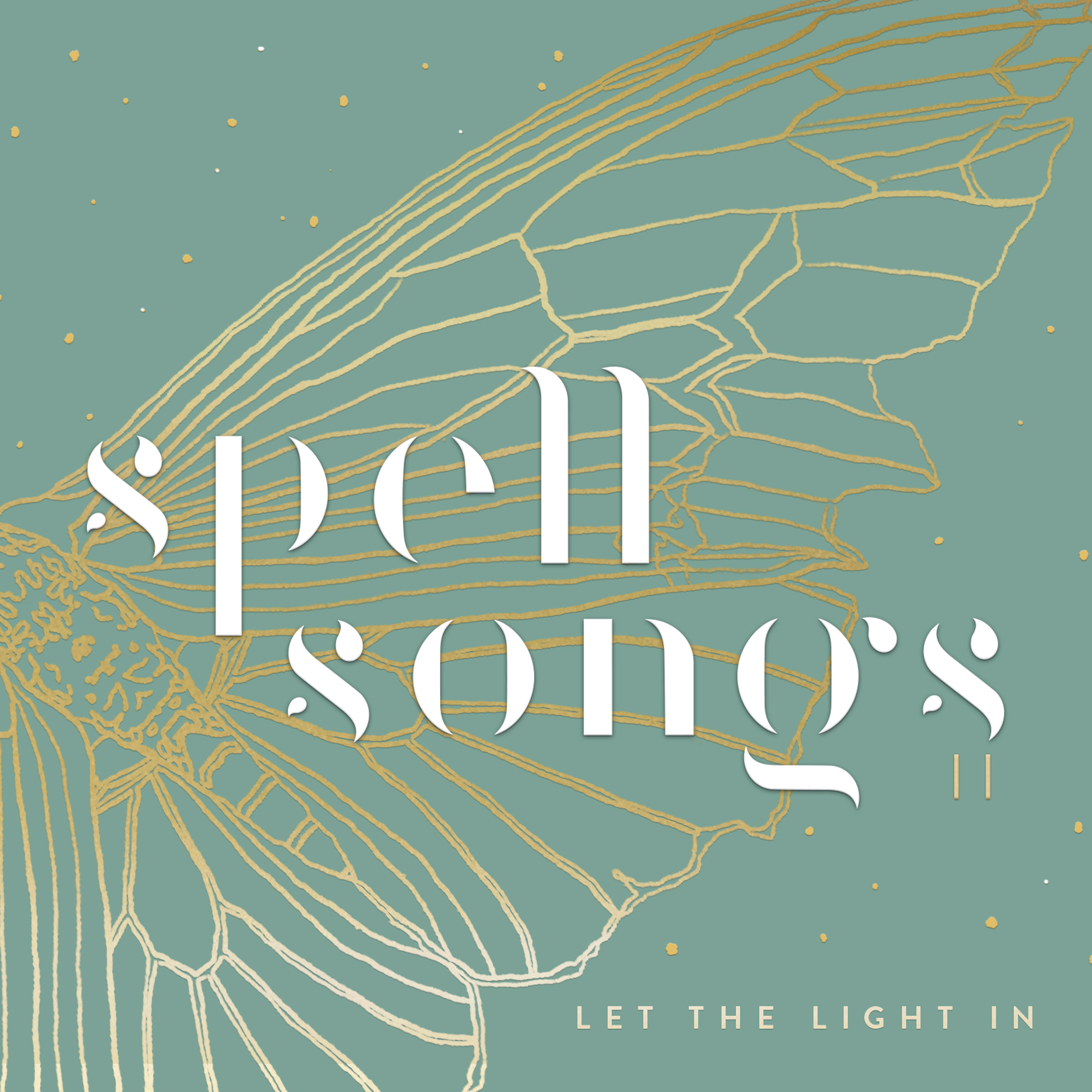
Originally gathered to offer their musical take on some of Jackie Morris and Robert Macfarlane’s musings on our ever changing language in their book, The Lost Words: A Spell Book, Spell Songs have reconvened in order to convey their musical musings on the pair’s latest book, The Lost Spells. The collective (Karine Polwart, Julie Fowlis, Seckou Keita, Kris Drever, Rachel Newton, Beth Porter and Jim Molyneux) were highly acclaimed on their first release and Let The Light In looks set to gain yet more accolades as its, ahem, spellbinding songs and performance look to gather pace with a series of live shows set to follow on from the album release.
The 15 songs here tap into current concerns re the environment and dovetail into a back to nature movement which has traditionally been associated with folk music and various campaigns against the destruction of our habitat. Each song celebrates creatures and plants which have long been a part of our diversified flora and fauna, many of them now endangered. While the album is solidly folk tradition at its roots, the players utilise studio to add layers of sound and effects, culminating in an album which is quite astounding to listen to. It’s both ancient and modern, it traverses borders and summons earth spirits throughout. The ensemble are electrifying at times as when they weld Afro and Celtic music on Jay, a magnificent song with Seckou Keita engaging in call and response with the massed female singers. Kris Drever’s Red Is Your Art darts and dips like a murmuration of starlings and, likewise, Swifts, a vocal duet from Drever and Rachel Newton gambols along quite merrily. The sinewy Oak, again featuring Drever, is rooted within a deep tradition of folk songs saluting the power of nature and the turn of the seasons.
Karine Polwart’s Bramble is cloaked in mystery and wonder, its woody timbre and martial drums enlivened by snippets of voice which are almost cartoonish in nature. As the band nimbly flutter and caress the song, it flows gently into Julie Fowlis’ St. Kilda Wren, sung in Gaelic and invoking ancient spirits. Beth Porter’s Gorse is a quite magical and fantastical voyage into a speckled wonderland – frosty and childlike, it transports the listener into memories of shadow land fairy tales. With Polwart singing supremely on the tip-toed delight of Moth and Fowlis delivering yet another wintry tale on Silver Birch, another song cloaked in wonder and mystery, Spell Songs have certainly delivered a spell binding and enchanting listen.
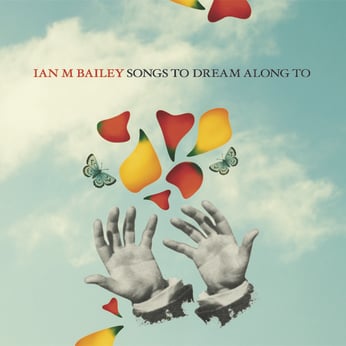
Following on for their collaboration on the Shots Of Sun EP, Ian M. Bailey and Glasgow’s Daniel Wylie have co-written this full length album which, as with Bailey’s (and Wylie’s) previous releases, is a quite joyous celebration of 1960’s sunshine paradise pop, as practised by The Byrds, The Beau Brummels, The Association and many others, and the soft rock sounds of the early 70s as exemplified by America, Seals & Croft and numerous offshoots of the whole Byrds/CSN/Burritos clan.
Bailey remains a one-man band, playing all of the instruments (aside from a string section on The Sound Of Her Voice) and, as before, it’s quite impressive that there’s no hint of this in the final delivery. The songs are fresh and show no sign of being assembled whatsoever and the harmony singing (again all Bailey) is outstanding. Listen to Everything Will be Alright and try not to imagine that it’s a band like the trio America singing it.
Bailey is an experienced practitioner in the art of 12 string Rickenbacker jangle and this is to the fore in the opening song, This Is Not A Feeling which opens with a Beatles’ like acoustic guitar strum before the 12 string sparks up and we are offered a Gene Clark like song which aches with a romantic melancholic feeling. Take It Or Leave It is in a similar vein with more mid 60s’ solipsism although here it’s less melancholic given the powerful thrust of the verses and the waves of keyboard which pump throughout the song. Further along the track list, Slow Down River and Just Like A Child (Dream Catcher) remind one of the latter day Byrds, their jangled pop reined in by the likes of Clarence White and Gene Parsons who brought in new sensibilities rooted in old American music. Meanwhile, I’m Not The Enemy, still suffused with gleaming 12 string, is more akin to the Paisley Underground bands who revitalised these sounds in the 80s, even though its lyrics remain rooted in the original psychedelic underground.
As we said, Laurel Canyon and its denizens also loom large and it’s easy to imagine songs such as A Place To Live, Everything Will be Alright and The Sound Of Her Voice being performed by a sensitive soul on The Old Grey Whistle Test back then. The latter in particular, with its sweeping strings, reminds one of Dan Fogelberg which, we have to say, is no bad thing. The highpoint is the delicately delivered and harmonious What’s Happening Now which is a dreamlike meander with gently flowing guitars along with a slight undercurrent of menace courtesy of a muted yet decidedly psychedelic electric guitar. There’s also fun to be had in the mock Eastern exotica of Midday At The Hope Lodge which can’t help but remind one of The Beatles’ flight from the murderous cult pursuing them in their movie, Help!
Despite the surplus of names we’ve mentioned, Bailey and Wylie have come up trumps with Songs To Dream Along To. It’s a glorious listen that certainly rises above its influences.
Transatlantic Connections is of course the title of a series of successful TV shows and an ensuing (and usually sold out) live gig franchise. It might be a fear of being sued which prevented Malcolm MacWatt from giving this title to his excellent debut album but it would have been most appropriate. MacWatt, a Scots musician from Morayshire, has crafted a set of songs which relate to the Scottish diaspora, those who settled in the new world and elsewhere, usually leaving everything behind but their culture. In the end, MacWatt settled on Settler as the title and we’ll just have to settle with that, given that it is also quite appropriate.
While MacWatt’s songs have Celtic blood and a healthy dose of Appalachia coursing through their veins, he opens up the connections by having Jaimee Harris, Gretchen Peters and Laura Cantrell join him on the venture and Eliza Carthy adds a fine dose of English earthiness. These four song sirens might be considered the icing on the cake but all of the songs here stand tall on their own merit. On the strength of them MacWatt deserves to be considered alongside Jackie Leven, Ross Wilson of Blue Rose Code and even Dick Gaughan.
While several songs do address relocation and emigration, many are engaged with the perils and tribulations our settlers faced and there are also occasions when MacWatt nods to contemporary issues. Trespass begins as a diatribe against land ownership depriving local folk of access to their traditional country ways and ends with a dour description of run down town centres, local shops shut while the supermarket is a magnet. The opening song, Avalanche And Landslide is another contemporary number and, while it’s an attractive listen, one can’t help wonder why it’s placed first and foremost. With a jaunty beat and snakelike slide guitar it’s the most American sounding song here and it seems essentially to be a protest song and somewhat out of kilter with what is yet to come. It sounds great and Jaimee Harris adds some excellent gospel inspired vocals but we can’t help but think that this might have been a song to close on rather than open with.
No such quibbles regarding Letter From San Francisco which is a rousing tale of a hardscrabbled sailor’s life stranded in San Francisco, his money gone, his only comforts prostitutes and opium, his words a last testament of sorts, destined to be sent to his mother once he’s dead. This is ten times better than any old sea shanty which might be getting pushed your way these days. Ghosts Of Caledonia is where MacWatt starts to emulate some of those mentioned above. It’s a sinewy and twisting folk rock song, misty and evocative with some brilliant lyrics – “All you ghosts of Caledonia before Columba came/To put you pagan Picts and Celts and witches to the flame.”
We drift somewhere amidst the Appalachians and ye olde England for The Curse Of Molly McPhee which has Laura Cantrell joining in on a song which ticks all of the boxes to be considered a child of The Child Ballads. It’s a deliciously dark tale of love, lust and witchcraft, ending with an execution. It has the cut and thrust and sheer brio that inspired Fairport Convention’s Matty Groves and it’s really quite astonishing to realise that MacWatt wrote this song. Gretchen Peters is next up, joining MacWatt on another powerful song, a valediction for those settlers who sailed from Scotland’s shores on My Bonny Boys Have Gone. If a song could weep tears, this one would and Peters closes the song with a perfect balance of sentimentality and regret. Somewhat astonishingly, MacWatt goes one better on The Miller’s Daughter which is a gnarled and windblown blast of rural lust which comes across like a Thomas Hardy novel. Eliza Carthy is the vocal foil here and she is indeed, earthy and compelling.
While the album reaches its apogee on this delightful vocal collaborative trilogy, there’s a fine historical bent to the tale of John Rae’s Welcome Home which is the true tale of an Orkney born Arctic explorer, celebrated in Canada but vilified in his time by the establishment. With Kris Drever providing subtle guitar, it’s another example of MacWatt invoking a folk strain and bringing it bang up to date. The album closes with MacWatt’s impressionistic evocation of his homeland coast on North Atlantic Summer, a return of sorts to the spirit of Ghosts Of Caledonia and suffused with the spirit, the history and geography of our highlands and islands and those brave emigrants. A sorry tale which continues to this day as beleaguered folk still take to the waters to escape ruin.
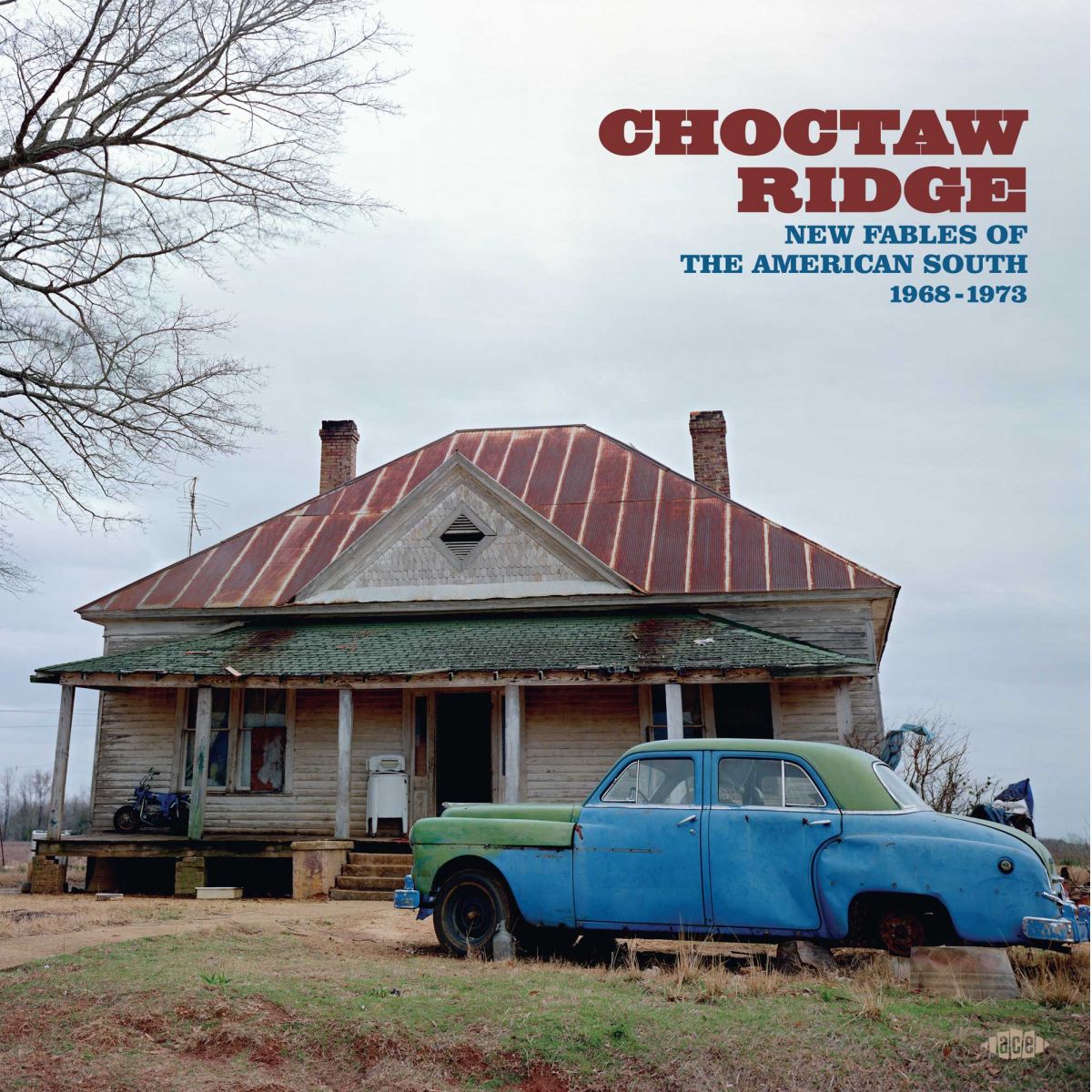
Bobbie Gentry’s Ode To Billy Joe, a massive hit in 1967, is the template for this compilation of storytelling songs of the American south, all of them released in the following five years, a fairly tumultuous period in The States. The album is the latest to be compiled for Ace Records by Bob Stanley and Martin Green (both with a fine pedigree in dredging up fantastic songs from the past) and Choctaw Ridge is a fascinating listen whether you are au fait with the period or just intrigued by the approving mentions of it on social media in advance of its release.
Ode To Billy Joe itself isn’t present but Gentry does appear on Belinda, a banjo driven tale of a lonesome bar room dancer, and it’s snapshots such as this which pepper the album. Well-known names such as Dolly Parton, Mike Nesmith, John Hartford and Kenny Rogers all appear but lesser known artists such as Rob Galbraith, Sammi Smith and Henson Cargill can startle with their contributions. Aside from Gentry, Lee Hazlewood gets credit for originating this amalgam of country and pop and he has two appearances here while Jim Ford and Tony Joe White provide some swampier moments.
The album is a rich tapestry of adventurous styles, intricate arrangements, and songs some of which, at the time, ventured into territory rarely spoken about never mind being played on the radio. It’s a fabulous listen.
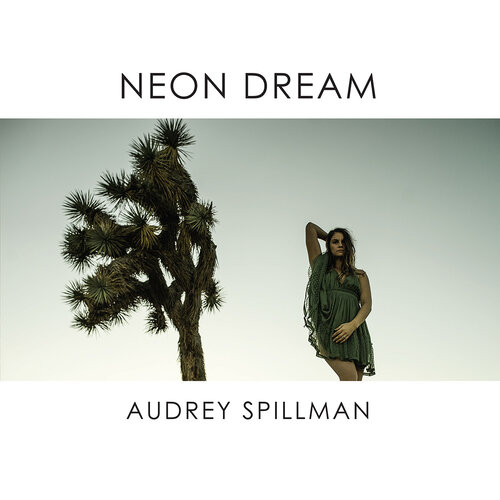
Until Neon Dream dropped through the letterbox, Audrey Spillman was somewhat of a mystery to us here at Blabber’n’Smoke. We’d heard (and seen ) her as part of the Buffalo Blood collective (featuring her husband, Neilson Hubbard along with Joshua Britt and Dean Owens) which, in itself was something of an offshoot of Hubbard and Britt’s Orphan Brigade. Due diligence reveals that Spillman has a couple of albums and EPs already under her belt and had also acted in an independent film, Wheeler, alongside Stephen Dorff and Kris Kristofferson. Having heard Neon Dream, it’s fair to say that we’ll be checking out those past releases as we have truly succumbed to Spillman’s bewitching songs on Neon Dream.
The album opens with Austin Motel which contains the lyric providing the album’s title, a title which is quite apt as much of this album is a dreamlike reverie with Spillman’s voice somewhat spellbinding. Her hubby Hubbard, Will Kimbrough and Dan Mitchell are the musicians who provide the ingredients and they are perfect dream weavers, the delicate arrangements perfectly suited to the voice. Austin Motel is a perfect example as the song undulates between swooning guitar and percussive pops and fully fledged Neon lit Americana. Beyond The Blue is delivered in similar fashion with its fusion of pop and roots reminiscent of Neko Case on albums such as Blacklisted.
Elsewhere, Spillman digs a little deeper into her own voyage with Red Balloon an intimate recollection of a child’s relationship to her father while Little Light Of Mine is a delicate song to her infant son, sweetened immensely by the superbly restrained and cosseting guitars. On a darker note, Go On And Fly is an eulogy to her late stepmother but it has a universal touch.
A cover of Summertime, the Porgy & Bess chestnut, might seem surprising but Spillman and crew actually manage to breathe new life into it, their resurrection is wonderfully languid and limpid. Stretching across to the Buffalo Blood project, there’s also Spillman’s take on White River which adheres, for the most part, to the original but with glistening guitar murmurings adding to its quiet majesty.
Cast your mind back to the year 2000 and there was a band called Hobotalk who created some waves in the general music scene. Their debut album, Beauty In Madness had been critically acclaimed and apparently was in the running for The Mercury Prize, but sales didn’t reflect that acclaim. Caught up in issues regarding their label, Hut, a subsidiary of Virgin Records, the band disbanded with leader and songwriter Marc Pilley taking some time out to reconsider his career.
Come 2005, Pilley revived the band with a new line-up and went on to release three superb albums on Glitterhouse Records. Again there was a positive reception from a small knit community, especially in Europe, but, once again, it just kind of petered out after their final release, 2008’s Alone Again Or. Since then, Pilley kind of disappeared from the scene, so it was a welcome surprise to find him back on stage a short while ago when, now billed as Arksong, he supported My Darling Clementine at the latest Glasgow Americana Festival. Appearing solo, Pilley plied the audience with a set of new songs which he has been carefully crafting over the past few years. His honeyed vocals were immediately recognisable to anyone familiar with Hobotalk and it was a joy to see him again.
It turns out that since around mid 2019, Pilley has been quietly releasing a series of albums and EPs in a DIY manner under the name of Arksong, selling them though his website and Bandcamp. After that gig, we delved into these and were quite astonished to find what amounts to a treasure trove of songs. Pilley has stripped his music back to, in the main, his voice and guitar, and recorded his songs in his garden shed. Despite this deliberately homegrown independence, there is much of what made Hobotalk such a compelling listen still evident. Pilley’s voice, quite mellifluent, a distant cousin of Tim Hardin’s, remains present. Nature and the seasons still feature with the music evocative of being beyond civilisation, a sense amplified by the beautifully stark black and white photographs which adorn the releases (all photographed by Pilley’s wife, Pam).
With Pilley’s most recent album, Ruin Valley Rising, glued to our stereo system, Blabber’n’Smoke reached out to him in his little garden cottage just outside of Edinburgh to chat about Arksong.
The last we heard of you was in 2008 when the final Hobotalk album was released. It’s been a long time.
Indeed it has. People still ask me about Beauty in Madness and that came out, oh, more than 20 years ago. I think it’s true to say that back then I didn’t really take care of business. When I’m asked about it I’ll tell folk that if you have a group of people who step in and say, here’s a bunch of money and we’ll take care of all this for you, a warning bell should go off. It’s really more important to take care of business yourself and by that I mean looking after relationships. If you take care of your business, each working relationship, then you’ll be much better placed to step forward. I didn’t do that back then. After Beauty In Madness, I took time out to go to Canada for several years and then I came back with a new band which I still called Hobotalk. We were signed to Glitterhouse and we grew quite a good following in Europe but eventually that came to a halt. Basically, I stopped thinking about having guitar, bass, drums and keyboards and I really got down to just my acoustic guitar and song writing.
So, what prompted you to come back as Arksong?
Well, I stopped doing a lot of things but the two things I didn’t stop were black coffee and song writing. Song writing seems to be the way I move though the world and I kept on doing that. It was my wife who said to me that there was no point in having all of these songs I’d written just sitting there, under a bushel if you like, so I reckoned it was time to record them and to say to people, here are some of my songs.
As you say, most of the songs are just you and your guitar but Ruin Valley Rising has some guests playing on it.
At first it was just me in my shed, singing and playing the songs. I recorded them and Ross Edmund, the original guitar player in Hobotalk who is a very gifted producer these days and runs a small studio called The Medicine Hut, mixed and produced the discs. On my last record, Ruin Valley Rising however, I asked some friends to join me and it was lovely to have The Unthanks, Ainslie Henderson, Henry Priestman, Mairi Campbell and Steve Balsamo all contribute.
I’ve really enjoyed listening to the albums and it strikes me that, on a song such as Turn To Me (on Everything’s Coming Home) you are walking in the footsteps of someone like Tim Hardin, a comparison which was often made in the Hobotalk days. Can you tell us a little about the music you were listening to when you were starting out?
I actually started off as a drummer but after a while I wasn’t enjoying the songs I was drumming on so I started writing my own. I was actually talking to Michael Weston King about this the other week when we played the Glasgow show. The first albums I remember really listening to were Bless The Weather by John Martyn and the three Nick Drake albums -I remember being floored by them and thinking this is what I want to do. When I was living in Dunbar I got to know Brian Hogg (Edinburgh based rock writer, author of All That Ever Mattered: The Story Of Scottish Rock and Pop and editor of Bam Balam magazine). I used to go round to his place where he had a huge record collection and he’d start at A and go through his collection with me to Z. It was Brian’s record collection which had a huge influence on me. It’s very hard to have something like a favourite list as it always changes but I’ve been asked that in the past and I always try to mention Tim Hardin, John Martyn, Joni Mitchell, Gillian Welch, Grant Lee Phillips and Justin Townes Earle. I think that Justin was really going places. You’ve probably heard Charlie Patton and I think that Justin was on that road. He was doing that howling at the stars thing and I thought it was going to get really exciting. Poor chap, that’s not going to happen now.
I enjoyed your contribution to the Jackie Leven tribute album, The Wanderer.
I was really honoured to be asked to participate on that. Jackie is one of those artists, a bit like Fred Neil, who are actually treasures but when you mention them to people they don’t know who you are talking about. I can’t believe that they don’t get more recognition.
So, what are your future plans?
The Glasgow Americana show was the first I’ve done in a long while and I really enjoyed being back on a stage again. I’m hoping to be touring again soon, here and in Europe where I’ve still got a lot of faithful fans. I’ll be playing solo as I think that it works out pretty well with just me and my guitar and my voice. I like to squeeze as much music as I can out of the least instrumentation. I’m currently recording songs for a new album but it won’t come out until next year.
So, keep you eyes peeled for news of Pilley playing anywhere near you soon. You can listen to and purchase his albums here and visit his website here.