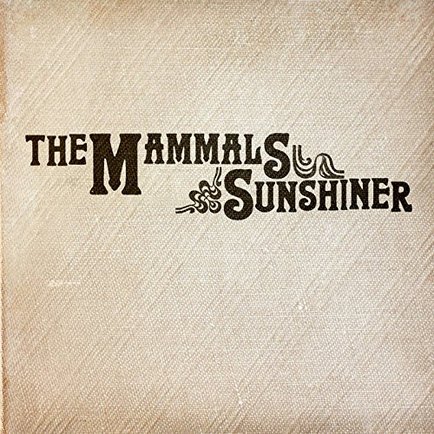
Mike Merenda and Ruth Ungar, after a long spell on the road and one (excellent) album as The Mike & Ruthy Band, here revive their old band name which went into hibernation some years back. The Mammals were considered one of the best roots rock band back in the noughties and came with a government warning due to their political songs, one in particular, The Bush Boys, getting right up the White House’s nose.
Currently a six piece band, the front pair are joined by guitarist and keyboard player Ken Maiuri, pedal steel player Charlie Rose, bassist Jacob Silver and drummer Konrad Meissner. Together they have produced in Sunshiner, an incredibly vibrant and joyous slice of music, a collection of songs that glide, that soar and exhilarate. This is today’s American folk rock, the band rolling along expertly picking up moss from antecedents from both sides of the Atlantic such as Fairport Convention, The Byrds and The Band while ancient roots from the folk tradition are also to be heard. It’s also a political album, not in the sense of polemics, but across the piece they cleave to an American radical position which goes all the way back to the Wobblies through to hippies and into the current protests on American streets. They celebrate humanity, deplore poverty and care for the environment and they do so in a most entertaining manner.
The full power and sweep of the band is apparent on the opening Make It True with its Dylan like harmonica and folksy bustle with soaring harmonies urging folk to just appreciate and celebrate the very act of being here. This impressive ensemble sound is repeated on The Flood and Fork In The Road while Culture War is somewhat more folky with Merenda commenting caustically on current information highways, worrying about those cathode rays beamed into homes and feeding your mind, instead urging folk to get back to basics citing Guthrie and Seeger – basically, Educate, Agitate and Organise. Open The Door meanwhile has Ungar singing about altruism with the band laying down a powerful rock beat and as the song heats up she sounds almost like Grace Slick as she hammers home the closing lyrics. For a full appreciation of the band’s chops however there’s the incredible kaleidoscopic mix of rock and folk which is Doctor’s Orders. There are words in here but they are submerged and distorted as Ungar’s fiddle and Maiuri’s organ just go kind of batshit all over the place, a delirious knees up indeed.
While this quicksilver folk rock sound is exhilarating, the band dial it down on a couple of numbers going back to their Catskill roots. Beautiful One is just Ungar and her ukulele on a lullaby like primer for kids advising them to be loving and kind and children are again at the heart of My Baby Drinks Water with Ungar’s voice almost acapella ( her father, Jay, adds some very quiet violin) as she decries an avaristic society which allows children to starve. Maple Leaf chugs along nicely with a fine ecological message and Sunshiner is a very tender acoustic number with Merenda singing about a family whose men folk worked in the mines but who now try to be carbon neutral with solar powered generators. A worthy but perhaps dry subject to sing about but the band invest it with a quiet beauty, banjo tinkling and pedal steel gently flowing. When My Story Ends is a song some folk might consider worth having played at their demise. Sounding as if it could have been written by Pete Seeger or Rosalie Sorrels it’s an incredibly sweet song with Ungar singing of her perfect way to end her days on earth. They close the album with the beguiling notes of Big Ideas, the music here recalling the mood and ambience of John Martyn’s Grace and Danger over nine soothing minutes with Ungar and Merenda softly singing together over muted keyboards and atmospheric guitars. It’s truly a beautiful song and a wonderful way to end the album.
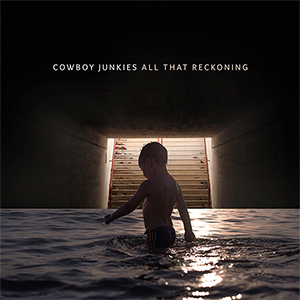 30 years on from The Trinity Sessions and 16 albums along the line the Cowboy Junkies continue to mesmerise with their simultaneously glacial and slow burning sounds with Margo Timmins’ voice and brother Michael’s warm guitar tones their signature. All That Reckoning, their first release in six years, follows what was for them a furious burst of activity when they released four albums in their Nomad series in 2011 -2012. Recorded when the band found themselves without a record deal the four albums showed the disparate faces of the band, each disc with its own personality with two of them based on particular themes. All That Reckoning however irons out these facets with the band adopting an at times sepulchral sound with solid bass and drums propelling swathes of guitar while Margo Timmins voice reaches out from the depths.
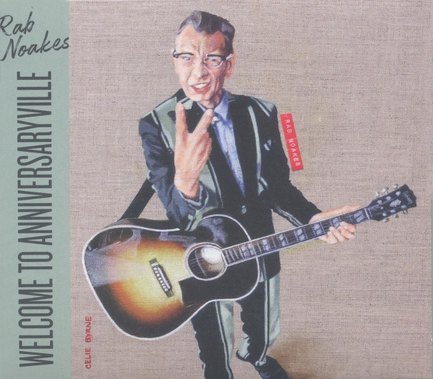 At the grand age of 71 Rab Noakes‘ profile is probably higher now than it has been since his days as one of the UK’s premier folk and rock artists back in the seventies when he was recording with Gerry Rafferty, providing songs for Lindisfarne and having his own albums produced by the likes of Bob Johnston and Elliot Mazer in Nashville with various Dylan veterans in tow.
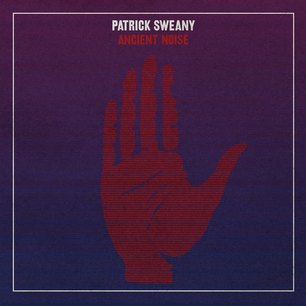 A Nashville artist who is more steeped in the blues and soul than many of his townsfolk, Patrick Sweany gets down and dirty on Ancient Noise, an album which saw him head to Memphis to record in Sam Phillips’ Recording Studios which has been recently refurbished and which is popping up in several sleeve note mentions of late. Produced by Matt Ross-Spang (who helmed Margo Price’s Midwest Farmer’s Daughter) Ancient Noise is steeped in southern styles, raucous blues and swampy rock numbers the deep filling while there’s a delicate dollop of Memphis country adding some sweetness to the whole.
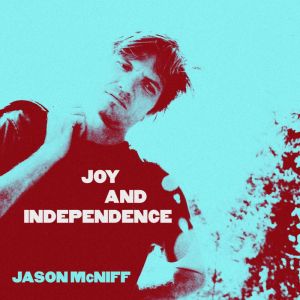 Last year Jason McNiff released
 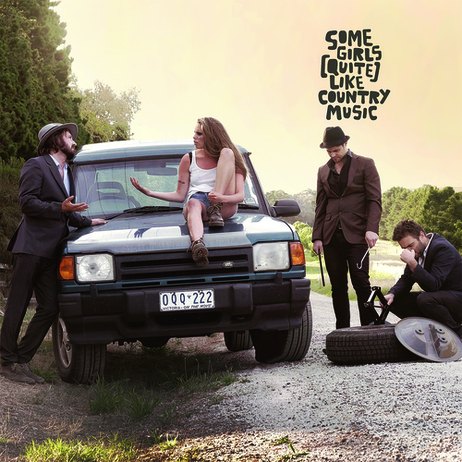 Ever since hearing Lachlan Bryan’s solo album, Shadow of the Gun, back in 2012, Blabber’n’Smoke has always welcomed new music from this Australian troubadour. Schooled as a kid in Hank Williams by his uncles who played in bar bands and then inspired by the “alt-country” bands of the eighties along with a hero of his, Tom Waits, Bryan and his band The Wildes are one of Australia’s premier roots music outfits winning a prestigious Golden Guitar award for Alt-Country Album of the Year back in 2014 with their album Black Coffee.
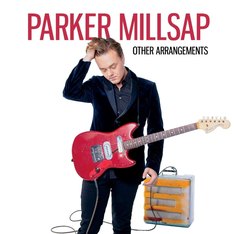 When a tremendous crash of electric guitars rang out as this CD began to spin I thought it was the wrong disc playing. Where was the folkie Okie one was expecting? The song, Fine Line, thrashes about with Millsap ripping ferocious chords from his guitar and snarling the words coming across like Jack White. It is surprising but there’s some wild fiddle flailing away throughout the song reminding us that this is supposed to be country as opposed to rock. As the opening song (and the lead single) of the album it’s mildly misleading however as the remainder of the album, although pretty chunky as it shows off its muscle, is nowhere as wild as this.
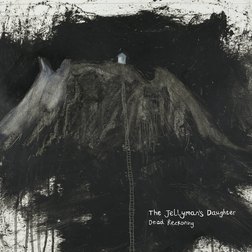 This second album from the Edinburgh duo comprised of Emily Kelly (vocals, mandolin and guitar) and Graham Coe (Vocals, cello, mandolin and guitar) is a huge step onward from their debut release of a few years back. The pair here have at times an expansive sound, bolstered in the studio by various players who add assorted guitars, banjo, fiddle and double bass to the mix while an entire string section is employed to great effect on several of the songs.
 Round about this time last year we spoke to a good friend of Blabber’n’Smoke, Dietmar Leibecke, from Germany, about his
 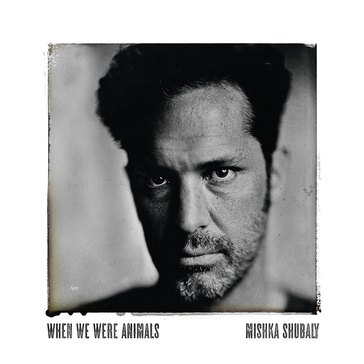 Back in 2015 we wrote about an album which seemed to epitomise that old Wildean quote, “We are all in the gutter, but some of us are looking at the stars.” That album was Mishka Shubaly’s