
Karen Jonas. The Rise And Fall Of American Kitsch

Blabber’n’Smoke have been long time fans of Karen Jonas, saluting her modern take on classic country sounds but she steps up her game here on her latest album, The Rise And Fall Of American Kitsch. Still surrounded by her regular players (guitarist Tim Bray, Benji Porecki on keys, fiddle by Bobby Hawk, Ahren Buchheister on pedal steel along with bassist Seth Morrissey and drummer Ben Tufts) Jonas delivers an adventurous album which takes a long hard look at consumerism, going back to the advent of shopping mania in the fifties (the kitsch of the title when the post war generation filled their homes with plastic gewgaws). That she does so with several nods to the king of kitsch, Elvis Presley and his neon soaked playground of Las Vegas is nothing less than brilliant.

The album kicks off on a conventional note with a killer country rock song, Rich Man’s Valley. Harking back to Gram Parsons’ like cosmic country, Jonas and the band zip through this with some verve, fiddles battling the electric guitars alongside some rollicking piano. Apparently inspired by The Carter Family’s rise to fame it’s a grand opener but it doesn’t prepare one for the remainder of the album. That honour belongs to the next song, Four Cadillacs, a Doc Pomus like rock rumble which references Presley’s tendency to generosity by supplying new cars to family and friends. Presley looms large again on Mama’s Gone, a bluesy number with soaring horns which sees the protagonist weeping and wailing in a melodramatic manner, railing against his loss while Call Dr. Nick (the nickname of Presley’s personal doctor) is a skeletal banjo driven number which deals with pill popping addiction. Las Vegas, the ultimate icon of American kitsch is dealt with on Shake Bump And Grind Show and Gold In The Sand which Jonas sings in a parody almost of Presley’s mid sixties ballad style.

Casting her net further afield, Jonas alights on Florida, the candy coloured land she sings of in Plastic Pink Flamingos. She gives the song a jaunty, almost jive jug band delivery as she tells a tale of a (presumably blue rinsed) denizen who packs her yard with the said ornaments and then savagely protects them from imagined predators. America’s other tropical paradise; Hawaii also gets a mention on the tropical themed Let’s Go To Hawaii, a song which cleverly zones in on dream holidays sold by zealous agents while also reminding one of some of Presley’s movies (alongside a chance for Jonas to celebrate her love of Jimmy Buffet songs).

While many of the songs are rooted in the consumer boom of the last half of the last  century, Jonas brings us band up to date (and presumably on the fall mentioned in the title) on the witty Online Shopping, a grand mix of western swing and doo-wop before she delivers her main message on the spoken word title song. Here she plainly explains the dichotomy of instant consumerism and the detritus it produces, the journey from delivery to trash. She closes the album on its most intimate moment on Buy, a solo performance which wrestles with the anxiety produced by the urge to be self sufficient and the lure of advertisements.

While the album finds Jonas a step removed from her previous more countrified efforts she commands attention throughout on a witty and, more importantly, electrifying album.
Website

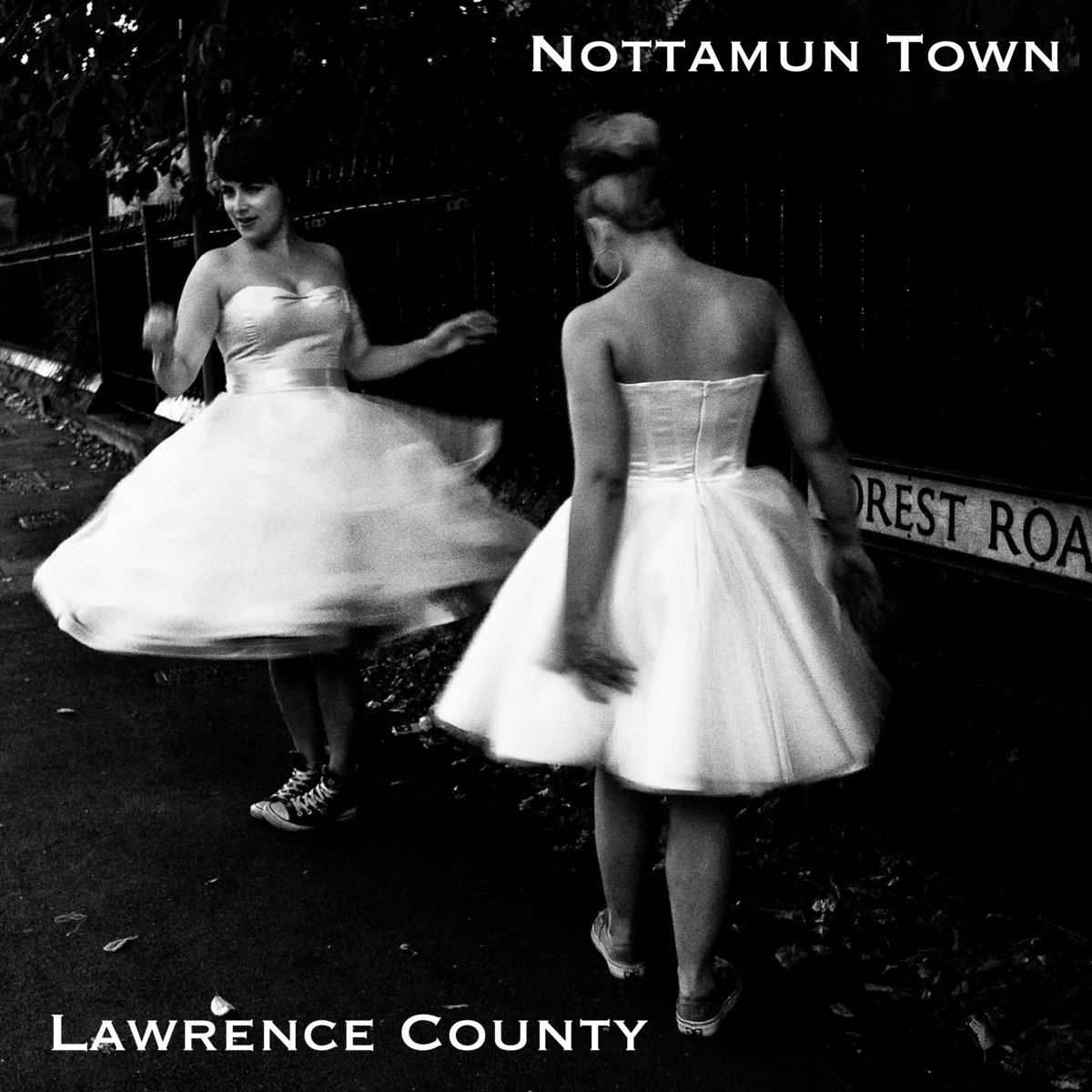
Lawrence County. Nottamun Town

Having gone through their skiffle phase (under the moniker of DH Lawrence & The Vaudeville Skiffle Show, a nod to D. H. Lawrence whose shadow looms large in their home town), Al Rate and Bill Perry changed the band’s name to Lawrence County and released a first rate (sorry Al) album, The Frailty Of Humans, back in 2020, a disc which was rooted in traditional American roots music with a decidedly contemporary English bent.

On Nottamun Town they delve deeper into traditional American music albeit with a twist. The ten songs here are assuredly ones you might recall from folkie albums from the past but the band are keen to point out the migration of these songs. Many of them originated in merry old England (along with Scotland of course) and travelled the ocean to become staples of the American folk songbook. The primary example is the title song, Nottamun Town, with the band acknowledging that its earliest popular version was sung by Jean Ritchie and they point to a 1932 reference by folklorist Cecil Sharp who included it in his book Folksongs Of The Southern Appalachians. That said, the song was popular when folk went electric in the sixties. Fairport Convention recorded it on their What We Did On The Holidays album and Dylan appropriated its melody for his song Masters Of War several years earlier while Bert Jansch featured it on his 1966 album Jack Orion.

The band alight on the song due to its recognised connection with Nottingham and it leads off the album. Their take on it is dark and gritty, more redolent of grimy industrial times than medieval folklore. That impression of grime and dirt is reinforced by the closing song, their take on Ewan MacColl’s Dirty Old Town which they take back to its Salford roots. In between these bookends they sound almost jolly on their version of Peggy Gordon which is a slight return to their skiffle roots (and sounding somewhat like The Felice Brothers) but for the most part they delve into darker themes, often involving murder. Thus we get the melodrama of Molly Bawn, here given a deliciously dark delivery, slow and spooky. Lucy Wan is another unfortunate killed in the service of a song and here Lawrence Country dress this incestuous ballad in an early Nick Cave like darkness. Bonny Light Horsemen, a Napoleonic weepie, meanwhile limps along quite wonderfully with its weeping fiddle carrying much of the emotion.

Elsewhere the band turn in a grand seafaring tale on the huff and puff of Little Pot Stove and they manage to breathe new life into Poor Wayfaring Stranger, a song which has been covered numerous times but is reclaimed here by Lawrence County and dedicated to the late Norma Waterson. It’s a fine example of their intention to wrangle these songs from the past and deliver them with a fine mix of earthy folk roots and Americana twang. Muddy waters for sure but ripe for a deep dive into the album.

Website

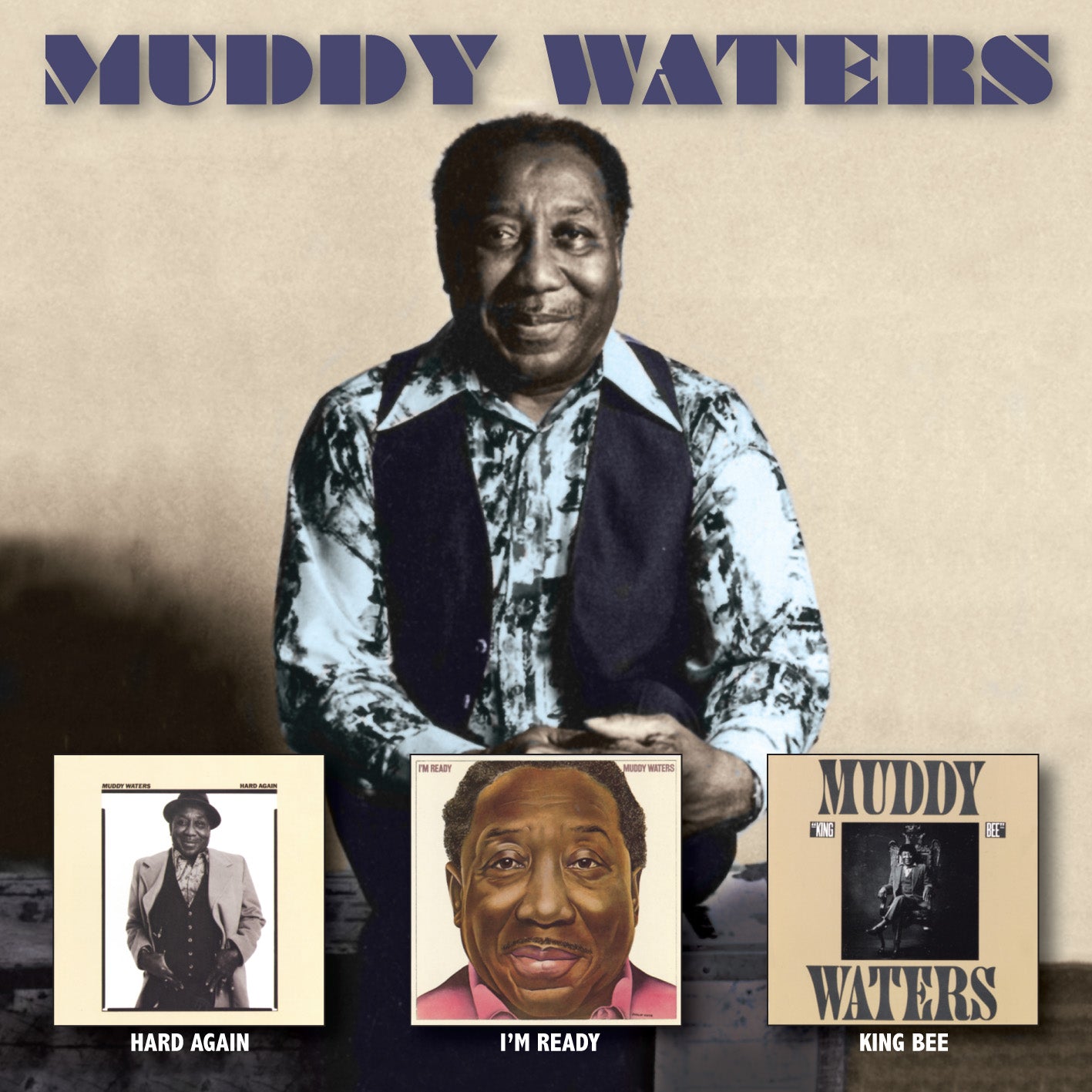
Muddy Waters. Hard Again/I’m Ready/King Bee

It’s hard to dispute that Muddy Waters was the king of Chicago blues, that raw electrified sound which reverberated from the windy city in the 1950s, in the main, courtesy of Chess Records. Some might argue that Howling Wolf was rawer and more powerful but it was Waters who benefited most from this reputation in the 60s, his 1958 UK tour was credited with influencing the following decade’s blues boom via the likes of Alexis Korner and Cyril Davies, the guys who just about kick-started The Rolling Stones and many others.

By the mid 70s Waters’ career had somewhat petered out. He was still hailed as a pioneer and appeared on The Band’s Last Waltz concert and film but Chess Records had gone and he and his surviving peers were considered to be venerable relics. However help was at hand in the shape of Texan guitarist Johnny Winter who produced Waters’ final three albums, Hard Again, I’m Ready and King Bee. These albums, in particular Hard Again, were hugely acclaimed with the first two winning Grammys and critics were falling over themselves  describing the albums as equal to the best of Waters’ 1950s recordings.

This triple disc set contains all three albums and is essential listening for anyone with an ear for classic Chicago blues. Waters sounds rejuvenated throughout and Winter, along with his production duties, provides scintillating guitar. Unlike John Lee Hooker who also ended his career on a high note, Waters doesn’t depend on star guests to add allure, over the three albums he is backed by many of his stalwarts from the 50s including James Cotton and Pinetop Perkins. In addition, he isn’t content to rest on his laurels as, aside from perennials such as Mannish Boy, I’m Ready and Hoochie Coochie Man, much of the material is new while still steeped in the raw Chicago sound with a boastful and highly charged Waters still on the prowl. Check out Deep Down In Florida and hear a master at work.

Available for a bargain price from Floating World Records the only quibble about this release is that it doesn’t contain the live album Muddy “Mississippi” Waters – Live which was recorded on the 1977 tour to promote Hard Again. It’s the fourth part of this series of albums which ensured that Waters went out with a bang and not a whimper.

Buy it here

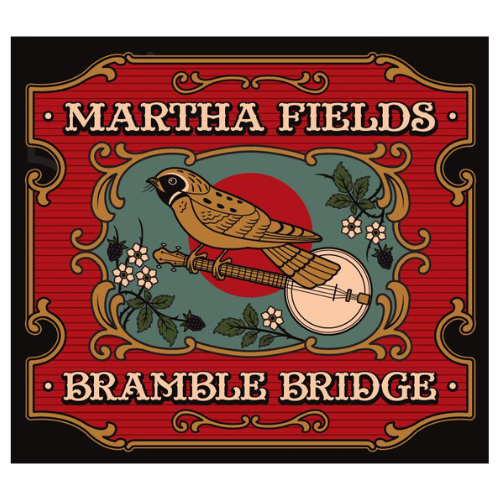
Martha Fields. Bramble Bridge

Once again proving that Americana is a state of mind and not a geographical concern, Martha Fields delivers another excellent album of songs infused with southern rock, bluegrass and Appalachian folk, recorded in France with her all French band, on Bramble Bridge.

Blabber’n’Smoke has previously referred to Fields’ cohorts as her version of Emmylou Harris’ Hot Band and we still have vivid memories of the incendiary shows they delivered when they toured the UK several years ago. Fields herself first came to attention calling herself “Texas Martha,” offering a twang fuelled honky tonk sound on her debut release while on later albums she delved more into her other Southern roots, the songs more swampy and rural.  The album title here refers to a small bridge in Wayne County, West Virginia, recalled from her childhood, but it also alludes to the numerous metaphorical bridges she has crossed to get to where she is today.

As to where she is today, the answer is, no pun intended, at the top of her field. Bramble Bridge is an excellent album which channels classic country rock as she delivers a solid set of songs, her gutsy voice well to the fore as the band wheel and deal in a variety of manners. One listen to the central song here, Are You Ready For The Country, a song which belts along like a freight train driven by Merle Haggard with The Nitty Gritty Dirt Band as the engineers stoking the fire should be enough to entice even the most jaded listener (and a shout out here to harmonica player Christophe Depeu who is quite the wizard here).

There’s more than a shade of autobiography on Are You Ready For The Country and this is maintained on The Country Roads Of France, a jaunty fiddle laced number which is a road diary of sorts while the bluegrass infused Biscay Bay finds Fields in her most contented mood as she wriggles her toes in the sand on an idyllic Spanish beach, looking across the ocean towards her homeland. She just about sums up her journey on the fleet footed bluegrass inflected opening song All I Know and the muscular Southern soul groove of Party Marty brings her bang up to date as Fields and her band collectively let their hair down as she sings “Is she Texan or Okie hillbilly?, Marty and the boys are going to rock the joint tonight,” which they then proceed to do on a song which is sure to be a live favourite.

It’s a measure of ingrained attitudes that one expresses surprise that a bunch of French musicians can sound so good. So apologies and kudos to Fields’ band – Manu Bertrand (dobro, banjo, lap steel, resonator, mandolin, pedal steel), Urbain Lambert (electric guitar), Olivier Leclerc (violin), Serge Samyn (double bass) and Denis Bielsa (drums) – whether dripping into the amalgam of Southern rock and rustic back porch on Irene’s Mountain Railway or adding a ghostlike neon sheen to Roseabelle’s Ghost, these guys are the real deal.

Above all else, Fields commands attention throughout on what is her most fully realised album to date. Her voice, her songs and her presence resonate throughout and she brings the album to a close on a grand note with an emotionally weighted cover of Wayfaring Stranger, sung as if she were staring into the jaws of hell.

We might be out of the EU but buying a copy of Bramble Bridge might just be the first step in re-establishing relationships, building bridges if you like. If that goes belly up, at least you’ll have an album to savour. Hopefully Martha and her band can find an inflatable sometime soon and cross the channel to amaze us once again.

Website

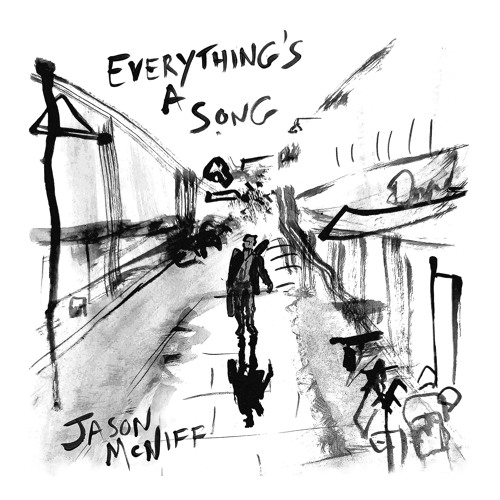
Jason McNiff. Everything’s A Song. Tombola Records

Blabber’n’Smoke has an undying regard for Jason McNiff, the Hastings based troubadour who combines his sublime guitar skills with acute song writing, talents which remain in evidence on his ninth release,  Everything’s A Song. McNiff is firmly based in that troubadour tradition which includes artists as varied as Bert Jansch, Leonard Cohen, Jacques Brel and Townes Van Zandt and is as spellbinding whether playing solo or fronting a band arrangement.

Everything’s A Song features McNiff playing guitars and Hammond organ, backed by the album’s producer, Matt Armstrong, on bass and drums with Richard Moore adding some very evocative violin to several of the songs. Much of the album cleaves to a romantic ideal, be it the childhood fantasy of running away with the circus or McNiff reimagining The Thames as akin to Mark Twain’s Mississippi but at its heart is the notion that any experience can be expressed in a song.

The album is bookended by two songs whose titles explicitly refer to this notion. Song Of Everything opens the album with a short frill of acoustic guitar before McNiff delivers a series of short vignettes which are both mysterious and darkly foreboding. The refrain, “This is my song of everything that the heart can take and the soul can sing…turn the page of wonder” finds McNiff as a sort of Greek chorus commenting on the tales. The closing title number (co-written with Gibraltar songwriter Gabriel Moreno) is a more jaunty affair with a full band arrangement (including mid 60s Dylan like organ) with McNiff waxing quite excellently, almost like Orwell at his most bucolic, on the inspirations gathered from nights in the pub, cricket on the lawn and fleeting moments of romance as he sings “In the night you see, a winking melody.”

In between, McNiff is on excellent form on songs such as Run Away With The Circus, a song draped in regret which rivals the work of Richard Thompson, McNiff’s guitar playing the icing on the cake here. My Mississippi flows quite sweetly, a Thames river travelogue delivered with starry eyes, while True Love, Freedom finds Mcniff playing solo, a showcase for his finger picking skills on an unconventional murder ballad. On another murderous note there’s the spritely Chef Song which is enlivened by the fiddle playing of Moore, adding a piratical touch to the song which is a grand salty tale of high seas derring-do, it’s followed by an instrumental, Wedding Dance, a wonderfully realised lop sided waltz with Moore’s fiddle again providing the pivotal colour.

It’s fitting that Mcniff, with his roots in 1960s folk rock and blues, should consider a protest song fit to be included here and so it is as he weighs into a Italian partisan song, Bella Ciao. Originally sung by downtrodden peasants in the 19th Century, it became a rallying call against fascism and his powerful delivery is quite apposite these days while one gets the impression that the late Leonard Cohen would surely approve of it. Appearing midway through the album’s track list, it’s a fulcrum of sorts, pinning Mciff’s belief that there’s a song in everything, including the direst of times. Overall, Everything’s A Song is an album which allows one to consider that McNiff is surely a hidden treasure, ripe for discovery.

Website

Blue Rose Code. Bright Circumstance. Ronachan Songs.

Four years and a pandemic later, Ross Wilson returns with his latest iteration of Blue Rose Code on Bright Circumstance, an album which surely should cement his standing as one of the foremost (and most passionate) songwriters performing these days. The album builds on the succinctness of its predecessor, With Healings Of The Deepest Kind, itself a sterling effort, and touchstones, especially Van Morrison, are still in motion but Wilson has not rested on his laurels as Bright Circumstance positively brims with emotion, exuberance, anger and loss on a set of spectacular songs.

Jericho opens the disc with a hi-energy jolt which seems to have been beamed in from Stax Records, the horns riffing as Wilson channels his inner Otis Redding and his testifying is ably assisted on vocals by Naomi Stirrat. It’s a short, sharp and joyous shout out to love and mercy. This exuberance is maintained on the later Never Know Why, another song which finds the horn section blowing freely, this time over a jazz like rhythm as Ross celebrates life in all its small absurdities. Easy As We Go drops the horns while adding Donald Shaw’s accordion and Conor Smith’s pedal steel to the mix. As the title says, it’s an easygoing and very enjoyable ramble suffused with optimism allied to the annual rebirth of spring. The mandolin and pedal steel solos which close the song bring it dangerously close to Americana territory. The horns are back in full force for Wilson’s forceful rendition of Amazing Grace, a somewhat surprising addition to the album given that Wilson is not prone to covering songs on his albums. Here it’s given a full throated gospel soul rendition with church organ and massed voices (courtesy of a multi tracked Eddi Reader) and it’s tempting to consider that Wilson had Van Morrison’s Caledonia Soul Orchestra in mind (and the live album It’s To Late To Stop Now) in mind when he recorded this given the dynamism and interaction of his vocals with the horns.

The yin to the more joyous yang here is a brace of songs which find Wilson in darker territory, albeit with his characteristic sense of humanity. Sadie is a bittersweet ballad, sweetened especially by Smith’s pedal steel playing, which delves into addiction while Peace In Your Heart, apparently written as we emerged from the pandemic, is the latest of Wilson’s most naked pleas, following in the footsteps of Pokesdown Waltz and Grateful, songs which can pierce straight to the heart. Thirteen Years meanwhile is a strong diatribe against our current government, the lyrics direct and buttressed by a quite magisterial performance which is cloaked in a Celtic folk rock miasma, all the better to damn those down south.

The album closes on a personal note as Wilson pays tribute to a close friend who died as the album was recorded with Now The Big Man Has Gone On. It’s typical of him to imbue as much passion into this very personal message as he does when railing against injustice or hymning the simple joys of life. The album title, Wilson explains, “Comes from a moment in meditation when the kalyana-mitta talked about being aware of now, of being present, of ‘this bright circumstance’….it’s about joie de vivre, it’s about trials and travails, it’s about the gamut of experience, one day at a time, this Bright Circumstance”. Anyone who has seen Blue Rose Code live will know that each gig finds Wilson living that moment and giving it his all and on this album much of that energy and passion is captured in the grooves.

Website

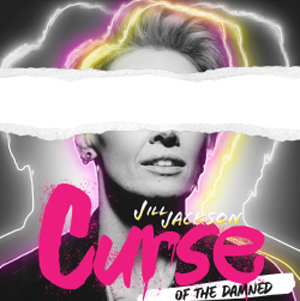
Jill Jackson Curse Of The Damned

After delving into the hinterlands of Americana and her personal memories on her two previous albums, Are We There Yet and Yours Aye, Jill Jackson returns with an album which is much brasher and, at times, poppier, than its predecessors. As she says of herself, she’s been considered “too Country for Pop or too Pop for Country. I’ve never fit the mould.” On Curse Of The Damned Jackson simply breaks out of that mould as she ranges from the pummelling rock of Knock Next Door to the mid sixties Nashville themed regret which is portrayed in the excellent Avalanche.

The album opens with the title track, a glossy song with a radio friendly chorus which doesn’t hint at the subject matter which is the cost of living with ADHD. Several of the songs on the album allude to mental health and wellness -and Jackson is quite open about her struggles – but here she rises above them on a storming song which features Ron Block (of Alison Krauss fame) on banjo. Standing At The Edge is another song begging to played on radio, a dramatic ballad with Jackson’s voice quite intense as she sings about a toxic relationship while Wake Me Up is a  jaunty, almost rockabilly roustabout with Jackson tackling those nightmare dreams we all have sometimes.

For this reviewer it’s the more stripped back numbers which stand out. The plaintive piano and pedal steel layered lament of Misunderstood is a mature reflection on overcoming obstacles and Back When I Was Wilder finds Jackson looking back on her pop stardom days armed with her present day wisdom. She sings this over some lovely pedal steel, piano and strummed guitar which add a resigned country rock air to the song. The closing song, Kaleidoscope, has a gospel like structure with Jackson’s voice multitracked in the opening refrain on a song which we reckon is destined to be an audience favourite.

We should mention also Jackson’s Lonesome Lament, a song dedicated to the late Rab Noakes with its glistening guitar and lonesome harmonica (played by Fraser Spiers). It’s a wonderful send off to a man who had struck up a fruitful partnership with Jackson over the years and it’s echoed in Jackson’s liner notes where she pays tribute to Rab.

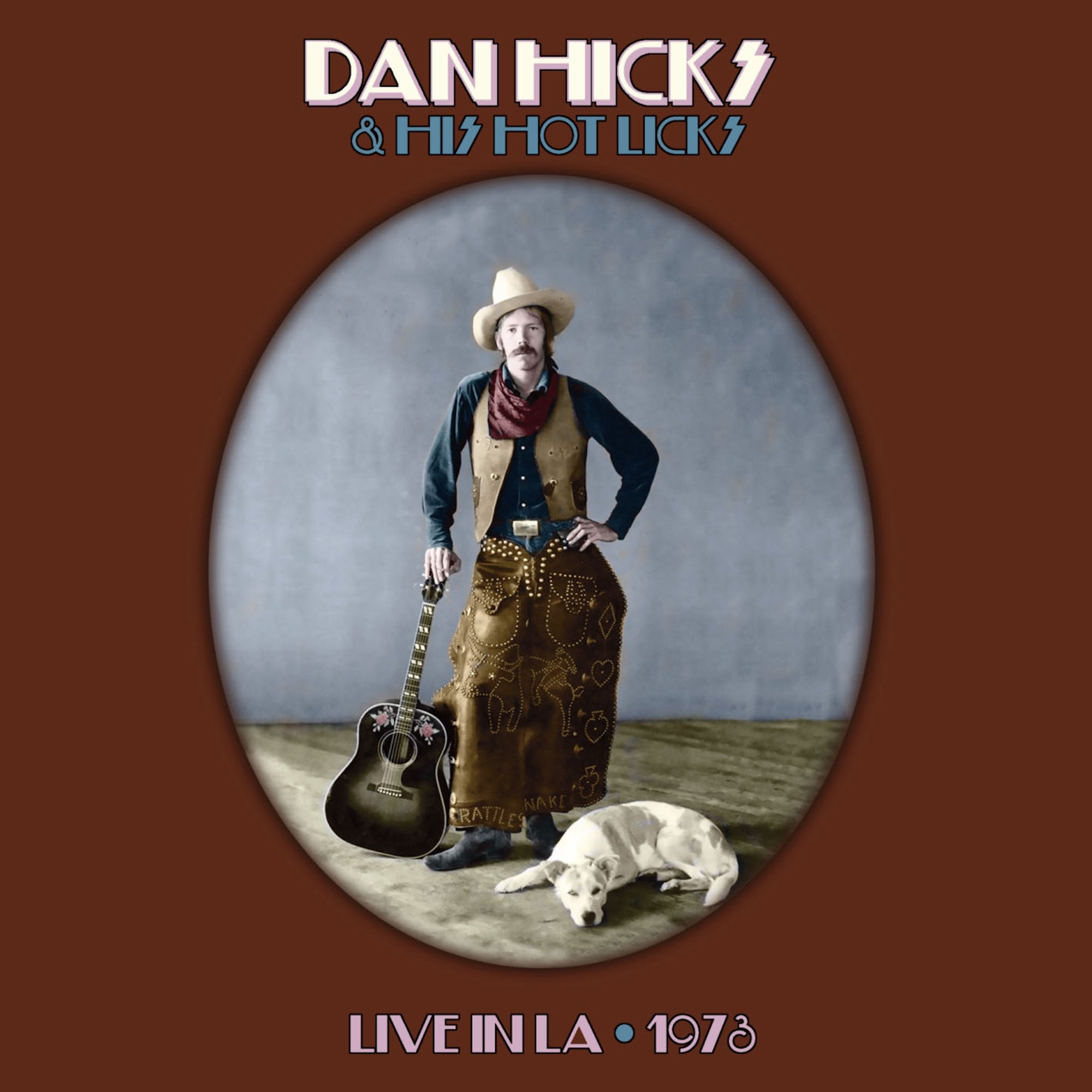
Dan Hicks & His Hot Licks. Live in LA 1973. Floating World Records

Fans of the late Dan Hicks‘ unique take on swing music will surely approve of this latest offering from Floating World Records. Although billed as a live show from 1973, the disc actually comprises of eight songs recorded for a radio broadcast in 1973 along with a further nine recorded in 2009, again for a radio broadcast. While the early songs are all a hoot it’s the latter set which is the icing on the cake here, portraying Hicks a little longer in the tooth perhaps, his voice older but still swell and with his sense of humour fully intact. In fact, much of the joy to be had here is in Hicks’ between song banter which is cool, hip and quite hilarious.

It’s the original Hot licks (and Lickettes) on the earlier recordings – Hicks on guitar and vocals, “Symphony” Sid Page on violin, John Girton guitar and Jaime Leopold on bass along with the excellent Naomi Ruth Eisenberg and Maryann Price on vocals- essentially the band who recorded the classic albums Where’s The Money and Striking It Rich. They’re on top form here and none of the songs featured on this disc appeared on the live Where’s The Money album so there’s no repetition here. They kick off with Evenin’ Breeze with Hicks and The Licks getting into Django Reinhardt and Stephane Grappelli territory musically while vocally he and The Lickettes come across like jazz singing cowboys (and cowgals). The vocal interplay on the groovy Walkin’ One And Only is a joy to listen to and the ever perennial How Can I Miss You When You Won’t Go Away is, as always, quite magnificent. Above all, one is impressed by Hicks casting off of any psychedelic dues as he and the band swing through a set of songs which wouldn’t have sounded out of place on a 1940’s radio show although they are all filtered through his very hip sensibility.

The 2009 set is, if anything, even better. Hicks had revived the Hot Licks band name and was touring to promote his latest album Tangled Tales with several songs from that album featured here. Still ploughing his old time swing folk with a flourish, Hicks sounds older but his wisecracks and introductions are as sharp as ever (when an audience member shouts out “We love you,” Hicks is straight back with “Thanks Mom.”) and the band (Richard Chon violin, Dave Bell guitar, Paul Smith bass with Roberta Donnay and Daria on vocals) are more than a match for the original combo. The Blues My Naughty Baby Gave To Me opens the set with Hicks scatting away before launching into a fairly audacious take on Horace Silver’s jazz classic Song For My Father, given here a slight Caribbean slant which would surely have Ry Cooder gnashing his teeth that he hadn’t thought of doing this first. A scintillating delivery of ‘Long Come A Viper is introduced deadpan with Hicks saying “Here’s a tune called ‘Long Come A Viper, it’s a good little story tune about a viper which comes along so I called it ‘Long Come A Viper, it was somewhat of a natural conclusion.”  There’s a whole lot of scatting on Tangled Tales while The Diplomat shows that Hicks could be topical while mining old time musical tropes. The set closes with Hicks saying that his last song Who Are You is “Folk swing at it’s best” and, by golly, he’s right.

Website

We haven’t got a clip from the album to play so here’s some vintage video which conveys some of The Hot Licks’ fun and adventure…

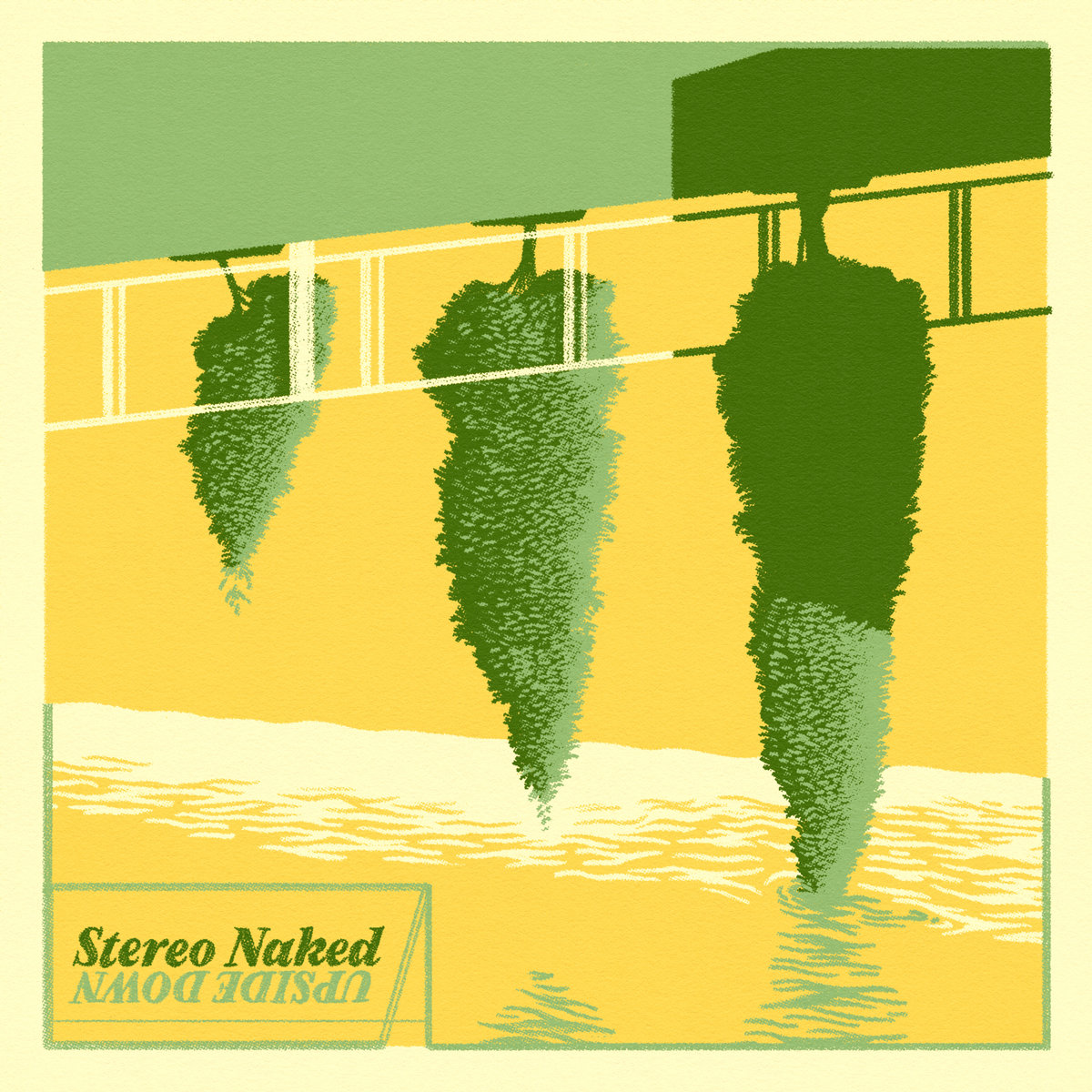
Stereo Naked. Upside Down.

This entertaining and, at times, beguiling, bluegrass duo unveiled Upside Down, their latest album, at a celebrated Celtic Connections show back in January. That’s been more than enough time for this reviewer to get to know the album so here’s our thoughts on what is, in essence, quite a delightful listen.

Composed of Julia Zech on banjo and vocals and Pierce Black, double bass and vocals, the pair are joined by another duo, Rain Of Animals’ Pepita Emmerichs and Theodore Barnard (both bands have shared the stage on their recent tours) who add their voices, mandolin, violin and guitar to the overall mix.

We mentioned bluegrass earlier and it was via the bluegrass scene in Cologne (yes, there’s a bluegrass scene in Cologne) that Zech and Pierce met (she’s a native Cologner and he’s from New Zealand – a situation reflected in the album’s antipodean title) but the band are not so much your back porch exponents, fitting more neatly in a “newgrass” style while their lyrics can be whimsical, quizzical or just downright strange. This is best exemplified on Concrete Mountain, an odd conjunction of jazzy guitar notes, pizzicato fiddles and massed voices which seems to be a nod to ecological awareness but which also contains a lyrical reference to the Circle Jerks song When The Shit Hits The Fan which featured on the Repo Man soundtrack.

They open with a much airier number, Labour Of Love with Black’s pulsating bass prominent until Emmerichs’ fiddle appears. The harmonies are spot on as the song soars to its end. More down home is Square One as the fiddle and banjo saw away while Blue Light Antics is the most traditional sounding number as Black delivers this fleet footed tale of getting pulled over by the law. Zech takes lead vocals on Old Flame, a portrait of a doomed relationship although, later on, she’s also the lead on the wonderfully bustling Hold On To Your Love which is a tad more optimistic while allowing the band the best opportunity to flex their musical muscles on a brief instrumental break which is quite thrilling.

The album ends on a high note with Sun And Moon, a farewell song of sorts, an Auf Wierdersehen to be precise. As it huffs and wheezes its way one is reminded of The Incredible String Band as Black and Zech join together on a song which celebrates togetherness no matter how long we are parted. They may be idiosyncratic but Stereo Naked deliver some wonderful moments on the songs here.

Website

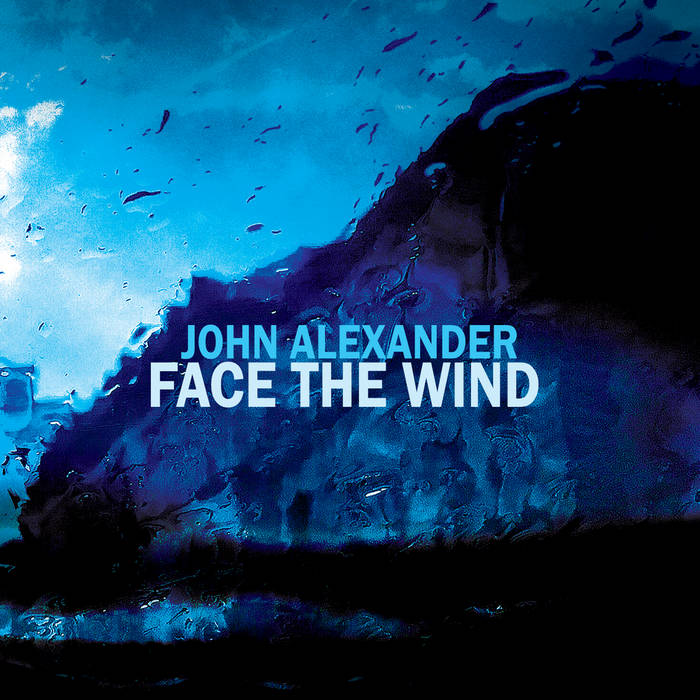
John Alexander. Face The Wind

For all the acclaim we accord (and rightly so) to American musicians who mine the rich loam of the south, the tales and traditions, the history, sound and even feel of the muddy Mississippi and the swamplands, it’s gratifying to hear a home grown musician burrowing into those self same tales with grit and determination along with a real sense of authenticity. And so it is that John Alexander’s latest album, Face The Wind, deserves to be considered alongside albums by the likes of Rodney Crowell, Ray Wylie Hubbard along with Robbie Robertson’s first solo outing.

Face The Wind is replete with an ominous darkness, danger lurking around every corner. Alexander’s voice is redolent of doomsayers, weighed with gravity for the most part as he prowls through the songs accompanied by some superb guitar picking, be it acoustic flurries or evil sounding electric slide. The album opens on a relatively mellow note with Bullets In The Rain, a gorgeous song which ripples with regret just as the guitars ripple and twist throughout. It’s a folk like song, somewhat akin to a mix of Townes Van Zandt and Lowell George with Alexander’s voice perfectly complemented by the vocal harmonies from Iona MacDonald (of Doghouse Roses). MacDonald appears again on the eerie frostbitten Living To Stay Alive and on the rough hewn country rock rumble of White Noise.

Throughout the album Alexander digs deep into dark Americana vibes. One can see why several of his songs have been grabbed up by several television series looking to add atmosphere and mood to their offerings. A perfect example is to heard on Don’t Start A War, an apocalyptic number with ominous percussion and flailing guitars. Even more ominous is the slow creep of Blood In The Water but amidst this doom and gloom Alexander, while not exactly lightening the mood, moves on from his Neil Young like sojourn in the ditch to provide several songs which are more supple. Face The Wind recalls the early days of John Martyn while Fault And Blame is a finger licking and finger picking dark country blues song. The album ends with the delightful This Side Of The Glass, an almost upbeat number despite its wonderfully wearied delivery. It’s a song which, probably for the first time, reminds one simultaneously of Kris Kristofferson, Gerry Rafferty and Ronnie Lane.

Website