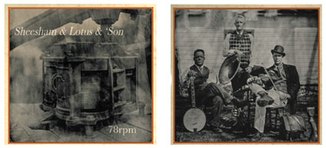
Regular visitors to Blabber’n’Smoke will know that we’re partial to old timey sounding American music, a habit we’d date back to first hearing The Nitty Gritty Dirt Band’s album, Uncle Charlie & His Dog Teddy, which had a scratchy rendition of Chicken Reel on it (40 years on and any album with a chicken scratch rhythm on it gets automatic approval here). Anyway, while the reissue industry has made much of the genuine article available, over the years we’ve been privileged to have heard and seen several bands who seem to breathe the same air as The Carter Family, The Skillet Lickers, Uncle Dave Macon and Bascon Lamar Lunsford, all of them entertaining and often leading to frenzied Googling in order to hear the originals. Imagine the frisson then when the latest from Canadian trio, Sheesham & Lotus & ‘Son dropped in the post; a trio well versed (one could say immersed) in this very music, they’ve not only produced another fine collection of sepia stained rag time, blues and country, they’ve gone the whole hog and recorded their songs direct to 78rpm lacquer.
The project has come about via the auspices of Tyneside based Lathe Revival, an organisation dedicated to vintage recording techniques and in possession of a 1937 Presto recording lathe, the self same machine that was lugged about by Alan Lomax for his field recordings. In the summer of 2015 the band travelled to Skegness (yes, a wee bit away from Appalachia although I’ve heard tell it’s bracing) for seven days of recording, all captured by this steampunk technology with each song singly carved into lacquer as it happened. Unfortunately the logistics of offering a 21 disc collection of the songs is somewhat beyond their reach but this CD is an accurate representation of what went down and stands up as a very fine listen.
The trio, banjo, parping horns, fiddle and hollering voices, are delivered faithfully as if they were in a hot and dusty hotel room back in the thirties. The sound is thick, sometimes muddied, the limitations of the recording process apparent (the last tune, Up The Wooden Hills, suffering the most and probably only there as the CD process allowed an extra number). However the majority of the songs transcend (or benefit from) the patina bestowed upon them from the opening jollity of Down In Your Pockets to the rousing 1929 and the vaudevillity of Sister Maude Mule. The mannered grandeur of All Dressed Waltz is evocative to the nth degree, stately but slightly infirm it could have been the backbone of any number of “authentic” Western movies from McCabe and Mrs. Miller to Cold Mountain. The album is a somewhat audacious concept but for fans of the band and aficionados of old time Americana I’d suggest that this is essential listening.
For more information on the Lathe Revival see here
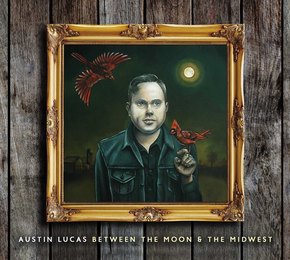
After the country rock rumble of Stay RestlessAustin Lucas has stumbled further down that path to come up with the glistening jewel that is Between The Moon and The Midwest. I say glistening but shimmering would do just as well as there are moments here when the music does just that, it shimmers. Sure enough it’s laden with pedal steel and ringing telecasters, the ghost of George Jones is in the mix and there are some glorious duets with Lydia Loveless but Lucas, in tandem with Glossary’s Joey Kneiser has swathed the album in a sixties like sheen. Elements of Gram Parsons’ Cosmic American Music, Glen Campbell and Jimmy Webb’s Wichita Lineman and even Brian Wilson’s teenage symphonies are all recalled while there’s a nod to the more recent metaphysical musings of Sturgill Simpson. There’s even, if you dig into the lyrics, a concept of sorts, several characters appearing in several of the songs.
The album opens with a welter of sounds as if the band were tuning up like an orchestra before Unbroken Hearts hits its sweet country stride. Riding the range here like Waylon Jennings, Lucas lays his cards on the table from the start singing, “I’ve been told to walk away nearly every time I make an album. I hear there’s no good men left, everyone in Nashville’s deaf, sad songs are a thing of the past.” Thankfully over the ten songs here he proves conclusively that those deaf guys are in the wrong. Unbroken Hearts itself proves the point, its muscular Jennings chug leavened by some gliding pedal steel and chiming guitar especially at the end of the song as they spiral away. Lucas digs into the muscle and sinews of country rock throughout the album. Ain’t We Free rips away like Doug Sahm rocking the Armadillo back in the seventies, the curling guitars going apeshit while The Flame is introduced with a tremendous thick stringed grungy guitar strum that propels the song into a cosmic honky tonk heaven with a stinging pedal steel solo that recalls the fuzz fuelled efforts of Buddy Cage and Sneaky Pete back in the days. Wrong Side Of The Dream ripples along like The Burritos backing Gram and Emmylou with Lydia Loveless trading lines with Lucas in fine fashion before Lucas dips into George Jones territory for the piano led tear stained heartache of Pray For Rain.
An album composed of the above would already be well worth listening to but Lucas and Kneiser up the ante with a brace of songs that, as we said above, positively shimmer. Next To You is at heart a country ballad but it’s dressed up in a sumptuous confection of guitar and pedal steel that is like a heat haze conjuring up Dave Crosby and Israel Nash’s psychedelic country visions. Call The Doctor is like Jackson Browne or the Eagles on speed, the band whipping up a frenzied beat like a Koyaanisqatsi fast motion version of California freeway driving as Lucas thrashes around envisioning his own death. Death and dying are writ large on the closing song, Midnight (the album was recorded as Lucas was recovering from a period of depression) and here he just excels. A return to the mix of Parsons’ cosmic aspirations and old fashioned country writing that opened the album, here Lucas sounds like Willie Nelson sleepwalking with Santos and Johnny over a fluorescent nightscape, Steve Daly’s pedal steel lighting the way. It’s impossible really to convey just how good this song is, you really need to hear it. Aside from the perfect delivery the lyrics are somewhat amazing as Lucas sings
Let the devil have his horns and heathen souls. Midnight, I’m too young to feel this old. Only two ways this can end, I’ve got to die or find Jesus, don’t know which one is worse. I might die cursed, at least it’s an end And if I’m born again I’ll live with a hole where my heart should have been.
If you’re somewhat restless waiting for that next Sturgill Simpson album to drop then grab this, it will not only tide you over, it might even be better.
The album’s released on 19th February and Lucas is playing some UK dates to tie in with that. Dates here
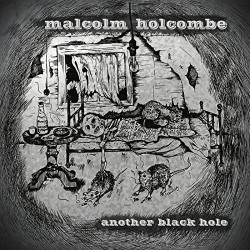
Hot on the heels of last year’s The RCA Sessions where Holcombe re recorded some of his lengthy back catalogue Another Black Hole is a very fine collection of ten new songs guaranteed to satisfy fans old and new. Holcombe certainly seems to be of the opinion that “it it ain’t broke, don’t fix it,” so there’s a familiarity to many of the songs here. Country and folk blues tunes, eminently foot tappable with his guitar picking to the fore, his voice still gruff and rough, gnarling the words, chewing them up and spitting them out. Of course the words are masterful; he’s an excellent story teller, able to open up worlds in the manner of Guy Clark and John Prine, vivid images and characters populating the songs.
Recorded in Nashville with his regular studio band, Jared Tyler (guitar, mandolin, banjo, dobro), David Roe (bass) and Ken Coomer (drums) Holcombe does add some new meat to the stew in the shape of the legendary Tony Joe White who adds some stinging guitar to several of the songs while additional percussion is handled by “Futureman,” AKA Roy Wooten. Drea Merritt adds her voice to several of the selections, her vocals on Papermill Man recalling Merry Clayton on Gimme Shelter. Together they can whip up a fine storm as on the swampy Papermill Man and the muscular title song where White is particularly impressive on guitar, his slide snaking throughout the song over the robust acoustic picking. They’re equally able to sit back and let the song ride out, nimbly picking the melody on To Get By or allowing Holcombe the spotlight on the spare September, a sombre bowed double bass the only accompaniment to his guitar playing and voice.
Be it a snarling blues tune or a sunny folk like lilt Holcombe’s word’s light up the songs. He mentions McMurtry and Cormac, presumably Larry and McCarthy respectively, in his lyrics and there are arresting lines in all of the songs here. He spits out the words, “fuckin’ damn frackin’ and backroom stabbin’ knocks me down on my knees” on Don’t Play Around while on Another Black Hole he sings, “the past has a smell and a one way ticket to leave you standing still.” Leavin’ Anna opens with the fine couplet “The Florida sunshine baked my bones All my life I been cold. Bronchitis, Winston cigarettes, I layed in bed alone.”
So, another excellent collection and the good news is that Holcombe is touring the UK and Ireland in May to promote the album with a Glasgow show included. All dates are here.
Our last blast from this year’s Celtic Connections.
Blabber’n’Smoke is happy to stand on anyone’s coffee table in our scuffed boots to proclaim that Ross Wilson, AKA Blue Rose Code, is one of the most exciting acts to have emerged from the Scottish diaspora in the past few years. He simply is the best writer and performer about; having seen him in several guises (solo, small band, big band) he is a mesmerising performer while his songs are a continuation of all that was good about such luminaries as Van Morrison, John Martyn and Jackie Leven. Committed as we were to reviewing some Celtic Connection shows for Americana UK including this one we’re grateful to David Ferguson who sent us his review of what was a tremendous night.
Blue Rose Code is the pseudonym of singer-songwriter, Ross Wilson, a native of Edinburgh and currently based in Bournemouth. 2015 was a particularly notable year for Blue Rose Code, including as it did a SAY Award nomination (Scottish Album of the Year) for The Ballads Of Peckham Rye, a series of successful tours, a number of sparkling performances on radio and television, lavish praise from celebrated broadcasters Ricky Ross, Roddy Hart and Edith Bowman, recognition from Ross Wilson’s beloved Hibernian Football Club and the acquisition of a celebrity fan in Ewan McGregor. The start of 2016 saw yet another ‘first’ for Blue Rose Code, in the shape of his first-ever headline gig at Celtic Connections, on 29th January in the elegant Mitchell Theatre. This special event had been arranged to enable Blue Rose Code to preview his forthcoming third album, …And Lo! The Bird Is On The Wing and to give fans the only opportunity to buy copies of the eagerly-awaited album prior to its general release in March.
Ross Wilson’s versatility is such that he is equally at home performing intimate solo gigs, as a trio or with a small band but, with up to eleven musicians on stage at any one time, this special gig was most definitely a case of “Blue Rose Code – max”. The line-up varied throughout the show, according to the arrangements and dynamics of each song. Ross Wilson revelled in the role of band leader, bringing the best out of the accompanying musicians and drawing great inspiration from them in return.
Ross’s customary beard was reduced, on this occasion, to a rather splendid pair of mutton-chop sideburns, all the better for the audience to witness his ever-widening smile as they roared their appreciation at the end of every single song. There was a richness and variety to the ten songs which make up the new album, yet they fitted together beautifully as a coherent whole. The set opened with an abridged version of the awe-inspiring gospel song, Grateful, featuring a quietly impassioned vocal from Ross Wilson, embellished by Angus Lyon’s elegant piano and feathery counterpoint vocals from Eliza Wren Payne. The majestic My Heart, The Sun featured pulsating rhythms, smoothly rippling trumpet and an anthemic chorus. The carefree swagger of Rebecca, a gentle country blues, gave way to one of the most achingly beautiful, tender and gracious break-up songs you will ever hear in Pokesdown Waltz, whose gently-whispered closing line surely brought a tear to the eye of most everyone in the room (”…the only regret that presides is that I do wish I’d kissed you goodbye…”). Ross Wilson then quipped that the next song, Glasgow Rain, would bring an end to “divorce corner” for the evening! This song was cinematic in scope, bringing a deeply soulful vocal from Ross (“…the rain fell like dominoes along Great Western Road….”) and a masterclass in cool and sweet jazz from the formidable combined talents of Colin Steele (trumpet), Nico Bruce (double bass), John Lowrie (drums) and Angus Lyon (piano).
In The Morning, Parts 1 and 2 was an extended tour de force, which started with the breezy country soul of part one and segued dreamily into the mesmerising ebb and flow of part two. The fragile beauty of Love, a perennial fans’ favourite which has finally made it onto an album, was notable for Ross’s ethereal vocal and delicate washes of cello, violin and trumpet. The free-flowing Favourite Boy was performed solo by Ross, with the rhythms provided by playful piano chords and foot-taps. In The Morning, Part 3 saw Ross’s vocals build gradually from pastoral lilt to passionate exhortation and featured an exquisite violin solo from Lauren MacColl and stunning ensemble playing from the full “caledonian soul orchestra”. At various points in the show, added musical textures and colours were provided by Graham Coe’s expressive cello and Signy Jakobsdottir’s bewildering array of percussion instruments and effects.
The main set came full circle to finish with an extended and intensified take on Grateful, with uplifting gospel choruses courtesy of Eliza Wren Payne and Emily Kelly, quicksilver blues guitar licks from “Wild” Lyle Watt and a series of beautifully-constructed and increasingly fiery trumpet solos from Colin Steele. There was still time to run through a couple of older favourites, including Edina, Ross Wilson’s affectionate and bittersweet tribute to his native city, which included another gorgeous violin solo. Sandaig was a quietly stirring and poetic evocation of the landscapes enjoyed by Ross during a memorable weekend spent in the Knoydart peninsula. As a final treat, and as this gig coincided with the seventh anniversary of John Martyn’s death, Ross Wilson paid a touching tribute to one of his musical heroes with a beautifully-judged cover of Fine Lines.
It was a sheer delight to hear the songs on the new Blue Rose Code album played in sequence, underlining the cohesion and uniform brilliance of this collection of songs. Having successfully come through several challenging periods in his life, Ross Wilson has attained a serenity which is reflected in the mellowness, elegance and grace of his songs and the warmth, assurance, charisma and inspiration which characterise his live performances. Ross Wilson’s instantly-recognisable brand of Caledonian Soul has reached a new level with this outstanding third album, which promises to elevate him to his rightful place among the elite of British singer-songwriters.
It’s somewhat telling of the immense amount of talent that descends on Glasgow for Celtic Connections that tonight’s show featured a full account of a 40 minute thematic song cycle from a “pop star” as the support feature. Sarah Hayes, best known for her work with indie band Admiral Fallow, is a classically trained musician and well regarded in folk circles. Her piece, Woven, was originally commissioned for Celtic Connections’ New Voices series in 2014 with Hayes releasing a CD of the work in late 2015, tonight essentially it’s its second debut if you will. With Hayes on keyboard and flute accompanied by fiddle, accordion, guitar, double bass, drummer and percussionist, she explained to the audience that they would perform the piece without a break, the way she intended it to be heard.
What followed was an intriguing, at times hypnotic and always interesting blend of songs and airs cloaked in tradition, some old, some new, interwoven with instrumental passages and a recurring motif most often played by Holmes on keys and then echoed by one of other of the instrumentalists. Unfamiliar with the piece it was easy enough to sit back and luxuriate in the musicianship, enjoy Hayes’ voice as she harked into the traditional songbook and roll with the flow and eddies as the piece lurched from accordion led melodies to flute interludes and some powerful percussive moments. It was a bold move, at times recalling those tense moments at a classical concert when the audience is unsure whether to applaud and indeed some audience members did suffer premature applaudication as the piece moved from one movement to the next. Nevertheless, there was no sense that this was a wish for the piece to end, merely a lack of bearings within the overall scheme. Having had a chance since to listen to the album and read about Hayes’ theme, weaving family, history, her Northumbrian roots and the weaving industry into one, we would contend that this is a classic piece, one that will grow in stature and going by the number of discs flying from the merch table after the show that growth starts from now.
After a short break headliner Jenny Ritter and her band had it all to do, a sense acknowledged by Ritter (who had watched the Hayes set from the front stalls) saying that she thought she should be the support act. False modesty however as evinced by the sheer delights she and her compadres unleashed for the next hour or so. With a new disc under her belt, the magnificent Raised By Wolves, simultaneously glacial, chunky, folk and country, an album that is both confessional and steeped in the wilderness of British Columbia, she proved up to the task. With fellow Vancouverians Adam Iredale-Gray and Ryan Boeur on fiddle and guitar (both from Fish & Bird) and New Yorker Nate Sabat on double bass Ritter handled banjo and guitar as she took us on a tour of the album.
From the opening Museum Song it was clear that Ritter is a fine songsmith, the words poetic, her voice light as her banjo rippled through the melody. Effervescent throughout the show Ritter spoke briefly about her upbringing in a log cabin before singing the excellent Wolf Wife, a song she described as being about seeing the world through different eyes. It’s a song that takes the listener into Ritter’s world of wonder where “there are things I do in dreams I would never do in life.” Perfectly borne aloft by Iredale-Gray’s pizzicato fiddle playing and Bouer’s tender electric guitar caresses it flowed sweetly by. Ritter remained in her inner hinterland for You Are Also Them, a more down home fiddle led number where she sang, “If I am a light in the dark and I am a road through the hills…I also know how to kill,” bowed double bass adding to the woody sound here.
Reminiscent at times of fellow Canadian Joni Mitchell in her invocation of nature Ritter was more upbeat on the “spaghetti western” twang of Turn Your Thoughts and on a duet with Iredale-Gray, an old song from their days in The Gruffs, Sharing Smokes. She revisited her first album, Bright Mainland, for a song written about her early days in Vancouver, Five Nights, the words evocative of the loneliness one can feel despite being surrounded by people but the highlights of the night were two powerful performances of the closing songs on Raised By Wolves. Remember The Life crept along with a crepuscular feel, Ritter’s voice carried to the night stars as Bouer’s guitar added some sinister sparks. Lost and Found was even better, an epic opening guitar sweep leading into this elegiac number, Ritter sounding forlorn yet hopeful as she sang, “I’m slowly sifting through some old debris and I’m throwing out what’s troubling me.” As on the album the song ended with the vivid portrait of an old piano laid to rest, notes turned into firewood even as the performance was chilling in its delivery.
Ritter ended with a fine chunky folk rock delivery of Neil Young’s Heart Of Gold and returned to lead the audience on We Must Sing, her tribute to the power of song. All in all a great performance.
Bright As You Can, last year’s debut release from The Mike + Ruthy Band was described by Blabber’n’Smoke as a “full blown folk rock album,” somewhat akin to the sound of Fairport Convention in their mid seventies incarnation with Jerry Donahue on guitar. Mike Merenda and Ruthy Ungar certainly have a folky past with Pete Seeger being one of their champions but with a rock solid rhythm section (and horns on occasion), they certainly rocked on the album. Tonight’s Celtic Connection show was their first and sole appearance in the UK for the time being and it’s fair to say that they rocked the house.
Fiddle, acoustic guitar and banjos may have been front and centre but the powerful bass and drums (from Jacob Silver and Konrad Meissner respectively) was the bedrock here allowing Ungar in particular to showcase her excellent voice on a thrilling and seductive Golden Eye, described by Ungar as “country disco” and the first time I’ve ever considered banjo playing as “sexy,” Ungar wielding it low slung on her hip like an Appalachian rock star. Adding some bite and some country soothing was pedal steel player Rob Stein whose licks were somewhat superb removing the need for any Telecaster twang. An unexpected bonus was the scratch horn section called upon to replicate the brass boom of the album on several songs, a job they handled well especially as it turned out they were from local band The Amphetameanies and had scant rehearsal time with the Catskill New Yorkers. Their contribution to the soulful Rock On Little Jane was colossal, sheets of sound surrounding Ungar’s vocals which were impressive in their own right while the parps on Golden Eye were just perfect. Not to be outshone Merenda sang on a blistering take of What Are We Waiting For, a country rock soul bonanza.
Chasing Gold, sung by Mike, was a fine slice of chunky country rock, Ruthy’s amplified fiddle sawing through the beat and the song that most reminded one of Fairport Convention although their rendition of The Ghost Of Richard Manuel ran it a close second, the fiddle and pedal steel weaving wonderfully. There were rootsier moments, a sing-along on Simple and Sober and a fine lilting rendition of Ashoken Farewell (written by Ungar’s father for Ken Burns’ Civil War series and which she said paid her way through college). They covered Richard Thompson’s 1952 Vincent Black Lightning with some gusto and as an encore invited the horns and the support act back on stage for some infectious Louisiana laced gumbo. An excellent show.
Karrnnel Sawitsky is one half of the duo Fiddle & Banjo who released the excellent Tunes From The North Songs From The South album last year. He was the fiddle; banjo was Daniel Koulak who was also present tonight along with guitarist and fiddler Trent Freeman. The ebullient Sawitsky was a fine host taking time to introduce the songs and tunes which flowed freely from their fingertips.
Again there were Celtic Connections galore, Koulak living close to Selkirk in Manitoba. Jigs and reels and old time waltzes were the order of the day here including two portions of a “rodent suite” dedicated to the woodchuck and the groundhog from the North/South album. Again from the album The Old French Set had Sawitsky and Freeman adding percussive footstamping with the audience clapping along, Rubin and Sally In The Garden were hauntingly delivered and Freeman offered one of his tunes dedicated to his newborn niece. At times sounding like ghosts from the past, at others the best barn dance band you could want the trio were a powerful reminder of musical tradition and great entertainment.
Aside from being an excellent platform for a multitude of musicians to descend on Glasgow in the dark winter nights Celtic Connections has a reputation for commissioning or being a focal point for unique events; collaborations, celebrations, tributes, meetings of minds and songs. This year has seen the “Celtic” appropriation of Joni Mitchell’s Hejira and tribute is paid to the late Bert Jansch. The plight of Britain’s lost children is commemorated with The Ballads of Child Migration concert and Roaming Roots continues its multifaceted memories of songwriters and troubadours.
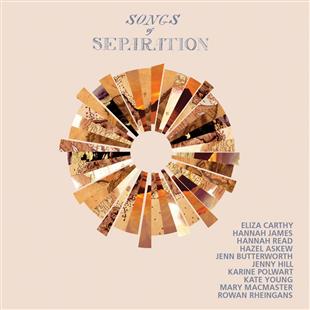
Today we’re paying attention to an album released in tandem with the Scottish premier of its live setting on Sunday 24th January at The Mitchell Theatre. Songs of Separation is a magnificent collaborative effort from ten of the UK’s leading female folk artists who gathered together on the Isle of Eigg in the Inner Hebrides last year. Separation was the theme and the stroke of genius was to offer it to a female cast as throughout history it has been women who have carried the burden of carrying on as children and men folk have left them, off to war, to sea, seeking fortune or fame or into the grave. The memories carved into song by the womenfolk who stoically carry on. The original idea was conceived by Jenny Hill as the turbulent waters of the Scottish Independence Referendum washed over the land. A travelling musician, she saw the differing views offered north to south, the idea of separation welcomed or decried hence her wish to investigate the concept.
The ten (Eliza Carthy, Karine Polwart, Mary Macmaster, Rowan Rheingans, Hazel Askew, Hannah James, Kate Young, Hannah Read, Jenn Butterworth and Jen Hill) have certainly risen to the occasion. The 12 songs here, traditional and new, sung in English or Gaelic, don’t fly any political flag and indeed, concept put aside, the album is, at base, a gorgeous collection of traditional sounding folk songs that is somewhat sublime. From the opening croak of the titular endangered bird on Echo Mocks The Corncrake (with Polwart taking the vocal here) to the closing birdsong on Road Less Travelled there’s a sense that the album was conceived in communion with nature. Indeed several of the pieces are “field recordings,” the ensemble gathering in Eigg’s Cathedral Cave for acapella renditions of Sad The Climbing and the Unst Boat Song, both haunting. Gathering songs and stories from Scotland and Yorkshire along with songs inspired by Danish and American poetry they relive the legend of the Pictish “big women of Eigg” on Soil and Soul, tell the tale of a mermaid unable to return to her land family on Sea King and recall a clan massacre on Sad The Climbing. London Lights sees Hazel Askew bemoaning the fate of single mothers with an almost music hall arrangement that recalls the warning songs of Victorian times, the sentimentality tempered by the sheer brilliance of the voices and arrangement. Eliza Carthy’s Cleaning The Stones visits similar territory musically while its lyrics are opaque and reminiscent of vintage Richard Thompson. Over The Border delves into traditional songs (including Flowers of The Forest) with Polwart pointing out the contemporary issue of refugees hindered here and there by borders that fail to see their desperate need.
It’s a wonderful album, soaked in history and tradition but bang up to date as we repeat the mistakes of the past. The singers and players excel themselves and it’s almost impossible to have a casual listen as the songs (along with a fine website) demand further investigation.
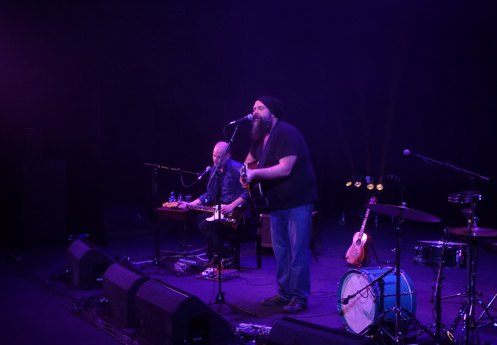
Cam Penner and his sonic wizard sidekick Jon Wood transformed the Tron theatre into a magical space for an evening, Wood setting up a constant thrum and throb with his array of tape loops and sound effects. Akin to the background ambience found in nature, birdsong, wind rustles, trees creaking, the eternal hum of Mother Nature, the effects underpinned the music played and framed the pair’s perambulations across the stage as they chose their instruments with Penner offering lengthy, wise and humorous introductions to several of the songs.
For music carved in a home built wood shed there’s a great deal of technical wizardry involved but at its heart is Penner’s voice which can change from a tender whisper to a threatening holler and Wood’s lap steel and jagged electric guitar playing. Rudimentary percussion is banged and kicked, Penner plucks a tiny guitar and the loops of sound loop on. The opening song, I’m Calling Out (from the new Sex & Politics album), evoked nothing less than the sweet soft country sound of Neil Young back in the days before it segued into the frenzied alarum of I Believe, Penner summoning ghosts of secular and sacred music hollers, Wood ripping notes from his guitar. Continuing with the new album Broke Down had Penner in a fragile state, his voice a croaked plea while Wood sprinkled the song with slight burbles of sound, almost like faint raindrops. Again the pair then shook up the atmosphere with anther howl of a song, the chain gang like wail of Hey You (Lovers of Music).
Four songs in before Penner addressed the audience who were by now desperate for a breather after this impressive opening. His beguiling tales of dick shaped missiles, his love for RL Burnside and Public Enemy and how he came to be featured on the BBC series Stonemouth punctuated the remainder of the set, his beaming grin and obvious joy at being on stage endearing him to the audience. A brace of songs from To Build A Fire were delights, House of Liars the aforementioned song from the telly and No Consequence a spooky wail dredged from the swamp. A rousing Bring Forth The Healing had the emotional heft and strength of ancient spirituals, Penner showing why some folk have described his music as shamanistic.
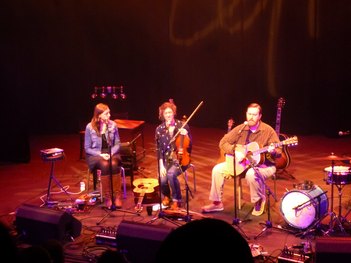
Support act, Rayna Gellert was a delight. Playing fiddle and guitar along with her partner Jeff Keith on guitar she epitomised the connection between Celtic music and the new world as she spoke of the Scottish settlers in North Carolina. Playing her own tunes and songs from Uncle Dave Macon and Washington Phillips she reminded one of John Hartford at times, her fiddle jigs and waltzes soaked in old time charm while her rendition of Black Eyed Susie, a favourite from her days in Uncle Earl (and arranged by her father Dan Gellert) was rousing. Singing more these days Gellert was joined on stage for several numbers by Scots singer Siobhan Miller who added some excellent harmonies to Phillips’ Take Your Burden To The Lord and a striking In The Ocean from her album Old Light.
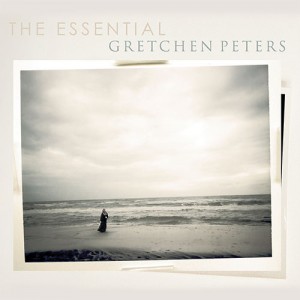
Gretchen Peters‘ career has been an interesting intersection of her song writing skills and her own performances. Initially she was successful as a writer, her songs providing hits and awards for country stars such as George Strait, Shania Twain, Trisha Yearwood and Patty Loveless. As a performer she found the going tougher, her early albums struggling to get recognition. Gritting her teeth she ploughed on and in part due to her frequent visits to these shores she gained momentum here, Bob Harris an early champion, and then in the States, eventually being inducted into the Songwriters Hall Of Fame. Her last album Blackbirds (reviewed here) is the pinnacle of her career so far, lauded far and wide. Now, on the eve of yet another UK tour she releases this handpicked two-disc overview of her work so far, not a “best of” but an intriguing collection of familiar songs, rarities and demos.
Disc one contains a selection of songs from her albums going back to 1996’s The Secret Of Life. It opens with the tremendous murder ballad Blackbirds, a bold move but the twelve songs that follow aren’t shadowed by it, indeed they cast light on the excellence of her work throughout her career along with her versatility. There is one previously unheard song here, a collaboration with Bryan Adams on When You Love Someone, an achingly tender duet in classic boy/girl country style, pedal steel weeping away. Elsewhere there’s no doubting the majesty of songs like Hello Cruel World and Sunday Morning (Up And Down My Street), the simple truth of If Heaven and the hypnotic pull of The Matador.
A fine selection but for any avid Peters’ fan the lure here is the second disc, the demos and live songs, many of which are unveiled for the first time. Here one can hear her own versions of The Chill Of An Early Fall (a hit for George Strait) and Independence Day (Martina McBride) while an early recording of Blackbirds with vocals shared by the co-writer, Ben Glover, is stunning. There’s a live recording of The Stone’s Wild Horses from the Wine Women and Song set up (Peters, Suzy Bogguss and Matraca Berg) with heavenly harmonies while Peters also covers John Lennon’s Love (from his Plastic Ono Band album) and sings a dreamlike When You Wish Upon A Star, originally recorded for a charity album some years ago. Best of all is the stark The Cruel Mother, a song that was included as a bonus track on some versions of Blackbirds. It’s a song soaked in tradition, Celtic and Americana, lilting and mournful and just wonderful.
Ms. Peters will be appearing at Celtic Connections on the 30th and 31st January as part of an extensive UK tour. Dates here
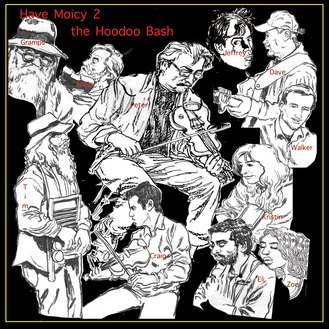
The 1975 album Have Moicy! was the summit of what Greil Marcus has called The Old, Weird America, a term he coined to describe Dylan’s basement tapes which he saw as a continuation of the spirit of Harry Smith’s Anthology of American Folk Music. What Marcus missed was the true keepers of the spirit of Smith’s groundbreaking collection, the musical misfits, smokers and tokers who constituted the extended Holy Modal Rounders family and who were responsible for the delights contained in Have Moicy! After surviving the sixties (and leaving behind him a slew of discs that, among other things, added the word psychedelic to the folk lexicon, graced the soundtrack to Easy Rider and funked up The Fugs) Peter Stampfel regrouped the Rounders without Steve Weber and with Michael Hurley and Jeffrey Fredericks and his Clamtones recorded what critic Robert Christgau called “the greatest folk album of the rock era.” While in 1975 Neil Young was heading for the ditch, Stampfel and his allies were manning a gleeful and zany outpost armed with fiddles and guitars taking aim at the absurdities of the day. Songs about hamburgers, alimentary canals and robbing banks delivered with zest, rock’n’roll, doo wop and folk reimagined in their imaginary world.
Have Moicy! ended with the song Hoodoo Bash, a saw fiddle fuelled and surreal gathering of the tribes all bringing Thunderbird wine and a pound of hash. Stampfel sings, “Lovers or strangers we’ll all go through changes when we get the good old spirit down at the hoodoo bash.” Fittingly enough The Hoodoo Bash is the given title for this long waited follow up of sorts to the 1975 masterpiece. The genesis of the album is too long to be repeated here but Stampfel had been considering some sort of sequel for some time. With original collaborators Jeffrey Frederick and Paul Presti deceased and Michael Hurley eventually declining an invite Stampfel still had Robin Remailly and Dave Reisch from the original disc and in a reflection of the earlier sessions managed to marry New York and Oregon freakiness with his inspired invite to Baby Gramps and Jeffrey Lewis to join in, the stage then set for this second summit meeting.
It’s important to state that this is not an attempt to remake the earlier album. While that may have been Stampfel’s original vision, with Hurley, Frederick and Presti out of the equation it couldn’t be. Instead it has the same irreverent yet respectful take on old time American music going back to minstrel shows and up to early rock’n’roll. Recorded without overdubs and no chance to listen to the tapes (other than for producer Matt Sohn) it’s an unholy mess but wonderfully so. Instruments wheeze and splutter, plink and plonk with the rhythm wavering and voices appearing from nowhere on the choruses. The ensemble are completed by Kristin Andreassen, Zoe Stampfel and The Dustbusters and it’s a song by a member of The Dustbusters, Rich Man Poor Man that best displays the wonky groove they found and worked on while the instrumental Banjolina shows that there was indeed a lot of work put into rehearsals with the ensemble playing here incredibly tight. Scattered throughout the album, Stampfel’s goofiness, Lewis’ witticisms and Gramps’ seadog saltiness are all aired while all three Dustbusters contribute songs that sound as if they were written a century ago.
Stampfel opens the album with his reboot of Del Shannon’s Searchin’ complete with spooky hoodoo chorus voices while New Fiddler’s Dram is classic Stampfel weirdness adapting the old chestnut into a tale of, as he puts it, “a patricidal mother fucking skull fucking sociopath.” It works a treat as does Eat That Roadkill, originally a minstrel song called Carve Dat Possum, it has a similar macabre pull as those old racist cartoons that depicted black folk as simple folk happy just to sing.
Lewis in the main takes Stampfel tunes as a start point, he channels the sixties in Nonsense, a wonderful ditty that does recall the psychedelic sweetness of Random Canyon, Intelligent Design could have sat easily on a Fugs album and It’s No Good is a skeletal slice of beat freak folk, a Horse Badorties for our times. As for Baby Gramps, his songs are shanties of the utmost saltiness, his voice growling and burbling in fine fashion on Nailer’s Consumption and Crossbone Scully. While I’ve kind of separated the contributions here, throughout the album there’s a fine degree of cross fertilisation, lead vocals swapped and shared, a true collective effort.
A wonderful collection of songs that see saw away with Stampfel’s love for (and his long standing subversion of) old time music proudly at the helm, The Hoodoo Bash is an essential listen for anyone beguiled by the idea of old, weird Americana.