Jason McNiff. Tonight We Ride. Tombola Records

Having spent much of lockdown streaming his weekly Sundowner show (previously held in The Jenny Lind in Hastings), Jason McNiff grew to love the opportunity to play covers of songs he loved and those requested by his virtual audience. Hence, his first post pandemic release is this fine collection of handpicked covers. Given McNiff’s history there’s no surprise that two of his major inspirations, Dylan and Bert Jansch, feature twice and the inclusion of Townes Van Zandt won’t raise any eyebrows but the remainder are an eclectic bunch. What’s certain is that McNiff delivers all in his distinctive style, his wispy vocals, guitar wizardry and fleet footed folk rock are all present and correct and, just to remind you that he is a writer of some distinction, he includes two of his own songs, one of which actually stands out as the best of the album.

The songs feature McNiff  in solo mode and with a rhythm section (with two being more embellished) and much of the album highlights McNiff’s undoubted prowess on various variations of guitar – acoustic and electric, resonator and Spanish guitar. Lest one forget, one of the enduring tales of his formative years is that McNiff was a permanent fixture at the late Bert Jansch’s six month residency in London’s 12 Bar Club, soaking up the maestro’s style and so it’s fitting that the album opens with a song from Jansch, Running From Home, taken from his 1965 solo debut. It’s more jaunty than the original and flows with some zest, reminding one of the folk tradition blooming in the UK in the mid sixties in the wake of Dylan. In comparison, another Jansch song, The Open Road, originally recorded 30 years later is darker and much more rooted in a traditional folk idiom. McNiff, solo in this case, delivers a stark and chilling reading.

It’s interesting to hear McNiff sing a Townes Van Zandt song. The Texan’s gruff fatalism on My Proud Mountains seems more fragile and less defiant in McNiff’s rendition while the Texas dirt is replaced by a rainy London town feeling. Similarly, Dylan’s One Too Many Mornings, while it has a mid sixties organ swirl to it, sounds as if it would be more at home on a Pentangle album. Meanwhile, the other Dylan cover, Precious Angel (from Slow Train Coming), strips away the original’s sheen and is a delicately flecked confection of glistening guitars.

The guitarist on the original Precious Angel was Mark Knopfler and Dire Straits’ Tunnel of Love is one of the more surprising covers on show here. Suffice to say that McNiff performs much the same trick as on the Dylan number, the song stripped of its gloss and given a superb, primarily acoustic makeover. Even more stripped back is his resonator guitar led and gnarly rendition of The Waterboys’ Fisherman’s Blues which, having heard it means this reviewer need never go back to the original as this is just perfect. McNiff has a knack for reducing songs to their basic elements and he delivers a wonderful solo rendition of Leonard Cohen’s Moving On, his Spanish guitar encompassing all of the original’s Grecian dressings, while The Beatles’ Tomorrow Never Knows comes across like a hybrid from Donovan and the very early Jefferson Airplane. Reaching way back, a live rendition of Stephen Foster’s 19th Century song Hard Times harks back to Greenwich Village years, a delightful reminder of vintage times but, all too sadly, very pertinent to these present days.

The title number, a Tom Russell cover, is the most full on song here with the band in full flight. Less melodramatic than the original it’s more in keeping with Dylan’s Desire era outings. The band are also in fine fettle on McNiff’s own song, I Remember You. It’s a glorious song and played here with a sense of joy which, amidst some splendid song covers, might be considered to be the most memorable song here. Whatever, it’s the crown in what is an exceptionally fine album from an exceptionally fine artist.


Website

Ian Siegal. Stone By Stone. Grow Vision Records

While Ian Siegal is a name new to us here at Blabber’n’Smoke, we were intrigued when this album popped in for review and we listened to the opening song. We’re suckers for a sweet and sweaty mixture of R’n’B, gospel and Southern swampy gumbo music and this just fitted the bill. The album opens strongly with Working On A Building, not the Charlie Feathers’ song of the same name, but a wonderfully loose limbed rumble with gospel roots, sounding for all the world like Ry Cooder playing with The Staples Singers. Hoodoo harmonica and snakelike slide guitars underpin the myriad testifying voices which dart in and out, harmonising and interjecting and giving the song a “live” feel as if the band were playing at a gospel tent revival.

Hand In Hand walks a similar path with Shemekia Copeland’s guest appearance adding to comparisons to The Staples especially as the song is a hymn to brother and sisterhood, echoing their civil rights anthems. Staying with those gospel roots, Monday Saw, a percussive field holler is a more primitive cousin to Working On A Building while Gathering Deep dials it down somewhat while retaining a gospel feel with a fine and spare Appalachian touch to it.

Aside from the sermonising, Siegal delivers some excellent songs which range from straight forward acoustic blues (on Holler) and singer/songwriter introspections (Onwards And Upwards and This Heart) to the scabrous I’m The Shit – an excellent acoustic vamp which actually sounds as if Tom Waits and Cab Calloway were having fun together, singing about, well, shit. Siegal also tosses in a version of the weird and spooky Leon Payne song Psycho, delivering its murderous psychodrama with a delicious sense of the macabre while K.K.’s Blues (written by Jimbo Mathus who is present throughout the album) rivals the best of Willy Vlautin’s dirty realism. Overall, Stone By Stone, with its slippery and sinewy recast of classic roots and blues is a brilliant listen.

Website

Rod Picott. Paper Hearts And Broken Arrows. Welding Rod Records

paperheartscover

Rod Picott has never made a poor album and experience leads one to consider his statement regarding this, his 14th release, where he says “I don’t know if it’s the best album I’ve made but I know it might be” with a pinch of salt. After all, everyone says something of the sort about their latest offering. Nevertheless, Picott might be on to something here as Paper hearts And Broken Arrows, while not breaking much new ground, finds him delivering 12 songs which were all perfectly crafted during lockdown and then burnished to a fine shine by Picott and his spare set of accompanists along with producer Neilson Hubbard.

Picott describes the album as lush and also spare and this dichotomy holds true. When the band are present they are for the most part restrained. This creates a wonderful and warm hearted ambience, an up close and personal listening experience. Even more close up is when Picott plays solo on a couple of the selections; rarely has he sounded so intimate before. The closing number, Make Your Own Light, is a perfect example as he waxes quite brilliantly in a frontier metaphysical fashion asking, essentially,  what makes a man a man.

Ranging across love songs, narratives and personal reflections, there’s plenty of variety on show here. The album opens with a lonesome prairie wail, the singer’s empty heart amplified by the simple piano notes and the far off strains of aching pedal steel on Lover. It’s followed by the much more primal Revenuer with Picott growling over a mighty rumble of slide guitar, piano and drums on an Appalachian tale of moonshiners. The past is also wonderfully evoked in the solo delivery of Frankie Lee, a dirt farmer forced into crime, his story unfolding as he awaits the gallows. A much more recent tragedy is recounted in Picott’s magnificent celebration of the heavyweight boxer Sonny Liston, a man with “two big fists like pumping pistons” but whose triumphs in the ring were undermined by racism and his own demons.

Through The Dark is a full blooded and brooding rock song, delivered in a Springsteen like manner and Dirty T-Shirt finds Picott getting down and dirty indeed without any salaciousness, just an unbridled sense of sensual attraction delivered in a warm and comforting pedal steel sweetened swaddle. Bringing it all back home (and closest to Picott’s reputation as a “blue collar” songwriter) there’s the sepia stained recollections on Lost In the South where Picott sings about his blue collar daddy. Whether it’s autobiographical remains to be seen but it’s a striking song, stuffed full of arresting images. It’s followed by the spare colourings of Mark Of Your Father, a song which portrays a darker side of fatherhood, laid bare in the last verse which refers to the filicide of Marvin Gaye.

Whether this is Picott’s masterpiece is a tale yet to be told but Paper Hearts And Broken Arrows stands tall in its own right and posits him as one of the best singer songwriters around these days.


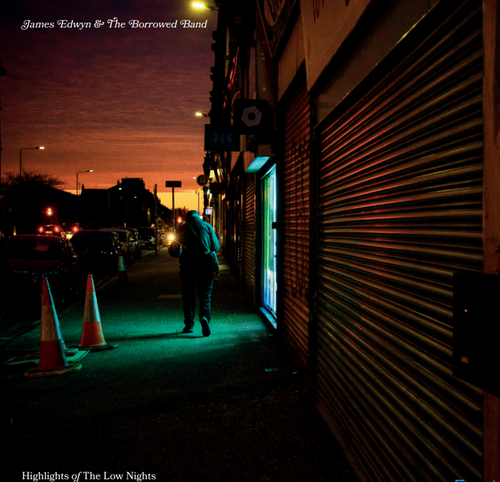
James Edwyn & The Borrowed Band. Highlights Of The Low Nights. Last Night From Glasgow Records

jebb_500x

Here at Blabber’n’Smoke we’ve been big fans of James Edwyn & The Borrowed Band since first hearing their debut album The Tower back in 2014. Since then we’ve been impressed by live performances and especially their second album, High Fences, released in 2017. It’s been a bit of a wait for album number three to pop up but here we have it in the shape of Highlights of the Low Nights and it’s fair to say that it’s been well worth the wait.

There’s always been more than a hint of classic California sounds in their previous albums and Highlights Of The Low Nights doesn’t shy away from revisiting this fertile ground. And while at times the band sound as if they were flying high on Asylum Records back in the days, they’ve added more soul to the mix which recalls the likes of Delaney & Bonnie and the relatively obscure Stoneground. There’s a lot of Memphis swampiness flowing throughout the album, primarily via the keyboards. Gasoline, riding on top of a fine guitar groove and funky electric piano, opens the album in a stealth like manner, the tension gradually building as the song progresses, albeit with the band initially sounding as if they are riding on the slipstream of The Doors, circa LA Woman. Edwyn’s voice is perfectly complemented by the harmonies from Emma Joyce and their vocals throughout are one of the defining elements of the album, heard to full effect on the funky Is It Enough which has a punchy horn section along with swathes of Hammond organ.

Tracks such as Buy Me A Ticket and Because Of You sound quite immense as the band pile in with their instruments set to stun, the latter achieving a Springsteen like level of intensity. Jeremiah, as biblical sounding as its name suggests, is a mini epic. Again, a Doors’ like introduction leads into a portentous heavy weight slice of southern rock’n’roll, half Dr. John, half Drive By Truckers, half Delaney & Bonnie (OK, three halves we know but they still add up to a great song). It’s followed by Love Too Late, a much simpler song but one which packs a fine melodic and vocal punch and which recalls their earlier album, High Fences as the instruments spiral towards the end.

The band kind of hunker down into an alt-country corner on the splendid Stargazer which reflects The Jayhawks while Blue goes the whole hog with a Neil Young like lonesome harmonica wailing over a wearied backbeat, although it’s fair to say that Edwyn’s voice carries much more soul in it than old Neil could ever manage. And, speaking of Neil Young, we have to mention the sparkling Sometime We Fade, wonderfully sung by Edwyn with the song featuring a fine mid tempo jaunt interrupted by a shimmering choral break –  a long stretch perhaps but this reminded us of the man back when he was in Buffalo Springfield. Memphis, Dan Penn (and Lloyd Cole) come to mind on the perfectly minted Hold On and, on a solo outing, Never In Her Eyes, Edwyn grounds the album, reminding one of what a fine guitar picker he is.

All in all, Highlights of the Low Nights trumps the band’s previous albums, fine as they are. Here, Edwyn and his borrowed band have delivered a wonderfully crafted and perfectly delivered set of songs.

Buy it here.


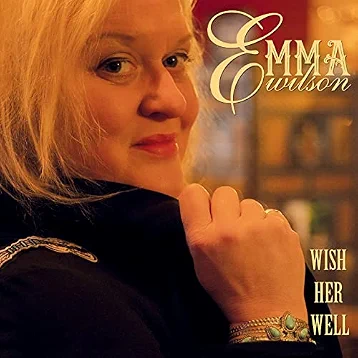
Emma Wilson. Wish Her Well

Hailing from Teesside, Emma Wilson has been making a name for herself in the UK blues scene over the past few years with reviewers and fans falling over themselves to praise her powerful and emotive voice. With more in common with classic southern R’n’B and soul singers than the likes of Janis Joplin or Maggie Bell, Wilson’s voice is warm and deep and perfectly suited to this collection of songs which stay well away from simple 12 bar blues workouts. Instead, Wilson, backed by an impressive band composed of well seasoned musicians (including bassist Mark Neary who co-wrote most of the songs here with Wilson) inhabits the sly funk of Memphis, the rhythms of New Orleans and smoky jazz tinged torch songs with the band playing for much of the time in a manner which recalls the best of early seventies jazz/blues/rock crossovers. At their best, as on the taut yet slippery Nuthin I Won’t Do, they recall the master rhythm grooves of The Meters.

The title song opens the album, an enticing vamp with oodles of juicy guitar that finds Wilson saluting her ex’s new girlfriend in a somewhat barbed manner. Mary Lou then dips into that Muscle Shoals/Meters clipped funk groove which is revisited, albeit in a more louché and looser manner, on Rack ‘Em Up which recalls the days when UK singers were able to call on the likes of Allen Toussaint or Lowell George to add some southern swampiness to their impassioned vocals. She Isn’t You and Then I’m Gone meanwhile allow Wilson to indulge in the sultry charms of singers such as Koko Taylor and Irma Thomas.

Elsewhere, Wilson and the band loosen up somewhat, rendering  Blossom Like Snow and Back On The Road with a live in the studio sound, the latter sounding not a million miles away from Christine Perfect with the original Fleetwood Mac. The one misstep on the album is the turbo charged Not Paying which has a cool Duane Eddy like guitar riff almost buried underneath the frantic delivery. It’s out of step with the rest of the album although it does sound like it might be quite awesome in a live setting.

Website

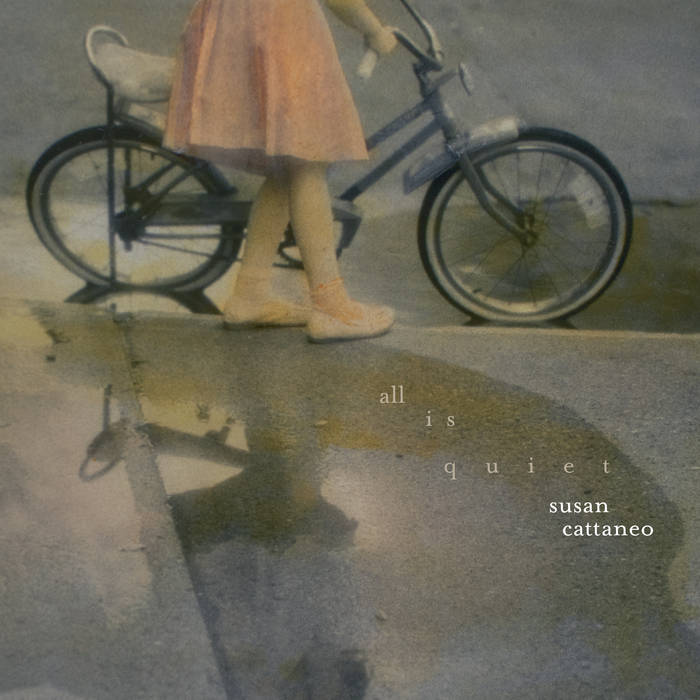
Susan Cattaneo. All Is Quiet.

a1762998550_16

As pandemic albums go, Boston’s Susan Cattaneo’s latest, All Is Quiet, is an assured reflection on those (these?) troubled times. Recorded early on as lockdown was at its height, Cattaneo recorded these songs, some referring to the strangeness and isolation, others suffused with a sense of hope for the future. As with so many other albums emerging from the darkness, remote working allowed the songs to be fleshed out, creating a gentle, multi layered comfort cushion with Cattaneo’s crystal clear voice quite captivating. There’s so much temptation here to compare Cattaneo to Joni Mitchell’s early work so, rather than resist it, we’ll say here and now that All Is Quiet is an album which could sit quite comfortably between Clouds and Ladies Of The Canyon.

While the focus is on Catteano’s voice and well tempered acoustic guitar, graceful waves of electric guitar and muted harmonies feature throughout, allowing the album to flow from song to song, all the while remaining engaging. When she mildly erupts into a slight sense of defiance on the song Hold Onto Hope, it fits seamlessly into the ebb and flow which surrounds it. While never despairing, nevertheless, several of the songs reflect the isolation and uncertainty of being told to stay at home. The opening title song, delivered quite brilliantly with a sense of trepidation, bustles with a Pentangle like folkiness to it as Cattaneo sings with a restrained fury against the Groundhog Day like repetitiveness of lock down. Time + Love + Gravity finds her in a relationship limbo, reaching out but unable to meet.

A withdrawal from society, forced or not, leads to introspection and several of the songs here find Cattaneo musing on subjects which seem more personal. Borrowed Blue is a lovely song that examines the relationship between mothers and daughters, especially when the daughter is essentially passed on to another, a husband. Blackbirds, graced with a quite glorious guitar arrangement, is more contemplative with memories of nursery rhymes evoking the past and the past also features on the gossamer like Broken Things.

At the heart of the album is the quite magnificent Diamond Days, a song which equals the likes of Joni or Janis Ian in its quiet and simple beauty. Ambient guitars hover and hum as Cattaneo essentially distills the essence of a life, the hopes, expectations and disappointments which shape us all.

Website

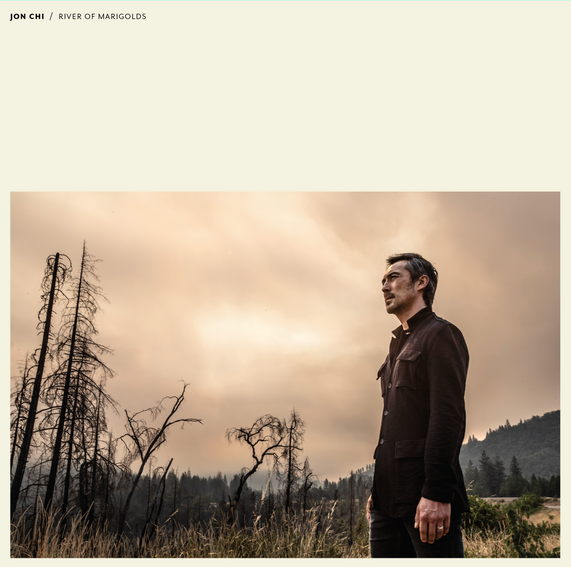
Jon Chi. River Of Marigolds.

c4dbeb_71ecc45d90c146c18e96e1bd0419224fmv2_mscwdt

It’s getting so that there’s a lot of cosmic vibes seeping into Americana these days. Hints of psychedelia, bucolic landscapes and guitars, lots of guitars, especially gliding and keening pedal steel guitars, seem to abound. A lot of folk blame The Grateful Dead and their jam band successors and they may be guilty as charged, but when you have the likes Billy strings, Israel Nash, Gospelbeach, Rose City Band and Pacific Range bringing out superb albums then I guess we have to at least forgive the culprits.

The above is a long-winded way to mention Jon Chi, late of a band called Rainmaker, who has a bit of a history with jam bands and members of The Dead. River Of Marigolds, his third solo album, is a fine addition to this new cosmic Americana, and yes, it has some swell guitar. The album was actually released on Earth Day, back in April, a nod to some of the environmental concerns raised by several of the songs and Chi is supported by an excellent host of Bay area musicians, the main band being Dave Schools (bass), Dave Zirbel (pedal steel), Jeremy Feinstein (keyboard), Jeremy Hoenig (drums) and Mike Emerson (keyboard, harmony vocals). Together they have created an album which does glide and soar with several of the songs melting into one another via superb segues. This is most apparent on the 12 minute combination of Bring On The Rain and Up In Flames which, despite their apocalyptic subjects, positively shimmer like a heat haze rising from the speakers with plenty of space for some incredibly groovy solos on guitar and organ. The overall sensation on listening to this is quite glorious.

While there is room for a funkier approach (with horns added by The Monophonics) on Give The Devil His Due which slinks along like Lowell George in his prime, the majority of the album cleaves to the cosmic vibe. Cold Clear Winter is a gentle yet brittle chug with shards of guitar and that keening pedal steel set against an urgent bustle from the rhythm section and the title song unfolds initially like a Grateful Dead jam winding down before Chi rides in with his gentle voice gently buoyed by another hazy flow of guitars and keyboards. Sweet Surrender is a lovely song with a killer outro as the band slow almost to a halt before swelling into a glorious coda. There’s some fire and brimstone on the fiery Road To Revival which rocks along with more than a hint of Tucson desert rock in its make up while Dannemora Blues (Don’t Lose Your Head) is cinematic desert noire as Chi recounts the true tale of two prison escapees. Here he approaches the story telling heights which defined The Drive By Truckers’ epic Southern Rock Opera.

The album closes with a reprise of River Of Marigold delivered as a cosmic campfire song with a dream jam band playing off in the distance. A fine close to what is quite a magnificent album.

Website

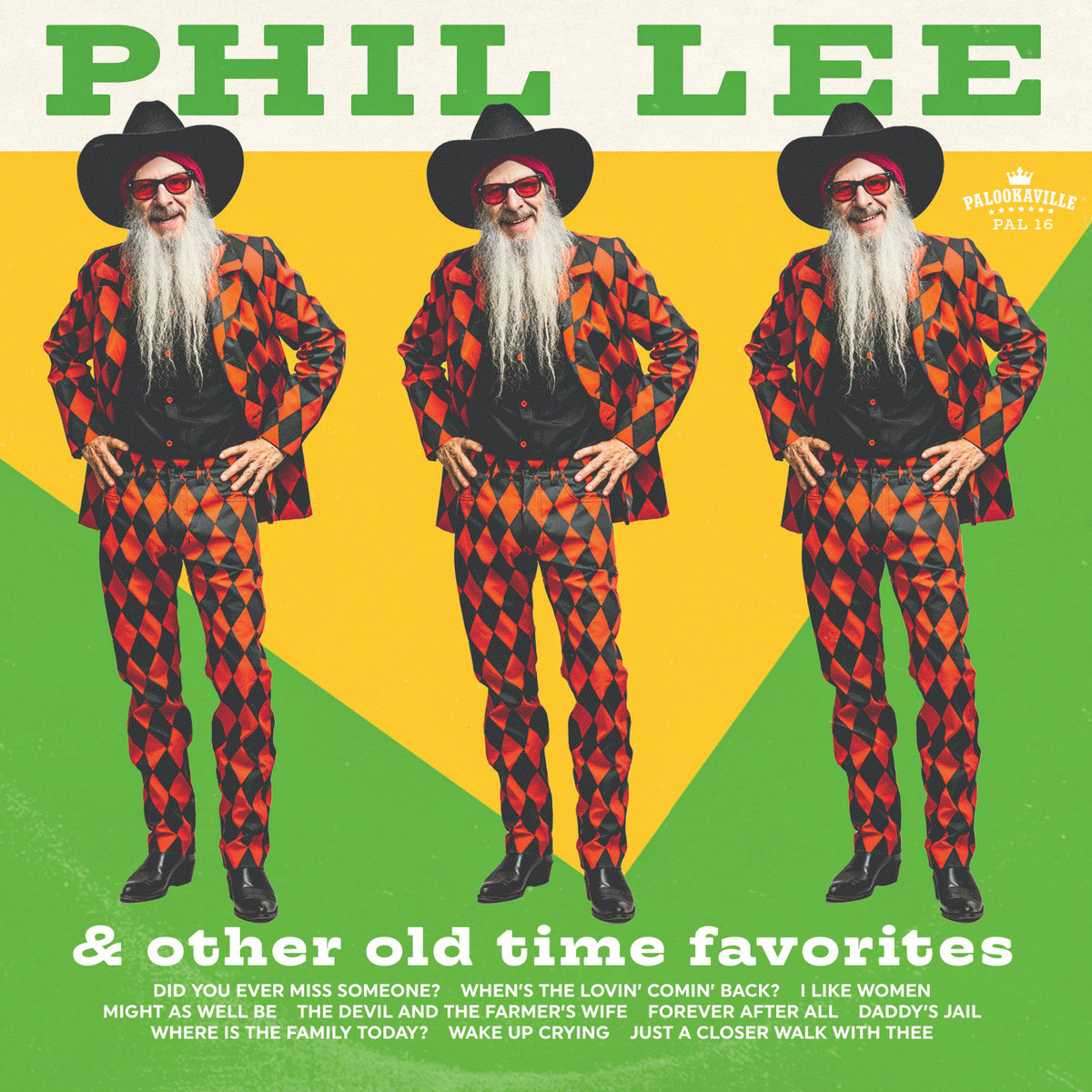
Phil Lee & Other Old Time Favorites. Palookaville Entertainment

a1579896346_10

We’ve mentioned before on several occasions that we are huge fans of the irreverent Phil Lee. While his albums are always a pleasure to listen to, he adds his impish sense of fun to much of what he records, giving them an added sparkle. In addition, he has a fascinating back story and so it’s not too much of a surprise to read that his latest album, a smashing collection of songs done in an old-fashioned country style, was influenced by his tenure (aged 12!) as the drummer for Homer A. Briarhopper’s band on an early morning TV show back in the 60s. Sounds made up? Well, according to Google it’s true.

It’s a lockdown album, recorded with just Lee on guitars, harmonica and drums with producer David West adding electric and acoustic guitars, mandolin, keyboards and a wealth of other instruments. Most of the songs are Lee’s own with a couple of traditional numbers thrown in for good measure. They’re all short and snappy with Lee saying he wanted to make an album his mother would like and which “white people could dance to.”

The album kicks off with a classic country two stepper, Did You Ever Miss Someone, with West’s Dobro and mandolin already demanding attention while Lee sounds just perfect as he relays his loss. Coming in at under two minutes it’s a perfect opener. When’s The Lovin’ Coming Back has more of a trucker’s feel to it with West laying down some fine humbucking guitar licks and I Like Women digs into Western swing with Lee getting away with not being too salacious. He does however inhabit the lyric with fervour on a highly infectious song which, one again, is greatly energised by West’s numerous guitar parts while he also provides the backing vocals.

Might As Well be Me slows the pace down as Lee sings a brilliant down at heel story of a luckless musician on the road. While it’s not exactly Nashville countrypolitan in its delivery it is classic country and is up there with the likes of Charley Crockett and Joshua Headley’s reclamation of classic country sounds. Next, there’s a dive into the real old Americana as Lee tackles a Child ballad on The Devil And The Farmer’s Wife and again, he does it brilliantly with banjo and mandolin bravely plucking away. Forever After All retains the mandolin as Lee almost gets sentimental on a tremendous number which follows a couple from their wedding day to the twilight of their years. It tugs at the heartstrings while having an unalloyed heart of gold at its centre. There’s also a great degree of sentiment on the tale of a broke up family on Where Is The Family Today which finds Lee touching on John Prine territory.

Daddy’s Jail is a fine shit kicking slice of rock’n’roll and apparently recalls Lee’s youth when he was a bit rambunctious while his father ran the Durham County jail in North Carolina. Wake Up Crying appeared on Lee’s previous album, Phil Lee & The Horse He Rode In On, recorded with his old buddies, Billy Talbot and Ralph Molina of Crazy Horse. There it was given a vintage 1960s Who like charge, here it’s delivered as a rollicking banjo driven bluegrass number with West magnificently parrying with himself on the various solos. The album closes with an excellent version of Just A Closer Walk With Thee, a song Lee says he has wanted to do since seeing Harry dean Stanton sing it in Cool Hand Luke but sung here in an Elvis and The Jordanaires gospel style. It brings this excellent album to a handsome close.

Website

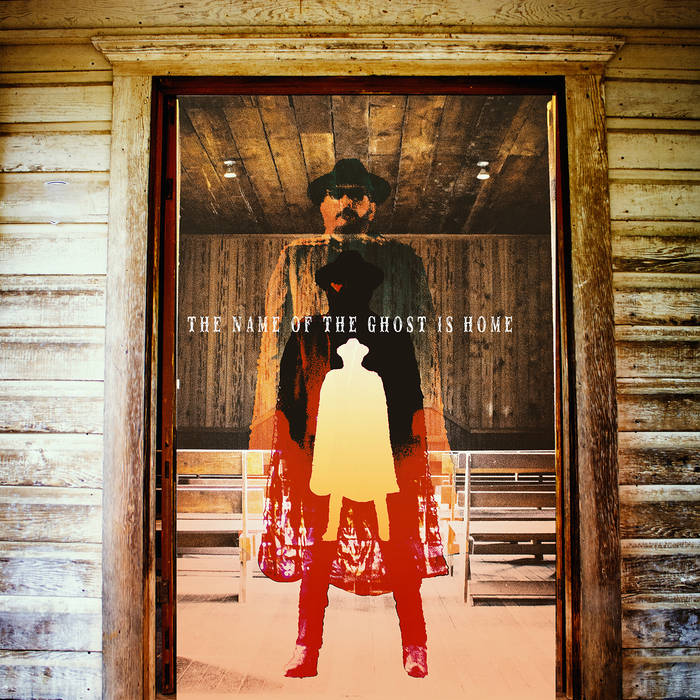
Drunken Prayer. The Name Of The Ghost Is Home. Fluff & Gravy Records

a3634582536_16

Drunken Prayer is the vehicle for Morgan Geer’s wistful and slightly skewed version of Americana. Geer, an occasional member of Freakwater and sometime player with The Handsome Family, has released several albums under the Drunken Prayer banner but this is the first one to have flown our way. We might be late to the show but thoroughly enjoyed this sixth album and fully intend to seek out its predecessors.

It’s tempting to class Drunken Prayer along with The Handsome Family given their link and the fact that Geer occasionally inhabits  a similar world to that of the Handsome Family – dark, slightly whimsical, sometimes dreamlike. The delightful childlike naiveté of God Of The Sea certainly has more than a touch of The Handsome’s to it while Crazy Alone, a gorgeous paean to hopelessness, has a similar feel to Weightless Again. But whereas the Sparks tend to stick to their tried and trusted template, Geer roams further afield with his country and folk influences much more evident while several of the songs on show here pack a fine country rock crunch.

The album kicks off with Geer sounding almost like Guy Clark on the handsome stroll of Sweetheart Of The Picket Line. A political song but somewhat opaque, it seems to this listener that Geer is on the side of peaceful demonstrators facing the thuggery of armed right wing militias, out to kill the peace loving mockingbirds who oppose them. He returns to this theme later on the fiddle strewn crunch of The Judas Table which, again, is quite opaque with lyrics which might or might not relate to Jagger’s dilemma on Street Fighting Man. Digging the lyrics is a great part of the enjoyment here as Geer seems to enjoy being both playful and somewhat baffling. Oasis In The Yard is a fine mash up of Beatles and Stones like raunch as he recollects his youthful pursuits including listening to Oasis and riding go-karts. Landlines And Rabbit Ears (Nachos For One) is a fine ode to loneliness, inspired apparently by a menu encountered in an English motel and tinged with a melancholic air one associates with Neil Innes.

Myna Birds, another song which has some slight similarities to The Handsome Family, is a gorgeous swoon with gliding guitars while Sunderland finds Geer wandering into Band territory on a fine pedal steel soaked ballad which contemplates the opioid epidemic in Appalachia where, “the flags forever fly at half-mast.” It’s followed by the title song, a short repetitive lament with the dread of the lyrics backed by a glorious mix of spaghetti western mood and soaring cosmic country guitars.

Snuck in midway through the album, two songs are downright humorous country tributes. I Wouldn’t Change A Thing is a duet in George and Tammy style (with Christa de Mayo singing the Tammy part) which finds the pair squabbling brilliantly over their misdemeanours. Country Music Ball of Flame meanwhile is a wearied honky tonk number with the singer (probably in his cups) complaining about his lack of stardom. He’s never had a number one hit but has “polished up a couple number twos,” which, if it’s a pun, is quite brilliant. Anyhow, they just add to the variety of this excellent album.

Website

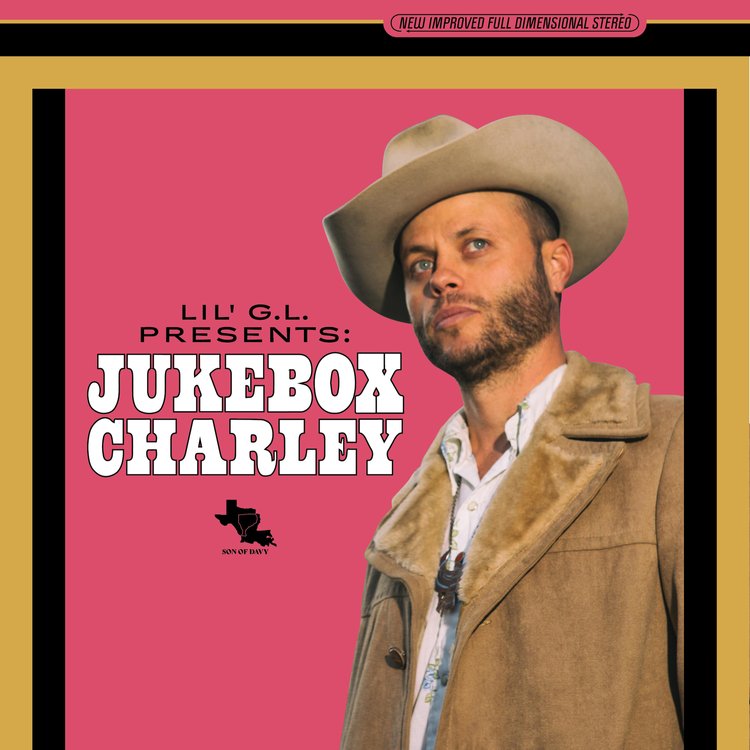
Charley Crockett. Lil’ G.L. Presents Jukebox Charley. Thirty Tigers.

Mr. Crockett’s certainly on a roll these days, albums tumbling out of him like coins from a fruit machine which just hit the jackpot. What’s more is that Crockett has hit the jackpot with the majority of his releases (eleven in seven years) which is quite astonishing. There is no let up on quality control despite the conveyor belt like delivery.

While his mainly self penned albums (The Valley, Welcome To Hard Times, Music City USA) show him to be a quality writer and performer bringing country traditions fully up to date, Crockett has paid tribute to these traditions with a series of cover albums under the Lil’ G.L. Presents banner. While the third of these was a collection of James Hand songs, the first and second were themed (Honky Tonk Jubilee and Blue Bonanza) and Jukebox Charley returns to this format with Crockett picking a selection of fairly obscure country songs (despite a stellar line up of writers behind them), all given a stellar makeover.

The title song is a Johnny Paycheck cover and one can’t help wonder if Crockett chose it purely because he shares a forename with the song’s protagonist. Whatever, it’s a fine hook on which to hang the remainder of the songs on as one can imagine most of them wafting from a honky tonk jukebox with Crockett and his Blue Drifters giving most of the songs an attractive 1960s country pop delivery. Delivered in the middle of the album, Jukebox Charley is the fulcrum here although one might have expected it to be the first song as Crockett settles into his bar seat and tells the bartender of his woes. In his cups, music is a mixture of salvation and sorrow and the album follows suit. Several of the songs feature the demon drink, be it with some abandon on the upbeat Battle With The Bottle or the tearful George Jones song, Out Of Control. Affairs of the heart are, of course, in evidence with Make Way For A Better Man, a Willie Nelson song written by Cy Coben, coming across as an alpha male declaration of superiority as the singer snatches his best friend’s girl. Porter Wagoner’s spooky Heartbreak Affair (written by Kay Adams) is a fractured and fragile set up with Crockett’s distorted voice offset by an angelic chorus, the singer just one step away from being incarcerated in a rubber room. And then, there’s that final calamity, death. Tom T. Hall’s I Hope It Rains At My Funeral is a grand narrative of a hardscrabble life with Mickey Raphael like harmonica running throughout it and the final line is the killer. Six Foot Under carries on a theme that you’re only safe once you’re dead and buried and does so with a finely detailed country hop and a skip.

While all of the album is a delight, two songs stand out. Where Have All The Honest People Gone, originally sung by Roger Miller and written by Dennis Linde (who also wrote Elvis’ Burning Love), finds Crockett subtly changing the title (originally it was Where Have All The Average People Gone but Crockett reckons that most average folk just have to be honest) and delivering it in a glorious country pop arrangement which reminds one of John Hartford’s Gentle On My Mind. Even better is is Crockett’s version of Jerry Reed’s I Feel For You. Here Reed’s swampy song is given a soulful delivery with echoes of Solomon Burke, while the guitars invoke a more psychedelic folk sound not a million miles removed from the modal structures of bands like the Pentangle.

You can sum up the album in one song present here. Lonely In Person Tonight is a very obscure Tom T. Hall song about a singer whose name is up in lights but who finds himself somewhat adjacent to Jukebox Charley in that he is listening to folk enjoy his songs on the bar’s jukebox but has no one to share this with. With tons of heartbreak and a fulsome sad ache. Crockett delivers again.

Website