It’s been a while since a Jamie Freeman disc slid through the letterbox, his last release being 2013’s 100 Miles From Home. Despite being a familiar name down south in the UK Americana world as a musician and a behind the scenes mover and shaker he’s not well kent up here which is a bit of a pity. 100 Miles From Home (recorded with his band The Jamie Freeman Agreement) roamed around jangled power pop, English folk and dark Americana creating what should really be considered as a bit of a lost classic. There are certainly elements of the first two on this EP but there’s also a healthy dash of patchouli scented psychedelia with Freeman admitting that several of the songs are influenced by his favourite sixties bands.
The EP was recorded in Nashville and the UK with The Jamie Freeman Agreement playing on the UK songs while the Nashville tracks feature Larkin Poe and The Wild Ponies but aside from the opening number you’d be hard pressed to tell which was which. Hasia Dreams is that opening song and it’s a wonderful evocation of English psychedelia, the backwards guitars and raga rock scales reminiscent of bands such as Tintern Abbey and (the UK) Nirvana. It’s a delicious listen with Lucy Powell’s voice weaving around Freeman’s vocals and while it may seem like a lysergically influenced song it’s actually a pretty grim tale of a refugee’s perilous journey fleeing Syria as she clings to happier days in her dreams.
Shiprock is another song which visits childhood memories although here Freeman’s template is The Who as he offers a Townshend like exploration of a dysfunctional family with the prodding keyboards recalling the synth additions to The Who’s Next album. With its muscular guitars and punchy propulsion the song soars towards another psychedelic moment on its bridge before climaxing with wailing guitar and an eventual sonic breakdown. You really need to listen to this one with the volume way up. The shimmer of Rum and Smoke then wafts into view and its clear by now that Freeman is exploring in these songs the adult influences on the psyches of their children as here he inhabits the mind of the child of an alcoholic father. Incredibly poignant, the song clothes the child’s formative memories in a bittersweet delivery which at times recalls early Traffic.
Damaged children can find redemption and it’s tempting to see the last two songs as evidence of this. Make Do With England has the protagonist finding a partner who is helping him to cope despite his frailties with Freeman singing, “Baby you taught me how to care, yeah, well I taught you how to swear.” It’s not all plain sailing as he thinks the idea that she would marry him must mean she’s crazy while their union doesn’t always lead to bliss with the title of the song (I think) a nod to that old adage of lying back and thinking of England. Whatever, Freeman again sets the song against a magnificent and rousing delivery which slowly builds in grandeur from its folky beginning to the swell of guitars and percussion towards the end. There is a happy ending as Freeman and the band throw out a rollicking almost rockabilly number on Wedding Ring and a New Tattoo which sounds like a cross between Dwight Yoakam and Ian Dury believe it or not.
The only quibble here is that there’s only five songs. Hopefully now that Freeman has divested himself of his record store in Lewes we can expect to hear more of him in the future. Fingers crossed.
The West Highlands of Scotland may well be one of the most beautiful places on the planet and there’s been no shortage of music emanating from the area over the years, most of it in the traditional vein and reflecting the rich culture of this historical landscape. Now, an enterprising musician, Mairi Orr, wants to see the West Highlands, or, more specifically, the village of Arisaig, on the romantically named “road to the Isles” to become a beacon for Americana music in Scotland complementing the sterling work carried out by the likes of Celtic Connections in Glasgow and Perth’s Southern Fried Festival. Orr (whose music we’ve discussed here) recently moved to Arisaig after living in Edinburgh and she’s decided to use her contacts to set up a festival which she hopes will grow into a popular attraction. Obviously that’s a long term goal and on the understanding that great oaks from little acorns grow this year’s inaugural Arisaig Festival is a small (but perfectly formed) affair. Intrigued as to why and how Ms. Orr set about this Blabber’n’Smoke spoke to her and we started off by asking her why she decided to have a go at setting up the festival in the first place.
I moved back here three years ago, not long after I released my album. It’s a lovely place but I found that I was kind of missing the music scene I’d been around in the big city. There are some amazing musicians up here but it tends to be mostly Scottish and traditional music and while the musicianship is second to none I felt that there was room for more Americana type music and importantly, that there is an audience for it, so I decided to see if I could kind of kick-start that, get it off the ground. I’ve always loved being up here. Before we moved here permanently I visited a lot because I’ve got family here and I always thought it would be great to have some sort of event here. It’s a popular tourist destination, absolutely mobbed in the summer and there’s a great appetite for cultural events, music and such. When we got here I had my baby girl and that obviously took up my time but I started thinking seriously about setting up an event at the beginning of this year. In reality I’ve set up this first festival in a ridiculously short time but I’ve got a three year plan where I want to build the festival up, hold it over a couple of days and hopefully get some American musicians to come up and join in. So this year is really just to get it off the ground, put the word out and gauge the reaction.
So this year is pretty much dipping a toe in the water and seeing how it goes?
As I said it’s really just a launch pad for what I hope will be a bigger festival next year. We’re holding what is the main event on the Saturday night but before that we will be having musical workshops for guitar, fiddle, banjo, and mandolin, on the Saturday afternoon. There’s also going to be what I’m describing as a big pub session on the Sunday and I know there’s going to be a lot of musicians turning up for that, a good mix of people I hope. A lot of local people have expressed their interest since we announced it and we’ve received some funding from a local trust fund and it’s great to get their support. There will be tourists around looking for something to attend and then folk I know in the music scene have also said they’re coming up, they’ll join in the session so that should be good fun.
Tell us who you’ve got lined up to play
Well I’m really pleased to have The Wynntown Marshals as our headliners as they are one of Scotland’s best known “Americana” bands. They’ll be playing here as an acoustic trio which suits the hall we’re holding the concert in although I’ve asked Iain Sloan to be sure to bring his pedal steel with him. We also have The Jellyman’s Daughter, an excellent duo who have just released their second album and for this they’re bringing some friends with them to add bass and banjo on stage so that should sound great. Then there’s The Daddy Naggins who will be rounding off Saturday night with some good old foot stomping bluegrass. They’ll also be around earlier in the day as they are going to be helping out on the afternoon workshops.
You’ve missed out an act, the Crow County Pickers, which, after some extensive research, turns out to be yourself and some chums!
OK, that’s me with David Currie, Craig McKinney and Alan Finn. David is a fantastic Dobro player who did several shows with me when I was out playing my album. We hadn’t played for sometime after I had my daughter but we got back together a little while ago and started working on this and Craig is bringing along his mandolin while we’ve got Alan on bass
It seem to me that aside from the concert you’re trying to inject an awareness of roots type music, folk, Americana and such in a place that’s probably more used to trad fiddle sessions and pipers galore.
Well there’s a lot of music students up here who are learning trad music along with a lot of “closet” players out there who would probably love to have a go on the banjo or mandolin. We’re just trying to expand the idea of folk music to encompass more than trad so the workshops are aimed at them. One of things I like about Americana music is that it’s really open and friendly and inclusive, I’m hoping that if you play guitar or banjo or mandolin or anything really you can come along and join in. The workshops will be free as will the session on Sunday, bring an instrument or just come along to hear the music. The Sunday session is being held in a great bar where they’re really encouraging to musicians and I’m getting feedback that a lot of folk will be coming to that.
It is a small festival, we don’t have a great capacity in terms of the venues but I really want to grow it over a couple of days and bring artists up here who probably don’t come to this part of the world that often. Really we just want this year to put us on the map, there are musicians who come to the West Highlands but not often enough. I’ve been talking to some other promoters to see if can start to join the dots as it were for American acts coming over here so that they don’t just play the cities, to see if we can make it attractive enough for them to play a bit further afield.
Which bring us to my final question. A lot of folk will thing that Arisaig is out in the sticks, cut off from the mainstream as it were. If we were to go would we have to hike there or get a helicopter?
Although we look as if we’re out in the wilds there are good transport links. There’s a steam train that comes from Fort William, it’s actually the one you see in the Harry Potter films which goes over the Glenfinnan viaduct. That’s the tourist way of getting here but you can get the train from Glasgow while buses run from Glasgow and Inverness. I think most people will drive and we’re only about three to four hours away from most cities in Scotland. It is a bit of an effort to get here but it’s such a beautiful part of the world it’s well worth the effort. We’ve already got a successful trad festival here, Feis Na Mara, which is held in October and it always sells out and that’s in the off season so there’s no reason not to come.
The Arisaig Americana Festival takes place on 23-24 June. Their website is here and tickets are available here.
And here’s some video of Mairi in action. She’s sure to give The Marshals’ a run for their money.
The sun blasted and sand blown 3hattrio, denizens of Utah’s Southern Desert, continue to comb their way through the arid and atmospheric landscape which surrounds them on this, their fourth full length album. Their basic line up of guitar, violin and double bass is again enhanced by spectral sounds and effects while the voices are often like shamanistic exhortations with repetition used to induce an almost trance like effect.
At the heart of the band are three musicians (Hal Cannon, Greg Istock and Eli Wrankle) with various backgrounds in American folklore, creative art and classical music and who in essence are a string band par excellence but, just as Dr. John was a great r’n’b pianist, they depict their ochre infused landscape with as much invention as Mac Rebbenack did with New Orleans back in his Gris Gris days. There’s a hypnotic lure in the songs here, a temptation to succumb to the incantations and swirling dust storm of sounds the band summon up, the hallucinatory effect of the desert laid bare.
The three musicians’ distinctive styles create the contours of the album. Cannon provides the ballast, the lonesome traveller in the desert, Istock is the Shaman, the beguiler whose incantations and esoteric sounds are almost a peyote experience while Wrankle conjures up an ethereal mistral of sounds evoking the shifting landscapes sculpted by the forces of nature. Lord of the Desert is perhaps the band’s most successful invocation so far as the songs slide into one another, disparate elements fused into a whole as they shift from the banjo led introduction, Dust Devil; the traveller stepping foot into the alien territory forewarned but unabashed, to the closing surrender to the lord of the desert, gravely intoned by Cannon. In between it’s an Odyssey of sorts amid the sand dunes. Pilgrim bustles with a spritely bass line and fuzzy electric violin and a rare mention of water, normally a good thing in a desert but here a harbinger of danger. Night Sky finds the instruments approximating the sounds of the creatures who venture forth after dark before the discombobulating babble of voices and eerie sound effects of Faith Is In Our Hands, a last cry of the faithful before the pagan desert swoops in which it does in the brace of Istock songs which follow. War ripples with Eastern influences, tabla and oud like sounds which summon up a vision of lysergicly scarred Iraq veterans recreating Operation Desert Storm while Faith can be construed as their attempts to recall an earlier normal life in flashback, all to no avail as I Am returns to the Eastern influences with Istock’s grunt of a voice invoking Imans and infantry grunts.
Cannon’s everyman returns on Wastelands of Yesterday, an extremely parched approximation of The Handsome Family’s bizarre canon before the even more parched instrumental Skeleton Tree which has a Morricone touch to it. Then, like insects buzzing around a flyblown corpse, Wrankle’s violin introduces another Istock invocation as the old man of the desert on Motel, sounding here like an indecipherable Walter Brennan, a trick repeated on the following Won’t Help (although there’s a soupcon of Dr. John’s voodoo in here) as the spirit guide abandons the traveller who is left to rhapsodise on what could have been in the forge towards the new west on Poor Boys.
Bleached as white as bones in the desert sun, creaking and cracking like stones in the frozen desert night, infused with the memories and voices of those who have travelled and travailed across the sandy wastes, Lord of The Desert is a trip in more ways than one. It is mind expanding in the best sense as 3hattrio offer the listener an opportunity to explore, experience and enjoy their American desert music.
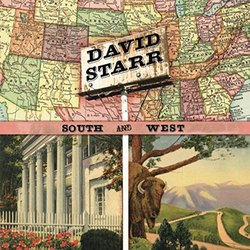
Blabber’n’Smoke was glad to have a sneak preview of Colorado musician David Starr’s latest album, South and West prior to him playing a show in Glasgow this week. The follow up to his acclaimed Love & Sabotage (from 2016 with a John Oates’ produced EP in between), South and West is another robust and joyful dive into those halcyon days of freewheeling and hair flowing country rock songs from the seventies with a dash of more introspective melodies giving the album just enough emotional ballast to prevent it from flying down the freeway.
Written in Cedaredge, Colorado and recorded in Nashville (hence the title) Starr and his accomplished band (Dan Dugmore, guitars, pedal and lap steel, mandolin; Erik Stucky, mandolin; Mark Prentice, bass; Mike Severs, guitars; Howard Duck, keyboards and accordion; Tommy Hayden, drums) expertly navigate the difficult waters of playing like a plethora of the usual suspects (Eagles, Poco, Fleetwood Mac) while not copying them and even occasionally wandering into unexpected backwaters as when they deliver Could Have Run Together with its churchy organ and sweet guitar outro recalling The Stones’ in their more mellow moods. Starr, who wrote or co-wrote all bar one of the songs here, has his finger on the button throughout with arresting images such as on the opening lines of Nothing Short as he sings, “There’s a jar full of nickels on a stand beside the bed. The sun hits it in the morning, shines like a million bucks.”
The album opens with a classic wide open road song on Good As Gone, the restless spirit of the adventurer bouncing out of the speakers buoyed on frantically scrubbed acoustic guitar, a propulsive rhythm and some muscular guitar breaks. There are several such numbers here. Love Won’t Make Itself starts off as a breezy Fleetwood Mac like number before Dugmore’s pedal steel weighs in and transports the song into cosmic cowboy territory. Even better is the fiery Until It’s Gone with Starr singing, “Of the ten commandments I’ve broken nine, and the tenth I’ll believe I’ll break in time,” as the band really rock out with barrelhouse piano, wicked slide guitar and caroming bass and drums, the song coming across as a brilliant mash of Springsteen and Joe Walsh.
Nestled between these rousing anthems are several more laid back numbers. The sweet accordion and pedal steel laced Don’t Give Me Hope, the yearning that is the mandolin speckled Night Rolls Around, a song reminiscent of Jackson Browne, and the closing These Damn Goodbyes, an excellent song which conveys a wonderful sense of bittersweet memories and letting go. Nestled within these songs Starr conjures up an excellent cover of Elton John’s Country Comfort, a fine reminder that the man with the funny specs (and his writing partner) used to matter. While it’s fairly faithful to the original the band swell out the song excellently and Starr sounds uncannily like John. He’s aided and abetted here by his quartet of harmony singers who sing throughout the album adding yet more texture to the fine band sound.
All in all South and West is an almost perfect collection of breezy country rock with some added muscle provided by the excellent ensemble playing. Starr is obviously well versed in his forebears and he is well able to dig a similar seam. Perfect summer listening.
Hot Tuna – Live at New Orleans House Berkely, CA 9/69
Poco – Live at Columbia Studios Hollywood 30/9/71
Poco – The Songs of Paul Cotton
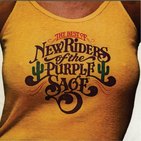
New Riders of The Purple Sage- The Best Of
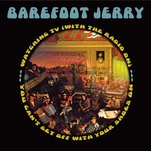
Barefoot Jerry – Watching TV With The Radio On/You Can’t Get Off With Your Shoes On
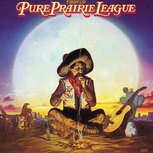
Pure Prairie League- Firin’ Up
We’ve got a good tranche of reissues here which in a way show the journey of what we used to call country rock back in the seventies. First off is a 1969 live recording from Hot Tuna, Jorma Kaukonen and Jack Casady’s spin off band from the Jefferson Airplane. Although they eventually morphed into a power trio Hot Tuna initially kicked off playing country blues with Kaukonen on acoustic guitar and Live at New Orleans House is a generous 70 minute capture of their early days when they were whiling away their time while Grace Slick was recovering from throat surgery. A selection of songs from this show were released as the first Hot Tuna album but here we get a shed load of others which could just as easily could have been featured. Kaukonen was going back to his roots, Rev. Gary Davis and such, which he learned to play in Texas along with a young Janis Joplin. His distinctive voice and accomplished finger picking is well aided by Casady’s fluid and sturdy bass playing while Will Scarlett adds harmonica on several songs. They run through songs by Davis, Jelly Roll Morton, Leroy Carr and Lightin’ Hopkins among others with the highlights being a fine delivery of Death Don’t Have No Mercy and a snappy rendition of Blind Blake’s Never Happen No More with Kaukonen’s guitar playing spritely. It’s well recorded and quite intimate and well worth a listen.
Fast forward two years and we have PocoLive at Columbia Studios, Hollywood in 1971, featuring their most solid line up of Richie Furay, Paul Cotton, Rusty Young, Timothy B. Schmidt and George Grantham. It relies heavily on songs from their then current release, From The Inside but with space to showcase Furay’s Buffalo Springfield song, Child’s Claim to Fame along with Pickin’ Up The Pieces from their debut album. Poco of course were the somewhat unsung pioneers of country rock but here they rock out on occasion and add some fine slurps of southern influenced grooves while there are moments when they seem to anticipate Steve Still’s use of Latin American music in Manassas. On this evidence they were certainly funkier than the fledgling Eagles who were just taking off around this time. The clamour and clash of guitar and pedal steel with some fine harmonies on Hear That Music along kicks ass while What A Day has the melodic finesse and fiery fury of a Moby grape song. The recording here is not as clean as on the Hot Tuna disc but crank it up and open a bottle and it’s a great listen.
It’s Poco again on a selection of songs written by the man who replaced Jim Messina from the original line-up on Poco – The Songs of Paul Cotton. Cotton added some muscle to the band along with some excellent song writing. One Horse Blue and Ride The Country are both stalwart songs while Western Waterloo bashes along with some fantastic pedal steel, banjo and squirreling guitar. Blue Water meanwhile is as sinewy a bluegrass influenced country rock song as you would want to hear. Ten songs long it’s an excellent introduction to this severely underrated songwriter.
While Poco were establishing the ground rules for country rock those psychedelic cowboys from the west coast, The Grateful Dead, were dipping their toes into country music eventually begetting The New Riders of The Purple Sage. Here we have a Best Of collection (expanded from a 1976 vinyl release) which, again, is a handy primer for those yet to hear these hippie born celebrations of country music. Their laidback early style is well captured on Glendale Train and Last Lonely Eagle from their first album with Buddy Cage’s pedal steel weeping and wonderful. From their magnificent The Adventures of Panama Red album we get the powerful rush of Kick In The Head, which sounds like Bob Weir leading an energised Dead with Cage thrashing about on fuzzed pedal steel, along with the glorious title song, one of the great hippie country anthems.
The pick of the crop here is the straightforward bundling of two mid seventies albums from Barefoot Jerry (You Can’t Get Off With Your Shoes On and Watching TV With The radio On) on one CD. barefoot Jerry were a shifting bunch of seasoned Nashville pickers led by Wayne Moss who played guitar on Roy Orbison’s Pretty Woman, was one of the crew on Dylan’s Blonde On Blonde and who formed Area Code 561, the band responsible for Stone Fox Chase AKA the theme music for The Old Grey Whistle Test. With the rest of the band having a similar pedigree this outfit really could play just about anything and so here they wander from southern rock to western swing to hippie dope anthems and scintillating instrumental workouts. If anything they were just too eclectic and really never achieved much more than cult status. Watchin’ TV… still stands the test of time and is a highly recommended listen, the title song and Funny Looking Eyes could easily have been released recently by the likes of Sam Morrow or Andrew Sheppard, both having a tough southern slink. The instrumentals, Pig Snoots and Nehi Red and Two Mile Pike, allow the band to show off their chops and really have to heard to be believed while the delicate acoustic number If There Were Only Time For Love harks back to their magnificent debut album (which you really should search out). The albums ends on a (ahem) high note with the cosmic dope anthem, Mother Nature’s Way of Saying High, which is not a million miles removed from David Crosby’s musings on his solo debut. You Can’t Get Off… pales in comparison but it’s still well worth a listen with the opening tale of Ali Babba a fine chunky slice of southern rock, Slowin’ Down a down home country rock number in the manner of The Ozark Mountain Daredevils and the title song a rip snorting funky number sounding like the Band on amphetamines. If you’ve never barefooted with Barefoot Jerry then here’s your chance.
Winding up this roundup is a 1980 release from Pure Prairie League, a band perhaps better known on these shores for the emblematic Norman Rockwell cowboy, Lucky Luke, who appeared on all their album covers. They had a sizeable success in the States although by the time of this album none of the original members were present but they had inducted a new member, the fledging Vince Gill. Gill injected new blood into the band and the album achieved top 40 status but there’s precious little down home music here with the band playing for the audiences who were lapping up the Eagles and Fleetwood Mac. As such there’s some very polished rockers here, She’s All Mine is classic FM fodder and it still sounds great with a fine twin guitar solo spiralling away while I‘ll Be Damned is an excellent country rocker which benefits from Gill’s bluegrass background.
She’s the self styled Queen of Oklahoma but Carter Sampson extended her sovereignty into European territories with the 2016 release of Wilder Side, her first album to see distribution on this side of the water. Its success saw her playing at the Maverick, Glastonbury and Kilkenny Roots festivals as part of the eight tours of Europe she has undertaken in the past two years and on the eve of another visit we get a brand new album to whet our appetite.
Recorded with fellow Oklahoma musicians including Kyle Reid, John Calvin Abney and Jared Tyler (erstwhile travelling companion of Malcolm Holcombe) Lucky is a magnificent collection of upbeat country numbers and yearning love songs all entwined with pedal steel and Dobro. The album kicks off with the title song which is just about as perfect an example of sinewy country rock as one can imagine. The band chug excellently with Jared Tyler on Dobro snaking in and out as Sampson effortlessly sings of her good fortune in life. The mesh of guitars, piano, organ and Dobro here is terrific, reminding one of Rainer’s recordings with Giant Sand, a great start to the album. Luck pops up again on the following Anything To do, another excellent band effort as they offer up a finely sun dappled romp with piano to the fore while Peaches, with Carter reminiscing on childhood days, glides along on some succulent pedal steel playing. On Ten Penny Nail, a song inspired by a tale about Guy Clark, they delve into a southern swampy sound with Sampson sounding like a feisty Bobbie Gentry and there’s more southern touches on the existential All I Got with Sampson singing, ” All I’ve got it don’t mean nothing if I don’t know who I am.” Meanwhile Wild Ride finds Sampson in a sassy mood as she sings of a turbulent relationship with the lyrics essentially recalling Bette Davis in All About Eve when she says, “Fasten your seatbelts. It’s going to be a bumpy night.”
Throughout the album Carter’s lyrics are impressive, able to cast a thought, an image, memory or emotion with style but she allows space for a couple of covers from some fellow Oklahoma songwriters. Zac Copeland’s Hello Darling is a fine slow country waltz with creamy pedal steel while Kayln Fay’s Tulsa with its fatback bass and spidery acoustic guitar celebrates the titular city with some aplomb. The album closes with another cover, a song which has been a regular fixture of her live shows, Shel Silverstein’s Queen of the Silver Dollar. Sampson gives the song a reverential reading, wringing out the pathos of the original while the band are just superb, sounding as if this were the Flying Burrito Brothers playing. Prior to this Sampson gives us the tale of Rattlesnake Kate (another live favourite) about a woman who lived on the edge in frontier times at one point killing off a horde of rattlesnakes and turning heir hides into a dress. Here Sampson approaches Townes Van Zandt territory and again the band turn in an excellent performance just nailing this excellent album. . One of the best of the year so far.
Carter Sampson kicks off her UK tour this Saturday in Glasgow at the Glad Cafe, all other dates are here.
On this, their third full studio album, Birds of Chicago firm up what has been called their “secular gospel” sound, the trademark harmonies of Allison Russell and JT Nero still to the fore but with the music slightly more muscular as befits an album which slyly cocks a snoot at the world of fake news and atrocities we currently live in. It’s not a political album nor a collection of protest songs, rather it’s a celebration of life and love, the antidote they believe to troubled times, and not just romance. It’s all kinds of love, maternal, familial, the ties that bind us and shape us. As Nero said to The Chicago Times, “We didn’t want to make a heavy-handed record, but a joyful rock ’n’ roll record while acknowledging that the stakes feel high.”
Joyful rock ‘n’ roll certainly describes the album well. Moving on from the more rustic feel of its predecessor, Real Midnight, produced by Joe Henry, Love In Wartime finds Luther Dickinson co-producing with Nero as the band dip into rock and soul, name checking popular songs from the sixties throughout. The band are tight and well honed from constant touring, Chris Merrill on bass, Nick Chambers, drums, Drew Lindsay, keyboards and Javier Saume-Mazzei on percussion are punchy and perfect but it’s the guitarists, Dan Abu Absi and Joel Schwartz, who get the chance to shine on many of the songs. On the frontline of course are the voices of Russell and Nero, both superb singers but who really shine when they are conjoined, their evident empathy and affection for each other (they are a married couple) a joy to hear.
The album opens with the brief Intro Now/Sunlight with Russell wordlessly humming over spare piano and banjo, the piece evoking that lazy just awake feeling, the dawn promising a new day. From there clipped electric rhythm guitar launches the joyous soul sound of Never Go Back, a song which brings to mind Donny Hathaway while Nero gets to sing some falsetto and Russell slips in a sensuous verse sung in French preceded by an infectious giggle. This is classic Birds of Chicago territory, playful and uplifting while the production and dynamics are just perfect, the song ending with several powerful keyboard chords punched in over a Stax like drumbeat. Love in Wartime starts off as an achingly beautiful vocal duet as the pair celebrate the humdrum elements of daily life finding beauty in them (“Morning dew on the petal, steam on up from the kettle”) before a stirring slide guitar solo carries the song to a glorious end. It’s just wonderful and here one wonders if this is the album’s peak but that’s not so. There’s another eight songs to go and several of them achieve a similar height.
Travelers is a bright and sunny song with Russell singing of the elements and nature while managing obstacles in life as she sings, “So I roll and I wind, I slip and I weave and I duck and I dive” with the music also ducking and diving and enlivened with a cheesy keyboard solo. It’s followed by the powerful Try, a haunting duet with Nero pleading as the song progresses while Russell wails with a wonderfully soulful presence, the band trickling along with them with a careworn swampers like sound. It’s the most naked song on the album as it acknowledges emotional barricades and the hurt of loss. Nero’s words capture this sense brilliantly singing, “I don’t think that I can carry this heavy load all on my own, but Man if you’re still game you and I can carve our names in hidden caves and giant oaks.” Wringing out their emotions and fears here the song is devastating although it’s leavened by another sweet slide guitar solo.
It’s somewhat sunnier thereafter. Lodestar sparkles from the start, its gently propulsive beat enlivened by slivers of banjo and guitar before building up into a frenzied all out guitar and drum assault. Roll Away is a joyous Gospel tinged number which nods to the closing song as they welcome the boisterous windstorms which can wipe the slate clean while Baton Rouge is a wonderfully languorous reminder of the travails of New Orleans. Superlover garners together the whole aspects of love which weave throughout the album and is a perfect summation. It’s an almost perfect song with Russell immediately evoking Dylan and The Band in the opening words while the band deliver a sumptuous blend of glistening guitars and soulful organ. They close with the sly funk of Derecho, a defiant salute to resilience as the Derecho (a violent windstorm) approaches and they hide out awaiting the calm after the storm. As a metaphor for these troubled times it’s pretty neat and the band imbue it with a fine Sly & The Family Stone bounce. It’s a fine end to what is a magnificent set of songs on what is probably the best album of the year so far.
You can catch Birds of Chicago in May as they are touring the UK and Ireland. All dates here
Edinburgh based Al Shields has been carving a bit of a reputation on the local Americana scene over the past couple of years. Here he ditches his usual acoustic presentation for a full blooded band sound giving us six songs which are all fine country flavoured rock numbers and which display his admiration for the likes of Jason Isbell along with some venerable artists who have walked this road before. Melodic, with curling guitars and a flavour of sweet pedal steel playing, Shields and his Delahayes have turned in a most welcome collection.
The disc opens with the peaceful easy feeling of Counting The Hours with the band gliding through this lyrically downbeat number as Shields sings of sleepless nights spent listening to high lonesome sounds waiting for his absent other half to come home. It’s a classic topic and Shields’ note of resignation in his voice along with the band’s easy stroll brings his words to life. There’s another absent lover on Kick Your Feet Up although here Shields is more expectant as this time she’s coming home and he’s just biding his time. With a finely flowing twang guitar solo thrown in to elevate matters it’s another fine country rock song in the vein of JD Souther and Shields and The Delahayes go for this sound again in a full throttled manner on the pedal steel laced The Road with the rhythm section giving the song a muscular beat.
Elsewhere, Shields delves into Isbell territory on the glistening Holy Ground with gossamer guitars decorating his opaque words while Closer allows the band to stretch out on this doom laden set of images with some fine dynamics and a swell guitar solo. They close with the brooding The Boys In The Band, a southern rock tinged salute to bar bands plagued by endless requests to play Freebird. A fine nod to the somewhat beer stained rock’n’roll romanticism which fuels endless combos it’s delivered with an excellent sense of world weariness, the guitars lazily strummed as a harmonica wheezes, the song sounding as if it was conceived at the same time as Neil Young’s Tonight’s The Night.
All in all an excellent EP, Shields convincing as the wounded romantic troubadour while the band (Stuart Brunton on guitar, Adam McMillan bass, David McManus drums and Dale Birrell pedal steel and keyboards) all play like seasoned Nashville veterans.
A four piece from Michigan, Cold Tone Harvest remind one of an earlier manifestation of what we call Americana these days. Listening to their muscular amalgamation of rock rhythm with banjo, fiddle, mandolin, Dobro and pedal steel we were reminded of bands such as Granfaloon Bus, Hazeldine and even Whiskeytown who were blazing trails just before the turn of the century (writing it that way does make it seem a long time ago). Anyway, this isn’t a “country” album by any stretch of the imagination but it surely does qualify as Americana as it bops and weaves along with some mighty playing on show, the songs sometimes dusty, sometimes cold, several of them squirreling right into the brain with Random Stance the best example. A slow brooding number with grumbling guitars over gently rumbling percussion it slowly drifts from the speakers with Andrew Sigworth’s vocals summoning up a cold and forbidding picture, it’s quite wonderful.
The opening Frozen Ground is another pensive song in a similar vein to Random Stance and Healing Roots ups the tempo with the band sounding not dissimilar to the much missed Thin White Rope especially towards the end as electric guitar squeals and squalls. There’s plenty of light and shade here however as the band show they can play country tinged upbeat numbers such as Adeline and the pedal steel fuelled Daniel.After You, a eulogy for Sigworth’s late brother, is a halting number reminiscent of Smog with a sonorous cello underpinning the pathos while he wrings out a fine guitar solo towards the end. Best of all however is the magical moment when the very tender Electric Modes, a wonderful combination of weeping steel guitar and dappled mandolin, segues into a sluggish and emotive version of Neil Young’s Out On The Weekend. This knock out performance worth the price of entry on its own never mind the quality of the songs which accompany it. Highly recommended.
Glasgow’s Daniel Meade has made his reputation on the back of a series of impressive albums which reached into the hinterlands of American folk, country and rockabilly aided and abetted by names such as Old Crow Medicine Show and Diana Jones. When Was The Last Time is a different kettle of fish in many respects however as Meade delivers a set of songs that positively explode from the speakers with a full bodied rock sound full of clangourous guitars and driving rhythms. He’s been on tour for a while with Ocean Colour Scene (playing keyboards) and perhaps some of their stadium filling sounds have seeped into his soul while some folk will remember his days as the jangle meister guitar player (on Rickenbacker even) in The Ronelles.
The genesis of the album was in a series of letters written by Meade to himself when he was going through a period of self evaluation in an attempt to ward off episodes of anxiety and depression, a self help therapy of sorts which allows the writer to reflect on their self beliefs and sometimes distorted image of themselves. Here Meade went one step further and decided to transform these letters into song, their therapeutic value to be expressed with a sense of positivity and hope, as he says about the album, “I felt the arrangements and production had to capture this same positive and hopeful feeling, so we went for big and driving for the most part.” Delving into the album there’s still a sense of darkness here but Meade beats it around the head with a big stick and some major chords, coming up with this fairly triumphant epiphany, the healing power of crashing guitars and letting it all hang out.
The album opens with an almost Townshend like clutter of acoustic guitar slashes and electric power chords on As Good As It Gets, a song which reflects on pill addled days and declares that clarity is the better option. It’s a chiming declaration of independence with a glorious outro. Nothing Really Matters continues in a similar vein with the guitars pummelling along as Meade delivers a fairly ferocious manifesto which whips along like Fleetwood Mac with teeth bared while Oh My My Oh sounds like a Travelin’ Wilburys’ offshoot with a deft nod to The Beatles in some of the vocal refrains. The Wilburys’ come to mind again on When Was The Last Time, another jangled rocker with harmonies so reminiscent of those wrinkled rockers who cast some light on some of their members final days. There’s a darker edge to If The Bombs Don’t Kill Us, another full blooded guitar fest which recalls the classic sound of bands such as The Comsat Angels and The Sound, an apocalypse draped in reverbed sounds.
It’s not all sturm und drang however as Meade comes across like an upbeat Gene Clark on the frenetic The Day The Clown Stopped Smiling which has a bar room piano and banjo underpinning its jauntiness along with a casually tossed in Sun Records like guitar solo midway through. Meanwhile there’s a slight return to the traditional American sounds which Meade has mastered with So Much For Sorrow harking back to chain gang work songs while How High We Fly is a classic song which lyrically recalls the emergent Loudon Wainwright in its yearning with its spare arrangement adding a sense of alienation. Meade ends the album with the folky lament of Don’t We All, a song which reaches across Celtic and American folk influences, one can imagine The Clancys, Phil Ochs or Pete Seeger singing this to a crowded pub audience with the audience joining in on the chorus in a reverential mood. In fact, and on closer listening, it’s not too absurd to suggest that Don’t We All would not be out of place on a Dylan album from around 1964. Whatever, it’s a grand end to a brave album.
When Was The Last Time is certainly not what one expected from Daniel Meade but it’s bold and adventurous. The fact that these spangled rock arrangements and intricate harmonies are all performed by the man himself with only Ross McFarlane (from the band Texas) playing on drums is quite astonishing and Meade certainly carries off this trip into rock’n’rolldom with some aplomb.
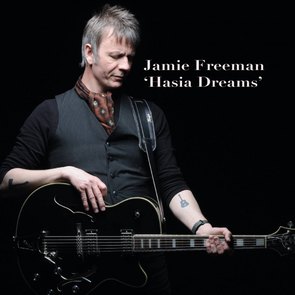 It’s been a while since a Jamie Freeman disc slid through the letterbox, his last release being 2013’s 100 Miles From Home. Despite being a familiar name down south in the UK Americana world as a musician and a behind the scenes mover and shaker he’s not well kent up here which is a bit of a pity. 100 Miles From Home (recorded with his band The Jamie Freeman Agreement) roamed around jangled power pop, English folk and dark Americana creating what should really be considered as a bit of a lost classic. There are certainly elements of the first two on this EP but there’s also a healthy dash of patchouli scented psychedelia with Freeman admitting that several of the songs are influenced by his favourite sixties bands.
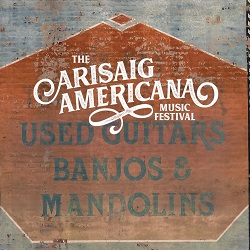 The West Highlands of Scotland may well be one of the most beautiful places on the planet and there’s been no shortage of music emanating from the area over the years, most of it in the traditional vein and reflecting the rich culture of this historical landscape. Now, an enterprising musician, Mairi Orr, wants to see the West Highlands, or, more specifically, the village of Arisaig, on the romantically named “road to the Isles” to become a beacon for Americana music in Scotland complementing the sterling work carried out by the likes of Celtic Connections in Glasgow and Perth’s Southern Fried Festival. Orr (whose music we’ve discussed
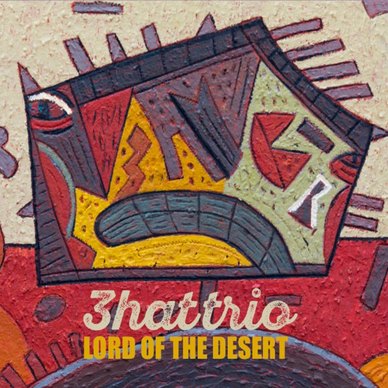 The sun blasted and sand blown 3hattrio, denizens of Utah’s Southern Desert, continue to comb their way through the arid and atmospheric landscape which surrounds them on this, their fourth full length album. Their basic line up of guitar, violin and double bass is again enhanced by spectral sounds and effects while the voices are often like shamanistic exhortations with repetition used to induce an almost trance like effect.
 Blabber’n’Smoke was glad to have a sneak preview of Colorado musician David Starr’s latest album, South and West prior to him playing a show in Glasgow this week. The follow up to his acclaimed
  Hot Tuna – Live at New Orleans House Berkely, CA 9/69
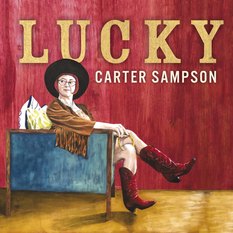 She’s the self styled Queen of Oklahoma but Carter Sampson extended her sovereignty into European territories with the 2016 release of Wilder Side, her first album to see distribution on this side of the water. Its success saw her playing at the Maverick, Glastonbury and Kilkenny Roots festivals as part of the eight tours of Europe she has undertaken in the past two years and on the eve of another visit we get a brand new album to whet our appetite.
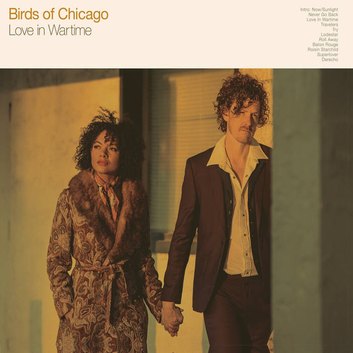 On this, their third full studio album, Birds of Chicago firm up what has been called their “secular gospel” sound, the trademark harmonies of Allison Russell and JT Nero still to the fore but with the music slightly more muscular as befits an album which slyly cocks a snoot at the world of fake news and atrocities we currently live in. It’s not a political album nor a collection of protest songs, rather it’s a celebration of life and love, the antidote they believe to troubled times, and not just romance. It’s all kinds of love, maternal, familial, the ties that bind us and shape us. As Nero said to The Chicago Times, “We didn’t want to make a heavy-handed record, but a joyful rock ’n’ roll record while acknowledging that the stakes feel high.”
 Edinburgh based Al Shields has been carving a bit of a reputation on the local Americana scene over the past couple of years. Here he ditches his usual acoustic presentation for a full blooded band sound giving us six songs which are all fine country flavoured rock numbers and which display his admiration for the likes of Jason Isbell along with some venerable artists who have walked this road before. Melodic, with curling guitars and a flavour of sweet pedal steel playing, Shields and his Delahayes have turned in a most welcome collection.
 A four piece from Michigan, Cold Tone Harvest remind one of an earlier manifestation of what we call Americana these days. Listening to their muscular amalgamation of rock rhythm with banjo, fiddle, mandolin, Dobro and pedal steel we were reminded of bands such as Granfaloon Bus, Hazeldine and even Whiskeytown who were blazing trails just before the turn of the century (writing it that way does make it seem a long time ago). Anyway, this isn’t a “country” album by any stretch of the imagination but it surely does qualify as Americana as it bops and weaves along with some mighty playing on show, the songs sometimes dusty, sometimes cold, several of them squirreling right into the brain with Random Stance the best example. A slow brooding number with grumbling guitars over gently rumbling percussion it slowly drifts from the speakers with Andrew Sigworth’s vocals summoning up a cold and forbidding picture, it’s quite wonderful.
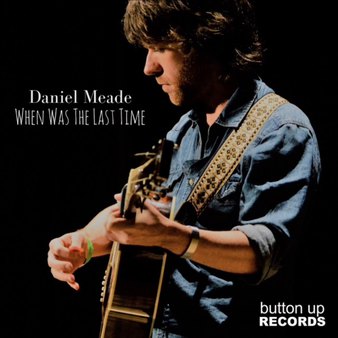 Glasgow’s Daniel Meade has made his reputation on the back of a series of impressive albums which reached into the hinterlands of American folk, country and rockabilly aided and abetted by names such as Old Crow Medicine Show and Diana Jones. When Was The Last Time is a different kettle of fish in many respects however as Meade delivers a set of songs that positively explode from the speakers with a full bodied rock sound full of clangourous guitars and driving rhythms. He’s been on tour for a while with Ocean Colour Scene (playing keyboards) and perhaps some of their stadium filling sounds have seeped into his soul while some folk will remember his days as the jangle meister guitar player (on Rickenbacker even) in The Ronelles.