Back in March Blabber’n’Smoke spoke to Paul Tasker about his solo album Cold Weather Music. We also spent some time discussing the exciting news that Doghouse Roses had a new album recorded, their first in six years with Paul promising a November release. True to his word, Lost Is Not Losing hits the streets this week and, several listens in we can confirm that it’s been well worth the wait.
Comprised of Tasker on guitar and the glorious voice of Iona MacDonald, Doghouse Roses are one of those bands who are critics’ favourites with a devoted following both here and abroad especially in Europe. Critical acclaim however doesn’t always butter the bread and following their excellent 2010 album This Broken Key they had a hiatus of sorts. An invitation from cult US art rockers Television to open for them on a European tour in 2014 was a kind of kick starter and it paved the way to this album. They’ve been back on the road and released two EPs in the past two years and finally with Lost is Not Losing they emerge triumphant.
Since their tentative string laden debut and the woody Americana of This Broken Key Tasker and MacDonald have matured as songwriters and while they still tread in the footsteps of artists such as the Pentangle family, Gillian Welch, Fairport Convention and John & Beverly Martyn the pair confidently march forward. The album is a fine mix of assured and melodic folk rock along with strong ballads and even some mild rockabilly. Gathering around them a sympathetic crew of musicians and vocalists the album is fully realised, the songs throughout balanced perfectly.
They open with the liquid gravitas of Pour, a lambent lament on the effects of alcohol on a relationship with Tasker’s electric guitar slowly burning as MacDonald commands the voice of a wounded soul, battered but proud, the song akin to an early Fairport number when Richard Thompson and Sandy Denny were ascending to their heights. With drums and bass from Craig Lawrie and Stephen McGourty gently propelling the song along with harmonies from Jo Shaw and Biff Smith the song is a fine declaration from Doghouse Roses that they’re back. To Decide displays the pair unadorned, Tasker’s guitar wizardry and MacDonald’s voice welded to each other on a wistful ripple of a song which seems to have had its genesis in late night post gig decisions. The pair delight again on the old time New Year Rag, a song that has a political context delivered with the breezy sassiness of the likes of Malvina Reynolds while the starkly beautiful After Sun addresses an environmental collapse and Feed The Monster tips against global avarice and the indifference which allows it to grow unfettered.
Elsewhere the basic duo sound is gently expanded to include mandolin ripples (from Laura Beth Salter) on The Whistle Song offering a fine folk lilt and an opportunity for Tasker and Salter to indulge in some duelling string playing. Jez Hellard adds some excellent and earthy harmonica to the tale of a prostitute on Fairground and there’s a full band set up for the breezy folk rock of Crooked Life which in a blindfold test could easily be assumed to be an outtake from Fleetwood Mac’s witchy Stevie Nicks. There’s some electric guitar muscle on the driving rock of Weather The Storm (courtesy of John Alexander), the song itself wonderfully arranged in its dynamics and vocal performances in the middle eight especially. Perfect radio fodder as is the chunky retro groove of Diesel Engine with the Roses’ letting their hair down somewhat as various guitars slip and slide and snarl, the lead on this occasion handled by Slovenian guitarist Dejan Lapanja.
The album draws to a close with a song that sounds as if it’s been summoned from the halcyon days of sixties folk. Days Of Grass And Sun displays the duo’s strengths with MacDonald’s voice crystal clear and assured as Tasker lays down his intricate finger picking and flourishes. The song itself has the perfect mixture of simplicity and memorable melody that characterised the likes of Tom Paxton, Fred Neil and even Joni Mitchell in her Clouds era. It’s a wonderful ending to what is a wonderful album throughout.
Lost Is Not Losing is released this Friday with a launch event at The State Bar in Glasgow. They appear again the next night at The Admiral Bar as part of a Light Of Day charity gig before the band head off to Germany for a short tour. Dates here
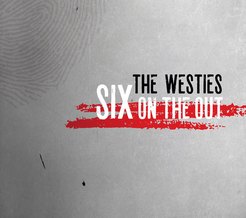
The Westies, a Chicago based outfit fronted by husband and wife Michael McDermott and Heather Horton are named after an Irish affiliated New York gang of the ’60s and 70’s whose home turf was Hell’s Kitchen. Their debut album, released last year was a powerful package of bruised and gritty urban tales which recalled the likes of Springsteen and Willie Niles. Six On The Out very much continues in this vein with McDermott saying, “I was focused on the story, a second instalment. What happens next to these characters?” What happens next is more tales of urban struggle, the outsider trying to fit in, damaged characters with traumatic pasts, physically and emotionally wounded, McDermott gives voice to them all with a grim authority that is partly drawn from his own back story.
As in a Peckinpah movie there is violence galore here but it’s delivered with panache, the blood and guts offered an artistic out, in this case the craftsmanship and, at times, the sheer beauty of the lyrics and music. For the most part there’s a muscular drive to the songs which vary from pained country styled ballads to blue collar rock, Horton’s fiddle as much to the fore as guest Will Kimbrough’s guitar. The opener If I Had A Gun is a fine scene setter, the protagonist just released from jail straight back into the scene’s that sent him there in the first place. A sinister piece with lashes of guitar over a slow beat as McDermott huskily narrates it’s dramatic and somewhat unnerving and he repeats this on several other songs on the album with the closing song Sirens a raw tale of childhood violence, drugs and jail and car wrecks, as dark as the darkest hardboiled American authors.
While the lyrical content is not much lighter the band offer up the Irish influenced The Gang’s All Here, head into Bruce territory on the driving Santa Fe and retell the tale of Billy The Kid on Henry McCarty (the Kid’s real name). Horton gets to sing lead on Like You Used To Do, a wonderful broken down country waltz, her voice so evocative as she sings about a relationship shattered by her man’s drinking, her voice echoed by a hurting guitar solo. Is it fair to ask that McDermott and Horton consider doing more of this as an album of hurt Heather Horton songs could be a winner.
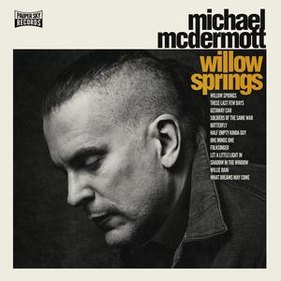
In the meantime it’s McDermott who has released a solo album, Willow Springs. Apparently it’s his tenth effort after being signed to a major label back in the early nineties. His bio is refreshingly honest in that, alongside the initial hype of the times, he screwed up, succumbing to booze and drugs, eventually kind of limping along until he achieved sobriety. A couple of years clean now and with a wife and baby daughter egging him on he is on a roll with two albums from The Westies (along with his wife Heather Horton) under his belt and now this solo album. In fact many of the names on The Westies’ album reappear including Horton, Will Kimbrough and Lex Price and the difference between the albums is at times paper thin. McDermott still reminds one of Springsteen although in this case it’s the Springsteen who reminded folk of Dylan way back in the seventies. Lyrically the albums do differ, Willow Springs still contains its fair share of stories but they’re more opaque than the blood spattered city street tales of Six On The Out and one gets the sense that the romantic losers and redeemed rebels sung about here are McDermott’s way of making sense of his own journey.
While Getaway Car and Half Empty Kinda Guy press the pedal on the E Street highway a little too enthusiastically the opening title song points the finger at Dylan as McDermott fires out the alliterative lyrics with machine gun rapidity as he travels down his own desolation row. The venom at the beginning of the song is eventually supplanted by a sense of hope and the album follows suit almost with its closing songs portraying a man more comfortable in his own skin and able to manage his emotions. In between there is confusion on the brisk These Last few Days, a rebel without a cause on Getaway Car and on the haunting Soldiers Of The Same War casualties build up as folk try to run from their past.
They say before you can get up you have to hit bottom and on Butterfly McDermott paints a grim picture of addiction before seeing a light at the end of the tunnel on Half Empty Kind Of Guy and trepidatiously allowing himself to feel again on One Minus One. On the self mocking Folksinger McDermott is in control and able to poke some fun at the thought of him and Bono sitting on top of their millions and there’s a genuine sense of joy and relief in the sweet and soulful Let A Little Light In, a song that recalls Danny and The Champs country soul with its backing horn section. In the notes for the album McDermott says that in his turbulent years he also had to endure the death of his father and Shadow In The Window is an affectionate tribute to the man who raised him. Switching generations Willie Rain is a delightful ditty dedicated to his daughter (which opens with her saying “I love you daddy”) and it’s delivered with a jaunty country lope. McDermott closes the album with the grand sweep of What Dreams May Come, a powerful and emotive song of hope and dreams that again centres on his father but which also looks to the future. Sung and played with a dignified restraint the song avoids mawkishness and is a fine closing statement on what is a very fine album.
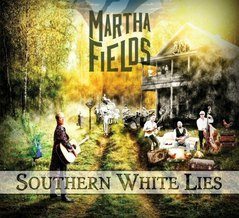
Last October Blabber’n’Smoke was intrigued to receive a bona fide album of Texan tunes that was recorded in France. The album, Long Way From Home was billed as recorded by Texas Martha & The House of Twang and some investigating (well, reading the liner notes) revealed that while Texas Martha AKA Martha Fields was indeed from the Lone Star State the House Of Twang were all Frenchmen who appeared to have been steeped in the whys and wherefores of Americana. Now Martha has her second album, Southern White Lies ready for release (we reviewed it here), again recorded with her expert Gallic pickers (Manu Bertrand -Dobro, banjo, mandolin, Serge Samyn -double bass, Olivier Leclerc -violin, Urbain Lambert – guitar and Denis Bielsa –drums). Southern White Lies reverses the urge to go West as Fields heads northeast to the Kentucky foothills of the Appalachians, her mother’s homeland. Martha’s playing all over Europe to tie in with the album release and she and her band are making their first Scottish appearance this weekend at Perth’s Southern Fried Festival. She took some time out of her busy schedule to talk to Blabber’n’Smoke about the new album. First off however we asked her how a Texan musician comes to be living and recording in Bordeaux, France.
I’ve been coming over to Europe and to France in particular for the past four years after I was invited to play some festivals. I have some friends who live around Bordeaux so I was invited to play here and I thought, “Wow, they like this kind of music over here” so I started to come over in the summer to escape the Texas heat and found that I really like the lifestyle. So just staying here and playing shows, I happened to meet some amazing players and eventually formed the band.
Your band are all French I believe.
They’re all French but they’ve been playing this kind of music since they were little bitty kids and they love it. They know more about the history and the trivia than I do. They live it and they are super players, they’ve played all over the world with some very well know French stars, Johnny Hallyday, Dick Rivers, stars for another generation but big names over here.
I’ve heard of Johnny Hallyday but not Dick Rivers.
Oh, he’s kind of like the French Elvis. He’s older now but he cut an album last year that I really like, he’s good.
Was Long way From Home your first album?
It’s my first solo album but I’ve played with other bands and in various collaborations back in the States. I’ve been writing songs since I was six or seven years old but I had another career. I was a professor in Texas, teaching but I was always playing my music, weekends and such. But now I’ve taken a hiatus from that to concentrate on the music for the meantime. I can always go back to that when I’m 80 or so. In the meanwhile I’m having a great time and it’s working really well.
Long Way From Home got some fabulous reviews
I was really pleased. We got a lot of radio play all over the place. I was very happy with the album, it was Texas boogie most of the way but as you know I love folk music, that Appalachian thing as well and in my live show I do both and people seem to appreciate that variety. I was really pleased with the way Long Way From Home turned out but for this one I really wanted to show that other folkier side. Some folk might prefer the honky tonk songs, some the folkier ones but I want to express both aspects, who knows, it might help me gain a new audience because of this slightly different approach but overall this is me.
Southern White Lies is quite different, the music’s acoustic, it draws from the Kentucky and Virginia Appalachian traditions with the cover art reflecting your memories of family playing on the front porch. Where did you get the inspiration for the songs you wrote for the album?
I usually always take it from real life, reflecting on things that have happened to my, my friends, my family, things that are happening politically. That’s how I’ve always dealt with things that I find joy in or sometimes pain, I set them to music.
There’s a thread going though the album, a sense of social justice. You see Southerners as being used and abused over the years, especially by politicians.
It’s happened to my family! Right now, there’s a lot of conflict going on, not just in the states, politically it’s a very difficult moment. I wrote two songs, American Hologram and Southern White Lies maybe 12 to 18 months ago but I didn’t realise things were going to get this challenging. I’ve got family on both sides of the political spectrum and it can get really difficult to talk about these things over the kitchen table. I don’t think that people realise that we are all fodder for all these games that politicians play but we’re living it. I try to stay positive and one of the ways that I’m able to address it is through my music. I wrote a line in the title song that says, “pandering politicians, we need more musicians”. We need artists to really address what’s happening. If you think back to the sixties, there were a lot more artists singing about issues but there’s less of that these days, maybe because of the way the industry is these days. We don’t have much of a voice now and I think that’s one of the reasons we’re in the mess we’re in.
The album isn’t all political. I redid my song about my aunt (Do As You Are Told) because when I wrote it I really had in mind more of a bluegrass feel although I suppose it is a political song in a way just because of her own life. But there are love songs, bluegrass, Gospel and there’s a good old drinking song.
The Janis Joplin cover (What Good Will Drinking Do You)?
Yes, you’ve got to have at least one drinking song. It’s life. We cry, we drink, we go to church, we do all these things so it’s really just a part of everyday life.
So are you bringing the whole band over to your appearances at Southern Fried?
Yes. The only one who’s not coming over is Oliver, the violin player. He’d already been booked for something else by the time we arranged to come over but the rest of us will be there. We are playing two shows, one on Friday evening and then late on the Saturday night. I’m really looking forward to it, it’s my first trip to Scotland and the festival line up looks amazing.
Thanks for taking the time to talk with us. I look forward to seeing you in Perth.
As Martha says, she is playing two shows at Southern Fried with the Friday show on the free outdoor stage, an incredible opportunity to see an artist who in a short time has leapt to the forefront of rootsy American music. You can check her show times here.
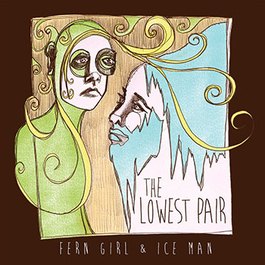
Some records just capture the essence of an old America, rooted in the hills and woods and the songs and tunes that early immigrants brought with them to the new world, sounds that informed the pioneers of what we now call country music. Generally it’s relatively unadorned, strings and a few other things, voices raw and elemental, spooky or life affirming, summoning up deep dark woods or back porch pickin’ and grinnin’. Blabber’n’Smoke has reviewed several artists who brilliantly evoke this old time essence, Cahalen Morrison & Eli West, Pharis & Jason Romero and Anna & Elizabeth come to mind. Time then to add the duo of Kendl Winter and Palmer T. Lee, AKA The Lowest Pair to this club as Fern Girl & Iceman just oozes with that rarefied mountain air.
Basically a duellin’ banjo duet Winter and Lee are rooted in the Clinch Mountain musical style, one of the backbones of Appalachian music and listening to the album is somewhat akin to being near the clear mountain streams and wooded glens of Georgia. Recall if you will the early outdoors celebration of the river in Deliverance, the grand beauty of a wilderness and the music that grew out of it. The pair capture this perfectly with banjos strummed and picked, occasionally extended into virtuoso breaks, the vocals, Lee a rough-hewn tenor and Winter a little girl lost, her voice recalling Victoria Williams at times. In fact listening to her one can imagine that this is what Sissy Spacek would have sounded like if she had made a rootsy mountain album back in the seventies. Swapping lead vocals and harmonising excellently together the pair add guitar, tambourine and harmonica to their banjo playing while a spare backdrop of bass, drums, lap steel and fiddle offer occasional embroidery.
There are 11 songs here and all are of the highest quality. There’s the halting Stranger with its skeletal string picking, the old time waltz of Trick Candlelight with its delightful lap steel adornment and the driving ballad Sweet Breath which sounds like it came from the Child ballads. Waiting For The Taker is proof positive that a pair of banjos can summon up a storm of emotion as they flail together in a modal fashion which again recalls old time ballads of dread and doom. It’s chilling in its icy beauty with a tremendous instrumental break which recalls Indian sitar scales. The best is left to the end with the closing song How Can I Roll a perfect summation of the album, a frail cry into the wilderness with tentative picking, aching harmonies and ominous fiddle all folding into a plaintive lament. Overall Fern Girl & Iceman is an album that is fresh and timeless and they get extra points for naming themselves after an obscure John Hartford word poem. Check it out.
How best to support your favourite acts and artists? I’m sure that Blabber’n’Smoke readers do more than their fair share, buying records, going to gigs, funding Kickstarters and such. Now music promoter Rob Ellen, who is based in the Highlands, has a new concept which he announced on July 4th, Independence Day of course for those in The States.
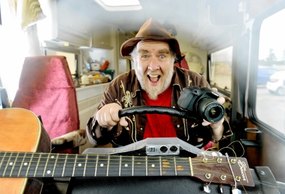
To call Rob a music promoter is to sell him short. His Medicine Show umbrella covers all sorts of activity. He promotes artists, organises tours and house concerts, has a syndicated radio show and an online webzine carrying album and live concert reviews. In addition, he is one-half of The Slim Panatellas playing tea chest bass with cigar box guitar genius Don Jack. Now Rob has set out on perhaps his most ambitious project, iMTV, an innovative attempt to showcase music, offer folk an opportunity to become a patron and hopefully put some money into the pockets of the featured artists. It’s fully explained on his website but essentially Rob is setting up a music video channel which will carry music content such as tour documentaries, streamed concerts and the like, all unique and filmed and recorded by Rob. To facilitate this he has vowed to spend the next year touring the UK converted Hymer Mercedes motor home which is now a mobile TV studio, The Medicine Music Moose Mobile.
Photograph by Gair Fraser
It’s early days. The 4th July declaration was the curtain raiser for a fund raising drive asking for a minimum £10 donation for a year’s subscription to iMTV once it’s up and running. In addition musicians will have a members page on the iMTV site and will receive 50% of subsequent subscriptions made through their page. The initial fund raising page is here. It’s a bold venture so Blabber’n’Smoke spoke to Rob about the idea, his hopes and expectations and we started by asking him why he was doing this.
It’s a couple of things. I got frustrated sending out my artists’ CDs to DJ’s and writers. Many of them are good enough to play some songs or write about the music but it’s getting harder and harder to establish an artist, it’s the same worthy crew who play the songs. There’s a lot of resources thrown into trying to get on the radio and I thought, well why not set up a TV station? If we can attract people to that it will be a whole lot better than just one or two radio shows playing the music. And I also wanted to come up with a plan that can reward the artists themselves, affiliated artists will get 50% of any profits that come in.
Why do you think a TV concept will be more effective than a radio play?
I think that if you offer music in a video in these days of instant interaction then people will be more likely to remember it. I want to capture a moment and then share it with people on the video channel and also via social media.
You’ve got a mobile TV studio which you’ll be using to record shows and events.
Yes, I’m out on the road right now, I’ll be doing this for the next year, collecting content, spreading awareness and trying to raise the funds we need. So the Moose mobile will touring the country, filming and recording and we’ll be trying out the results initially on the House Concert TV channel.
I’ve given myself a year to see if we can get fully funded to see if we can do it properly. There’s a fundraising page which has started off really well but I need to keep up the momentum. So far it’s mostly folk I know that have contributed but I’m hoping that word will spread. I hope that people will see it as an investment of sorts, it’s only £10 I’m looking for and for that tenner anyone who contributes might eventually make some money if it all works out.
So what’s the current state of play with you on the road?
Right now I’m on the road with Chuck Hawthorne who’s on his first tour of the UK. He’s playing gigs, house concerts and festivals and I’m recording and filming all of it. I’m also going to try some live streams directly from the Moose mobile which will go on to Facebook, we’ll call it Chuck in the truck! It’s great to be starting off with Chuck as he’s got such an interesting back-story and hopefully we’ll get some footage of him recounting it and it will all go up on the Moose Mobile Facebook page. At the end of the tour I’m hoping to edit what we’ve got into a documentary. I think that Chuck is as important an artist as I’ve worked with for a long while and also it will be nice to get a capture of the current UK Americana scene as seen through his eyes.
Will you plan to do more documentaries once iMTV is up and running?
I think it will be more live streams, bang, bang, as it happens, captured warts and all allowing you to interact with the artist as it happens and then archived so that you can revisit it, share it and such. As the project progresses I’m hoping to install cameras in a couple of our regular concert spaces which will allow us to edit some concerts afterwards for a really professional showpiece which will be available to watch time and again.
So at the moment we are trying it out, getting to know the equipment and seeing what we can with it so that when iMTV is good to go we will be up and running from day one. It’s a steep learning curve but I’ve got a team of folk back home helping me set it up. This time next year we hope to have enough money to man it all and to entertain a target of 60,000 subscribers.
So if you want to get in on the ground floor you can send in your tenner to Rob’s Go Fund Me page. In addition it would be a tremendous help if folk can share this using the links we’ve included or by just sharing and mentioning this page. It’s a vision we can all participate in after all.
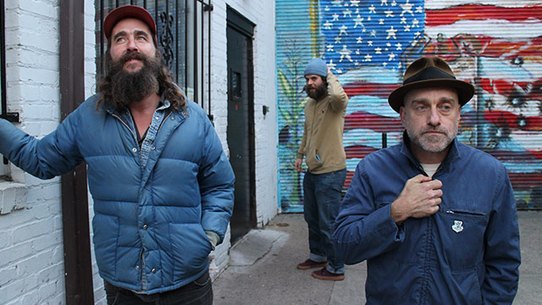
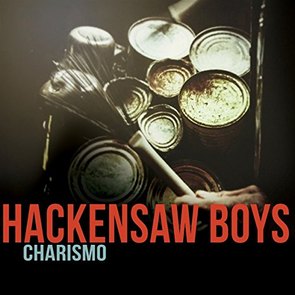
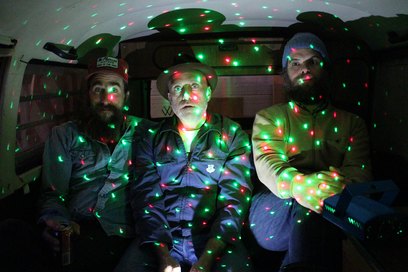
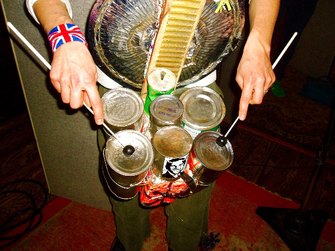
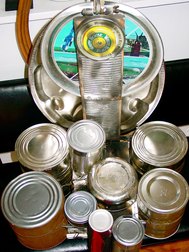
Since their formation in Charlottesville, Carolina around 19 years ago The Hackensaw Boys have gained a couple of reputations. One concerns the sheer number of musicians who have passed through their ranks over the years. Another more pertinent one is of being one of the most joyful and rambunctious live bands around, raucous and great fun, “head banging string band music” one reviewer said of their shows. This month sees the release of their latest album, Charismo (on Freedirt Records) which is named after their preferred percussion gizmo, a contraption composed of tin cans, hubcaps, car licence plates and other “junk”. A Heath Robinson like contrivance that’s like a steam punk washboard the Charismo has been an integral part of their set up since the first one was hammered together by one time band member Justin “Salvage” Neuhardt. Coinciding with the album release the band are setting out on a lengthy European jaunt which started in The Netherlands and includes four UK shows this week including a slot at Maverick Festival.
Charismo is their first full-length release in almost ten years and features the current line up of David Sickmen on guitar, Ferd Moyse, fiddle, Jimmy Stelling, banjo and Brian Gorby on Charismo and drums. Produced by Larry Campbell who has worked with Dylan and Levon Helm it has 11 songs (all written by Sickmen and Moyse) which can ripple and ring with an old time Appalachian swing, swerve into folk territory or just generally rip it up. Songs like Ol’ Nick and Limousin Lady are simply exhilarating while The Sweet is a folky number that could have been penned by Ewan MacColl. There are whoops and hollers aplenty but some reviewers have commented that the album is just that bit more mellow than they had come to expect from The Hackensaw Boys. Certainly C’Mon Baby Don’t Bet Against Me and Flora roll sweetly along, the former reminding me of The Nitty Gritty Dirt band in their heyday but even in mellow mood the Boys still have a fine rustic rawness.
Blabber’n’Smoke had the opportunity to speak with original band member David Sickmen while he was in Pittsburgh in between shows. David was happy to talk about the meandering history of the band along with some discussion about the current parlous state of politics (which I’ve left out here, suffice to say we both dislike blonde buffoons peddling lies and fear) but first of all I asked him about the album and those comments on the band mellowing somewhat.
Well we had this batch of songs we took into the studio and that’s different from playing live. In the studio there’s the temptation to shine every diamond but really we just tried to make every song sound great and with Larry Campbell producing it was just a very natural and easy process. As for the songs however I’d be lying if I were to say that I’m not getting older and maybe a bit more mellow so a lot of what I think about writing about is on the softer side of things, more ballady if you like. But the live shows are definitely energetic and we want folk to come out and party and leave all the bad shit, the Donald Trump’s and that behind and come out for a couple of hours and dance and party and drink beer.
Larry Campbell’s probably best known for being Dylan’s guitarist for several years on The Never Ending Tour and for producing Levon Helm’s last albums. How did you hook up with him?
Through mutual friends. We reached out to a friend who got some demos we had recorded in Amsterdam to Larry. He thought they were great and he agreed to produce the album.
This is your first full-length album in around ten years, why so long?
Well we’ve had EPs and such but yes, this is the first album in about ten years. Why? Well, life, poor management, people leaving the band and then we were spending so much time on the live circuits that we just didn’t have the time. But I think it’s been worth the wait because we’re more mature now.
The band’s always been something of a shape shifter, people coming and going and then some coming back again. You were one of the original members then you left and then came back again. There’s four Hackensaw Boys right now, is that right?
Yes but we’ll have a fifth member when we get over to Europe, we’re currently looking for an accordion player. I helped start the band in 1999 and then in 2005, well, I guess the pleasant way to say it is I couldn’t think straight anymore so I had to step out for about five years and then some of the other guys had to leave and I came back in, by then I was a lot healthier.
I read that at one point you had about 12 people on stage.
Well we started off as just four guys but within a week or so a friend of ours jumped in on harmonica and then we started doing thses shows in Charlottesville, in a place called the Blue Moon Diner, another guy would come up and say, “I play banjo can I come on up” and we’d say sure and it just kept on growing. We embraced anyone who wanted to play, we just said come on. So yeah, at one point we had 12 guys playing. We did our first tour in a 1964 GMC motor coach, an ex Greyhound bus. 12 of us on the road and we did that for about a year, then people would fall away over time. Some would act up too much, we did fire some people, one of the guys passed away, so yeah, we have a kind of wild history with the line up but I don’t shy away from that, it’s part of the beauty of it all. The thing that’s kind of risen to the top is that the spirit of what we try to do musically has always been there no matter who’s playing in the band.
That’s the spirit of the band but how would you describe the sound of the band?
It’s not truly old time music. If it’s old time at all it’s in the spirit of encouraging people to dance, to come out to the barn if you will and have some fun. It’s maybe our interpretation of what guys in the 1920s might have been like, you know, travelling around, going to different places in like a three county area doing barn dances. Obviously it’s folk music but a lot of us grew up on rock’n’roll and punk and that is filtered into it but really, even after all these years I still don’t know what to call it to be honest. Maybe just say it’s hard rock and folk music that rolls. Some songs rock hard, some are quieter and some just roll along. I mean what do you call it?
Well we talk about old time music, string bands, bluegrass and folk but with a lot of bands it’s all mixed into one. I’m trying to avoid the word Americana here.
Yeah, we get the bluegrass moniker and that’s mainly based on the instrumentation but honestly I don’t think we’re a bluegrass band, traditional bluegrass might share the same instruments but it sounds different from us. We don’t sound like the Stanley Brothers where there’s no percussion, there’s certainly no “badam badam badam!”, the drive is different. When we started out we were listening to traditional music. Our original banjo and fiddle player was into old time music, he was taught by a guy in Harrisonburg called Two Gun Terry. Tom (Peloso) was coming from a background where he listened to Tommy Makem and The Clancy Brothers, his grandfather was an old Irish guy who listened to that stuff, he can probably to this day sing you every one of the Clancy Brothers songs. Me, I grew up around my uncle and he had a lot of records of gospel bluegrass so I heard a lot of that. In addition, my mother was from the coalfields of West Virginia and when we went there to visit family I would hear the Baptists singing in the church. Of the original four of us Robert Bullington, well, his great-great uncle played in a jug band that actually recorded back in the twenties, they were called the Roanoke Jug Band out of Roanoke Virginia and Rob still had his uncle’s original mandolin. So we all had this background but then we were all also into punk and rock’n’roll so that’s really the origins of the band. Another original member was Robert St. Ours who was good friends with Ketch Secor and Critter from the Old Crow Medicine Show, they were in a band together in Harrisonburg called the Route 11 Boys before he joined up with us. We had a guitar, a mandolin, a banjo and fiddle and an upright bass and we learned some old songs like John Hardy and that but we were also all songwriters and we wrote in that direction. It wasn’t fake or contrived, we were trying to honour our perception of Uncle Dave Macon, Doc Boggs, Roscoe Holcomb or Tommy Jarrell and of course the Blues guys, Howlin’ Wolf and such. We were into all of that and we all loved Bob Dylan and we all knew about folk music.
There’s a long list of past and present members of the band on your Facebook page, some 25 folk I think. How do you keep the essence of what it is to be a Hackensaw Boy?
Well the psyche and the story of the band are all these different souls coming in and out of it and while we used to shy away from it somewhat, I mean it was like well who’s in this band, well, the world. It’s a world band.
I sometimes think that if we discovered America today and found all these guys playing banjos and fiddles we’d find it exotic and file it under world music.
Deep down we’re all human beings, genetically we’re all the same but through time and history we’ve all developed different characteristics and I kind of see what we’re doing as similar to that, it’s all one style of music but played in so many different ways. We’re a multi dimensional band, musically, spiritually, even politically, I mean I’m more political than some of the other band members but ultimately you can get trapped by words and descriptions. In many ways we’re still trying to figure out who we are. I’ve found that in my writing sometimes. I’ve written something and I start to think, “is this a Hackensaw Boys song?” and that’s a really stifling, limiting feeling. It’s anti music in a way because it’s all about growth and I feel that this band, 19 years and 25 members later, well, we’re still trying to see who we are. I mean we’ve played everywhere from The Ryman to the shittiest bar in America, we’ve done it all but we’re still searching and I think that’s why we’re still a good band.
The album’s named after the band’s unique percussion instrument, the Charismo which was originally built by Justin Neuhardt who hammered together some tin cans and hubcaps which he then beat with wire-brush sticks.
Yeah, again back in the early days when we were playing in the diner Justin joined in and he was playing spoons and when we were about to go on that tour I mentioned earlier he was like, “I don’t want to play spoons for six weeks”. He’s an artist and sculptor so he showed up a couple of days later and said “check this out”, this contraption and so that was the first one. It’s great, it has the qualities of a washboard but so much more and so we called it the Charismo because it had so much charisma. It really fit in with our sound, pretty soon the audiences in the diner grew until there were folk queuing up outside who couldn’t get in.
I hear that it’s been rebuilt, hammered together, taken apart over the years.
Well I believe that he’s actually built about a hundred of them by now. A lot of them are actually on Justin’s wall back in LA where he’s a full time sculptor.
By the time this is published you’ll be in the early stages of a lengthy European tour.
We’re doing the lot, Belgium, Germany, Netherlands, Czech Republic, Italy, Switzerland, France and The UK. We’ve been over several times and I really like playing to the European audiences, they seem to get really excited about the music. Sometimes in the States we play and people just stand around but in Europe maybe we seem more… exotic, perhaps that’s the word. There’s a festival over here, Floyd Fest in Virginia, which was originally a world music type festival and I went to the first one, 10 or 12 years ago and there were these African musicians and I just stood there in awe because I’d never seen or heard anything like that, so maybe that’s how some folk in Europe see us. We go down really well in Germany and Spain; in the UK we’re not as well known. When we play a place like the Cluny in Newcastle it’s packed but in London the crowds are smaller. We’d really like to crack the festival circuit there. We played Clonakilty in Ireland and it was crowded but in Dublin there was only a couple of dozen there. It’s hard, I mean it’s not hard like a Syrian refugee’s life is hard or how life can be hard in the real world but to keep on doing this and be creative is a struggle. Maybe the UK are still mad about the revolutionary war!
It amazes and also dismays me that bands like yourselves, unless it’s part of some big festival or there’s been some kind of hi-res publicity like a TV show, can play to audiences of less than a hundred over here.
That happens to us in the States as well but we’ll play to small crowds and then big crowds, we’re still slugging it out. We play the exact same show no matter how many people are there, if it’s a really small crowd we might just forget the mics and stage set up and just come down and play on the floor. That’s usually a part of our show anyway. We’ll come off the stage and just break it down to its rawest form and people really like that. It all boils down to making a living and we’ll have some merchandise at the shows, Tee shirts, records. Charismo is out on vinyl and we’ve got a 7″ single we recorded in Amsterdam which is two of the demos from the album. It’s our first foray into vinyl and we’ve actually been selling as many of those as we do CDs.
Finally, can I ask a dumb question? Where does the band name come from?
It started almost as a joke. When we started playing at the Blue Moon Diner the guy who ran it took us on as our manager for a while and we didn’t have a name and he wanted to know what to call us. And then Bobby and Tom said well we’re kind of like hacking and sawing away here, hacking on the guitar, sawing on the fiddle and I think it was Tom who said Hackensaw and then Boys was just a sort of traditional moniker for a lot of Appalachian bands. So that was that but I sometime wish we had left the Boys bit out.
UK dates.
Tuesday June 28 Boston Music Arms London
Wednesday June 29 The Moon Club Cardiff
Thursday June 30 The Cluny Newcastle
Friday Juyl 1 Maverick Festival Easton
Pictures of The Charismo courtesy of Justin Neuhardt. Thanks to Free Dirt Records and Ark PR for facillitating the interview and many thanks to David Sickmen for a really enjoyable chat.
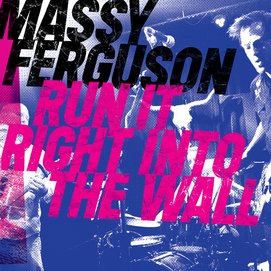
Back in May of 2014 Blabber’n’Smoke reviewed Seattle band Massy Ferguson‘s album Victory and Ruins giving it a big thumbs up while noting elements of The Drive By Truckers, Son Volt, The Jayhawks and Bottle Rockets in the mix. We said it was a great album to have on you when someone asked you what American roots rock sounded like and having revisited it this week we stand by that. Two years later and here’s the follow up, Run It Right into The Wall. It’s no huge departure from their hard driving blue collar rock template but it does find the band slimmed down to a trio (Ethan Anderson, bass & vocals, Adam Monda, guitar and Dave Goedde on drums) following the departure of keyboard player Tony Mann. In addition, there’s none of the pedal steel that graced several of the songs on Victory and Ruins, instead there’s an emphasis on the guitars and a big boost for the drum sound. They haven’t, thank God, turned into a blunderbuss power trio; there’s still plenty of light and shade here. Instead they’ve set their sights on classic guitar bands of the 80’s, REM, The Replacements and such for this set of songs all written by Anderson. In addition, there’s a healthy dose of slightly older classic American rock informing the set.
There’s certainly an REM like jangle to the opening Gallipoli while Anderson’s vocals aren’t a million miles removed from early Jay Farrar here. It’s a ferocious scramble of guitars and driving percussion with a brief and inventive spiralling guitar break midway through. The following Santa Fe then recalls their previous work opening as if Crazy Horse were about to take off before settling into a hard bitten and hard driving road tale which takes the band into Drive By Truckers territory with Monda’s guitar squalling away. While comparisons might abound as the songs unfold it’s important to say that the band in the main transcend their influences. Perhaps the best example here is on Firewater which ripples with translucent guitars giving it a Byrds like feel as it flows along, Anderson’s vocal gruff yet melodic as he sings of a loser whose only friend is the bottle.
The band continue to walk along the ragged highway of American music with the Southern rock strut of For A While and there’s a Creedence Clearwater guitar vibe on the steady rolling Dogbone where the band stretch out allowing Monda space to set off some guitar fireworks. Away From The Devil is another memorable match of classic hardscrabble living lyrics and stone cold American rootsy rock drive, the rhythm section solid as a levy while guitars squirrel and swarm. Anderson comes into his own with the introduction to Front Page News, his voice stained with emotion and hurt before the band swoop in and he lets loose over a powerful E Street type melodrama with an organ added for extra heft.
Heading for the end zone there’s a ferocious run through on Special Meds with Anderson ranting about pills and sanity before the sonically adventurous Into The Wall. Again Anderson is impressive on vocals as a scrubbed guitar and synth drums gently propel his words which portray a character beaten into submission by everyday obstacles and at the end of his tether. As the tension builds the band weigh in with crashing guitar but a mandolin also appears tethering the song and avoiding bombast. They close with the impressive Into The Sun, a pulverising drum beat and furiously scrubbed guitars opening and Anderson’s voice soaring on the choruses before the song ends in a welter of sound.
While it’s not as immediate as its predecessor Run It Right into The Wall is a solid slice of gritty roots rock music which deserves a listen. The band have a fine live reputation and if you’re down south you can check this out as they’re currently playing several dates in England including a slot at next week’s Maverick Festival on the Saturday. There’s an official album launch in London at Zigfrid Von Underbelly at Hoxton Square on Thursday 30th June with fellow At The Helm artists Daniel Meade, Society and Stevie Ray Latham also appearing, a line up well worth catching and at a price you won’t believe (£6 if you ask. Other dates here.
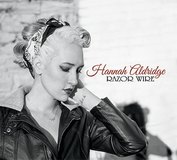
Had to make some space to mention that Lilly Hiatt and Hannah Aldridge are swinging through Scotland this week with appearances in Edinburgh, Glasgow and Aberdeen. Over the past 10 days they’ve been trekking around England to rave reviews, Three Chords and The Truth saying that the pair of them “play music of the soul in a way that captivates a tuned-in audience leaving a trail of awe, satisfaction and belief that straight from the gut music is full of intense appeal”. That straight from the gut comment apparently comes from Aldridge’s description of her music and anyone who has heard her album, Razor Wire will know that she can deliver tough and bluesy rock songs as well as laid back acoustic numbers.
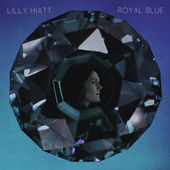
Aldridge is the daughter of famed country writer Walt Aldridge and her companion on this tour is another scion of a notable musician, in this case John Hiatt. This tour is Lilly Hiatt’s first time over here and she has a new album which was released at the beginning of this month. Like Aldridge Hiatt is no stranger to rock music although in her case on Royal Blue she tends more towards the indie side of things, one description of the album saying it’s ” a glorious tumble of influences – surf rock, Smiths vibes, Laurel Canyon twang and jangle, Sonic Youth flatline and Britpop flourishes”. A fair enough description although it doesn’t really tell you what the album sounds like. It doesn’t mention for example the excellent pedal steel on Jesus Would’ve Let Me Pick The Restaurant with its sly references to Lynyrd Skynyrd. From the low rumble of the opening song Far Away to the closing title song Hiatt does ramble across various genres but her fine voice and sharp writing steers her her firmly along American highways and byways. Off Track’s guitars buzz like a swarm of angry wasps, Too Bad veers towards Southern Gothic and Heart Attack is wrapped up in a new wave keyboard bubble.
The Scottish shows are as follows. Check the links for tickets.
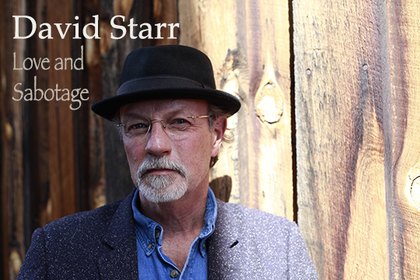
The unassuming, almost professorial, chap staring at you from the cover of this album doesn’t give a hint of the sparkling old school country tinged melodic rock he’s packaged within the cardboard. Starr, from Colorado, has a hefty pedigree under his belt with five previous albums and a lengthy list of acts he’s supported or played with, several of whom turn up here including Richie Furay, John Oates and Steve Cropper. The album ranges from classic guitar driven freeway friendly songs to fiddle and mandolin rich ballads, suffice to say if the likes of Poco, Steve Stills, JD Souther, Andrew Gold and even Fleetwood Mac (circa Rumours) floats your boat then you should lend your ears to the 15 songs on offer here.
The title song opens the proceedings, a radio friendly riff of a song sparked with soaring guitar breaks and some snarly lap steel that keeps it grounded, there’s a muscular heft in the rhythm section and keyboards. It’s classic FM fodder, the Eagles and even Boston recalled as Starr sings with confidence. Secrets, a co-write with John Oates (who provides harmonies), is another song that, had it been released back in the days, could now be a staple of retro radio. It’s supremely melodic in the Fleetwood Mac manner with a winning guitar break and an excellent middle eight featuring some fabulous harmonies. Starr turns in several other songs in a similar vein, the aching Called It Love, a Jackson Browne like drama with Steve Cropper adding some sinuous guitar lines and Our Mistakes which glistens with some Byrds like guitar flourishes.
The album is finely balanced with a brace of introspective numbers and some rootsy ramblings. Long Ride Home is a cosmic cowboy lament, an intricate lace of slide and electric guitar with mandolin and accordion it’s a valedictory to life on the road and beautifully delivered. What Do You Recall is a stripped down piece, piano and fiddle and voice only as Starr peers into a memory of a love, a song that is painfully wonderful, like a love song to a dementia sufferer if that’s not supposing too much. Memory also features on the slinky and slick night-time blues of Afraid as Starr revisits his past while The Beautiful Music Of You (featuring Furay on harmonies again) is a simple love song with a hint of sadness provided by mournful viola.
The rootsiness shines through on the Dobro and accordion driven Acadian rhythms of You Will Come To Know and the jaunty harmonica led skip of No Time Like The Present. However the crowning glory here is Starr’s rendition of Tumbleweed, a song written by Canadian Tia McGraff. With a grumbling and growling guitar underpinning some sweet mandolin and fiddle playing along with some very sweet harmonies (courtesy of Tania Hancheroff) Starr here recalls the luminous sound of Emmylou Harris on Wrecking Ball.
Love and Sabotage is an excellent album and the good news is that Starr is currently touring the UK although he’s performing solo. However, on the strength of this he seems well worth seeing. He appears in Glasgow as part of the Southside Fringe on Thursday his other dates are here.
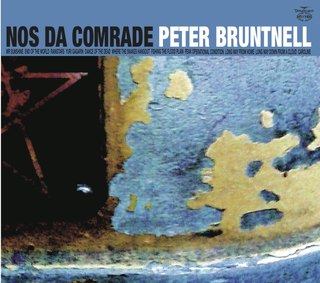
Ten albums in and Peter Bruntnell remains something of a buried treasure, or, according to this excellent article in The Guardian, a “cult hero”. To paraphrase Jane Austen it’s a truth universally acknowledged that Bruntnell’s 1999 album, Normal For Bridgewater is a high water mark for UK Americana music and on Nos Da Comrade, 16 years later, he’s still on fire, delivering punchy power pop and sun dappled songs that invigorate the listener.
The album title pays homage to his Welsh roots (Nos Da Comrade Welsh for Good Night Comrade) and he opens the album with a nod to the plight of fellow Celts as he tears into Donald Trump’s attempts to bully Scots fishermen on the misleadingly upbeat Mr. Sunshine. The infectious and sunny melody camouflages the lyrical attack on the avaricious pseudo politician although there is some anger unleashed on the short blistering guitar solo (and do check out the video for this one!).
Recorded at Bruntnell’s home with a basic trio set up; Bruntnell on guitars and vocals, Peter Noone, bass and Mick Clews, drums (and some later overdubs from James Walbourne and Dave Little adding more guitar along with Peter Linane’s string machine and pump organ ) the album offers several more sumptuous guitar jangled melodies throughout. Rain Stars opens with a Big Star like guitar flourish and a propulsive drum beat before an acoustic guitar starts to bristle beneath the electric strum. String machine and harmony vocals add a slight portentous air to the middle eight, appropriate perhaps as Bruntnell describes this song as “an unlucky man feels picked-on by the universe, toyed with by mad gods like a character from some Greek myth.” The song dips and soars wonderfully, the guitars bright and transcendent. Fishing The Flood Plain is another melodious spangled song which culminates in a tremendous chime of guitars while Plain Peak Operational Condition pumps into action like a new wave killer, all Lowe and Costello, bristling with angst and impatience. Towards the end of the album there’s another fine wallow in jangled guitars on the sublime Long Way Down From A Cloud.
It’s not all sunshine however. Dance Of The Dead opens with a plaintive Bruntnell singing over a slight guitar backing before a delicate piano led melody arises that eventually blooms into a funereal waltz macabre. Where The Snakes Hang Out is a dead eyed observation of shadowy goings on, the guitars much grimmer here. And speaking of guitars there’s the magnum opus of the album, the eight plus minutes of Yuri Gargarin, a song that imagines the mind of a child wishing to emulate the first man in space. Here Bruntnell’s voice is subservient to the liquid guitar meanderings, the band ponderous, an insistent slow beat initially until halfway through the guitar becomes more urgent, flailing around over electric keyboard. It’s a song bound to excite comparisons with Neil Young and Crazy Horse which is, of course, no bad thing.
The album’s rounded out with some winsome, delicate songs. End Of The World is a tip toed acoustic guitar braced exploration of solipsism and is graced by some fine slide guitar towards the end. Caroline, which closes the album, is tender in the extreme as Bruntnell inhales and exhales the essence of English love songs. Like Paul Weller’s English Rose it encapsulates love, longing and regret in a simple although beautiful melody.

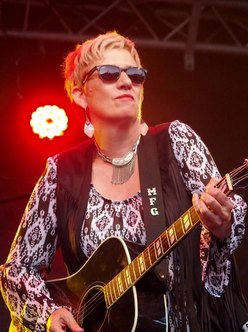
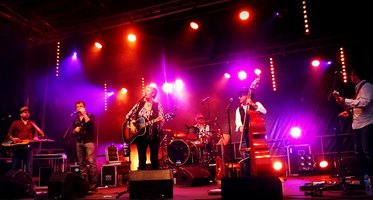

 Photograph by Gair Fraser