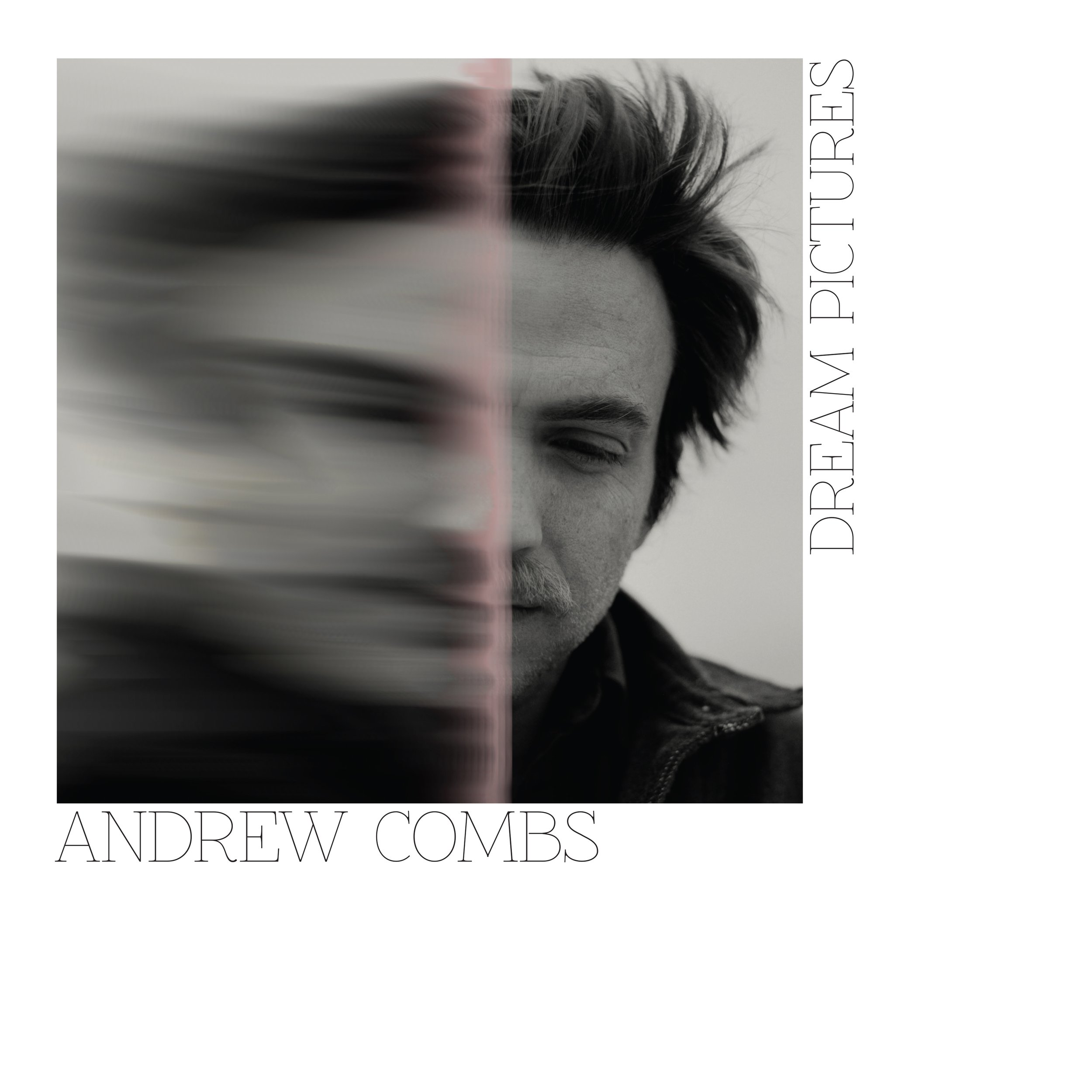
Andrew Combs, Dream Pictures, Loose Music

It’s been a while since we heard from Andrew Combs, a man we described back in 2017 as “mining a rich seam of sixties melodicism inspired by the likes of Roy Orbison and Jimmy Webb.” On Dream Pictures, his sixth release, he eschews the broad sweep which informed many of the songs on previous discs and opts instead for a much more intimate listen. Performed by Combs and his collaborator, drummer Dom Billet (along with Spencer Collum on occasional pedal steel), the songs were written late at night in his garage, a place to retreat to after his kids were in bed and where he could play his guitar, paint and quietly contemplate. 

And contemplation is as good a place to start off from regarding Dream Pictures. Listening to the 12 cuts here is, one the one hand, a relaxing experience, a balm for these heady days as the simple but perfectly arranged songs, in the main very laid back with gentle percussion, delicate guitar and creamy pedal steel, wash over you. On the other hand there’s an undercurrent, a heart of darkness, which adds a sense of edge to several of the songs. Electronic burblings and vague echoes of Krautrock percussion percolate throughout the album culminating in the wake up call which is To Love a song which which halfway through erupts in a blaze of guitars and banshee vocals. Much less dramatic but almost as unsettling is the Sparklehorse like Table For Blue with its throbbing keyboards and off kilter pedal steel interludes, the end result somewhat akin to a David Lynch like dream vista.

From the start Combs signposts that some of his dream pictures might not be a source of comfort as such and, at times, might actually be somewhat unsettling. The album kicks off with a short instrumental, Fly In My Wine, an atmospheric piece with its lonesome saloon bar piano, droning pedal steel and ambient sounds signalling that things can, sometimes, be more weird than you expect. However any sense of anxiety is immediately dispelled with the soothing (and quite wonderful) tones of Eventide but the following song, Point Across, while still quite beguiling in its delivery, has its shades as does Heavy The Heart which is quite a gorgeous song although all of Combs’ la la la’s can’t disguise the emotional hurt it describes. While Combs can offer Nilsson like pop on Mary Gold or sweet psychedelic vibes on Your Eyes And Me his contemplation seems to have led him to a bitter sweet acceptance of the darker side of life, a world removed from his family haven. The two closing songs, The Sea In Me and Dream Pictures cement this idea with the latter particularly memorable, resembling as it does the likes of Tim Buckley and Fred Neil.

 So, quite a gorgeous listen, an album to wallow in but with darker tones for those who listen closely.
Website

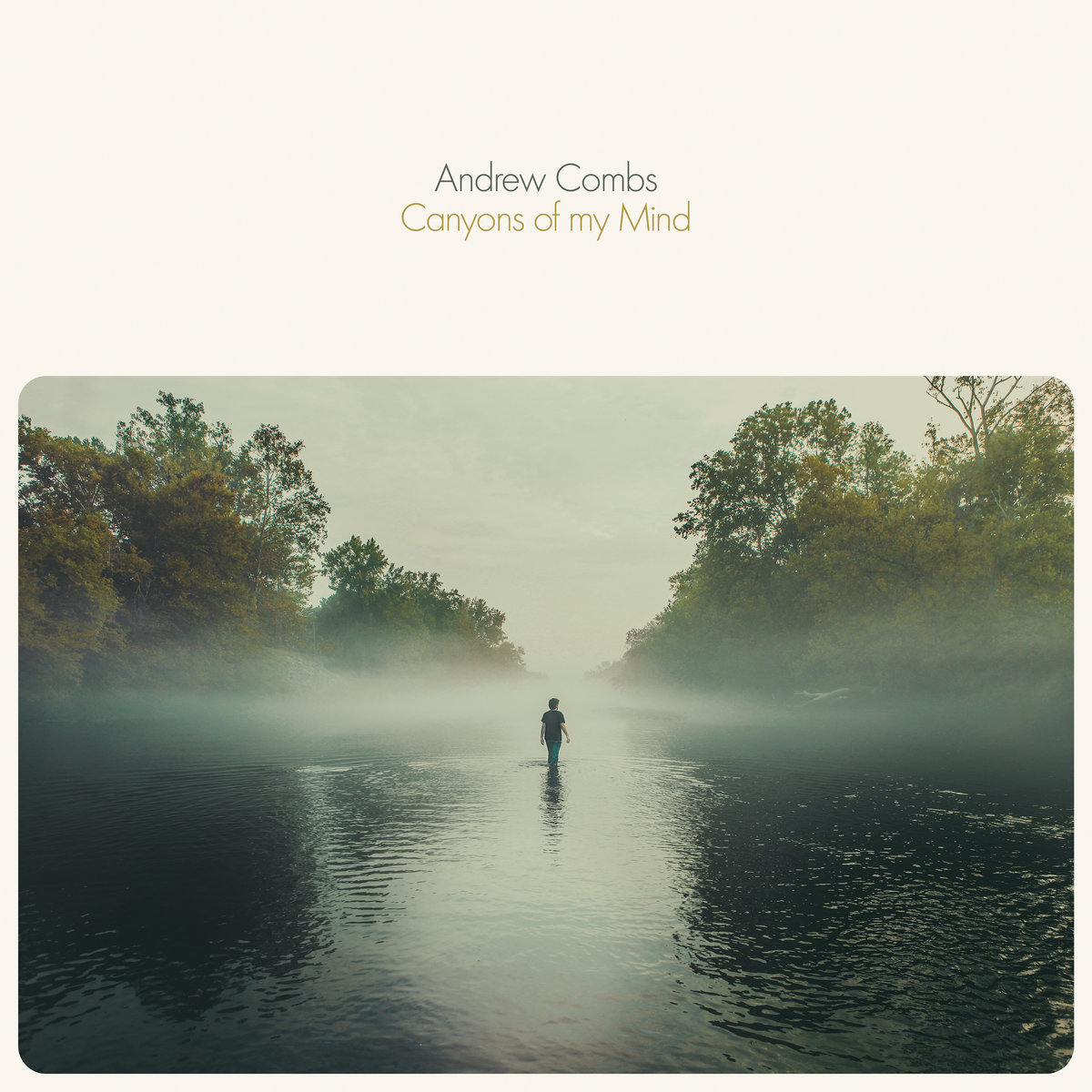
Andrew Combs. Canyons Of My Mind. Loose Music

a0602568844_10Andrew Combs‘ 2015 album, All these Dreams, catapulted him to the forefront of modern Nashville pop music. Away from the turgid embrace of the country bro’s he was mining a rich seam of sixties melodicism inspired by the likes of Roy Orbison and Jimmy Webb. His follow up, Canyons Of My Mind (a nod perhaps to Bob Lind’s mid sixties hit, Elusive Butterfly), is a more complicated affair, a heady mix of his tried and tested melodies with strings along with a tougher, punchier approach. This is evident from the beginning as Heart Of Wonder opens the album in dramatic fashion as his wavering voice proclaims, “I have run through the valley, I have stormed the shore” over a portentous beat. Like a storm cloud the song darkens, Combs glowers like an old testament prophet as a gnarly electric guitar starts to crackle before bursting into an angry solo over a insistent jangled piano. Riding the waves the song dips and rises before bowing out with a fierce sax solo leaving the listener somewhat exhausted.

It’s a bold start, an indication that Combs has something on his mind and it turns out that much of the album is inspired by his readings of the likes of Charles Wright and Jim Harrison, poets who have hymned the American wilderness. So while there are moments of countrypolitan bliss as on the free flowing Rose Coloured Blues (which recalls Glen Campbell) much of the album is darker, informed by ecological concerns and the current state of his nation. The lead single from the album, Dirty Rain exemplifies this as Combs sings of, “Poison River, muddy water…plastic people stacked in towers with nowhere to go.” That he sings the song in a plaintive voice over a building sweep of strings is dramatic, the end result like Roy Orbison singing a lyric by JG Ballard. Blood Hunters is a cold glimpse into a feral dystopia, the song fuelled by jagged shards of guitar while Bourgeois King is a parable which rails against the bourgeois king who wants to build a wall to keep us safe and promises to make the country great again. No prizes for guessing who this is about but Combs delivers it with a huge sonic palette starting the song out as a jagged bluesy wail before it descends into a smorgasbord of unleashed strings and flute recalling the free jazz of the sixties.

These diatribes sit within a brace of songs that continue in the vein of the previous album. Aside from the aforementioned Rose Coloured Blues there’s the Sixties gaslight romance of Hazel, part Greenwich Village, part Parisian chanson. Lauralee is unabashedly romantic recalling the sound of David Gates’ Bread while What It Means To You is a good old-fashioned country styled waltz. There’s a further twist as Combs slips in two songs, Sleepwalker and Better Way, which have a fine full bellied band sound with a prominent bass sound, the latter in particular indebted to the sound of Joni Mitchell circa Hejira. All together they add to the variety on offer but Better Way especially might nod to another direction this eclectic artist might follow.

Canyons Of My Mind is unquestionably a move on from its predecessor, a songwriter flexing his muscles and casting his eye around. Given the results Mr. Comb is shaping up to be considered in the same breath as the likes of Jackson Browne if he continues to forge ahead.

Website

Andrew Combs. All These Dreams. Loose Music

First thing to say about this album, the second from Nashville artist Andrew Combs, is that we were expecting some kind of Roy Orbison doppelganger to come soaring from the speakers. Seems that comparisons to Orbison have been bandied about all over when folk write about the album but the similarities (if they are there) largely passed us by. Instead we were reminded of the lush arrangements of songs such as Gentle On My Mind and Everybody’s Talking as rippling guitars and sweet strings swept over the two opening songs, Rainy Day Song and Nothing To Lose. Throughout the album there’s a sense of late sixties popular country pop with Strange Bird recalling Mike Nesmith’s latter efforts with The Monkees before flying solo, poppy with hooks galore but with a sly intelligence in the lyrics (and some inspired whistling). On the title track Combs continues to deliver a radio friendly sound on another song that flows effortlessly with strings and a slightly twangy guitar in the middle eight while his slightly weathered voice, attractive throughout, has a passing comparison to Ryan Adams. We have to admit here that the song All These Dreams shares with Orbison’s latter efforts a sense of drama, however it’s the Orbison who was the senior figure in The Travelling Wilburys and of Mystery Girl who’s recalled here and much of that sound was down to Jeff Lynne. Whatever, the worst that can be said here is that Combs has the ability to write hooks as catchy as Lynne and that can’t be all bad.

The latter half of the album steps out from under the Nashville pop umbrella and is all the better for that. The ballad, In The name Of You stands tall next to similar efforts from John Fullbright while Slow Road To Jesus opens like a dusty Kristofferson song before heading into a mock baroque gospel tinged lament. Here Combs’ voice is hesitant and searching while the arrangement is wonderful, the guitars, keening pedal steel and spare percussion perfectly balanced with the swooping strings and brass that adorn the bridge. This is Jimmy Webb or Harry Nilsson territory and it’s executed brilliantly. Month Of Bad Habits has a slight bossa nova feel allied to a deep south sultriness and again it flows sweetly with a hint of menace in its undertones albeit sweetened again by the string arrangements. When the guitar and pedal steel cut loose halfway through the song toughens up and the extended outro is not a million miles away from some of Calexico’s work. Combs closes the album with another understated ballad, Suwannee County that is swathed in warm pedal steel work (from Steelism’s Spencer Cullum Jnr.) and demonstrates that while he’s a dab hand at channelling 1960’s Countrypolitan Nashville pop his stronger hand lies in darker territory.

website