It’s poignant that Rab Noakes’ last album release is a tribute to one half of The Everlys, the brother Don. Noakes made no secret of his love for The Everlys. They were the first concert he attended when he moved to Glasgow from his native Fife back in 1963 and when asked to pick a favourite vinyl disc to play and discuss when at Perth’s Southern Fried Festival a few years ago, he chose one of their albums to enthuse about.
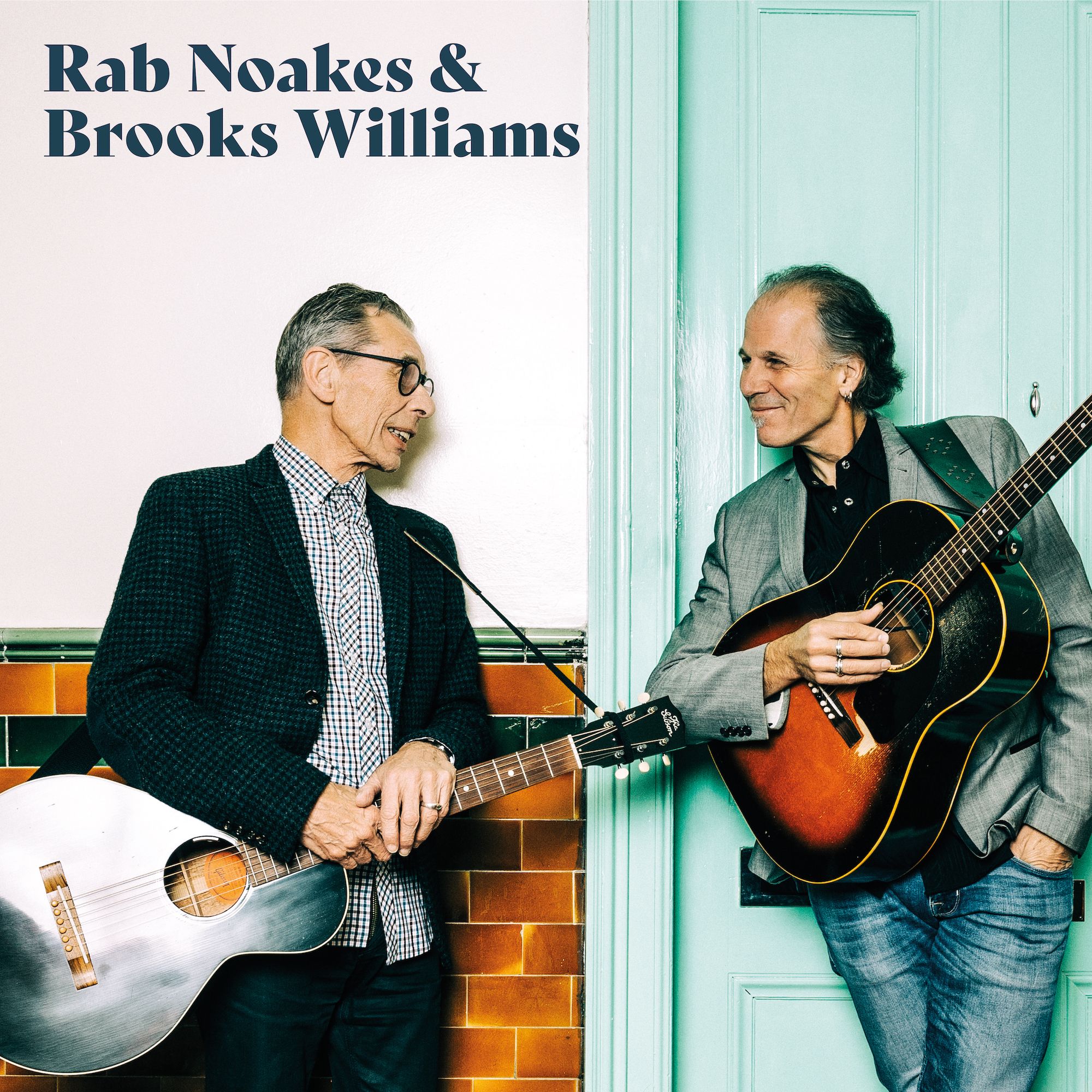
Having long harboured an ambition to record some of Don Everly’s compositions, considering him to be severely underrated as a songwriter, Noakes found a fellow disciple in the shape of American Brooks Williams, a long time fan of Noakes. The pair met when Williams invited Noakes to play on his Glasgow recorded album Lucky Star and happened to mention his love of The Everlys, the spark which ignited this album. It took them a couple of years and a pandemic to eventually get together and do it but do it they did and it’s a glorious listen.
Taking their cues from a mimeographed Don Everly songbook which Noakes had picked up in Nashville back in the 1980s, the pair eschew the hits with most of the songs here originally released as b- sides or album cuts. With the focus primarily on Don’s songwriting there’s not much evidence of the brothers’ trademark sound, their celebrated sibling harmonies. Noakes and Williams do harmonise on several of the songs here but the impetus is on reinterpreting the songs, Noakes famously disliked the concept of just covering a song. It’s a measure of the album’s success that if you had no idea of its provenance, you’d be delighted to hear such a triumphant collection of songs.
With an A list of a backing band (Hilary Brooks (piano and accordion), Kevin McGuire (bass), Conor Smith (electric guitar and pedal steel) and Signy Jakobsdottir (drums)) Noakes and Williams turn in perfect deliveries ranging in style from country rock to rockabilly and all out teenage romance. They open with a bang on the keening pedal steel led It Only Costs A Dime, a sumptuous dip into classic country rock with Noakes sounding quite superb in his lonesome yearnings. Sigh, Cry, Almost Die follows with its slap double bass and walking rhythm harking back to heartbroken teen idols crying their hearts out back in the ‘50s. Should We Tell Him then delves into the early Everly sound as Noakes and Williams join in on the harmonies while the band update it a bit with slippery pedal steel interludes and some tremendous acoustic guitar playing. Williams takes over lead vocals on the sweet country lament of Hello Amy, another song which features the excellent pedal steel playing of Smith who excels throughout especially on the woozy waltz time of I’ll Never Get Over You.
An electrifying performance of Since You Broke My Heart finds Noakes and Williams vying to be considered as honorary members of The Travelling Wilburys on what is a tremendous thrash, a feat they repeat on I’m Not Angry with the band delivering a grand frat-rock rhythm. I Wonder If I Care As Much winds things down with a carousel like arrangement and with Noakes and Williams harmonising perfectly and the album closes on an appropriate note with the valedictory lament which is It’s Over, ironic really as it’s the last song we’ll hear from the much missed Rab Noakes.
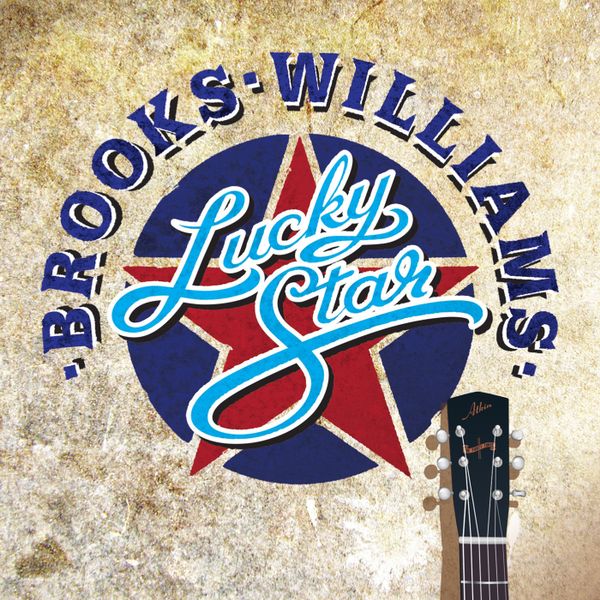 Mention the blues and most folk think of that 12 bar moan of misery which arose from the cotton fields of the south and became louder and prouder as its practitioners moved to cities such as Chicago. It’s a rich and rewarding seam of music to follow but it’s not all doom and gloom and woke up this morning despair. Much of the music played back then was not an echo of the daily injustices rained down but a joyous celebration of life played in juke joints where drink and dancing were the order of the day. Georgia born singer and guitarist Brook Williams kind of sums this up on the opening song here which is called Bright Side Of The Blues, a jaunty number which recalls the sunnier side of Van Morrison in a toe tapping fashion with a fine loose-limbed approach. It’s a fine introduction to Lucky Star, an album recorded in Glasgow with local musicians, Kevin McGuire and Stuart Brown on bass and drums respectively while Newcastle’s Phil Richardson adds piano.