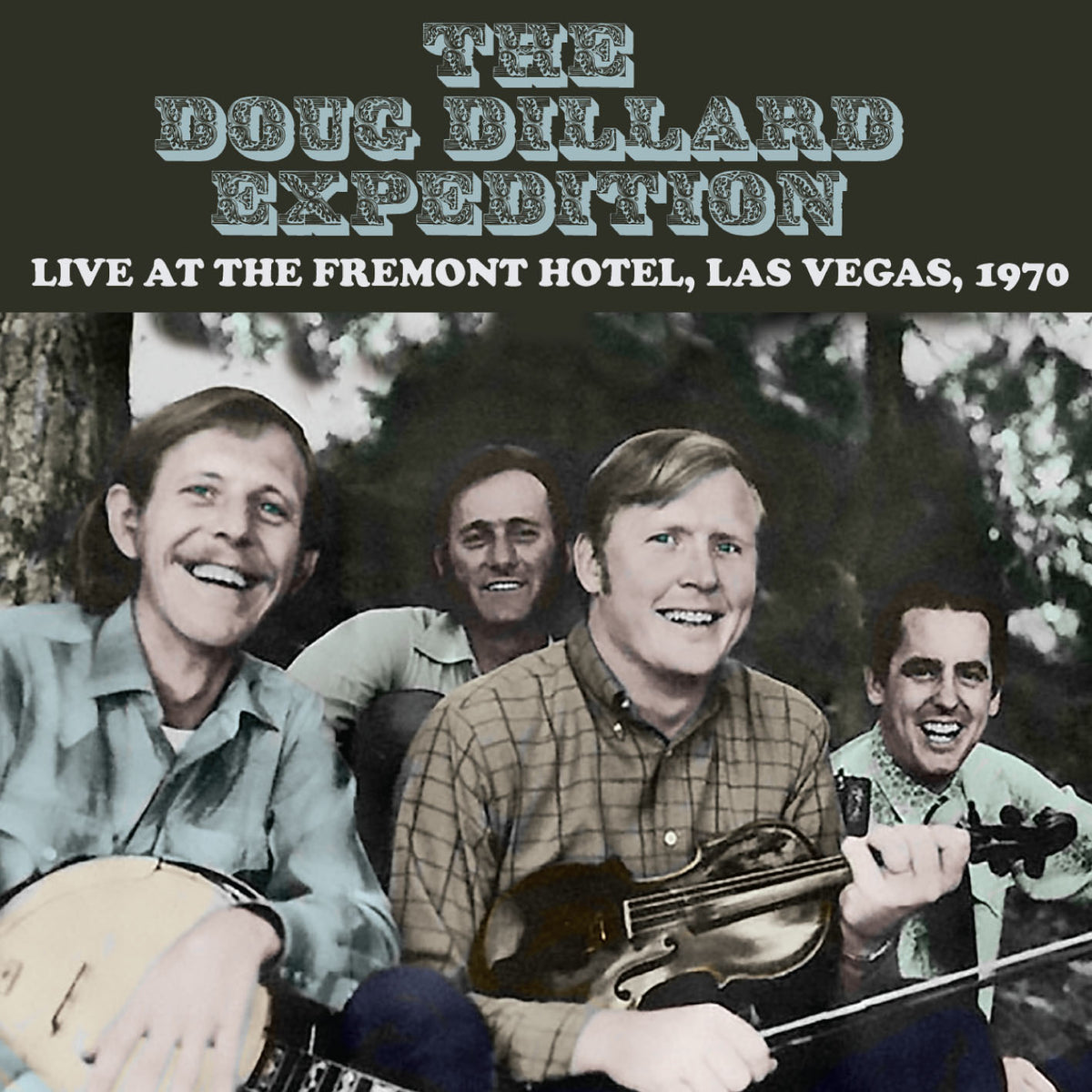
Best known amongst Americana fans for the two albums he released with Gene Clark in the late 1960s (The Fantastic Expedition of Dillard & Clark and Through the Morning, Through the Night) Doug Dillard was an exemplary banjo player who had first found fame of sorts with his brother Rodney in The Dillards. Tagged as hillbillies via TV shows such as The Andy Griffith (where they regularly appeared, under the name of “The Darlings”) Doug Dillard was drawn to the newer sounds coming out of Los Angeles leading to his leaving the band and hooking up with Clark. Their first album is now considered to be one of the earliest country rock albums but when Clark dissolved the union Dillard decided to carry on with what was left of the band, utilising the “expedition” part of that first album.
The Doug Dillard Expedition proved to be a short lived affair but this disc, recorded when they played support to Kay Starr in Las Vegas (billed only as “The Expedition”) is a unique time capsule, capturing them in their prime. Retaining the brilliant fiddler Byron Berline from the Gene Clark band, Dillard had recruited Roger Bush on double bass and Billy Ray Latham on guitar, mandolin and banjo and the quartet are pretty much a perfect bluegrass and old time band on the strength of these recordings. Strangely, there’s no evidence of Dillard’s dalliance with Clark aside from a frantic delivery of Roll In My Sweet Baby’s Arms, a song which appeared on their second album. Instead we get a heady (and well recorded, given its vintage) set of speedball instrumentals and well harmonised songs, all played with no reference to the then burgeoning country rock scene. This is much more akin to the vintage music being revived at the time by The Nitty Gritty Dirt Band on their groundbreaking Will The Circle Be Unbroken triple album.
Anyhow, there’s so much to enjoy here as they rip through their set. Most of the songs and tunes will be familiar to anyone acquainted with the bluegrass and country canon – Uncle Pen, Don’t Let Your Deal Go Down, Take A Whiff On Me and Cumberland Gap all get an outing – and at times the playing is quite incendiary. Berline’s fiddle is on fire on Orange Blossom Special while Dillard’s banjo playing on Dear Old Dixie has to heard to be believed. When they weigh into gospel as on Wicked Paths Of Sin their harmonies are quite excellent and by the time the set ends with Berline again a whirling dervish on fiddle on Lee Highway Blues, as a listener you might be quite exhausted. If at all you are interested in that intersection of tradition and new in the early days of country rock then you might want to invest in this fine recording.
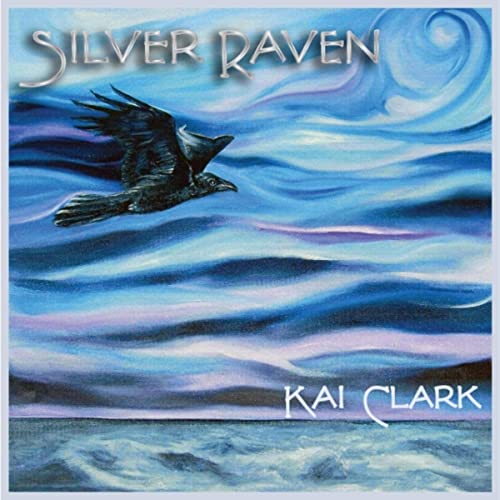
Have to admit it. I was trepidatious regarding this release. Aside from the Wainwright/McGarrigle clan, precious few artists offspring have produced much to write home about, so news that Gene Clark’s son, Kai, was releasing an album of his father’s songs was a worrying prospect. Clark’s star has been in the ascendant over the past few years, sadly, too late for him, with a slew of unreleased recordings and renewed critical acclaim (in particular for his “lost” masterpiece, No Other) allowing him more positive press than he ever had in his lifetime. Thankfully, Clark Jnr. does his father proud here with a judicious song selection (some favourites – Mr. Tambourine Man, Eight Miles High, bona fide classics – Silver Raven, Polly and some deeper cuts). In addition, his voice has a slight touch of his father (must be the genes!) and he has enlisted Carla Olson to sing on several of the songs.
The song selection covers his career from The Byrds to Clark’s final recordings. Mr. Tambourine Man and Turn! Turn! Turn! don’t vary much from the original arrangements but have a fine robust punch to them. Eight Miles High however sounds somewhat sludgy in comparison to the mercurial original (as do all covers aside from Husker Du’s) but when Kai turns to one of the highlights of The Byrds’ first album, Here Without You, you catch a glimpse of Clark’s majesty and it’s perfectly played and sung here.
Moving on from the Byrds, Kai Clark has some more leeway to play around with and he starts off with an excellent rendition of I Found You which is punkier, almost as if it were a 1966 Arthur Lee snarling the words. Kansas City Southern rolls into town with an insouciant bar band swagger and Train Leaves Here This Morning is given a wonderful and woozy back porch country rock delivery with an old buddy of Gene’s, Byron Berline, adding fiddle. Polly, from the Dillard and Clark album, Through the Morning, Through the Night, sparkles with its cosmic pedal steel and ringing Rickenbacker chimes.
Silver Raven (the first song of his father’s that Kai learned) is given due reverence given its provenance but it has to be said that the son turns in a pretty powerful performance with slide guitar wailing away over some fine family harmonies. However, the best performances here lie in the latter songs. Gypsy Rider (again with Berline on fiddle and with Carla Olson reprising her original role) is both thrilling and chilling. Your Fire Burning, a posthumous release, closes the album properly (Eight Miles High is listed as a bonus track) and as the liner notes state, “Is perhaps the most poignant evidence we have that, at the time of his passing, Gene Clark’s music was hitting new heights of artistic brilliance.”
Kudos then to Kai Clark for this fine reflection on his father’s genius. The album stands on its own two feet and if you are a Gene Clark fan it’s certainly worth a listen while a casual listener might find it an intriguing entry point into the Gene Clark rabbit hole.
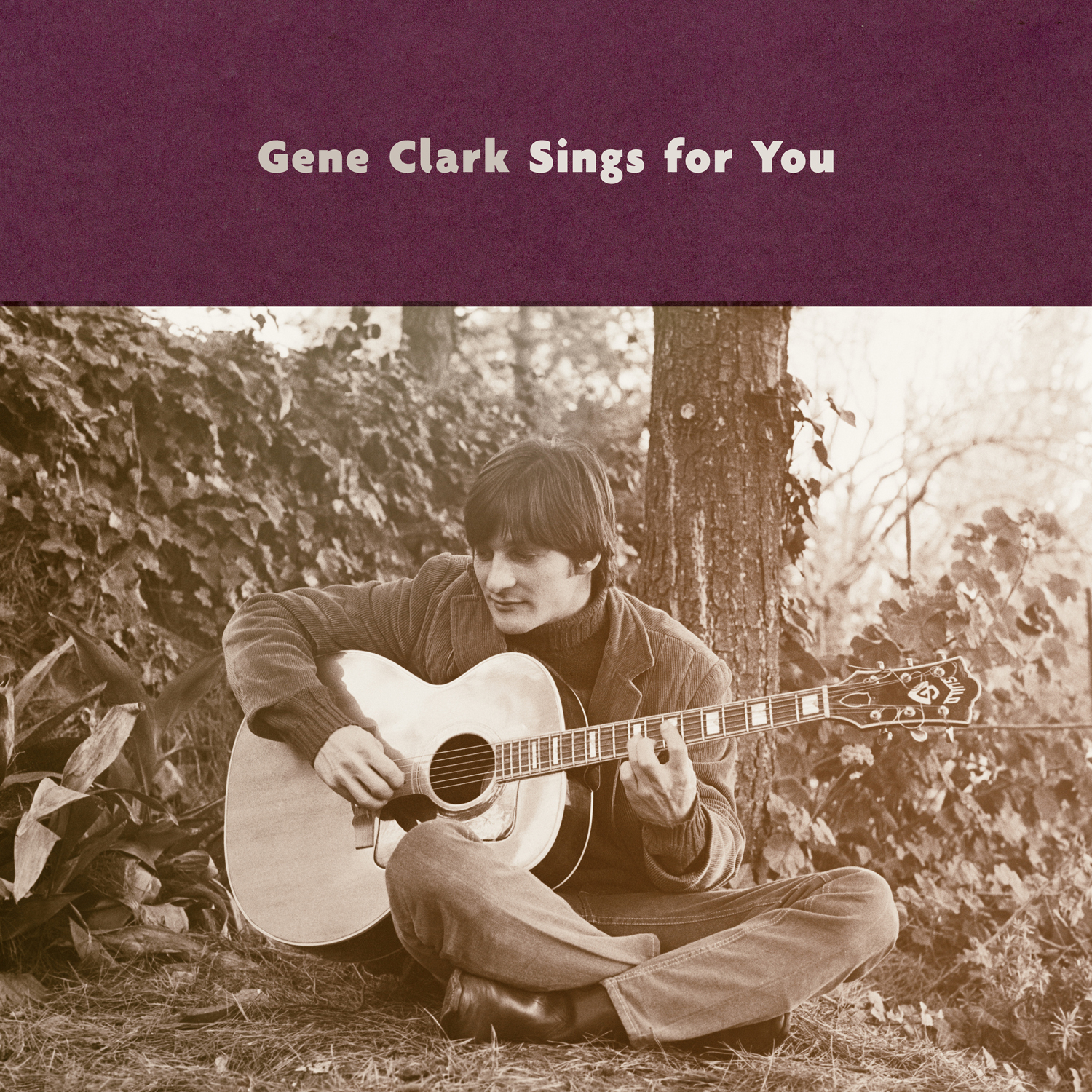
The past couple of years have been a bit of a bonanza for fans of Gene Clark as previously unheard recordings have crept out of hiding, songs which have been discussed and analysed in print and on the net but always tantalisingly out of reach unless one was connected. Sings for You, an acetate of eight songs recorded in 1967, is described in the liner notes (by Clark’s biographer John Einarson) as the holy grail of lost Clark songs and they are accompanied here by a further five songs from the same year which Clark wrote for an LA combo, The Rose Garden, along with one other song he offered to them.
So 14 Gene Clark songs, recorded at the height of his post Byrds fame and none of them released elsewhere or refashioned on any of his albums. Whew! However it’s important to emphasise that these songs are sketches which were never polished for general release. The eight song acetate was recorded by Clark after he was let go by Columbia Records after his album with the Gosdin Brothers failed to sell as well as they expected and seemingly was intended to be sent to various labels as Clark looked for a new recording contract. He’s joined in the studio by bass and drums and occasional keyboards including a chamberlin (which was somewhat akin to a mellotron). Stripped of the baroque folk embellishments which embroidered the album with the Gosdins, Clark is in fine fettle here with the songs pointing in several future directions. On Her Own, Yesterday Am I Right andThat’s Alright with Me are prime Clark melancholia, one can imagine them gracing White Light a few years later if one strips out the somewhat overenthusiastic drummer who is somewhat obtrusive. There’s a more balanced band sound on the other songs. Down on the Pier is a fantastic song which is only let down by its similarity to Dylan’s 4th Time Around (which of course was influenced by The Beatles’ Norwegian Wood) but the addition of calliope makes it one of the more realised songs here. Past My Door and One Way Road meanwhile offer a glimpse into Clark’s next venture with the Dillards as they venture into early country rock territory.
It’s hard to believe but the next five songs, all recorded by Clark to offer to The Rose Garden, are even better than the fabled Sings For You songs. On Tenth Street and A Long Time are just Clark and his guitar in true 60’s troubadour mode, slightly Dylanish but totally Gene and totally brilliant while Understand Me Too would have made a brilliant Byrds song in the manner of Here Without You. The addition of a band on the Jimmy Reed like Big City Girl is great fun and the band also appear on the excellent Doctor Doctor which finds Clark in proto psychedelic mode sounding like a cross between the early Jefferson Airplane and indeed the Younger Than Yesterday Byrds. The band wig out as if they were shimmying in the background of a Roger Corman film scene and the guitar solo is pure Nuggets.
It goes without saying that Sings For You is essential for any Gene Clark fan but Omnivore Records have a neat tie in which is The Rose Garden’s album, the band for whom Gene offered several of the songs above. Despite his interest they didn’t set the charts ablaze although they had some minor hits. A typical 60’s psychedelic pop sound, the album does have a period charm as the band channel Byrds’ like jangled guitar, folk rock and Mamas and Papas vocal harmonies on various songs. They do a great version of the traditional CC Rider (here just called Rider) with glorious harmonies and Flower Town just drips with psychedelic whimsy. The original 10 song album is enhanced by the addition of a further 16 songs culled from single releases and live cuts with some of them eclipsing the album songs as on If My World Falls Through, a song which approaches Brill building pop brilliance. It’s a curio but one which, for anyone who digs the more harmonic side of 60s psychedelia, is well worth getting.
Back in 2014 Blabber’n’smoke was very taken by Trent Miller’sBurnt Offerings comparing him with Gene Clark even. Well, the Italian born, London based singer/songwriter has done it again with the follow up, Time Between Us, another fine collection of songs which again show Miller’s affinity with the late Clark. While it doesn’t quite match the heights of Burnt Offerings, being less adventurous overall, there’s still an aching and deeply romantic touch throughout. However, with the album written in the throes of a divorce, the overall mood is dark and reflective, many of the songs referring to a lover leaving while the singer hides in dark corners in bars nursing his wounds.
Miller plumbs the depths of despair in a couple of the songs here. Moonlight Cafe is a dreamlike swoon into a world of regret and refuge with an arrangement which recalls The Blue Nile while Motel Rooms of Ocean Blue has the singer drifting between bars and his lonesome motel room, his solipsistic musings amplified by the mournful strings and horns adorning the song. Still dark but somewhat leavened by more upbeat arrangements there’s the shimmering guitars of After The Great Betrayal and the Beatles’ like lyricism on the closing She’s Leaving The Place For Good.
The remainder of the album is more akin to its predecessor. The title song cracks the album open with Dylan like harmonica over a fine folk rock scrabble as Miller delivers an excellent song suffused with regret despite its surging chorus and surely the similarity in the title to The Byrds’ Time Between is no accident. Miller’s similarity in his vocal style to that of Gene Clark’s is immediately apparent in the sweeping and string laden How Soon is Never and he revisits this on the mainly acoustic Bonfires of Navarino Road, a rendering, it seems, of his first encounter with his ex, which blossoms into another string laden lament. There’s more shades of Clark on Lady Margaret Street although here the band shift into a muscular chunky mode and then there’s the jangled glory of Days in Winter which is not dissimilar to some of the songs on the recently released Bennett Wilson Poole album. With a definite Dylan touch in the jumble of guitars, organ and harmonica which inhabit Since You’ve Gone and a slight sense of a mellow Guy Kuyser on the gentle waves of Lament Of The Sea Miller continues to set his compass to those of his influences but, as before, he treads his own path only this time it’s a somewhat forlorn trek.
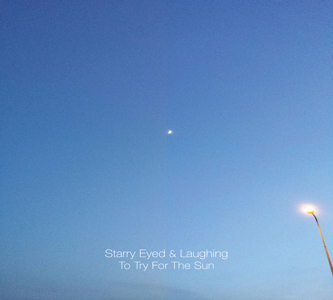
Back in January 2015 Blabber’n’Smoke indulged in a bout of reminiscence courtesy of Starry Eyed & Laughing when Forever Young, a fantastic scrapbook of previously unreleased songs and radio sessions compiled by the band’s guitarist and singer Tony Poole was released. Rather than repeat their story you can read the review here. Poole had previously gathered together the band’s two albums and single releases on That Was Then, This Is Now (also on Aurora Records) and that was that, the two releases a comprehensive history of a great band who flamed and burned for a few short years in the seventies. But Poole has continued to delve into the archives and amazingly enough has come up with another album’s worth of songs, 20 to be precise, 14 alternate recordings of songs we know and six previously unreleased. More to the point there’s no sense here of barrels being scraped as the album more than holds its own in comparison to the previous releases. It’s apparent from the glorious Byrds’ like opening song, a cover of Donovan’s To Try For The Sun which does for the Maryhill pixie what McGuinn did for Dylan.
Bearing in mind that the band were in thrall to the American West Coast sound (The Byrds and Dylan, Buffalo Springfield, Moby Grape, CSN&Y) the album is replete with reflections of their forebears and the transition from cover versions to their own songs mirrors that of Forever Young. Thus we get the aforementioned jangle fest of the title song, a lively take on Jackie DeShannon’s When You Walk In The Room as done by The Searchers and a moody For What It’s Worth, performed in a live session with some scorching guitar recalling Clarence White’s work on the live sides of The Byrds’ Untitled album. There’s a nice surprise as they cast their sights on Al Stewart, back then a UK bedsit folkie (way before Year Of The Cat), and subject his Old Compton Street Blues with its Jacques Brel like romanticism to a full on Byrds jingle jangle treatment, Brel replaced by the romanticism of Gene Clark. Clark himself is covered as the band abandon the 1967 string arrangements of Echoes transforming it with an Eastern styled psychedelic fuzz as if Clark was still on board for Younger Than Yesterday and Crosby was in charge of the droning guitars. It’s a fabulous version and proof that Starry Eyed & Laughing were deep into their influences as back then Clark was barely on the horizon and copies of his sixties albums were as rare as hen’s teeth.
The first sessions for the first album offer up a sparkling Going Down, still a rush after all these years, a brisk 50/50 Better Stop Now and a very fine version of Money Is No Friend Of Mine. To my mind this tops the version that ended up on the album, it’s less jaunty and more akin to the spirit of Woody Guthrie’s Do Re Mi with some fine twang guitar thrown in. Alternate takes or radio sessions of songs such as Closer To You Now, Nobody Home, Down The Street and Oh What are welcome additions to the canon and the album closes with the previously unheard Sea Comes At Its Edges, an elegiac sweep of spangled guitars, folk song and modern technology which captures the visions of McGuinn and Crosby perfectly.
On a sad note, as Tony Poole was readying this album for release it was announced that Starry Eyed & Laughing drummer Michael Wackford had died and the album is dedicated to his memory.
I think it’s fair to say that the release of this album might be proof for Gene Clark fans that Santa really exists. News of an album composed of 24 unreleased Clark recordings (not even on bootlegs) broke in the middle of 2015 with a release date of December 2015 mooted. Of course that date came and went with no sign of the album. Fans, used by now to the haphazard ways that have accompanied various other Clark projects filled forums with their hopes and fears around the release, evidence of the devoted following that Clark still incites. Some of this may be a legacy of Clark’s spectacular ability to snatch failure from success in his brief life. His post Byrds albums were plagued by bad luck and bad timing, overshadowed by peers who perhaps had better management or a more disciplined approach to life.
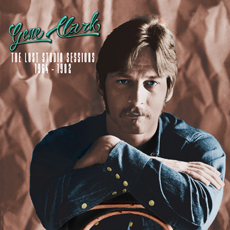
Currently Clark is up there with Townes Van Zandt as a posthumous favourite, critics now hailing albums that were criminally overlooked in the first instance. There have been a valiant crew of believers who have been flying his flag for some time and there have been some excellent reissues and compilations along with John Einarson’s biography and the documentary The Byrd Who Flew Alone. We can now add to the roster this incredible collection of songs, all fully fledged studio recordings, no demos or alternative takes, which takes us from a fresh voiced 19 year old Clark straight out of The New Christy Minstrels through to a reunion with fellow ex-Byrds Michael Clarke and Chris Hillman in the early eighties. Here we should salute Sierra Records who have doggedly pursued this project and come up with the goods with the full consent of Clark’s estate (his sons Kai and Kelly Clark) with the album available in several formats, fully annotated and with some bonus songs for those who subscribed to the deluxe formats.
The album opens with a brace of songs recorded by Jim Dickson in 1964, the 19 year old Clark sounding earnest with already a hint of doomed romanticism in his delivery. Just months before he teamed up with his future band mates for the PreFlyte songs Clark is already stamping his unique style with the opening The Way I Am a signpost to the future. I’d Feel Better (complete with some whistling) is upbeat in a Peter, Paul and Mary pop direction but Clark heads into deeper territory on the following That Girl with his voice deeper and the lyrics bereft, his doomed minstrel waiting in the wings here. The five songs gathered here are curios to be sure but also a fascinating glimpse into the nascent genius of the man, a fine hors d’oeuvres for the main feast to follow.
From 1967 there are two gems, one of which exemplifies the hound dog of showbiz shenanigans that trailed Clark. His folk baroque (and Dylanesque) Back Street Mirror is a worthy companion to the songs on Echoes but was canned only to reappear some months later with his vocals stripped and replaced by those of the UK actor David Hemmings for his own album release (a crime repeated in 1972). From the same session is a pulsating slice of country soul that recalls both The Boxtops and Gram Parsons with Clark and trumpeter Hugh Masekela powering through Don’t Let It Fall Through. Next up is what might be called the heart and soul of the album as Clark delivers eight songs recorded around the same time as the White Light sessions. Here he is approaching his zenith, the songs achingly beautiful with a spiritual dimension and laid down simply, just voice and guitar and 20 minutes of sheer bliss.
There’s a brief pit stop into Flying Burritos territory on the gorgeous remodel of She Darked The Sun, presumably recorded around the time Clark dallied with the Parsons’ gang for the wonderful Here Tonight, before another generous and fascinating collection of songs. In 1972 Clark was in the studios with a top notch crew (Clarence White, Sneaky Pete Kleinow, Spooner Oldham, Byron Berline, Michael Clarke, Claudia Lennear) and the four songs here are excellent examples of the blissed out country rock that was popular at the time with Clark excelling on Roll In My Sweet Baby’s Arms. Again the curse strikes with Clark wiped from the tapes and the backing tracks for several of these songs used on Terry Melcher’s portrait of post Charlie Manson LA on his album. The album ends however on an upbeat note with some fine country rock recorded with Nyteflyte, a would be super group comprised of Clark, Chris Hillman, Herb Pedersen, Al Perkins and Michael Clarke in 1982. They cover Gram Parsons, The Box Tops and Rodney Crowell along with a final outing for Feel A Whole Lot Better and on the strength of the delivery here it’s a pity that they didn’t take off.
There isn’t much else to say here. Gene Clark nuts will already have this nestled under their wings but for anyone interested in the development of LA singer song writing, the history of The Byrds, The Burritos and even the Eagles then this is well worth a listen. An album curated with care and a love of Gene Clark’s music.
Fans of that old Hollywood hippie sound, the days of the blissed out David Crosby, tetchy Steve Stills and brooding Neil Young and the glorious nugget that is Gene Clark’s masterpiece, No Other, have recently had the opportunity to vicariously relive those days simply by purchasing a copy of Israel Nash’s latest album. Silver Season, released on Loose Records is a sun-blistered swathe of Topanga Canyon like songs, teased out on record, itching to be let loose live, the guitars crackling while pedal steel soars and swoops. Nash sings in a similar vein to a young Neil Young but it’s the music that is rooted in those bygone days, not a nostalgia trip but a feeling, espoused by Nash (who by the way is no relation to the fourth member of that supreme LA supergroup) that music can change, if not the world, then at least those who are listening to it. Recorded in his newly built home studio the album takes aim at gun crime (on Parlour Song) and delivers a wonderful hymn to the narcotic pull of Los Angeles on LA Lately and is a worthy follow up to Nash’s acclaimed 2013 release Rain Plains.
We caught up with Israel as he was heading to New York in the back of an RV. The phone line was tenuous to say the least but the following hopefully carries the gist of the talk which I opened by apologising in advance for the possibility of mentioning Neil Young et al ad nauseam. I asked him if he got fed up with the comparisons.
No, I’m alright with that. People like to talk about Neil Young anyway, he’s one of the big ones so go ahead.
Rain Plains and Silver Seasons seem to be much of a kin but Seasons is somewhat denser with a more psychedelic shimmer to it, would that be a fair enough description?
Well it wasn’t a major goal as such as it just developed that way. After Rain Plains we were playing the album live and it just got us into the way of looking at the album and taking it to another level so it’s like a transition. I look at the album and the music as a presentation. I think that I tried to blend myself as a listener and a writer with all the things I’ve been influenced by and that I’ve tried to grab the listener with everything I can – the artwork, the songs, the whole opportunity you have to suck a listener into this place for an hour.
It’s a huge sound, stratospheric one could say. I really dig the way the pedal steel plays around the electric guitars gliding here and there while the songs shimmer with a sort of heat haze.
That’s a big aspect of what we were working on, the balance between the melodic instruments, they just dance together throughout the record. Gram Parsons had this idea of cosmic American music and I guess the pilot’s just got a little more cosmic.
Parlour Song in particular reminds me of a couple of early Neil Young moments, the orchestrated Expecting To Fly from back in Buffalo Springfield days and towards the end the anger that was evident on Ohio with you shouting out. It’s quite visceral.
Yes, I think that over my years as a musician the songs have become more than just songs, I want to create a space that not only lets you listen to them but makes you go whoa! The beginning of that song is supposed to mimic a funeral precession and it’s really trying to get people in there and see what’s going on in their minds and what they feel like.
I was going to ask you about the introduction, it’s got a cinematic feel, like something from Morricone.
Well it’s inspired by The Godfather II. There’s a scene in it with young Vito in Sicily at his father’s funeral and Copolla does this cool shot with the sound of crickets and in the distance this rag tag band meandering through the hills. Those hills reminded me of the Hill Country in Texas and so I wanted to do something like that. So we recorded the crickets and then we tried to mimic the movie’s panned shot, we tried a bi aural set up, we put two microphones outside and played the track through speakers we carried as we marched about.
LA Lately is simply stunning and again there’s a short introductory passage which sets the scene.
That’s trying to introduce the emotional impact of leaving Texas and going to LA. It’s like, “where did all the hope go?” It’s trying to represent that feeling, a kind of brooding about getting ready to go out there but also the excitement of going away. And then LA represents that unease and unpredictability, again it’s an emotional journey. The song’s about our experience in LA. We played our first headline show there and we had a moment. It’s always exciting that I get to play music but I was overwhelmed that we had such a great show there. LA just has this thing, this history, like Steve Stills and Neil Young meeting on the freeway.
At the end of the album, on Rag and Bone you slip into a chorus of We Shall Overcome. Can I ask you why?
Well the rag and bone man, that’s a real British thing I read about. They seem to be like the least of us in society and to treat people like that, well for me there are a lot of themes across the album and one of them is the idea that there are so many things, man made conventions that we assume are important to society but which are actually not important at all in the grand scheme of things. Like money is made up, time is made up, all these things, they’re restraints that we’ve put on ourselves. The rag and bone men, well we just put them down but we should just change this with a little love, take a step back and make it a little simpler. It might seem like this is a hippie ideal but the older I get the more adamant I am about it, it’s not youthful foolish thinking because I’ve lived it. I’ve seen live shows with people around me catch this contagious atmosphere and as for the closing of the song the idea is that we can have a singalong at the end. I mean what’s wrong with a roomful of people singing we should love one another. It’s just another element of what I feel about music – it’s not just another guitar solo or some badass thing, it’s way bigger than that, it’s way bigger than just rock’n’roll, it’s relationships and it’s people
You recorded the album in your own home studio. Can you tell us about that?
Well we’ve got about 15 acres at Dripping Spring so that was always the plan to build a studio and it finally happened. I got a Quonset hut which is a metal building which has 20 arches and is held together by 3,500 bolts. The plan is to record my own music and produce other people’s records, a place where I can walk from my house straight to the studio to work on material.
That and your story of walking outside recording Parlour Song reminds me of Graham Nash’s story of Neil Young listening to the playback of Harvest using his house and his barn as speakers and yelling out More barn!
Yeah, that’s a cool Neil story.
I believe there are plans to come back over to Europe soon.
We’re going to go out, playing the album front to back, that’s what we have in store for Europe, playing the album as one full piece of music and we’re doing a London show early next year. Hopefully we’ll be back in the UK again after that.
Isreal Nash will be playing a set of European dates commencing in January 2016 with a London show on 15th February, all dates are here. Silver Season will be available on vinyl in November. You can read my review of the album here
It’s funny how you think you have your finger on the pulse when it comes to what’s happening in your end of the music scene and then something comes in with a great pedigree but it’s news to you. So it was when this album from Trent Miller, his third it appears, popped through the post and floored us. Imagine if you will an artist who has the romantic lyricism of Gene Clark, the LA voodoo of Jeffrey Lee Pierce and the retrospective roots appreciation of Richard Hawley. Picture a young Italian musician feverishly devouring tales and music of far away heroes as he scraps around for a living before eventually coming to London where he spends several more years scrapping around before some discerning folk lend an ear.
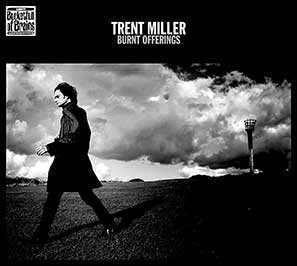
That’s essentially the story of Trent Miller. From Turin, he couldn’t fill a phone box in his native land and it was only after several years of itinerant jobbing in London that he was able to release a home recorded album, Cerebus, which led to his signing by Bucketfull of Brains who fitted him up with a band and released Welcome To Inferno Valley in 2012 leading to critical acclaim. A raw boned collection of country tinged folk, Welcome To Inferno Valley had Miller’s sinewy voice set over a primarily acoustic band setting. Burnt Offerings continues in this vein for the most part but his voice sounds more assured while the music is less rustic and more arranged with a greater emphasis on electric guitar and pedal steel.
Miller has an affinity with Gene Clark and the former Byrd’s spirit casts deep shadows on this album. Songs such as the title track and Pictures From A Different World have the literacy of Clarks’s song poems while the musicians hark back to the dappled sunlight picking of his late sixties forays into folk rock. Your Black Heart harks back to the sumptuous arrangements of Clark’s spell with the Gosdin Brothers while Sands Of Time sounds like a lost nugget from ’65. If this were all then one could dismiss the album as simply a (very fine) simulacrum of one of Miller’s heroes but he soaked up more than Clark in his dog days and he amalgamates his influences well here. Burnt Offerings opens the album with a loping rhythm and spectral guitar swoons that recall Lee Hazlewood as Miller sings of cathedrals in the desert. It’s hypnotic and beguiling. Lupita Dream sinks deeper into this dreamscape, lush and intoxicating it sounds like Jeffrey Lee Pierce wandering, stoned and immaculate as the guitars slide ecstatically by. The harmonica on Hearts On A Wire grounds the dream bringing it back to a back porch kitchen sink drama but before the listener has time to wallow in the comfort of the singer’s despair All These Violent Years slams into view. A metaphysical take on life and love with driving guitars, thumping drums and soaring vocals it’s somewhat of a tour de force leaving the listener exhausted afterwards. Sorrow Knows Better recalls another of Miller’s favourites, Guy Kyser of Thin White Rope with a sludgier sound and piercing guitars he almost steers into a piratical heavy metal shanty. Finally Miller dips a toe into the current guitar based psychedelic smorgasbord as epitomised by Israel Nash Gripka on On The Stone Beach which has the mystical Clark vibe and some very sweet fat guitar shining throughout the song.
Miller might be a product of his influences but the whole is better than the parts. It’s an album that will thrill those aware of the antecedents and beguile those who aren’t. The album is released on 14th April, you can order it here
It’s been gratifying over the past few years to see the rise of the “rockumentary” detailing the life’s and music of numerous musicians with more and more vintage footage unearthed. BBC4 may have staked its claim to be the natural home of these although honourable mentions must be given to the likes of Alan Yentob’s Imagine series. Once the province of occasional late night cultural backwaters such as Omnibus these days you can spend just about every Friday night reliving rock history. Unfortunately for every gem there’s a shed load of cheap and nasty shock docs peopled by a pool of talking heads who turn up spouting their opinions on just about anything even if their closest acquaintance with the subject was when their agent called to ask if they were interested in appearing. That said there have been some superb examples over the years. Aside from the fly on the wall type (Don’t Look Back, Cracked Actor, Dig!) there’s the historical document (No Direction Home, MC5: A True Testimonial, Oil City Confidential).
The Byrd Who Flew Alone is in the second camp, a two hour trip through time looking at the career of Gene Clark. Clark was the primary songwriter in the first incarnation of The Byrds and by all accounts was expected to be a massive solo star following his departure from them. The film documents his failure to achieve that fame as his ex bandmate David Crosby was the one who soared while his pioneering efforts in country rock were overshadowed by Gram Parsons who made the ultimate “career move” in dying young at the top of his powers.
Produced and co-directed by Paul Kendall, ex ZigZag writer, the film takes us from Clark’s humble rural beginnings in Tipton, Missouri to his untimely death at the age of 46. While there’s live footage of his brief stint with the New Christy Minstrels and The Byrds (of course) there’s a gap until the early eighties when there was a brief reunion with McGuinn and Hillman. Footage of Clark with Carla Olson however confirms that he remained a compelling performer and despite the lack of live action it’s great to have what little footage remains gathered together. While Clark is heard being interviewed there is no visual footage of him talking.
McGuinn, Crosby and Hillman are all interviewed with Hillman especially providing insights into their tumultuous relationship over the years. Taj Mahal, Carla Olson, Jerry Moss (the M in A&M) offer their recollections while Byrds biographer Johnny Rogan and standard bearer for the Clark legend, Sid Griffin, offer their explanations for the bad luck that dogged Clark as each time he was poised to leap ahead of the game he faltered. Clark is recalled almost as a Jekyll and Hyde character, a country boy with a sunny disposition when away from the bright lights of L.A. but prone to alcohol and drug abuse with a temper to match when in Sin City, a temper that proved disastrous when he tried to punch out David Geffen following Geffen’s displeasure with the No Other album. A more intimate picture of Clark is painted by interviews with family (Mendocino buddies, his brother, sister, sons and widow, Carlie) which offer us a glimpse of the man behind the rock star and a sense of the personal hurt they suffered as Clark indulged in his demons.
Above all there’s the music and the generous running time allows space for fuller discussions of his groundbreaking efforts. The first post Byrds album with the Gosdin Brothers, the pioneering country rock of the Dillard and Clark albums, The Byrds reunion, the pieced together and excellent Roadmaster, the template for the singer/songwriter era that was the “White Light” album and the pinnacle, the exotic and almost triumphant No Other are all detailed along with his last major label release, Two Sides to Every Story, released on Robert Stigwood’s label RSO (with Clark of course eventually insulting Stigwood) which featured a bearded avuncular hippie Clark on the cover just as punk was taking off. Olson, John York and Pat Robinson take us into Clark’s latter years although there’s little or no mention of their recorded output which Clarkophiles will argue was as good as the earlier work. The DVD also includes over an hour of special features with extended interviews, two complete performances and a directors’ commentary. We can’t comment on these at present as the review copy was of the film alone, one reason why Santa will be bringing a fully fledged Byrd related package come the day.
Gene Clark fans have been salivating ever since this film was mentioned however even if you have never heard Clark before it’s an important document in the development of Americana type music and best of all you will be amazed by the quality of his music. His voice, his writing haunts and will continue to do so.
Gene Clark was the first Byrd to fly the coop, long before the band became a byword for ever-changing line ups. Back then he was considered the primary songwriter and front man of the band by many eclipsing the ringing Rickenbacker and nasal tones of Roger McGuinn and the caped (eventual super star) Davis Crosby. He was well placed to take pole position in the late sixties singer songwriter grand prix and got off to a flying start on his collaboration with the Gosdin Brothers and then revved up a pace with The Fantastic Expedition of Dillard & Clark, perhaps the best of the early country rock albums. Critically acclaimed the albums were commercial failures and Clark never again troubled the headlines despite the spectacular albums he released in the seventies, White Light (aka Gene Clark) and No Other. Even a much anticipated Byrds reunion album turned out to be a damp squib although general opinion is that Clark once again overshadowed his companions with his contributions. Although he continued to record (with and without fellow ex Byrds) Clark’s hard drinking took its toll and he died of a heart attacked aged only 46 in 1991.
Clark’s first album as a solo artist was White Light, released in 1971. A printing error left the title off of the cover art, another example of the bad luck that dogged his career. Composed after he left the pressure pot of L.A. for the serenity of Mendocino it featured another significant pairing (following that with Doug Dillard), this time with guitarist Jesse Ed Davis who produced the album. An introspective, poetic singer songwriter styled album it is perhaps the highlight of Clark’s work but once again it sank almost without a trace (apart from in Holland where it was voted album of the year). To listen to White Light today it has one failing, that it is firmly rooted in its time with the burbling bass of Chris Ethridge in particular sounding somewhat dated on the more upbeat songs such as the title track. However some of it is timeless with the soul tinged organ ballad Because of You standing out while the simple acoustic guitar arrangements of With Tomorrow and For a Spanish Guitar allow Clark to do what he does best as his mournful voice rings clear and uncluttered and his lyrics rival Dylan, stripped of symbols and allusion.
News that Omnnivore recordings were releasing Here Tonight, a collection of demos for the White Light album created a frisson of delight amongst the myriad Gene Clark sites on the old interweb thing and now that it’s arrived we can confidently state that the anticipation is matched by the delivery. Naked and unadorned, Clark sings and accompanies himself on guitar and harmonica allowing the essential beauty of the songs to shine through. Six of these songs appeared on the original release of White Light while two others turned up as bonus tracks on the 2002 CD reissue. The title song eventually saw the light of day with Clark backed by The Flying Burrito Brothers on the Dutch Roadmaster album and three of the songs are previously unreleased in any form. While the guitar work is fairly rudimentary, the harmonica Dylanesque, the voice and lyrics are mesmerising. Those steeped in Clark lore will spend hours comparing these songs to the final versions but anyone with an ear for good music should be able to engage with and be bewitched by Clark’s intimate version of Cosmic American music.
Of the songs that made it on to the album Because of You is the only one to suffer in comparison missing the superb arrangement of the official release. For a Spanish Guitar stands up on its own two feet and remains one of Clark’s masterpieces while The Virgin is stripped of its poppy arrangement allowing the Dylan like lyrics to come to the fore. White Light itself is taken at a brisk pace but again benefits from the stripped down sound. Here Tonight remains a beautiful song, proof, if needed, that solo or with a band he was up there in the pantheon and here one is reminded of his authorship of the magnificent Train Leaves Here This Morning which was covered so successfully by the Eagles.
Of the unreleased songs Please Mr. Freud is a (very) Dylan like dream song, Jimmy Christ is a short vignette that recalls Townes Van Zandt and Clark’s own The American Dreamer. For No One is the major find however as Clark picks gently at his guitar on what is presumably an unfinished song and his melancholic voice rises eventually with a brief two verses that encapsulate his poetic style, somewhat like a Zen version of Tennyson or Byron. Lovely.
Overall this album is a must have for any Gene Clark completist but it does stand up on its own. After listening to it several times there was a thought that if Clark had gone on the road and continued in this vein he would have rivalled Townes Van Zandt as the last doomed troubadour and be mentioned as such as opposed to being known as the Byrd who couldn’t fly.
 Have to admit it. I was trepidatious regarding this release. Aside from the Wainwright/McGarrigle clan, precious few artists offspring have produced much to write home about, so news that Gene Clark’s son, Kai, was releasing an album of his father’s songs was a worrying prospect. Clark’s star has been in the ascendant over the past few years, sadly, too late for him, with a slew of unreleased recordings and renewed critical acclaim (in particular for his “lost” masterpiece, No Other) allowing him more positive press than he ever had in his lifetime. Thankfully, Clark Jnr. does his father proud here with a judicious song selection (some favourites – Mr. Tambourine Man, Eight Miles High, bona fide classics – Silver Raven, Polly and some deeper cuts). In addition, his voice has a slight touch of his father (must be the genes!) and he has enlisted Carla Olson to sing on several of the songs.
 The past couple of years have been a bit of a bonanza for fans of Gene Clark as previously unheard recordings have crept out of hiding, songs which have been discussed and analysed in print and on the net but always tantalisingly out of reach unless one was connected. Sings for You, an acetate of eight songs recorded in 1967, is described in the liner notes (by Clark’s biographer John Einarson) as the holy grail of lost Clark songs and they are accompanied here by a further five songs from the same year which Clark wrote for an LA combo, The Rose Garden, along with one other song he offered to them.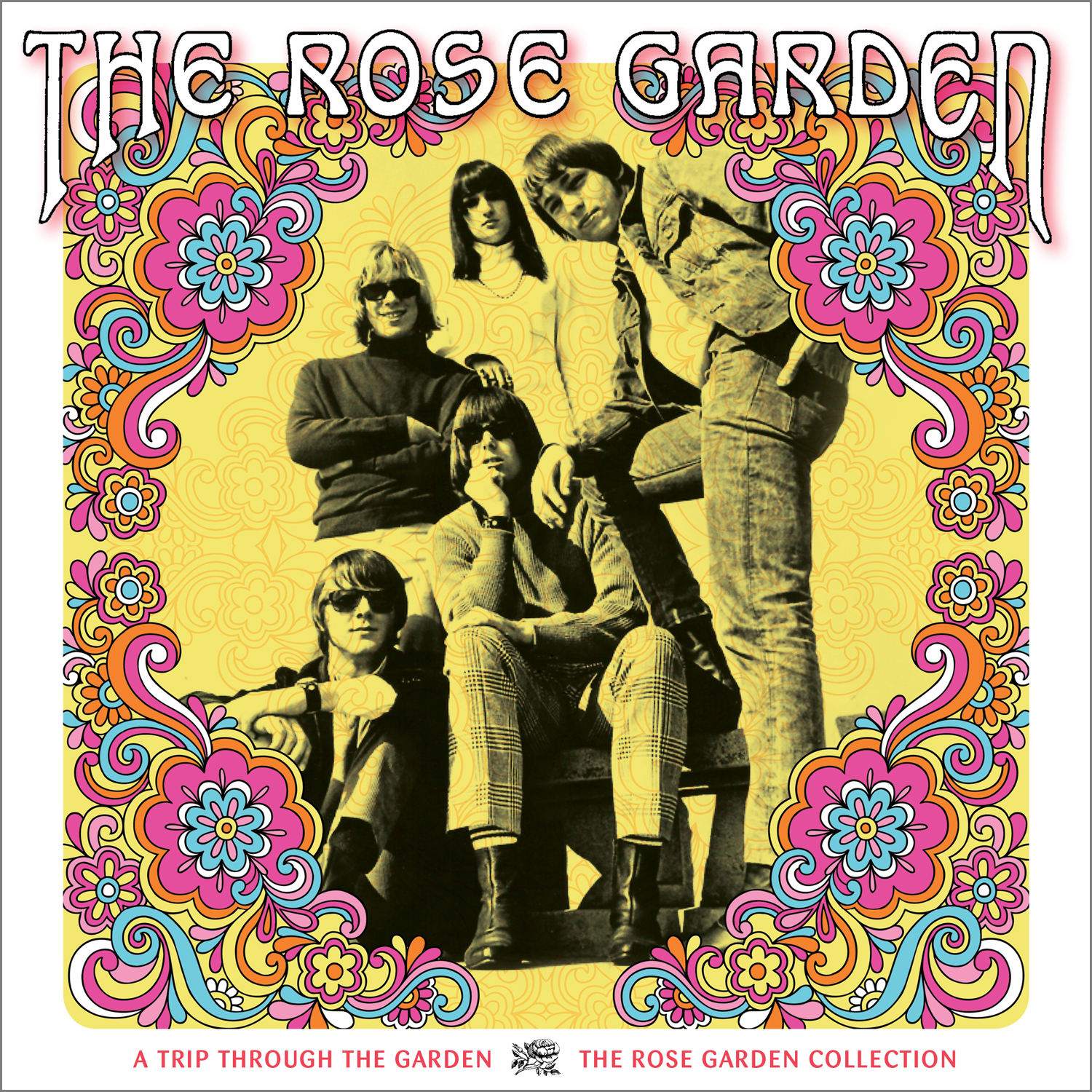
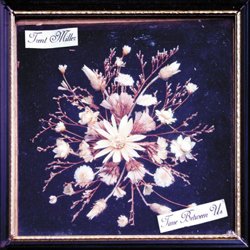 Back in 2014 Blabber’n’smoke was very taken by Trent Miller’s