Our friend in Edinburgh, David Ferguson, writes about the wonderful new album from Hannah Read…
Hannah Read is an Edinburgh-born singer, songwriter and fiddler (with links also to the remote Scottish Isle of Eigg), who is now resident in Brooklyn, New York. Hannah is much in demand as a collaborator on both sides of the Atlantic and was part of the highly successful Songs Of Separation project, which won Album Of The Year at last year’s BBC Radio Folk Awards.
For her first full-length album, Way Out I’ll Wander, Hannah Read has delivered a beautifully-crafted set of songs which deal elegantly, eloquently and honestly with universal themes of home, love and loss. Hannah’s pure and clear vocals (transatlantic, with pleasing traces of her Scots accent) are to the fore, while subtle washes of strings, woodwind and yearning lap steel guitar add richness to the intimate song arrangements.
Highlights from this very fine album include Moorland Bare (an evocative Robert Louis Stevenson poem set to Hannah’s hauntingly beautiful melody); the simply stunning Alexander (a poignant and reverential tribute to an elderly war veteran); Way Out I’ll Wander (an achingly beautiful reflection on the loss of Hannah’s much loved grandfather “…on the last day of the year…”); and the invigorating Boots (which oozes delight in the simple pleasures of newfound love).
Filled with songs of true depth and beauty, Way Out I’ll Wander is likely to bring Hannah Read even greater recognition on both sides of the Atlantic, on a par with her good friend Sarah Jarosz (who provides backing vocals on the album).
Aside from being an excellent platform for a multitude of musicians to descend on Glasgow in the dark winter nights Celtic Connections has a reputation for commissioning or being a focal point for unique events; collaborations, celebrations, tributes, meetings of minds and songs. This year has seen the “Celtic” appropriation of Joni Mitchell’s Hejira and tribute is paid to the late Bert Jansch. The plight of Britain’s lost children is commemorated with The Ballads of Child Migration concert and Roaming Roots continues its multifaceted memories of songwriters and troubadours.
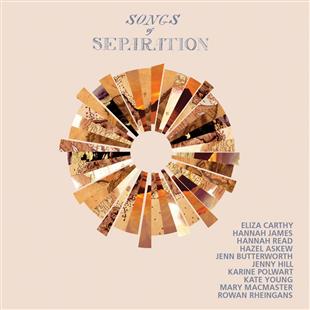
Today we’re paying attention to an album released in tandem with the Scottish premier of its live setting on Sunday 24th January at The Mitchell Theatre. Songs of Separation is a magnificent collaborative effort from ten of the UK’s leading female folk artists who gathered together on the Isle of Eigg in the Inner Hebrides last year. Separation was the theme and the stroke of genius was to offer it to a female cast as throughout history it has been women who have carried the burden of carrying on as children and men folk have left them, off to war, to sea, seeking fortune or fame or into the grave. The memories carved into song by the womenfolk who stoically carry on. The original idea was conceived by Jenny Hill as the turbulent waters of the Scottish Independence Referendum washed over the land. A travelling musician, she saw the differing views offered north to south, the idea of separation welcomed or decried hence her wish to investigate the concept.
The ten (Eliza Carthy, Karine Polwart, Mary Macmaster, Rowan Rheingans, Hazel Askew, Hannah James, Kate Young, Hannah Read, Jenn Butterworth and Jen Hill) have certainly risen to the occasion. The 12 songs here, traditional and new, sung in English or Gaelic, don’t fly any political flag and indeed, concept put aside, the album is, at base, a gorgeous collection of traditional sounding folk songs that is somewhat sublime. From the opening croak of the titular endangered bird on Echo Mocks The Corncrake (with Polwart taking the vocal here) to the closing birdsong on Road Less Travelled there’s a sense that the album was conceived in communion with nature. Indeed several of the pieces are “field recordings,” the ensemble gathering in Eigg’s Cathedral Cave for acapella renditions of Sad The Climbing and the Unst Boat Song, both haunting. Gathering songs and stories from Scotland and Yorkshire along with songs inspired by Danish and American poetry they relive the legend of the Pictish “big women of Eigg” on Soil and Soul, tell the tale of a mermaid unable to return to her land family on Sea King and recall a clan massacre on Sad The Climbing. London Lights sees Hazel Askew bemoaning the fate of single mothers with an almost music hall arrangement that recalls the warning songs of Victorian times, the sentimentality tempered by the sheer brilliance of the voices and arrangement. Eliza Carthy’s Cleaning The Stones visits similar territory musically while its lyrics are opaque and reminiscent of vintage Richard Thompson. Over The Border delves into traditional songs (including Flowers of The Forest) with Polwart pointing out the contemporary issue of refugees hindered here and there by borders that fail to see their desperate need.
It’s a wonderful album, soaked in history and tradition but bang up to date as we repeat the mistakes of the past. The singers and players excel themselves and it’s almost impossible to have a casual listen as the songs (along with a fine website) demand further investigation.
 Our friend in Edinburgh, David Ferguson, writes about the wonderful new album from Hannah Read…