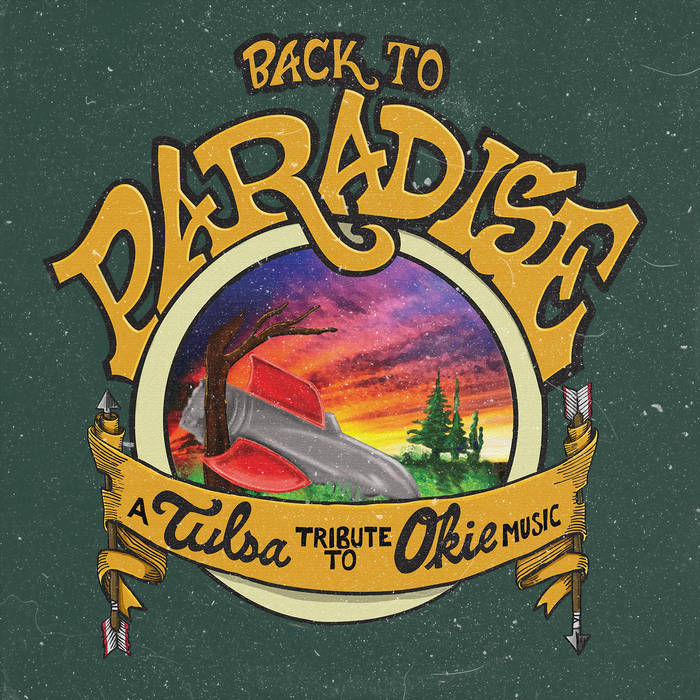
 Tulsa isn’t generally mentioned these days as a hive of musical activity although it has a history which still resonates to this day. The Tulsa Sound, back in the seventies, was almost on a par with Muscle Shoals with a similar mix of country, soul and blues going into the cooking pot. There’s a host of names associated with the sound but the best known was the late Leon Russell. Russell, his star in the ascendency then, had the cash to invest locally and he built several recording studios, one of which was Paradise Studios, located in a bucolic country setting. As is the way with things, the studio was mothballed, the last recordings made were in 1978, but a local Tulsan (Rick Huskey) has spent years restoring the place and back in February 20 Oklahoma musicians descended on it to record this tribute to its glory years.
Over four days, they recorded 17 songs as live as possible in the studio giving the record a fine loose limbed and warm vibe. With a basic house band set up (led by guitarist Paul Benjamin), the album generally holds to that blueprint of laidback Tulsa blend of roots music as they tackle songs familiar and some less so. And while the list of performers they pay tribute to contains some well known names (J.J. Cale, Dwight Twilley, Hoyt Axton, Lowell Fulson and Russell himself), the cast is less well known with only John FullBright’s name lighting any light bulbs here.
Nevertheless, the album is a fine listen, especially if you still hanker after swampy and laid back grooves. Guitarist Benjamin kicks off proceedings with a fairly faithful cover of Cale’s I’ll Make Love To You Anytime which is fun to listen to but later on he gives us an epic guitar and organ loaded trip through Cale’s Ride Me High which has some of the good ole Dr. John’s gumbo herbs scattered over it along with some Grateful Dead like guitar ramblings. Several of the songs revel in the good natured natural grooves which Cale perfected as on Benjamin’s cover of Helluva Deal and Jacob Tovar’s truckin’ I’m Gonna Get To Tulsa but there’s also Branjae’s sassy take on Fulson’s Tramp and even some funkalicious grooves in Charlie Redd & Briana Wright’s update on The Gap Band’s I Yike It.
As for John Fullbright, his contributions are up to his usual par. Steve Ripley’s Crossing Over is given a sanctified gospel delivery and Hoyt Axton’s Jealous Man is replete with electric piano and shuffled horn section with Fullbright sounding like Russell on vocals. Tackling Russell on his cover of If The Shoe Fits, Fullbright comes across as if he were The Beatles’ Rocky Racoon on a song which is very much of its time but retains its wry humour here.
Covering Dwight Twilley is a high bar and unfortunately Sarah Frick’s cover of I’m On Fire doesn’t take off, but Jesse Aycock provides one of the highlights here as she sings Tulsa County, probably best known for its inclusion on The Byrds’ Ballad Of Easy Rider album, written by Pamela Polland but also covered by another well known Oklahoman, Jesse Ed Davis. On a personal note, the cover of Jim Byfield’s Can’t Jive Enough by Dustin Pittsley is supremely welcomed as it transported us back to Sunday evenings listening to Alexis Korner on the Beeb and being introduced to the fabulous Rockin’ Jimmy & The Brothers Of The Night. If nothing else, check them out.
It’s an engaging and enjoyable listen and if it helps put Tulsa back on the musical map then all the better. Aside from that, it’s a veritable rabbit hole as it’s far too tempting to search out the originals and compare them. Overall, this contemporary take on The Tulsa Sound bodes well for the future.
Buy it on Bandcamp