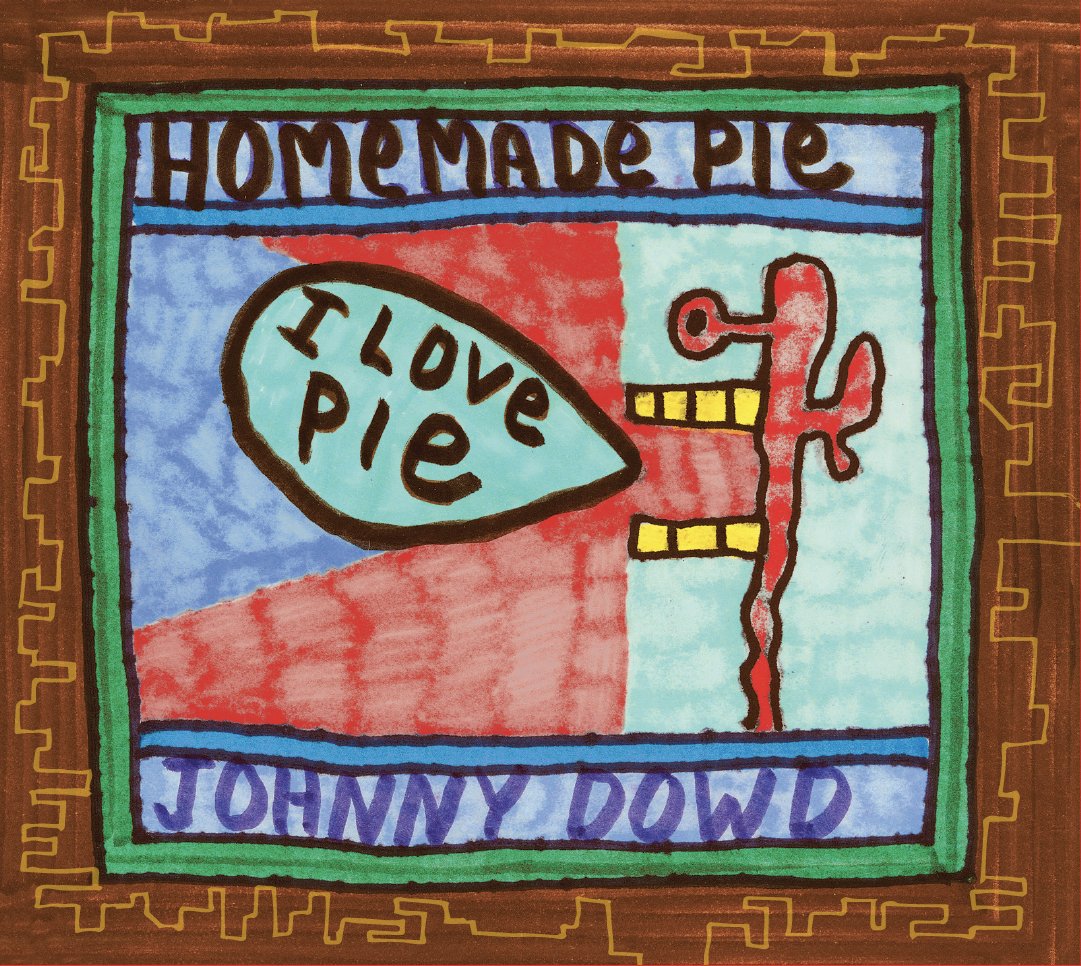
Another slice of Johnny Dowd’s dearly beloved mutant music is always worth celebrating and Homemade Pie is no exception. The 13 songs here are all gloriously fucked up – stewed in a hotchpotch of 60’s garage band riffs, off kilter country, badass guitars and kaleidoscopic killer clown like melodies – just another day in the Dowd household we’d love to imagine.
Anyhow, Homemade Pie picks off from where 2019’s Family Picnic left off, with Dowd sticking to the basics and eschewing the even weirder homemade electronica which featured on albums such as That’s Your Wife On The Back Of My Horse and Do The Gargon. With his regular crew on board (Mike Edmondson on guitars and keyboard, Willie B on drums and the wonderfully dead pan vocals of Kim Sherwood Caso), Dowd stands proud on the rubble of his songs, waving his freak flag high.
That said, Dowd’s songs, for all their waywardness, have a way of worming themselves into your brain. He grabs a genre, subverts it and launches it right back at you. It might have been put through a mincing machine in the process but there’s still a whole load of nourishment to be had. Gone is a fine example as Dowd writes a tour diary of sorts in the manner of Bukowski while the band deliver a skewed 50’s like doo-wop feel. Silk Scarf is another nod to past rock’n’roll with Dowd’s droll delivery perfectly matched by Sherwood Caso’s cool injunctions while You Can Call Me The Wind takes the likes of Lee Hazlewood and Nancy Sinatra’s duets into another dimension. Uncle Jimmy kicks off with the melody from Benny Spellman’s Fortune Teller and pounds it into submission, aided by a stabbing organ riff and sulphurous guitar as Dowd merely repeats the one line lyric throughout. The opening title song is a grand slice of Nuggets type garage rock with Dowd a travelling salesman doomed to dwell in a Flannery O’Connor story.
With its woozy fairground delivery, Out For Blood is a menacing tale which kind of takes the story of Badlands and transposes it into a meeting of an itinerant singer and an obsessed fan. That fairground waltz is repeated on the surreal ramblings of Rick Ross, a song which is probably the weirdest ever about a man and his dog (or his God as he wonders). God himself has abandoned Dowd on the claustrophobic cluster which is Shack and the closing song, Do Me Do is perhaps the most broken down and fractured lost love song you will hear this year. Even the guitar solo here sounds broken hearted. We do have to mention the behemoth, nestled within the album, which is the fully pumped up garage band workout, Rise Up. A splendidly raucous song with Dowd at his snarling best, he insists he loves his country, right or wrong while describing the desecration of its values, all the while rising to the declamation, “Fuck Donald Trump, Donald Trump is a fool.” No pussyfooting here (and no radio play) but at least it’s nice to know that Johnny Dowd is on the side of the righteous and long may he deliver his missives from the USA’s underbelly. They are songs from the gutter, staring at the stars.
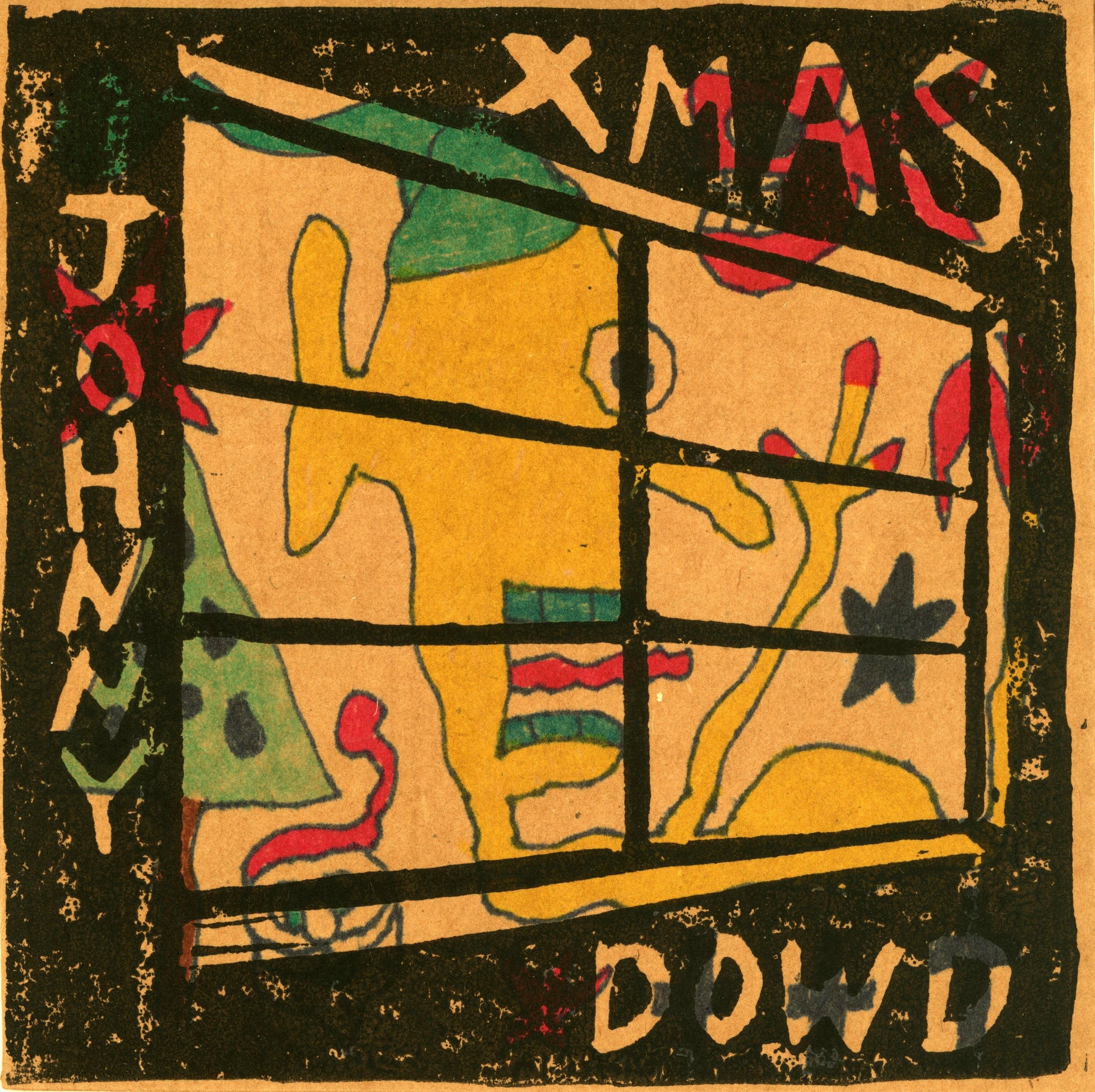
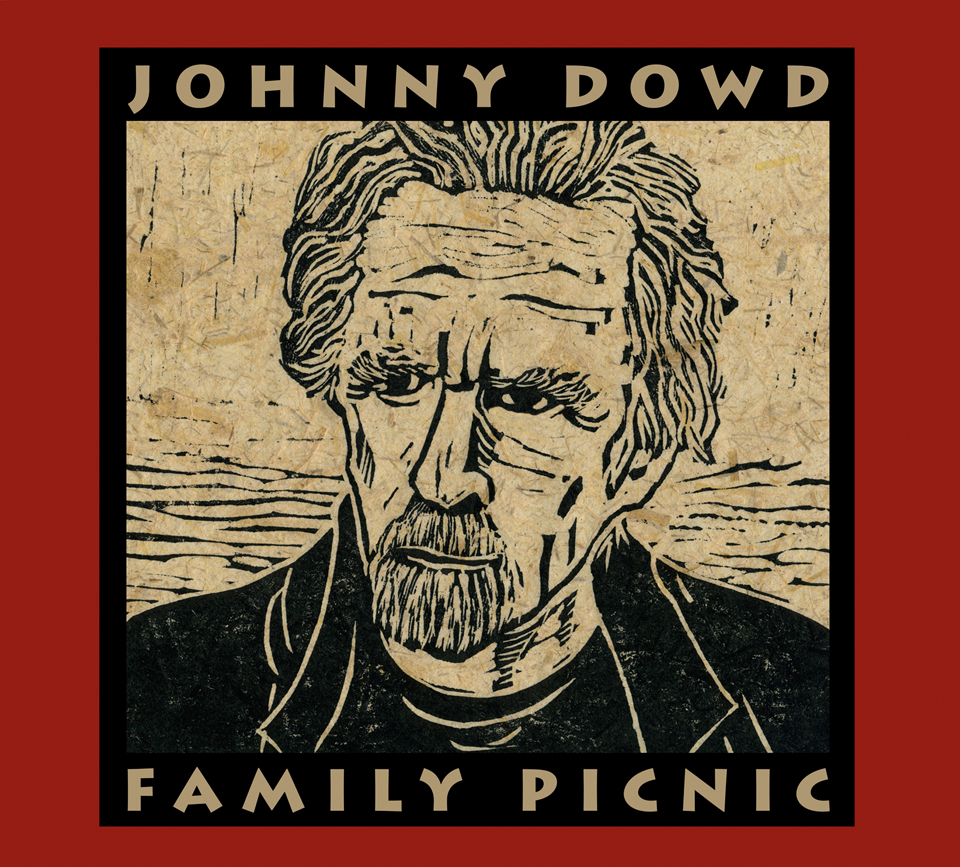 Released just prior to Johnny Dowd’s upcoming European tour, Family Picnic has been touted as a slight return to the sound and themes of his earliest albums with less of the tortured electronic skronking which informed his last couple of releases. Certainly Dowd’s idea of family values is not the same as someone like Thatcher or Reagan would have espoused as his families are composed of folk who are like rabbits caught in a headlight, catastrophe rushing towards them. And while the album continues to sound as if it’s been washed in an acid bath, the drums and vocals scarified into the songs, the guitars and keyboards misshaped by the process, by Dowd’s standards it does go some way back to that weird American Gothic which was celebrated in Jim White’s film, Searching for the Wrong-Eyed Jesus. As Dowd sings on the closing number, “I sing songs of lust and depravity, that’s the only kinda songs come out of me,” and that just about sums it up.
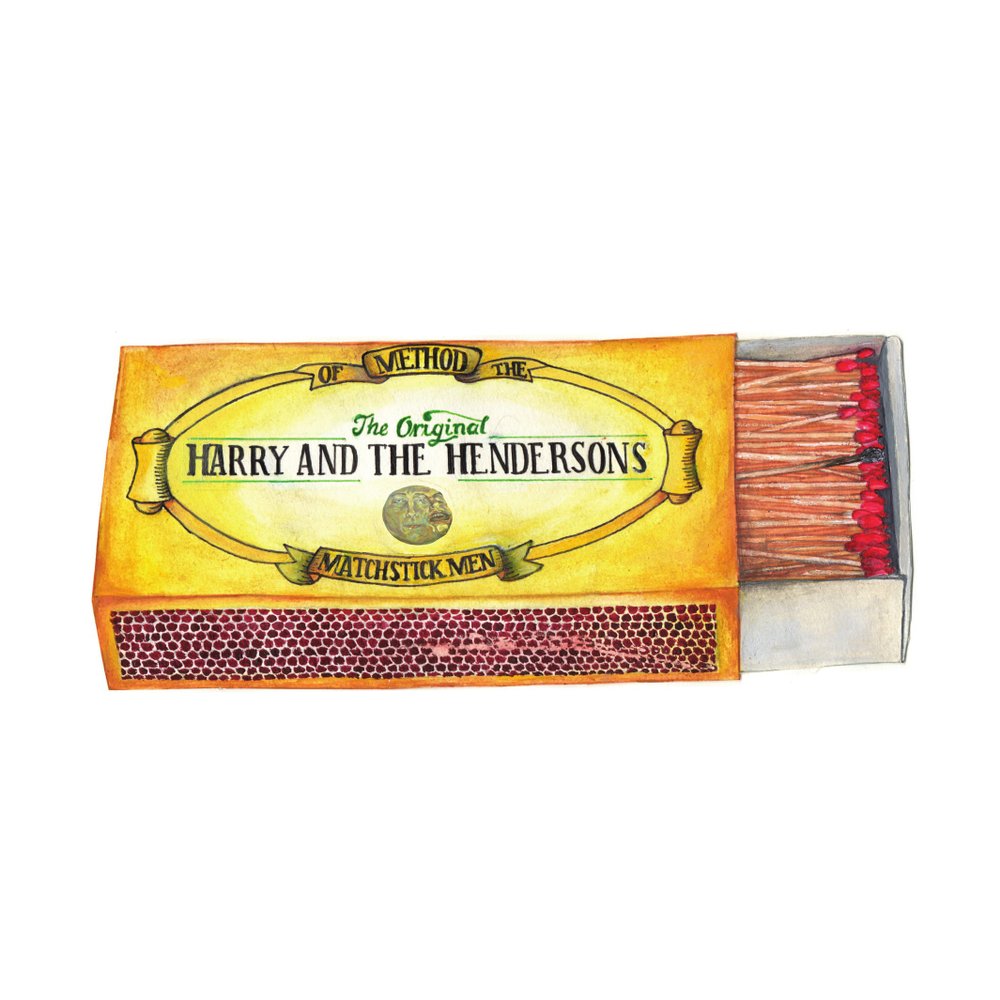 Listening to the seven piece Glasgow band Harry and The Hendersons is a bit like time travelling back to the early seventies when the bands had groovy clothes, long hair and were interested in Eastern mysticism. Taking elements of LA hipness (CSN&Y and such) and Notting Hill squats (Quintessence, East of Eden) they conjure up a fine pot pouri of sounds on their debut album. A string section introduces the opening number Transcendental Meditation with the band’s excellent harmonies well to the fore before the song settles into a guitar based groove with echoes of Dave Crosby’s work woven into it. Meanwhile Matchstick Men, the second song, is more baroque in its delivery, the harmonies again one of the main features here while the strings dance around a gritty guitar figure ending in a guitar/fiddle duel of sorts and the addition of flute to the fluttering freak folk of Chromophobia harks back to the seventies while also challenging the work of peers such as Trembling Bells. There’s even a five piece suite, Apollo’s Vision, which allows the band to wander hither and thither with willowy flute, Crosby like scatting and Tolkien imbued fantasy. There’s a wonderful moment in the segue between the sections, Medieval Weather Report and The Milkman, where they perform an audacious handbrake turn from prog folk to a Grateful Dead guitar noodle. Had this album been released on Vertigo or Deram back in ’72 it would be a collector’s item but it’s here and now and, having seen The Hendersons live, we can confirm that they can carry off this time travelling lark excellently on stage.
 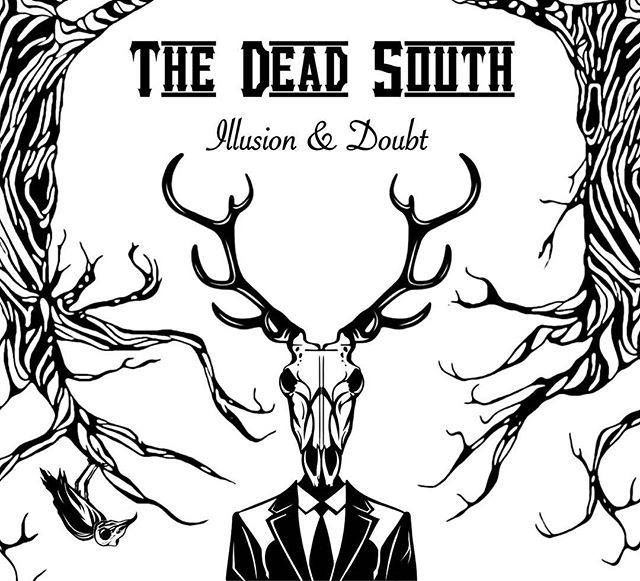 The Canadian four piece punky bluegrass outfit’s 2016 album gets a UK release to tie in with dates coming up in April. A frenetic collection of songs peopled with some ghastly characters knee deep in mud and blood and gore this is a tremendous listen. While songs such as Dead Dog Isle rattle along with a grim fury reminiscent of The Violent Femmes there are also numbers such as Smoochin’ In The Ditch and Time For Crawlin’ which are almost pure bluegrass while Miss Mary vamps along like a jug band on amphetamines (along with some particularly gruesome lyrics). There are some epic tales on show here. The Massacre of El Kuroke adds a Morricone touch to their sound with some sly slide guitar adding to this very cinematic song while Gunslinger’s Glory, the closing song, weaves between a bone rattling gallop and a woozy funereal waltz with strings adding a macabre touch. It’s all great fun with the band firing on all barrels and one suspects that these songs will fly from the stage with fire and fury.
  Johnny Dowd continues to eviscerate Americana on this wonderful collection of popular songs from the past which are chewed up and spat out by Dowd in his unmistakable style. The album opens with a manifesto of sorts on the updated Execute American Folklore (Again) and it’s hard not to express a chuckle when this Residents like caustic surge of electronica mutates into Dowd’s delivery of Twinkle Twinkle Little Star. We all know this lullaby but here it’s a bad dream vividly reimagined, more akin to Der Struwwelpeter than Disney with Anna Coogan’s operatic voice adding to the disquiet. Like a mad scientist let loose in a laboratory of steam punk synths Dowd plays all the instruments on the album; farts, parps, clangs and ominous hisses permeate the disc sounding like Krautrock meets the Clangers at times. Songs such as Going Down The Road Feeling Bad, Red River Valley and Tom Dooley are punched into submission. St. James Infirmary Blues is spoken like a beat poet suffering from a benzo famine and John The Revelator is full on biblical fury as the synthesized sounds beep and warble while there’s more biblical darkness on Job 17:11-17 with Dowd coming across like a Manson type prophesiser although the song morphs from its biblical origins into an electro funk invitation to a Friday night funky party. Dowd’s reworkings of these songs are bizarre and challenging but he’s continuing in the tradition of others, taking the songs and adding his own distinctive twist. I challenge anyone not to listen to his take on My Darling Clementine without a smile appearing.
 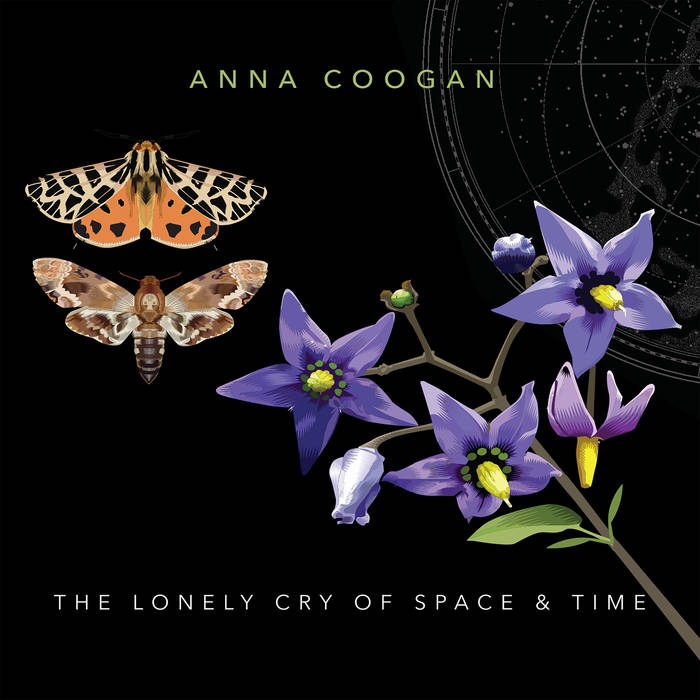 Last time we looked Anna Coogan was a wandering minstrel of the singer/songwriter variety as evidenced by albums such as

