“He was safe here; this was the place he loved – sanctuary, the paradise of his despair.”
Malcolm Lowry – Under The Volcano.
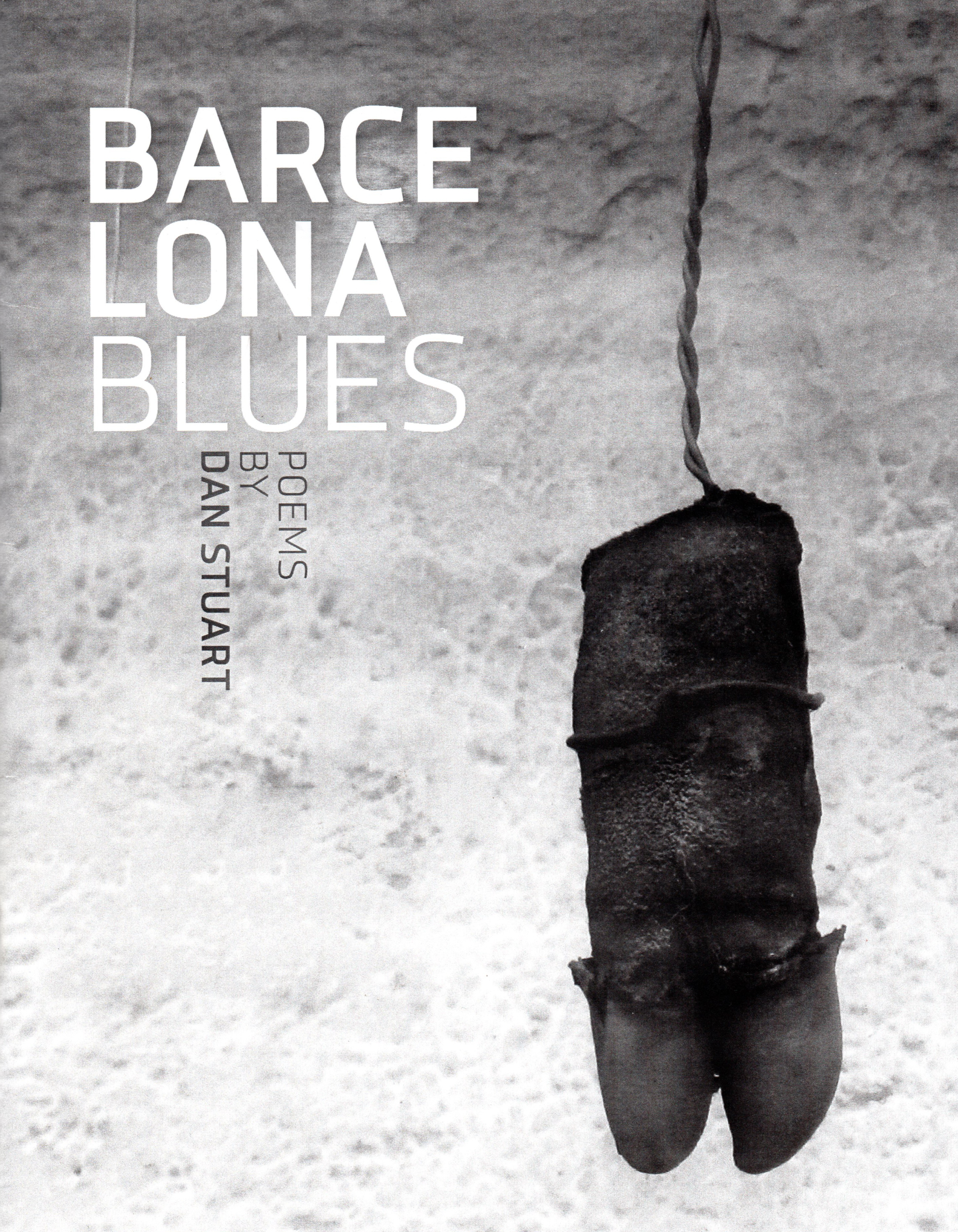
Malcolm Lowry, author of Under The Volcano, a novel about a drunk and disillusioned ex consul falling apart in Mexico, was an English writer who fled to Oaxaca, Mexico back in the 1930’s following a marital breakup and a spell in New York’s Bellevue Psychiatric Hospital. Dan Stuart, known primarily as the singer of the now lauded Green On Red, trod this self same path around five years ago, rebuilding himself with the assistance of his alter ego, Marlowe Billings, under which name he wrote a “false memoir,” The Deliverance of Marlowe Billings and recorded an album of the same name. Mexico, despite its murderous reputation, appears to have been some kind of salve for the battered and bruised Stuart as he slowly re-entered the music business, however he seems to have been somewhat repelled by the current rules of the game, the sanitisation, the pigeon holing that goes on; he wanted to sound dangerous, to get some revenge on the business that all but chewed him up and spat him out back in the eighties. Holed up like some Graeme Greene character Stuart recorded some songs with a Mexican engineer, Daniel Sanchez Jimenez, who added some rudimentary percussion backing to Stuart’s guitar strums (a little black egg shaker and thumped telephone directory). Some of these songs were released briefly on Stuart’s A Little Guitar EP but he wanted more, some danger, someone to really spark off of.
“In Mexico your wishes have a dream power. When you want to see someone, he turns up.”
William Burroughs – Junky.
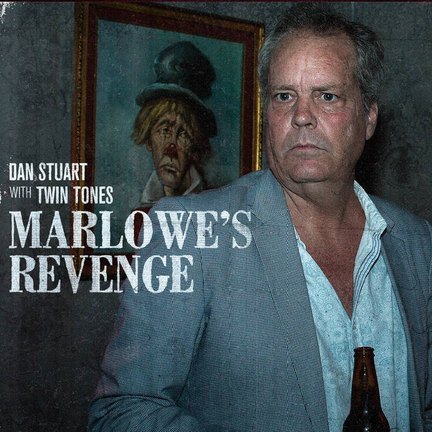
Stuart already had a foil, the mercurial Italian band, Sacri Cuori, who are like a dream band from an Alexandro Jodorowsky vision but they were 6,000 miles away. Burroughs’ drug stained quote is apt however as Stuart found a bunch of Mexican upstarts via Google who played scuzzy surf and garage rock, Twin Tones they were called. Contact made, turns out they had some mutual friends including Steve Wynn and Danny Amis from Los Straitjacket, and lo, holy mescalito, a union was formed and thus came about Marlowe’s Revenge.
Bolstered by the retronuevo garage blasts, fuzzed guitar and cheesy organ throbbings of Twin Tones Stuart lets loose his demons here, his voice snarling, sneering, sometimes vulnerable. Hola Guepo (Hello Beautiful) is a blunderbuss slice of 60’s fuzz punk, the guitars snarling like a two headed dog as Stuart pens a poisonous will for his wife singing,” you’ll get my ring, wear it from your neck, try not to choke on it.” He returns to his sense of abandonment on the spectacular guitar blazoned epic Soy Un Hombre, almost spitting out the words, “I’m a man who has always loved you no matter what the world had to say but you decided to leave with another less worthy than me.” There’s despair on the melodrama of Last Blue Day, a song that recalls Loudon Wainwright’s desolate Central Square Song on the opening bars before the band weigh in with a hefty thump sounding like a psychedelic version of The Band, Stuart at the end of his tether, dark thoughts on his mind with this stark image, ” darkness greets me as I open my door the rope on the crossbeam hangs to the floor.”
There’s bi-polar mood swings throughout the album, rage, despair, defeat and a manic edge to some of his Boho tales of life on the skids, the cannibalistic fantasies of The Whores Above swimming in a scuzzy garage punk morass of guitar and organ mixing up Burroughs, Bukowski and Brion Gyson, an evil laugh from Stuart catching the unhinged joy of narcotic revenge. I‘m All Over You is an amphetamined Dylan sneer, the tune pummelled into submission by massed handclaps and a stratospheric guitar solo while Name Hog roots itself in a Lou Reed strut as Stuart snarls his contempt of the treadmill rock’n’roll route.
Lest it be thought that these are just the musings of a misanthrope set to a farfisa and tremeloed heaven (or hell) Stuart actually delivers a bona fide (although slightly skewed) love song on the delicious Elena, a twisted Tom Petty like song that some brave radio shows might pick up on while Over My Shoulder is almost tender. Zipolite is a script in waiting, a sonic Mexican riposte to Alex Garland‘s The Beach, the band ominous as waves crash and dogs howl in the mix, this is really quite wonderful. Stuart winds it up with the languid flow of The Knife, a song that allows the band to show their mellow Santos & Johnny side although there’s a hint of menace in the guitars as if they’re being honed to kill; his whispered words recalling Brando’s utterances in Apocalypse Now.
Marlowe’s Revenge is an album that will surely please those who hanker for the unruly days of Green On Red, Stuart teetering on the edge, still sounding dangerous. However, This Dan Stuart is older, maybe wiser, certainly bearing more scars. I’ll leave the last words to his old sparring partner, Chuck Prophet, “It’s like I tell people, mark my words: Dan Stuart will end up in jail or an institution or living above a discotheque in Mexico City still writing real songs and shaking his fist at the world.”
Dan Stuart is embarking on a lengthy European tour including a date in Glasgow on 25th February where he’ll be supported by Tom Heyman (whose album Blabber’n’Smoke reviewed here) and Fernando Viciconte. A compelling performer this is not to be missed. All tour dates here.
And here’s a taste of Twin Tones