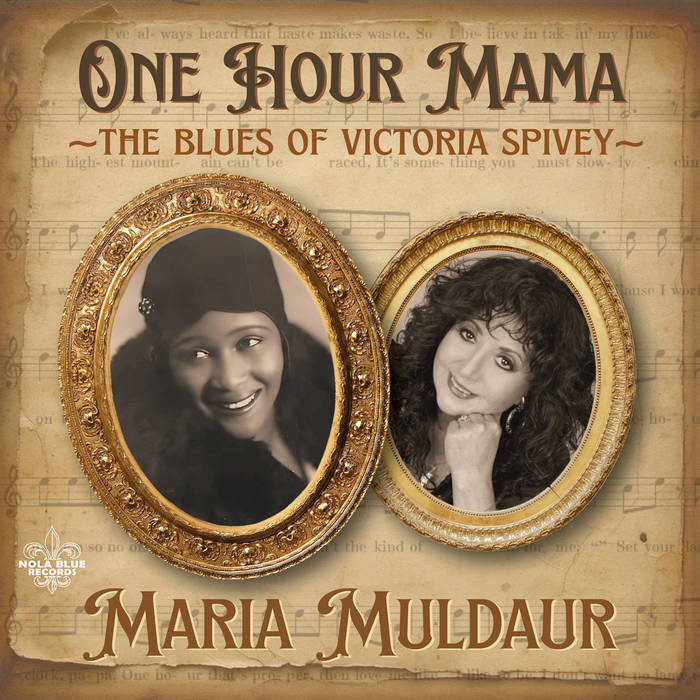
Blabber’n’Smoke last encountered Maria Muldaur when she released the excellent Let’s Get Happy Together, recorded with the New Orleans band Skinny Tuba, an exuberant celebration of New Orleans styled old time music, syncopated and swinging. It was the latest in a lengthy catalogue of albums which have showed that Muldaur, a genuine one hit wonder with her 1972 song Midnight At The Oasis, contains multitudes well away from that radio staple.
Muldaur was in there at the birth of the Greenwich Village folk boom, singing jug band blues with the Jim Kweskin Jug Band before marrying that band’s Geoff Muldaur and releasing two albums with him. Her 70s’ albums featured the cream of L.A. musicians with the first, self titled album, containing that hit single. It also featured the risqué blues of Don’t You Feel My Leg (Don’t You Get Me High), a song by Blue Lu Barker, a pre war blues singer and this is an avenue Muldaur has pursued in her most recent releases including tributes to Memphis Minnie and to that self same Blue Lu Barker. The title of the latter album, Don’t You Feel My Leg: The Naughty Bawdy Blues of Blue Lu Barker, is a pointer to this latest album, a celebration of another vintage blues singer, Victoria Spivey.
Spivey, unlike many of her contemporaries, was a survivor. She first recorded in the 1920s’ and in the 60’s she was managing her own record label with a 1962 album of hers featuring a then unknown Bob Dylan on harmonica (Dylan included a photograph of him and Spivey at the sessions on his New Morning album). Like Dylan, Muldaur was drawn into Spivey’s orbit, nurtured and tutored by the grand dame as her early career took off, she describes Spivey as a mentor and on One Hour Mama she repays her debt in spades with much of the backing provided by the aforementioned Skinny Tuba.
The songs here are risqué and ripe, redolent of the earthy and racy entendres which so scared the authorities of the time, way before rock’n’ roll became the Devil’s music. Muldaur slips so easily into the role, her voice, now much matured, seductive and slippery while her band gloriously revive old times. She kicks off with the wonderfully louche My Handy Man, a song so fuelled by double entendres that would make Benny Hill blush, a sense that is continued in the woozy New Orleans blues of Organ Grinder (“when you grind it slow I like it the best… you’re the grinder I’ve been waiting for”). The album features two songs with guest vocals from Elvin Bishop and Taj Mahal, both of whom duet with Muldaur in fine fashion, Bishop, sounding wonderfully weathered on What Makes You Act Like That while Mahal is quite gloriously hammy on the minstrelsy vaudeville of Gotta Have What It Takes.
However, it’s Muldaur who commands attention from start to finish as she revives songs as varied as the rolling piano night club styled Dreaming Of You or the Billie Holiday like lament of Don’t Love No Married Man, a song given a fine sepia toned rendition here. She closes the album with another blinder on T-B Blues, a blues moan which is redolent of past times and, as with all of the songs here, finds her surrounded by a sympathetic arrangement and magisterial playing.
Muldaur has been nominated for a Grammy on six occasions. One Hour Mama really should be the album which gets her that award.

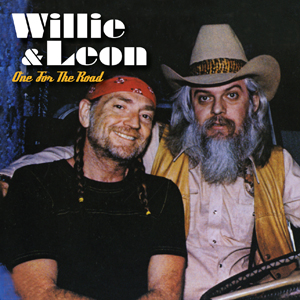 We’ve had an interesting batch of reissued albums sent in recently so over the next few weeks we’ll be indulging in a little bit of nostalgia. First up is this 1979 collaboration between Willie Nelson and Leon Russell recorded after the pair toured together. Russell, who died in 2016, was riding the coat tails of his fame by then while Nelson was gearing up his “outlaw country” persona breaking out of his Nashville straitjacket but the pair were even then old troupers and this album, originally a double vinyl release, finds them delving into country and tin pan alley standards. As such it’s not what you might call an “essential” part of either man’s catalogue but it’s a rollicking good listen with Russell and Nelson trading vocals, their voices quite complementary while there’s plenty of Russell’s piano work while Nelson throws in some fine guitar parts.