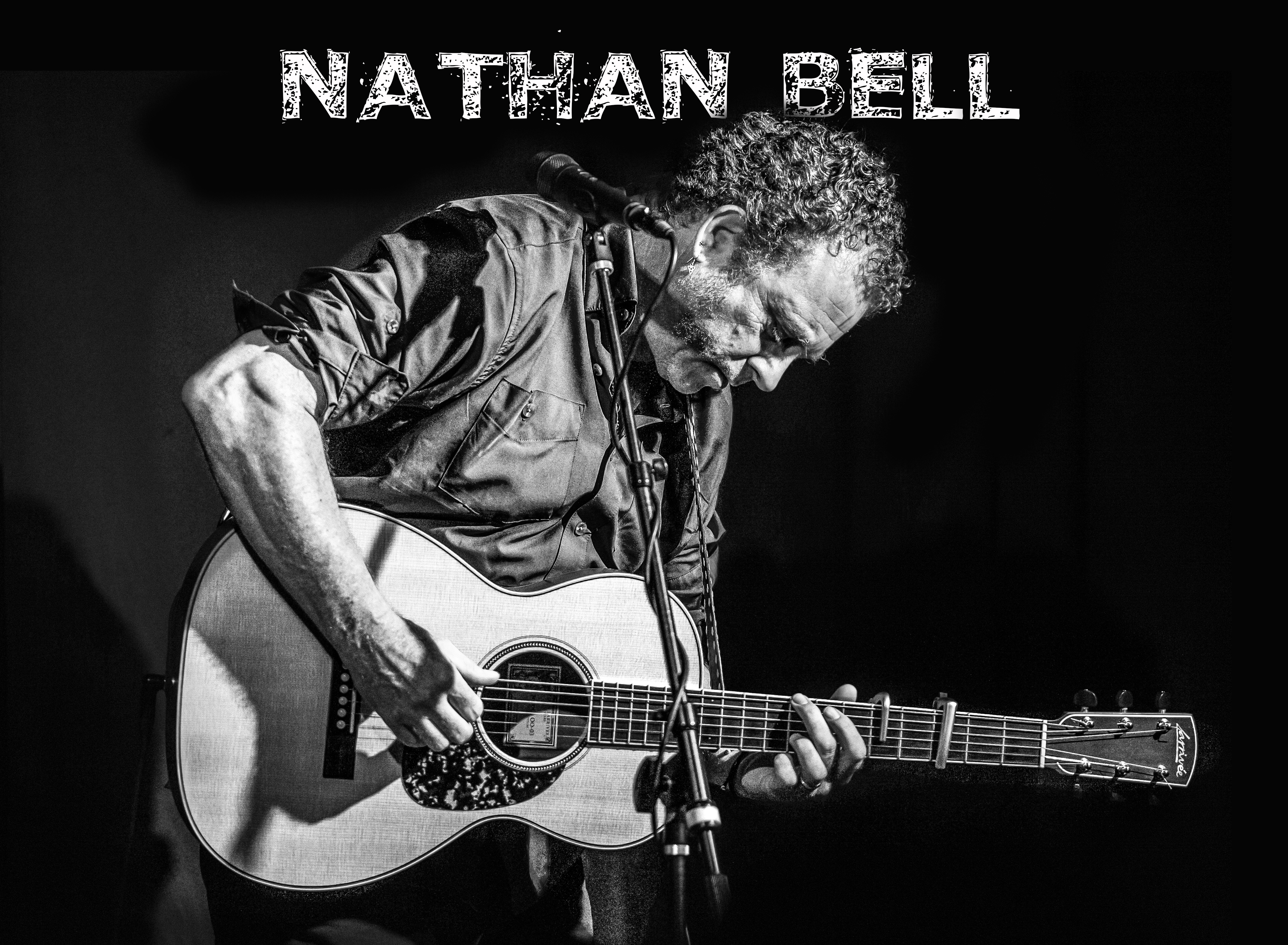
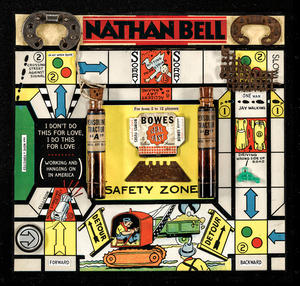
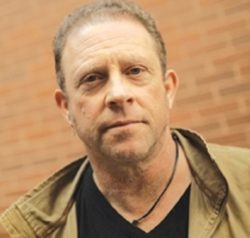
If you’ve ever wondered what a real life “hard core troubadour” looked and sounded like then I’d recommend a trip to a Nathan Bell show. After a shot at fame in the 80s, Bell only returned to recording after a 30 year hiatus, working and raising a family. When his job went belly up a decade or so ago he picked up his guitar again and has since released a series of albums which sink their teeth into the American jugular.
Bell first appeared in Glasgow back in 2017, playing at Celtic Connections. Since then he’s returned numerous times and, while he has become a popular attraction throughout the UK gig circuit, he seems to have developed a special relationship with the city and its audiences. I expect a lot of places might want to claim a “special relationship” but Bell knows his Glasgow lore, its myths and legends and its football lore. That said, he’s incredibly well informed about UK culture overall (the good and the bad), so much so I reckon he should just move on over here.
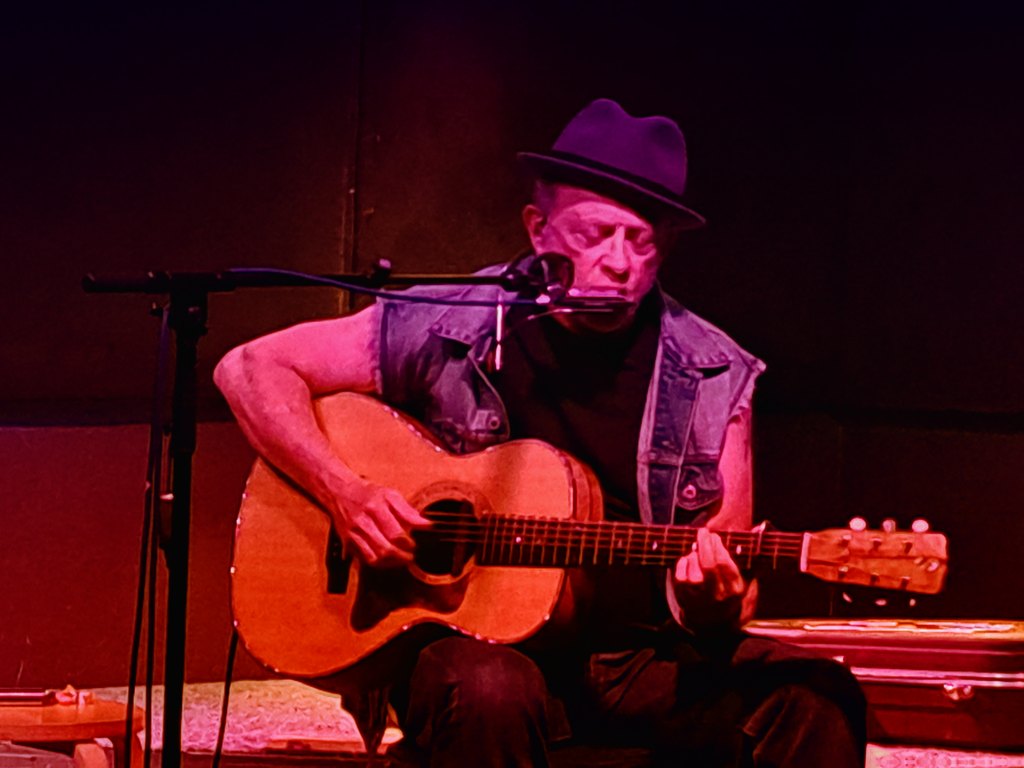
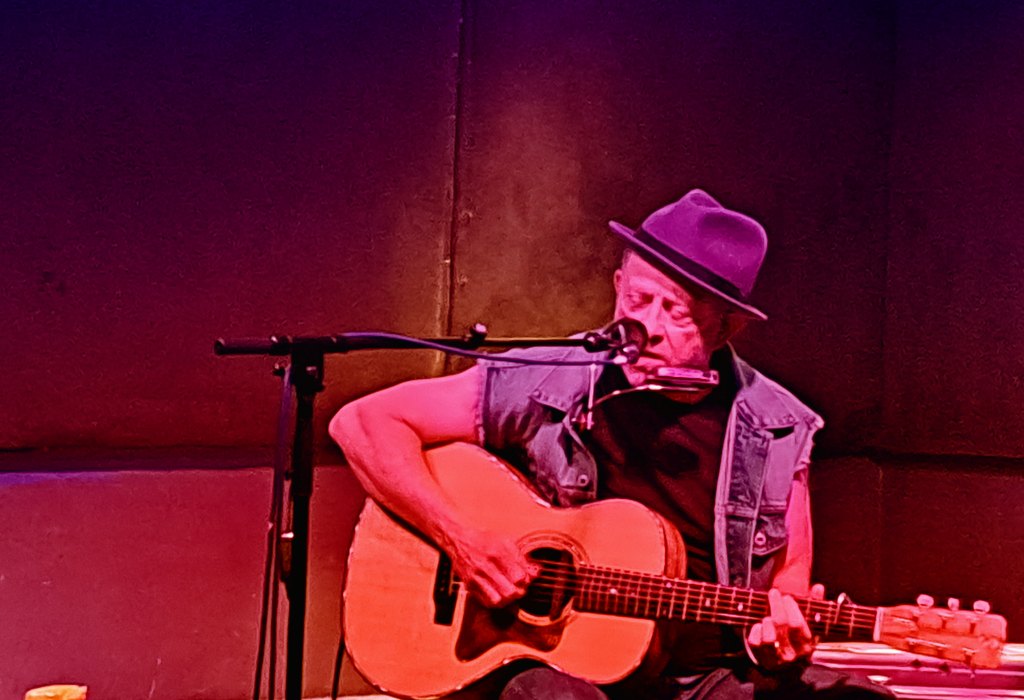
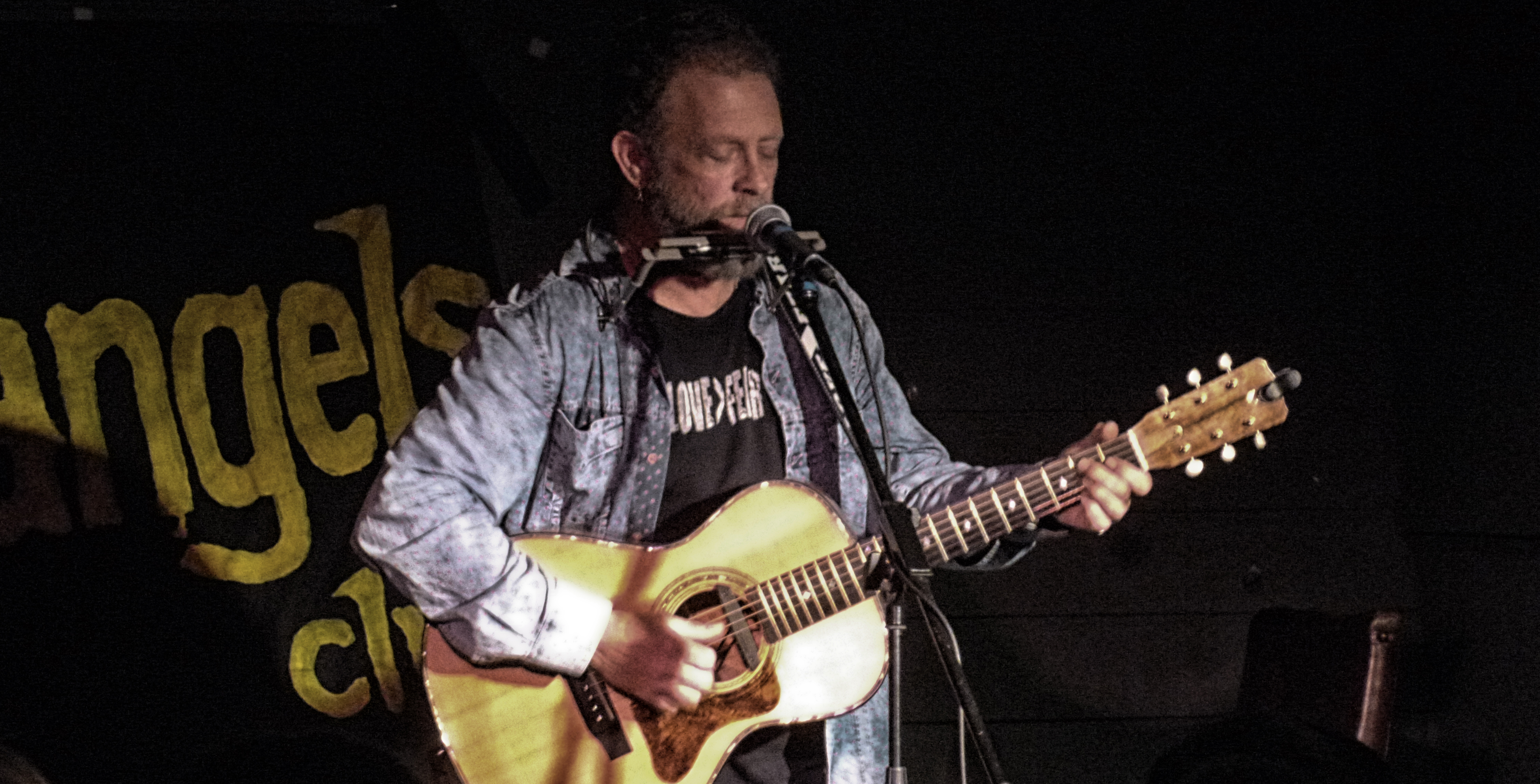
Anyhow, Bell’s latest appearance here was on the last day of the Glasgow Americana Festival, the annual festival organised by The Fallen Angels club, at a sold out appearance at The Glad Café on the south side. With a new album to promote (Demokracy Blues, a coruscating take on the current state of the union) Bell forsake the electric blues of the disc, appearing solo but still able to deliver his message. In case that sounds somewhat forbidding, Bell was on top form, able to summon fear and fury at times but leavening this with his hugely entertaining stories and asides. He leaned heavily on recent songs from Demokracy Blues and its predecessor, Red, White And American Blues (It Couldn’t Happen Here) while also delivering some favourites from the back catalogue. There was folk, blues and much more in here.
He opened with the wide vista of Black Crow Blue, a song from his first album from 2011, essentially setting out his credentials with his perfect finger picking, his wailsome harmonica and honest American voice, a true troubadour indeed. It was then on to the new album for a song which pitched itself against the recent crop of so called Americana bands who think that wearing old dungarees and shucking on corn qualifies them, bands who might call themselves something such as Amish Mystics. Here he skewers them. From the album Red, White And American Blues (It Couldn’t Happen Here) there was a devastating delivery of American Blues, its closing refrain of “Burn Baby Burn” reminding us of the hosts of Americans who brought down Nixon – the power of resistance. From the same album Bell dived into the legend of one of his heroes, Lightin’ Hopkins on a great delivery of Retread Cadillac while there was more acoustic blues on the lively New Cocaine Blues. The latest album leans heavily on electric Chicago blues but he easily managed to deliver a stripped down acoustic delivery of Downhearted And Blue which carried as much emotional heft. There were a couple of new songs played and some from the past with Bell declaring “this is my most requested song” before playing a spellbinding I Don’t Do This For Love, I Do This For Love.
As the set end loomed into sight Bell sang the closing number from the new album, You Say Nothing. It’s a stomping blues number, somewhat akin to John Lee Hooker in an evil mood and Bell stomped the notes from his guitar while wailing the title refrain, an electrifying performance. The crowd raved and Bell gave us another couple of songs in lieu of an encore, no point in walking off and back on again really. First off was his instrumental, Hot Tub Shark (finally available on disc folks), really an excuse for Bell to show off his guitar skills and if you want to know why he called it that then you need to go see him live although we can say that after playing it he likened it to the silly tunes which accompanied the late comedian Benny Hill’s skits. Another example of Bell’s encyclopaedic knowledge of UK pop culture. The last song brought everyone back to earth as Bell sang A Lucky Man, part travelogue, part farewell to lost family, friends and even pets. It’s a humbling experience to hear such a song played live and in such a perfect fashion as happened here and the audience responded with fulsome applause. As we said at the beginning, Bell is a true troubadour who can pull at your heartstrings one moment and have you creased with laughter the next. We need to treasure artists like this.
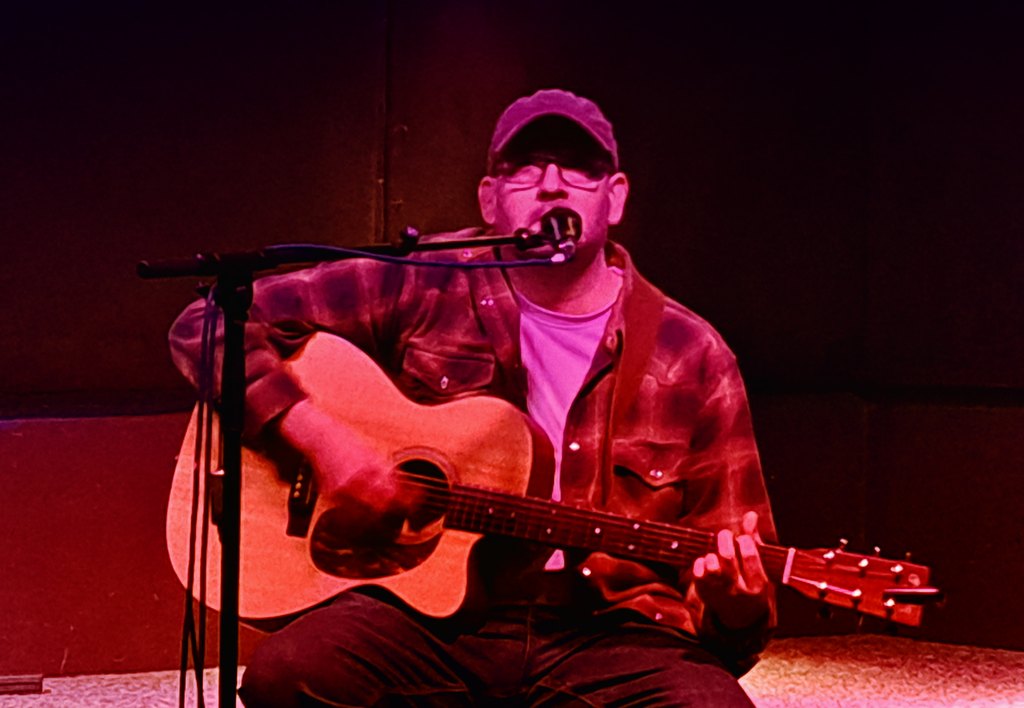
The support act was a local singer songwriter Scott Ashworth who set the scene with a short set of impressive songs. Like Bell, Ashworth delves into blues and folk and The Devil Don’t Deserve Me, his take on the Robert Johnson crossroads legend, was an early highlight. The Ghost, from Ashworth’s album Ghosts And Broken Men is a spooky meditation on the musician’s lot of lonely travels and travails. Ashworth regularly releases singles for charitable causes and played his latest, Little Did I Know, sales of which will benefit dementia charities. He ended with a song, The Letter, he had written for Combat Stress (a charity to support military veterans’ mental health). With its John Prine like storyline it was a fine end to a fine little set.
Here at Blabber’n’Smoke we’ve been huge fans of Nathan Bell ever since we heard his 2016 album I Don’t Do This For Love, I Do This For Love. We spoke to him back then and now, on the eve of his UK tour to celebrate the release of his new album, Red, White and American Blues we caught up with him again. First off, we asked him if he was looking forward to visiting the UK and whether he was certain he would make it given the current travel issues.
Well, I’ve got so much to do these days that I never really slow down so I’m actually looking forward to coming over to the UK as it will almost be like, a break. I’ll just be doing one job instead of several. When we were setting it up it looked like it might be a 50/50 chance of travelling but right now it’s much more certain. I think we’ve reached the point statistically where, if you’re smart enough to be vaccinated, and you should be smart enough, that you’ve reached the point where the real danger is to people who are really unwell in other ways. It’s also a great opportunity to launch the new album which was actually recorded back in June 2019. A lot of people didn’t put out new music during the pandemic because there was no touring and of course there’s no money to be made in streaming.
Red, White and American Blues features a full band on most of the songs.
It’s a different kind of record from what I would normally do. I mean you can still find the acoustic songs in there and I had some nervousness about making it but it turned out well and the band didn’t overwhelm the songs. It was originally going to be acoustic but when I started recording with Brian (Brinkerhoff) we came up with a vinyl release, The Right Reverend Crow Sings New American Folk and Blues, which was acoustic. This one is more electric or “electricious,” as I wouldn’t call it a completely electric album.
I saw a collection of short videos on YouTube where you play the songs from the album on acoustic guitar and talk about them and I recall that you said that Mossberg Blues was the closest you get to one of your favourite albums, Let It Bleed.
That’s maybe an exaggeration. I did those videos on the back of having Covid but I mean I’m not going to get the sound The Stones’ had. This is my record, I’m not trying to recreate Let It Bleed. It’s just the approach, it was pretty down and dirty and all of the songs here are first or second takes, I don’t think we got around to doing a third take on any of them. And some of it was just the instrumentation. You know, when someone else produces your record you have to hope that they hear the spaces the same way as you do and luckily Bryan and Frank (Swart) did.
I was very impressed by your co – singers, Parry Griffin, Regina McCrary and Aubrie Sellers who add so much to several of the songs.
I feel very fortunate to have them on the record, it was Brian who had the contacts. I really didn’t expect to have someone like Regina McCrary sing on one of my records but as I say in that video you mentioned, she adds a kind of Harlem theatre like feel to Mossberg Blues while she’s fantastic on Retread Cadillac.
You had an acoustic version of Retread Cadillac on the Reverend Crow album and here you really amp it up.
Everybody loves that song. I’m very conscious that I don’t want to mimic black blues music. I don’t want anyone to hear me and think, “He’s trying to sound like he’s black.” I think it’s clearly me, it’s my voice, but I’ve spent years playing like that, a drop thumb on a baritone guitar so it’s got a nice deep thump to it. It’s about Lightnin’ of course and there’s one line in the song, about Dowling St and when I sing it, it sounds like Downing St, so the blues fanatics will come after me for making a mistake. However, we left it in because part of the charm of those old blues records is that they left shit in, mistakes and all. I saw him in his last years and by then he was cultivating the legend because he was making a lot of money being Lightnin’ Hopkins, playing the character. I’ve no idea what he was like at home but for a 15 year old, to see him on stage was just huge. You could say that the song sort of sums up my entire development as a musician through the use of Lightnin’s legend.
American Blues pays tribute to Gil Scott Heron.
There was a period of my life when I listened to him. I grew up in a culture, which was a mixed medium of poets and their intersection with jazz. I’ve never been a jazz player because I’m not very good at it and I wouldn’t want to be a mediocre jazz musician because that’s maybe the worst thing you can foist on the world. A mediocre blues musician might be alright for a while, but a mediocre jazz musician, well, that’s just wrong. So, it’s taken me years and years to get comfortable with doing an overtly political and almost spoken word song like American Blues. It doesn’t sound anything like Gill Scott Heron but if you know about him then you can see the connection.
Mark Kemp writes in the liner notes, “Red White And American Blues is not a protest album, although it has protest songs, It’s not a Black Lives Matter album, but in these songs, Black lives matter. It’s an American album. It’s a set of songs about a broken country and its broken people.”
I’ve always been a political writer. Just in the subject matter. But then there’s marketing of protest music and then there’s protest music. Leadbelly wasn’t marketed as a protest singer until long after he’d written his songs. My songs don’t have the symbols of protest music. If you listen to the lyrics you’ll find some humour in there if you’re looking for it. American Gun for example, it’s not quite what you might think it is about so you have to listen carefully to the whole song. I think that if the record is marketed as a protest album it does it some disservice to it but there’s no question that it’s political. I left out Trump’s name on purpose because he colours the scene so much. Dave Chappelle (Americana comedian) said that the problem with Trump is that he’s scary as hell and as funny as hell, and that scared him. I mean even people who hate Trump can’t help but laugh when he says some of the stupid shit he says. So, I didn’t want his name in there because it would take up too much space and I mean, he’s not the only one. There’s Viktor Orborn, Bolsonaro and that crazy guy in Belarus who’s willing to hijack a plane to kidnap a journalist. There’s plenty of people who fit into that slot so I didn’t want it to have any specificity to one guy if that makes sense.
But America has made a lot of mistakes. The problem with any country that offers a great deal of hope, but which requires you to be subsumed into it, is that it also offers the possibility of a great deal of oppression. When 9/11 happened, and the album’s being released in the United States on the 20th anniversary, the reaction in America wasn’t, “What is our role in the world?” Well, maybe it was for a few forward thinking people, but for most, it was. “Well tomorrow these guys are going to drive a truck full of gasoline and blow it up in my back yard.” There was no realistic reason to expect that but the guys who know how to pull the levers and make money pressed that on to the American people. So our reaction was aggressive, it cost millions of people their lives all across the globe and it ruined thousands of American military people’s lives. Not just those who were killed or injured, but everyone who was sent over there, it affected them and their families. I mean, I’m going to take some punches to the face if this gets noticed out there because I’ll be seen as unpatriotic, antifascist, and supporting groups that want to see America change. But America has to change, if we don’t, then at some point we’ll just go full circle back to the way we formed the country which was on the backs of native American and black people.
The album’s subtitle alludes to Sinclair Lewis’s 1935 novel about a demagogue who is elected to the White House.
That was actually Frank’s idea. We were sitting around talking about a title and I just said we should call it Red White and American Blues. Now, I think there have been plenty of songs or albums called that. If you look hard enough you can find a guy who is as far to the right as I am to the left who has an album with the same name. So Frank said, we should just call it, It Couldn’t Happen Here and so we just joined the two titles together. The thing is, it could always happen here, or anywhere. Part of my family comes from Ukrainian Jewish stock and if anyone knows anything about it couldn’t happen here it’s us. I’m only one generation away from the immigrant and like most people with a Jewish background I’m very aware of what can go wrong.
A Lucky Man seems to be the most personal song on the album and it’s dedicated to your late father, the poet Marvin Bell, whom you call the original Dead Man.
My father wrote a series of poems that eventually morphed into a collection called Incarnate: The Collected Dead Man Poems. It is really something to read, it was his crowning achievement. He used the character of the Dead Man as the speaker or the subject. He was like a representation of something, a voice like you might have in the Tibetan Book of the dead. Obviously, I knew the whole series of books and I guess some of it rubbed off on me. I had characters in my songs like Ghost or Crow that work in the way of the Dead Man. I don’t know if any of my music had any influence on my father’s concept of the Dead Man but I know that to some extent we became intertwined over the years. He and I were going to do a joint project. He was going to do 12 poems about jazz and I was going to do 12 songs about jazz but which weren’t jazz songs, a bit of a challenge. But it never really got started before he died last year. Anyway, when I was writing these songs I realised that I had borrowed some of the Dead Man’s persona so I thought I should acknowledge that.
Do you write any poetry?
I’m a dreadful poet, I really am and I know when not to do something. Having said that, I know that many songwriters say their words aren’t poems, but I’d argue that any lyric that isn’t poetic has failed.
Well, Nathan Bell has made it to the UK and he kicks off his UK tour tonight at the Glasgow Americana Festival. All tour dates are here
Woody Guthrie famously had a sticker on his guitar which stated, “This guitar kills fascists.” Of course, he never actually hit a Nazi over the head with the thing or garrotted one with an E-string but I guess we all know where he was coming from. Nathan Bell might have a baseball bat at home which he calls his Nazi thumper but again, it’s doubtful that he’ll crack anyone’s skull with it. However, he’s certainly in the same ball park as Woody when it comes to his songs.
Bell’s late blossoming as a songwriter and performer of note began with his “Family Man” trilogy which saw him singing about the hard pressed everyday folk of America. His empathy, observations and acute insight raised the bar for so-called “blue collar” folk music and he was an immediate hit in the UK when he started to perform over here back in 2017. This coincided with the election of a tangerine toned oaf to the high office of President of The United States, a travesty which outraged Bell and which led to his spectacular album, Love > Fear (48 hours in Traitorland). This was the tip of an iceberg of populism which saw several countries around the world elect (or being duped into consolidating) demagogues into office. The warning signs were apparent and the subtitle of Bell’s latest album makes it clear that, despite the demise of Trump, we’re still in a dangerous place.
It Can’t Happen Here is a 1935 novel by the Nobel prize winning American author, Sinclair Lewis. It describes the election of a popular demagogue to the White House who soon begins to institute fascist laws (strangely enough it started to sell again in early 2017). Bell changes Can’t to Couldn’t, indicating that it’s too early to say that this will never happen. The album title is a warning shot, a reminder that all need to be vigilant although the disc itself is a more rounded affair, much more nuanced than had it consisted of “finger pointing songs.” There’s a great deal of anger enveloped within its grooves but there’s also a great deal of love and respect.
The majority of Bell’s albums have been acoustic affairs so it’s a bit of a jolt to hear the Pete Townshend like guitar crashing in at the beginning of Angola Prison. It’s the muscle of the piece, jolted by the sinewy and melodic acoustic guitar which underpins the song as Bell tears into the cruel punishments meted out to mainly black prisoners in this infamous jail. It’s a powerful opener and Bell opts for full band workouts on several other songs such as on the slippery bar room blues of Wrong Man For The Job (“If I was the President I’d start another war. Wouldn’t care who we were fighting or what we’re fighting for. I’d take all your money and slip out the back door…”) and the Stones’ like back alley scrabbling which is Mossberg Blues. Meanwhile, Running On The Razor, a song Bell wrote in response to a documentary on a Southern family which he describes as poverty porn, is a deliciously dark slice of voodoo blues which has Aubrey Sellers adding her soulful voice to Bell’s gruff delivery. It’s quite magnificent but it’s not going to played on the radio anytime soon so you’ll need to buy this motherf***er in order to hear it.
There’s an electrifying electric version of Retread Cadillac, a song about Lightnin’ Hopkins which first appeared on Bell’s 2019 release The Right Reverend Crow Sings New American Folk And Blues. Here, it’s Regina McCrary who generates the power as she sashays, moans and testifies, transforming the song. It’s McCrary again who adds the vocal oomph to Mossberg Blues and clearly Bell is having a ball with these stellar vocal sparring partners as he also has Patty Griffin sing on three of the songs here. These are more reflective, and in two cases, more personal songs, allowing Griffin to entwine her voice with Bell’s in the grand manner of Parsons and Harris. American Gun is contemplative as Bell simplifies America’s approach to the world which weirdly enough boils down to Mao’s infamous dictum that “all political power comes from a barrel of a gun.”A Lucky Man finds Bell writing about his travels overseas and reflecting on his mortality, with the song dedicated to his late father while To Each Of Us is an achingly beautiful love song.
There are many facets to this fascinating album which was recorded in 2019 but held over due to the pandemic. Some of the songs foreshadow, not the pandemic, but the political mess we remain in with Bell calling out those who pull the levers, not to benefit others but themselves. He can pull at your heartstrings but he can also raise your pulse as he rails against injustice. Maybe this album can kill fascists.
Taking some time out from his superlative run of Family Man themed albums which salute the American dream and excoriate the mess it’s become, Nathan Bell has taken a feather from Hank Williams’ cap for this eight-song disc. Williams adopted the pseudonym, Luke The Drifter, for a series of songs which were not his usual honky tonk jukebox fare. In a similar manner, Bell becomes The Right Reverend Crow as he indulges his love of country blues and folk.
He opens with a tribute to that irascible Texas bluesman, Lightnin’ Hopkins, the subject of one of Bell’s usual on stage interludes. Retread Cadillac (Lightnin’) copies Hopkins spooky spoken word style along with his slyly brilliant walking blues guitar as Bell offers a condensed history of Hopkins’ career. Another Texas bluesman, Johnny Winters, features next as Bell delivers a magisterial solo performance on a series of vignettes all ending with him driving down the highway as Johnny Winter plays the blues. There’s some grand piedmont guitar picking on the jaunty New Cocaine Blues while Rolling Blues mucks around in early Muddy Waters before he became all electrified.
Bell’s on more familiar territory as he moves on to the folk side of the Right Reverend, the songs here not dissimilar to those which have seen him mentioned as a worthy successor to Guthrie, Van Zandt and Springsteen. Poisonous Snake inhabits the weird world of Pentecostal snake handling with Bell delivering it in true southern gothic style as if he were singing a short story from Donald Ray Pollack. The Ballad Of Bill Spaceman Lee has some Dylan like harmonica rasping from Bell on a song which has classic stamped all over it with its capture of youthful aspirations and their eventual dimming. The album closes with a retread of The Big Old American Dream, originally released on Love>Fear which serves to remind us that Bell can write a grand narrative in the grand tradition of writers such as Guy Clark and imbue it with a true sense of from the ground up nobility.
Nathan Bell hits the ground running this week for a short trip around the UK and an appearance at Rambling Roots Festival in Utrecht. We shouldn’t need to say that if you are anywhere in the vicinity of a gig then you should go as you’ll be blown away. In addition, Bell will have the first copies of The Right Reverend Crow Sings New American Folk and Blues on sale at the shows along with a very limited edition 7” single featuring two new songs, Heavy As A Talent (Billy Shakespeares’s Blues) and To Each Of Us (A Shadow).
A firm favourite of Blabber’n’Smoke, Nathan Bell returns to the UK and Europe for a short tour commencing on 9th October. We first came across Bell when his third album, I Don’t Do This For Love, I Do This For Love was released in 2016 but, grand as it is, the album didn’t prepare us for the intensity of his live act which we first experienced at Celtic Connections in 2017. Since then, we’ve seen him live on several occasions and he continues to astound. He has also released three more albums (one a live recording) which confirm that the readers of Americana UK were spot on when they voted him Male Artist of the Year at the tail end of 2017, and then as the runner up to Jason Isbell in the same category in 2018. We can pretty much guarantee that if you catch Bell on one of the upcoming dates you’ll be blown away. Trust us.
As an additional lure, Bell will have copies of a very limited edition 7” vinyl single for sale at the shows, along with a new eight track EP. The single, on yellow vinyl, is a tour exclusive and features two previously unrecorded Bell originals – ‘Heavy As A Talent (Billy Shakespeares’s Blues)’ and ‘To Each Of Us (A Shadow)’, recorded in Santa Cruz, California. The same studio sessions also spawned the EP, titled The Right Reverend Crow Sings New American Folk And Blues, which finds Bell inheriting the mantle of revered characters such as Woody Guthrie and Lightnin’ Hopkins (if you’ve seen Bell live you’ll know that he reveres old Lightnin’). Co-producer Brian Brinkerhoff says of the EP, “Rarely does an album title give you a perfect depiction of the music contained within. There’s a Blues side and a Folk side here – four songs that fit into each of those broad categories and yet hang together seamlessly.”
We’ve had a sneak preview of The Right Reverend Crow Sings New American Folk And Blues and can confirm that Brinkerhoff is correct as Bell delves into classic acoustic blues and folk territory. It bodes well for these upcoming dates.
WED OCT 9 KINGSMEAD HOUSE, HIGH WYCOMBE
FRI 11 PI GIGS @ CAFÉ CWTCH, PEMBROKE DOCK*
SUN 13 HARBOUR ARTS CENTRE, IRVINE*
MON 14 TRAVERSE THEATRE, EDINBURGH*
TUES 15 PERFORMING ARTS CENTRE, KILBARCHAN*
WED 16 THE BLUE LAMP, ABERDEEN*
THURS 17 FALLEN ANGELS CLUB AT THE ADMIRAL, GLASGOW*
SAT 19 RAMBLIN’ ROOTS FESTIVAL, UTRECHT
* with Canadian singer-songwriter
DAVID LEASK in support
The 12th Glasgow Americana Festival kicks off today as Bristol based Yola Carter brings her hi-energy mix of soul and country to Cottiers Theatre. Carter, winner of UK artist of the year and Song of the Year at the AMA UK awards is just the curtain raiser for a splendid roster of acts pouring into Glasgow over the next five days. Emily Barker, well known to many for her theme song for the BBC drama Wallander and for her spot in the opening ceremony at the London Olympics, will be showcasing her Memphis influenced soulful blues album Sweet Kind of Blue while Kimmie Rhodes, a true red dirt Texan legend is also coming along.
Nathan Bell, winner of the performer of the year award in 2017 by the influential website Americana UK returns to the city which he took by storm at Celtic Connections some 18 months ago and another singular performer, Anthony D’Amato is at the HIP place to be on the south side, The Glad Cafe. Also coming to the Glad Cafe are the UK “supergroup” Bennett Wilson Poole for their first Scottish appearance. This trio of seasoned and bloody brilliant musicians have dominated the UK roots Americana scene ever since their album came out earlier this year and this gig is definitely worthy of “bucket list” attention.
There’s plenty of home grown talent on show as Martha L Healy and Starry Skies both have album launch shows (with Healy’s show apparently sold out, sorry folks) while The Hellfire Club’s show at The Hug & Pint promises to be a hot and sweaty intimate shindig. And for an interesting mix of local and American acts there’s the ever popular Hazy Recollections revue which includes Woody Pines and Adriana Spina on the bill which this year is being hosted by Glasgow’s answer to Whispering Bob Harris, our very own Mike Ritchie. In addition to the main acts there are some great supports adding to the experience and the whole line up can be found here.
Check the links above for Blabber’n’Smoke’s thoughts on some of the acts and see some video evidence of the avalanche of talent coming this week. Get thee down there.
OK, decorations are coming down, it’s back to work time but before that here’s a short list of the albums that have stood out over the past year. If there’s a link it will take you a review of the album. Looking back it seems that 2017 wasn’t a bad year for music in terms of releases but a total bummer in terms of Tom Petty leaving us. Here’s hoping next year is as good so, all the best for 2018.
In the year of Brexit and Trump, Chuck’s sheer love of rock’n’roll shone throughout this album. Coupled with seeing him play two blindingly great gigs this year the album’s been a regular on the stereo and in the car while Jesus Was A Social Drinker is my song of the year.
While Stapleton gets all the notice I think there are numerous others who are bringing out better albums and Jeremy’s second solo album is the best of the lot this year. I was privileged to host a house concert with Jeremy and Ags Connolly and it was a great occasion.
Old fashioned protest perhaps but Bell is a powerful writer and as good a champion of “blue collar” folk as Rod Picott. And, in concert, he’s funny with it (just like Rod Picott).
Aside from his band, Sacri Cuori, Antonio Gramantieri has worked with Howe Gelb, Dan Stewart and Alejandro Escovedo. This solo album is a magnificent retro stew of sixties soundtracks and Italian cool.
There are many others which could/should be mentioned here, apologies to those I’ve either forgotten about or overlooked. In the meantime here’s the song of the year.
Nathan Bell’s album I Don’t Do This For Love, I Do This For Love, released midway through 2016, featured heavily in many year end top ten lists, for a virtual unknown this side of the water an impressive task. Bell has a firm grasp on a folk roots sound with hints of country folded in as he sings of the dignity (and the plight) of the modern day USA working man. Following in a line from Woody Guthrie to Dylan, Steve Earle, Guy Clark and Springsteen, Bell’s songs burn with a smouldering sense of injustice and hurt, the American Dream laid bare, factories closing with folk having a hard scrapple existence. Despite the tribulations however there’s still a sense of dignity and pride, the victims as heroes.
I Don’t Do This For Love, I Do This For Love is the third album from the 56 year old Tennessee resident. Along with its predecessors, Blood like A River and Black Crow Blue it constitutes what he has called The Family Man Trilogy examining life today as a 50 something man, a family man and a working man. While the first two featured primarily Bell and his guitar on I Don’t Do This For Love, I Do This For Love he is accompanied by Missy Raines & the New Hip adding new dimensions to his sound. At its heart however is the voice and experience of a man who had a shot at Nashville back in the 80’s recording albums with his first wife before hanging out with the likes of Earle and Townes Van Zandt. It didn’t work out and Bell moved into white collar work forsaking music, remarrying and raising a family until the tectonic plates of capitalism shifted him into the ranks of the unemployed once more, the shifting ground finally settling when he once again picked up his guitar after almost two decades of silence.
With such an intriguing story topped by the excellence of I Don’t Do This For Love, I Do This For Love, Blabber’n’Smoke was delighted when it was announced that Bell would be making his UK debut at Celtic Connections. An opportunity to speak with the man came up and we grabbed it with both hands so here is a conversation with Nathan Bell.
Hi there and congratulations on your album, it’s been really well received over here.
It’s done better across the pond than in the US and I appreciate that. Done well in the UK and also in Europe where they’re very keen on lyrics based music. Most of them speak English in the financially well off countries but it still surprises me that my albums seem to do best in countries where English is a second language.
You’ve played in Europe before so do you try to reciprocate and learn any of the languages over there?
Well, Dutch and German are so close together, when I was over there I was trying to speak in Dutch but I was pronouncing it like a German. My family line is Ukrainian and Dutch-German with something else in there somewhere.
But the Celtic Connections show is the first time you’ve played in the UK?
Yes. I’ve been to Edinburgh before but on a holiday. I had a tour in Holland and then my family came to meet me in Amsterdam and we got over to the UK. I have a friend who directs for the BBC in London so we came over and hung out and other than the fact that you can’t set foot in London without giving them all your money we had a great time! We then came up to Edinburgh. Where I come from on the East coast of the States a lot of the people come from Scotland.
I don’t do a lot of touring. I made a decision early on that I wasn’t going to do a lot of small shows and be away for several weeks. Partly it’s because I’m too old to do that, I mean put me on the road for 20 days and I’m dead, after two weeks I need a day off. And my music, it’s wordy, dense and there’s only a certain kind of audience who will come to that so if I can find that audience then I’ll book a short tour around them so I get to play really high quality places. But the life of a 19 year old in a band, that’s not me. I’m up there on stage on my own and I’m not bragging when I say I’m quite an accomplished guitar player and I know what will do well in front of an audience that’s paying attention.
I Don’t Do This For Love, I Do This For Love is said to be the third part of a trilogy of albums.
It is a trilogy of sorts. Record companies and PR folk tend to shy away from the use of that word because we’ve become such a short-term society that people are only interested in what is current but I started these records as a trilogy and if there was an over arching title for it would be the Family Man Trilogy. It starts out with Black Crow Blue which is about the single man in America, Blood Like a River is about the family and this new one is about working and it’s been about a four or five year process.
Much of the new album seems to be about people working or not working in what I suppose we call the rustbelt, the steel industry and such, people who have been having such a rough time of it recently.
Yes, these are jobs which will never come back. People say they will but they won’t other than in a boutique sort of way. There’s a company called Nucor Steel which recycles steel but the big plants are gone, we’re never going to make the level of steel that they do in China. We’re in a funny position in that the money moved up and it didn’t get replaced by anything. I’ve worked since I was eleven years old and I’ve experienced that first hand.
I know that you were in Nashville in the 80’s but that didn’t work out and you eventually ended up working in the telecommunications business.
In 1991 I came to Nashville. It didn’t work out but I kind of knew that from the moment I got there. I had a publishing contract and I was working with the producer Richard Bennet who worked with Steve Earle on Guitar Town. Richard became a good friend. But even in the process of getting all these things together, contacts and such that for some some people takes years of work to get hold of, as soon as I got to Nashville I realised that this wasn’t necessarily what I was wanting and that they had a business model that wasn’t for me. It wasn’t their fault that I couldn’t be in their business model and you can only blame them if you did exactly what they told you to do and it didn’t work out. I never did that. So after about six months I was treading water and after two years I was out.
I accidentally ended up in telecommunications working with cell phones right at the point when everybody was starting to buy them. Then the company downsized as they always do so I was out for about a year. I got back then into the same business doing a different job but the parameters had changed so much and there were some ethical compromises I wasn’t willing to make. I tried to hold on to the job for as long as I could as I had a family growing up. If you have to make a living you make a living. I mean they weren’t asking me to do anything that was evil or illegal it was just getting harder and harder to be successful without going into some gray areas which I wasn’t willing to do.
And all this time you were away from music, not playing or performing. I read some story about your wife one day setting up a guitar in your garage.
I didn’t play from around 1994 until 2008 and then a friend of mine, a songwriter called Don Henry invited me to a show he was doing and called me up on stage to do two songs. I could barely dredge them up, I was terrible; you know people always tell you it wasn’t that bad but it was that bad. And then after that I had to go on a business trip and when I got back my wife had a set up for me in this closet under the stairs, a tape player and a guitar and I’ve made most of these albums in that closet. It’s like a half closet with an angled roof but it’s got the sort of sound you would get in a $50,000 studio, I mean I couldn’t recreate this set up and sound for less than 50,000 bucks. And you know it’s like an aging football player, you put him in an over 50’s league and he starts thinking his glory days are going to come back and that was me.
Well according to a lot of folk over here those glory days are happening right now for you.
Yeah, I like that but I’m not as quick as these young guys anymore.
OK, but young guys, unless they are very gifted don’t have a lot to sing about. You’ve got a lifetime of experiences.
Well, the young ones are probably going to sing about girls or boys. For me, I come from a literary background and I would have liked to have written long fiction or long journalism if I wasn’t so bad at it. So I ended up writing short. I wanted to be Steinbeck or Jack London but you could only be those guys if you have experience. It was probably good for me to be out of it and doing everything else. Plus I love my life; I’ve always said that if the business had stayed relatively the same and I was able to do what I wanted to do then I wouldn’t be doing this because those years were wonderful, just wonderful. This just happens to be the next step.
The next step perhaps but folk are comparing you to the likes of Van Zandt and Earle and I thought that many of your songs inhabit the same territory as the likes of Rod Picott.
Wonderful compliments. Anytime anyone wants to compare me to writers like that or to some literary figures then I can handle that. As for Rod I know him, I bump into him from time to time. He’s the genuine deal, he comes from a real working man’s background so him and Slaid (Cleaves) know what they’re talking about. I respect what he does a great deal.
In terms of that your working career was in selling cell phones and working in middle management. So what gives you the insight or the ability to write about steel mill workers living in a rusty shack with their lives falling apart?
Well I didn’t have very much money most of my younger years. I mean I wasn’t poor, I had enough to eat but I wasn’t able to spend money like someone who was middle class. I spent about 19 years with the phone company and that’s about half of my adult life. The rest of that time I was doing jobs in the docks and in construction and in hotels and then later with the phone company I have always been around people doing different jobs so all those conversations alone have been helpful in what I’m writing about now. I’ve been there working 80 hours a week picking up heavy stuff but I’m too old for that now, it’s cost me a shoulder and a knee.
You mentioned wanting to write like Steinbeck or Jack London. What draws you to writers?
My father is Marvin Bell and he’s at least a relatively well-known poet, he’s 79 now and he just drove off from here a few minutes before we started to speak. So I grew up around the writing department at the University of Iowa, it was my school so to speak and I guess that’s one of the reasons I didn’t go to University as it had been such a big part of my childhood. My father and all his friends were writers and most of my friends outside the music business are writers.
I believe that you knew Studs Terkel.
Yeah. When I met him he was older of course and we weren’t what I would call close but he was in the Chicago folk circle which was very vibrant back in the eighties. I would run into him and talk to him. There aren’t that many people that I think of as being larger than life but his book (Working: People Talk About What They Do All Day and How They Feel About What They Do, 1974) changed the way that everbody looked at the study of work. It was a real pleasure just to have known him and to have talked to him.
Terkel worked very much in an oral tradition, is that what you’re trying to do?
Well, I’m trying to tell my stories honestly. If you look at them then you’ll see that almost none of them take the arc of promising something, well, ethereal. I’m actually a really happy optimistic guy but I see the life we’re living, the jobs we do, the reality of it. Part of what we’ve lost in the world and with social media especially is that we’ve lost the way the oral tradition protected us, the way the folk world told stories that fostered a sense of community. If you listen to an Irish band, a Scottish band, a Cape Breton band or a blues band they’re playing music that you can understand in a form that’s fairly similar and their stories are just their own stories and I think that the folk tradition of songwriting is critical. My next album will be the first one that talks expressly about love but it won’t talk about love like say, Gerry and The Pacemakers (who I quite like), it’ll be my own weird dark version of it.
On I Don’t Do This For Love you’ve got Missy Raines and her band playing with you. How did that come about?
I’ve known Missy for a long time, since 1986 or so, and she and her band came through our town and I heard them play and I thought this was one shot at getting a band like this on a record. These days bands don’t stick together, they have to be off earning somewhere all the time so now Ethan Ballinger, the guitar player is playing with Lee Ann Womack and Jarrod Walker is playing with Claire Lynch. But I got to have them for a couple of days in the studio and we recorded everything but the harmony vocals so for the most part it’s the five of us playing live in the studio. They’re wonderful musicians so all I had to do was stand there and get my part right.
As you said earlier, the songs are honest tales about working men. I was particularly taken by Jesus Of Gary, Indiana. Just reading the lyrics is impressive.
Thanks, I appreciate that compliment, it’s one of my favourites. I do work very hard to make the lyrics stand up without the music. They’re not poems but I think if you read them the cadence is there, the rhythm is there, the story is there and if it’s not then I won’t record it.
Speaking of poetry what are your thoughts on Dylan’s Nobel Prize?
Dylan is so important to what happened to song writing and the oral tradition. The only reason people are mad at him is because writers get mad when they don’t win awards so they’re all pissing ad moaning because it wasn’t one of them that got the award. The truth is that what Dylan did was exceptional, extraordinary. Some of his lyrics, if you go in and listen to them and read them it is literature.
America’s about to enter the Trump age. Are you still optimistic about the future?
Always. You know half of my family is Jewish so even us being here means that I’m optimistic. It’s only been 60 to 70 years since they stopped chasing us out of every country in the world. Optimism isn’t about everything’s going to be great. It’s if you do the work and you fight the fight and you’re honest and don’t pretend that things aren’t what they are that you can advance the cause of humanity.
I get that in your songs. The characters, despite the hardships, they are survivors.
Well, the way I see it, here’s an example. Leicester City wins the premiership and they won it with a bunch of guys everyone else had given up on. The secret is, if you’re here, you got a chance, if you show up you got a chance. If you hide in the corner and complain all the time then you got no chance.
Nathan Bell makes his UK debut at Celtic Connections on Thursday 2nd February at Oran Mor. He’s also performing on these dates.
Mon 6: Woodend Gallery Scarborough
Tues 7: The Green Note, London
Thurs 9: Drovers Arms, Puncheston, Haverfordwest
Fri 10: The Forge, Anvil Arts, Basingstoke


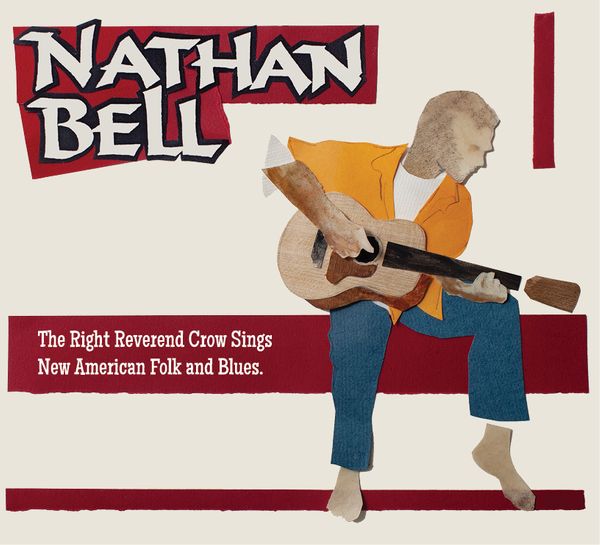 Taking some time out from his superlative run of Family Man themed albums which salute the American dream and excoriate the mess it’s become, Nathan Bell has taken a feather from Hank Williams’ cap for this eight-song disc. Williams adopted the pseudonym, Luke The Drifter, for a series of songs which were not his usual honky tonk jukebox fare. In a similar manner, Bell becomes The Right Reverend Crow as he indulges his love of country blues and folk.
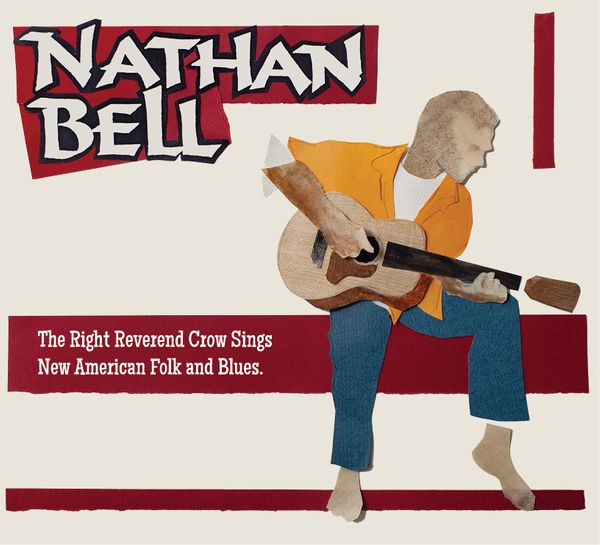 As an additional lure, Bell will have copies of a very limited edition 7” vinyl single for sale at the shows, along with a new eight track EP. The single, on yellow vinyl, is a tour exclusive and features two previously unrecorded Bell originals – ‘Heavy As A Talent (Billy Shakespeares’s Blues)’ and ‘To Each Of Us (A Shadow)’, recorded in Santa Cruz, California. The same studio sessions also spawned the EP, titled The Right Reverend Crow Sings New American Folk And Blues, which finds Bell inheriting the mantle of revered characters such as Woody Guthrie and Lightnin’ Hopkins (if you’ve seen Bell live you’ll know that he reveres old Lightnin’). Co-producer Brian Brinkerhoff says of the EP, “Rarely does an album title give you a perfect depiction of the music contained within. There’s a Blues side and a Folk side here – four songs that fit into each of those broad categories and yet hang together seamlessly.”
 The 12th Glasgow Americana Festival kicks off today as Bristol based
  In the year of Brexit and Trump, Chuck’s sheer love of rock’n’roll shone throughout this album. Coupled with seeing him play two blindingly great gigs this year the album’s been a regular on the stereo and in the car while Jesus Was A Social Drinker is my song of the year.
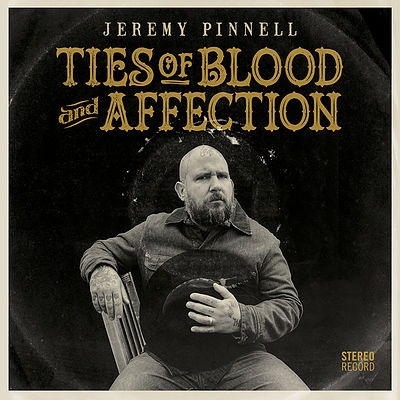 While Stapleton gets all the notice I think there are numerous others who are bringing out better albums and Jeremy’s second solo album is the best of the lot this year. I was privileged to host a house concert with Jeremy and Ags Connolly and it was a great occasion.
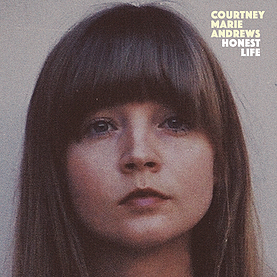 An album of glacial purity with glimpses of Joni Mitchell in its shadows.
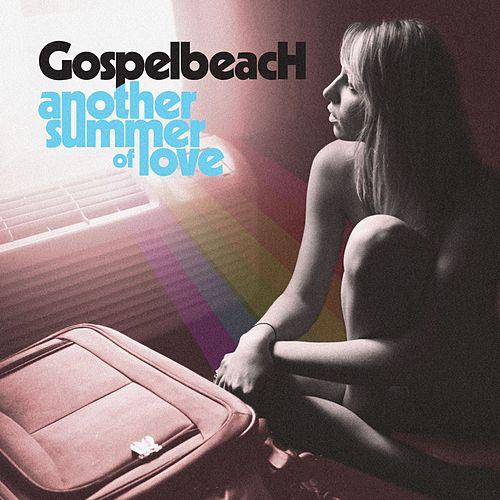 Jangled sunny California music which stretches from Petty to The Jam in its inspiration.
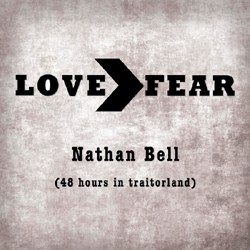 Old fashioned protest perhaps but Bell is a powerful writer and as good a champion of “blue collar” folk as Rod Picott. And, in concert, he’s funny with it (just like Rod Picott).
 Ross Wilson continues his journey into the hinterlands of folk and jazz. A wonderful and evocative album.
 It took 12 years for Ambel to come up with this one, a bunch of songs he imagined could have been on his pub’s jukebox. Guitar album of the year.
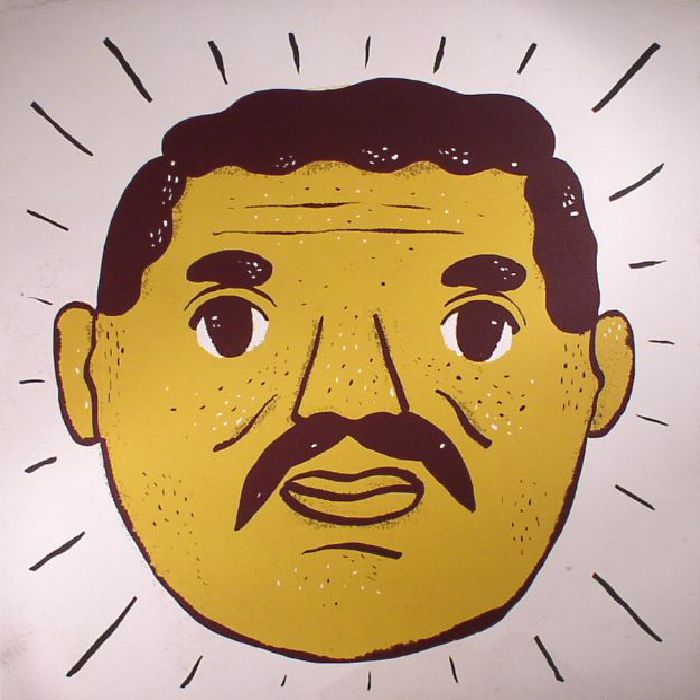 Aside from his band, Sacri Cuori, Antonio Gramantieri has worked with Howe Gelb, Dan Stewart and Alejandro Escovedo. This solo album is a magnificent retro stew of sixties soundtracks and Italian cool.
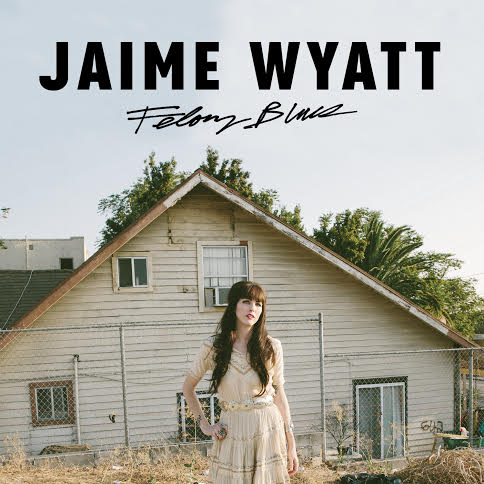 A true jailbird, Wyatt’s album is part outlaw country, part Laurel Canyon country rock. For me she just beats Margo Price
 Irishman Stevie Scullion conjures up a slight psychedelic trip with McCartney like melodies and Harrison’s Blue Jay Way vibes.
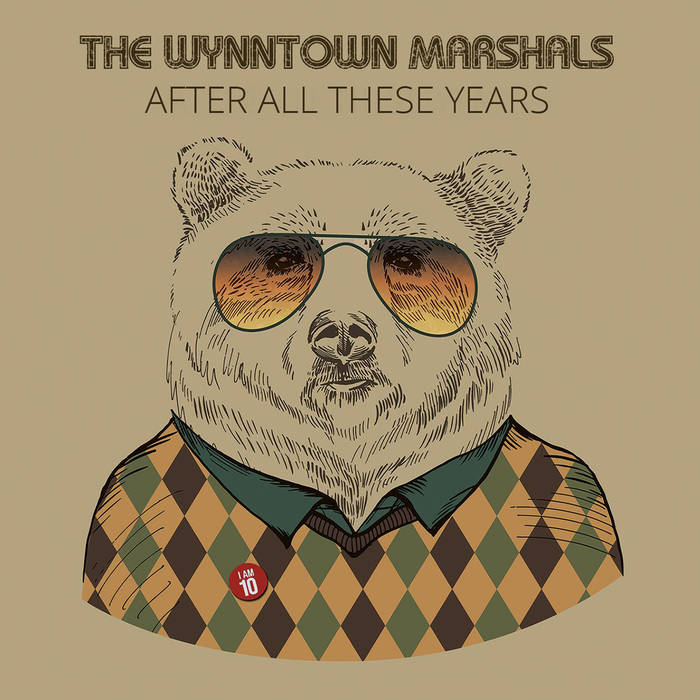 A perfect introduction to the band if you haven’t heard them before. A perfect keepsake for those who are in the know.