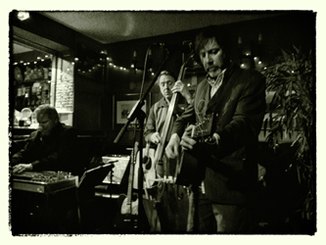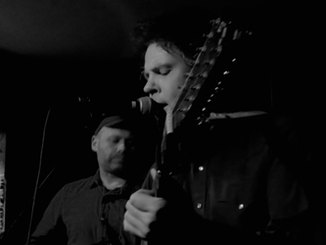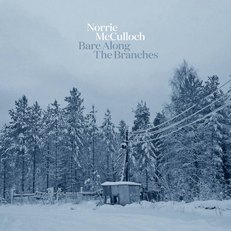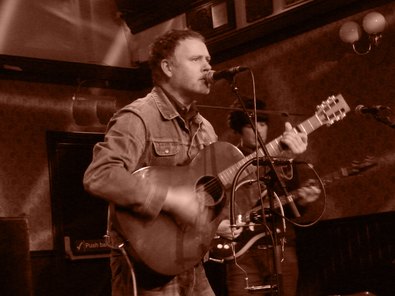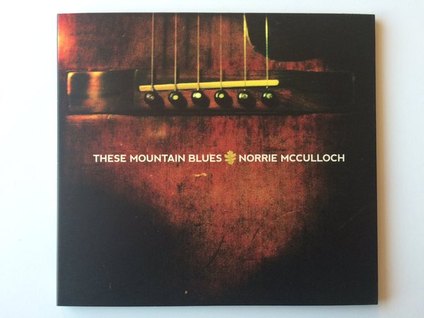
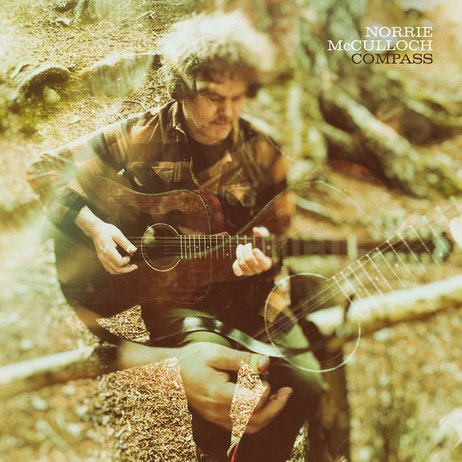
If you’re a regular reader of Blabber’n’Smoke then you probably know that we hold Norrie McCulloch in high esteem, his trio of albums, Old Lovers Junkyard, These Mountain Blues and Bare Along The Branches, all essential listening. They are proof that he is one of the best Scottish songwriters around these days, his voice rooted in the soil even as he writes with an eye on the likes of Townes Van Zandt’s melancholic poetry or Jay Farrar’s deadpan Americana. Musically he roots around in the fertile sounds of British folk rock and classic singer songwriters of the seventies along with nods to the insurgent alt country bands which spawned No Depression. Compass, released last week, finds McCulloch harvesting the results of his immersion in those ill-fated troubadours of the early sixties, Tim Buckley and Fred Neil, buccaneering romantic troubadours both.
Recorded in close collaboration with McCulloch’s long time foil, Dave McGowan, the album is more fleshed out than its predecessors with guitarist and mandolin player Iain Thomson contributing to the sound while Shane Connolly takes over percussion duties on several of the songs from McCulloch’s usual drummer Stuart Kidd. There are a couple of songs which would sit comfortably on any of the earlier albums. Janey (When We Were Young) is classic McCulloch showcasing his guitar, harmonica and voice on a solo tour de force as he sings this heart-tugging tale of youthful love. Drinking Money has a skip in its step as Thomson’s mandolin leads this little ditty which recalls Ronnie Lane or even John Martyn’s folkier efforts while Hollow Love finds McCulloch aching romantically, conjuring delicious images in his words, over a languid liquid guitar.
Elsewhere, McCulloch makes the most of his expanded sonic palette as Thomson comes across as the equivalent of Lee Underwood or Bruce Langhorne, guitarists who lit up so many essential sixties folk albums. Dear Lady Blue opens with a delicious melange of 12 string acoustic and electric guitar as McCulloch opens up his heart to his muse, the song kicking off with this arresting couplet, “A crow is picking at scraps by the side of the road I’m driving alone. Felling like that old lonesome crow with no place to go and nowhere to call my home.” The song limps along over a halting rhythm as McCulloch waxes more poetically until a wonderfully restrained electric guitar brings it to a halt. The following Road Sign is infused with the spirit of early seventies LA as McCulloch’s Scot’s voice is accompanied by harmonies reminiscent of CS&N as he delivers a Scottish version of a California freewheeling highway song. She’s So Good is a magnificent ensemble piece with McGowan’s supple double bass burbling under Thomson’s cascades of electric guitar while With You In My Life, the closing song, is another song reminiscent of bygone LA troubadours. In this case McCulloch carries off the unbelievable as the harmonies, jangled guitars and the song’s repeated mantra places it on a par with David Crosby’s legendary album, If Only I Could Remember My Name. A bold statement perhaps but we’ll stand by it. As good as this is, it’s eclipsed by the album’s title song. Compass encompasses the likes of Fairport Convention’s A Sailor’s Life, the jazzy folk rock of Pentangle and the dizzying heights of Tim Buckley’s 1968 Festival Hall live performance. It’s simply mesmerising and somewhat awesome.
As it stands, Compass is surely McCulloch’s crowning achievement so far. It sets him at the forefront of the song writing talent we have in the UK these days and deserves to be in any respectable record collection. And, speaking of that, the album is available on limited edition vinyl and we can testify to how great it sounds. Head here to buy it before the edition runs out.
 In the year of Brexit and Trump, Chuck’s sheer love of rock’n’roll shone throughout this album. Coupled with seeing him play two blindingly great gigs this year the album’s been a regular on the stereo and in the car while Jesus Was A Social Drinker is my song of the year.
 While Stapleton gets all the notice I think there are numerous others who are bringing out better albums and Jeremy’s second solo album is the best of the lot this year. I was privileged to host a house concert with Jeremy and Ags Connolly and it was a great occasion.
 An album of glacial purity with glimpses of Joni Mitchell in its shadows.
 Jangled sunny California music which stretches from Petty to The Jam in its inspiration.
 Old fashioned protest perhaps but Bell is a powerful writer and as good a champion of “blue collar” folk as Rod Picott. And, in concert, he’s funny with it (just like Rod Picott).
 Ross Wilson continues his journey into the hinterlands of folk and jazz. A wonderful and evocative album.
 It took 12 years for Ambel to come up with this one, a bunch of songs he imagined could have been on his pub’s jukebox. Guitar album of the year.
 Aside from his band, Sacri Cuori, Antonio Gramantieri has worked with Howe Gelb, Dan Stewart and Alejandro Escovedo. This solo album is a magnificent retro stew of sixties soundtracks and Italian cool.
 A true jailbird, Wyatt’s album is part outlaw country, part Laurel Canyon country rock. For me she just beats Margo Price
 Irishman Stevie Scullion conjures up a slight psychedelic trip with McCartney like melodies and Harrison’s Blue Jay Way vibes.
 A perfect introduction to the band if you haven’t heard them before. A perfect keepsake for those who are in the know.
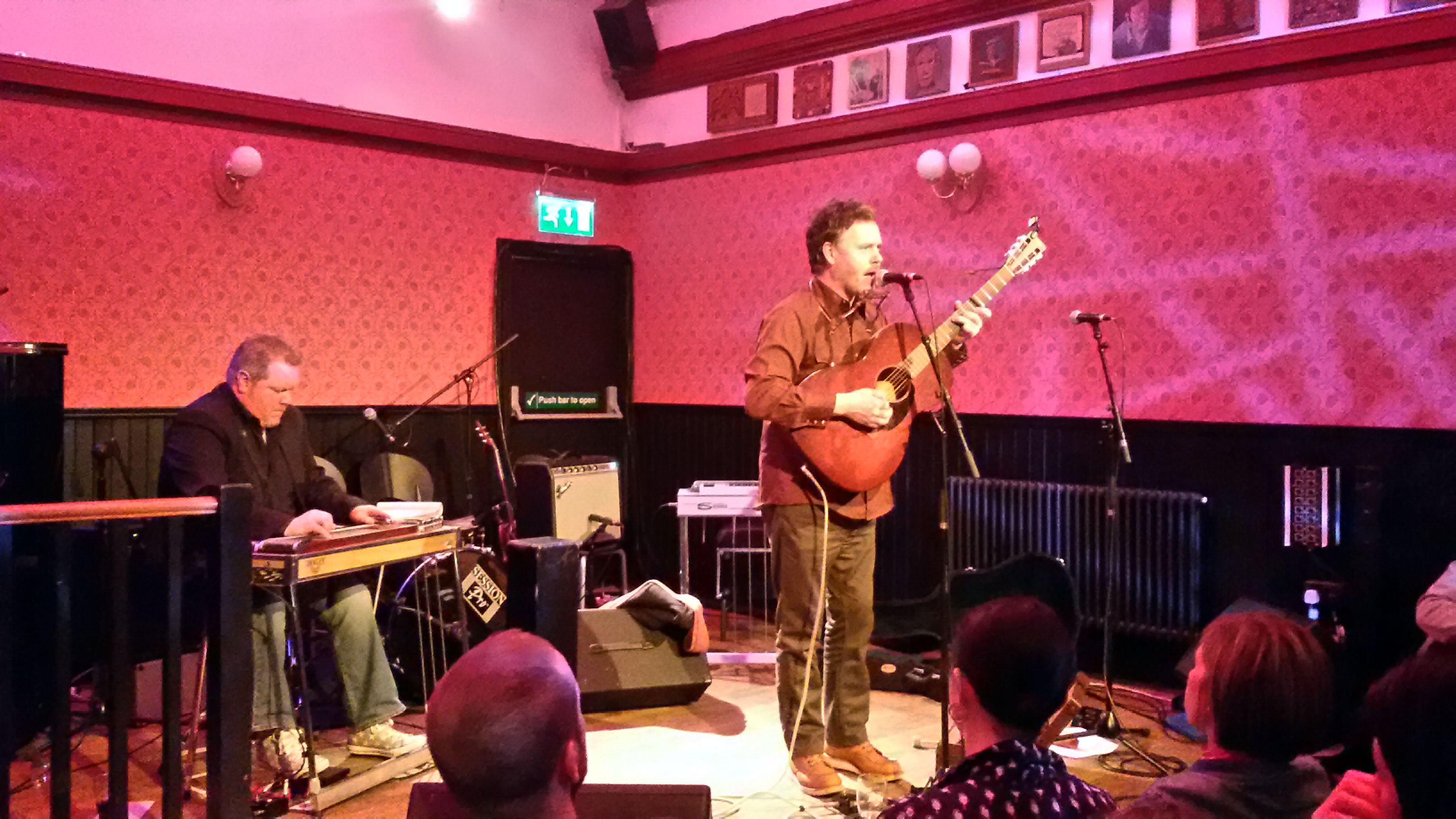
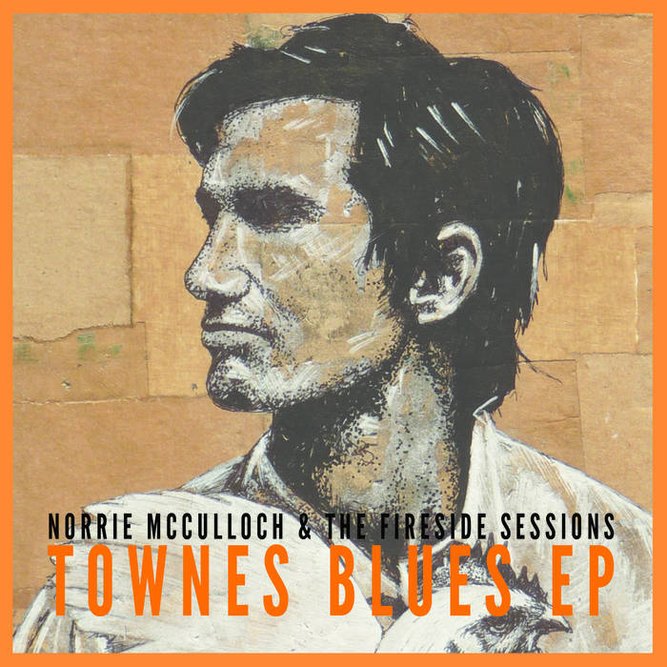 One of the highlights of the recent Glasgow Americana festival was a night celebrating the late, great Townes Van Zandt. A host of musicians queued up to pay tribute to the man who is surely the lodestone of Americana singers and songwriters, the queue including Norrie McCulloch who sang his own tribute, Mountain Blues, along with his versions of Townes’ songs.