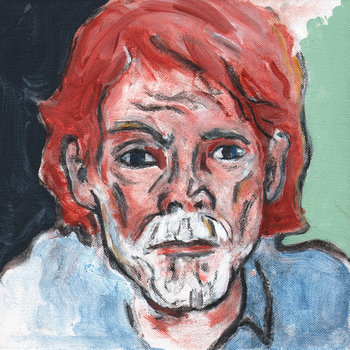
Ed Askew has been a secret for four decades. A New York artist and teacher who released one album on the ill fated ESP Disc label (home to The Fugs, Holy Modal Rounders, The Godz and Albert Ayler) back in 1968 he then all but disappeared from view. But these days popular music likes to regurgitate its past and just like Vashti Bunyan, Rodriguez and most recently Shelagh McDonald Askew has climbed back into the limelight, rubbing his eyes and, tentatively at first, looking around him. His revival started with the release in 2007 of his second album (which he recorded in 1970!) followed by two new albums Rainy Day Song in 2008 and Imperfiction in 2011. All were solo efforts with Askew playing an instrument called a Tiple (somewhat like a ukulele only with ten strings) on his first album then adding keyboards to the latter ones. For The World is his first collaboration with other musicians including Marc Ribot, Jay Pluck, members of The Black Swans and Sharon Van Etten.
Now in his early seventies Askew’s voice remains somewhat unique. He’s acquired a slight patina with age but remains a trembling tenor sounding as if he’s carrying the weight of the world on his shoulders. There’s a slight similarity to Will Oldham in his idiosyncratic delivery while John Cale also comes to mind (without the Welsh lilt). The songs for the most part are sepia toned meditations and fables which betray his sixties origins while the music is dominated by an old fashioned piano sound like your aunt playing in the parlour. Delicate stringed instruments including harp wander in and out of the simple melodies while a lonesome country harmonica adds an almost Neil Young ditch feel to some of the pieces.
The album opens with the rolling piano and plaintive harmonica of Rodeo Rose. Askew sounds world wearied as the piano repeats itself with only some crepuscular guitar from Ribot to break the circle. It’s almost as if the itinerant vagrant who mumbled the words to Gavin Bryars’ Jesus’ Blood Never Failed Me Yet had found a voice and penned some lyrics. Mesmerising. Blue Eyed Baby is another circular song with Askew agog at the wonders of nature and he sings it with a sense of wide eyed wonder. Gertrude Stein is a simple homily to the poet and her poem Sacred Emily as Askew recalls his past and simply wishes these days to be able to sit and forego these memories and think of nothing at all. It’s a brief song and reminds one of Tom Rapp, another artist who recorded for ESP Disc back in the sixties.
Rapp’s band, Pearls before Swine, comes to mind again on So, a halting and mysterious song which is almost like a series of Haikus linked together on a necklace of haunting piano. Moon In The Wind brings back the lonesome harmonica while the piano plinks on while Drum recalls the likes of Weimar artist Joachim Ringelnatz’s poetry and declamation. Baby Come Home is the most sprightly song on the album with Askew hitting an early Dylan vibe while the closing title song is a rickety fable about the joy of singing and at the end of the day it’s a joy to hear Askew singing again.
Ed Askew might be an acquired taste (he’s in regular rotation on Stuart Maconie’s Freak Zone) but this album should be lapped up by anyone interested in the wider shores of folk and outsider music.
Buy it here
