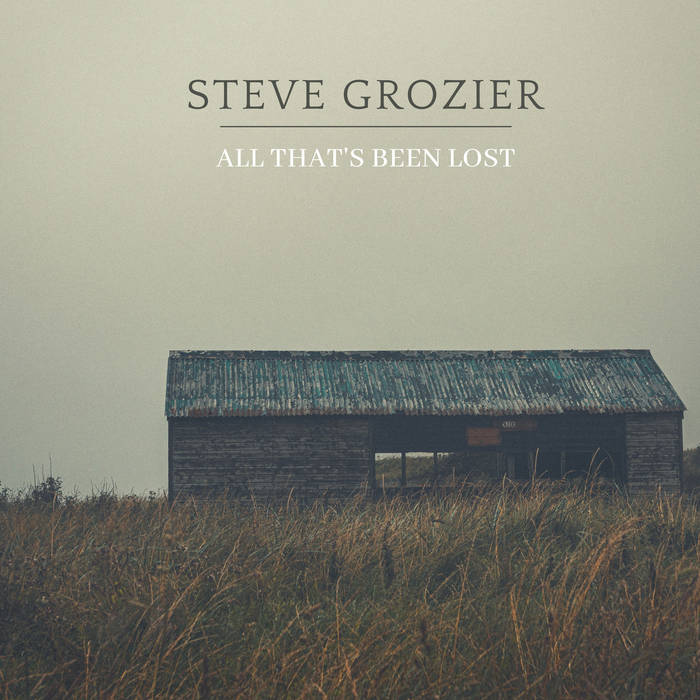
It’s been a long time coming, but Steve Grozier’s debut album has been well worth the wait. Blabber’n’Smoke first encountered Glaswegian Grozier way back in 2016 when he released his first EP, Take My Leave. Another EP and a double A-side single followed but, like many other things, the album was delayed by the pandemic.
Grozier has always been low key (in the best way). His songs and vocals are understated. Melodies are there but are pared to the bone at times, somewhat in the manner of the likes of Townes Van Zandt. A fine example is heard on Memories which features an acoustic guitar strum and plaintive vocals along with some very tasty Dobro and acoustic slide guitar curlicues. Simple and quite wonderful. In an interview with Blabber’n’Smoke, Grozier said that he’d “always been drawn to songwriters that have something interesting to say about heartbreak and the darker aspects of life and death” and when Take My Leave was released, comparisons to Townes and also to Jason Isbell were uttered in reviews. While comparisons are often useful, Grozier doesn’t of course sound like either of them, but just to muddy the waters, we’d like to add another songwriter to the mix as there are moments here which bring to mind Neil Young wallowing in his ditch, while several others are quite mired in an early seventies LA canyon smog.
The album opens with a gentle country rock number which could well have nestled within the grooves of Young’s Comes A Time. Twenty-Third Street is awash in sweet pedal steel with slight organ swells and tasty Telecaster curls as Grozier strolls along, his voice slightly hushed. Blue And Gold is one of the more polished songs on the album with Gozier’s voice slightly echoed over a glistening backdrop. Organ and piano add a stately air to this dense tale which, truth be told, is hard to make out lyrically but which has a slow burning beauty to it. There’s more multilayered grooves on the billowing folk rock of Power In The Lights which opens with a simple guitar melody and Grozier’s lonesome voice before gathering power with waves of wailing guitar, culminating in a glorious crescendo of noise. Meanwhile, Sam, I Know You Tried comes across as a folk song given a psychedelic edge to it, the apocalyptic fuzzy guitar and gloomy organ reminding one of Crosby, Stills & Nash’s rendition of Wooden Ships. Charlie’s Old Mustang/Graveyard is a sweet return to the country rock of the opening number although here Grozier’s touchpoint is more that of the alt-country movement, there’s some Jayhawks, some Whiskytown in the mix here. The song is a wonderful hardscrabble tale and the band here are quite magnificent, playing with a great deal of empathy. As mentioned above, Memories is quite astounding, and Grozier revisits its spare sound on When The Darkness Comes which benefits from Tim Davidson’s lonesome pedal steel along with some mournful harmonica from Anton O’Donnell.
A few years back, Grozier paid tribute to the late Jason Molina on his song, Jason Molina Blues. He concludes his album with another valedictory tribute, this time dedicated to Neal Casal. I Miss My Friend is another restrained country number with lap steel, slowly picked guitar and mandolin. It’s an incredibly moving tribute, beautifully performed and, all in all, something of a balm for the soul as Grozier acknowledges the darkness which drove Casal to his sad end on a wonderfully written song.
We would be remiss not to acknowledge the album’s producer, Roscoe Wilson, one of Glasgow’s most talented musicians who, along with producing, contributes guitars, bass guitar, lap steel, mandolin, keys/organ and drum programming and co wrote much of the music with Mr. Grozier. The pandemic meant that much of the album was recorded in Wilson’s home studio with the musicians unable to record together. Together, the pair have triumphed over such adversity and the album stands tall as a singular and most arresting listen. If there’s such a thing as “Glasgow Americana,” here’s the motherlode.
The album is available here as a download while there will also be a very limited vinyl edition which you can pre-order.
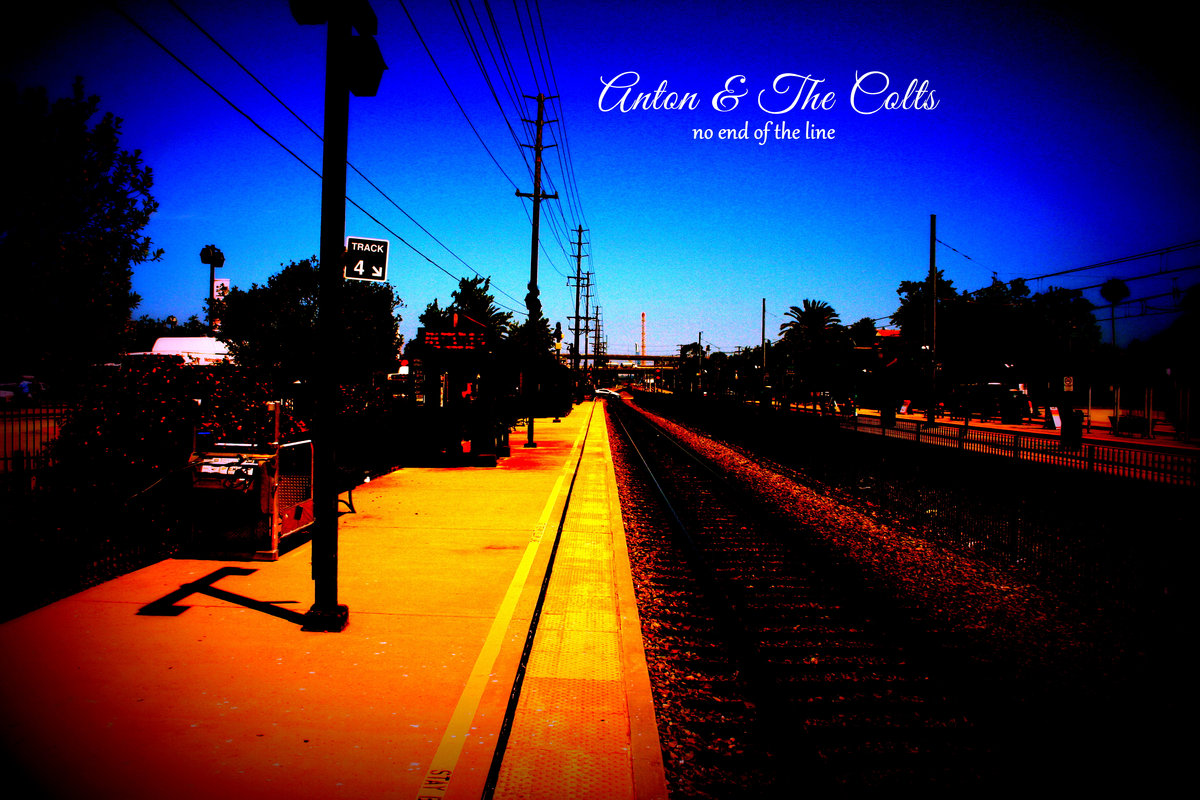 After about four years of relentless gigging the length and breadth of Scotland, Anton & The Colts finally unleash their debut album and a fine beast it turns out to be. The band, based around front man and chief writer Anton O’Donnell and the mercurial would be glimmer twin, Roscoe Wilson (with a fine rhythm section in John Dunlop on bass and Dillon Haldane, drums), are one of those who sound more American than many American bands do. However there’s a boastful swagger to their gait which owes more than a little to the raunch of the Stones and the jollity of The Faces, in particular, Ronnie Lane’s contributions to the band such as on Ooh La La.