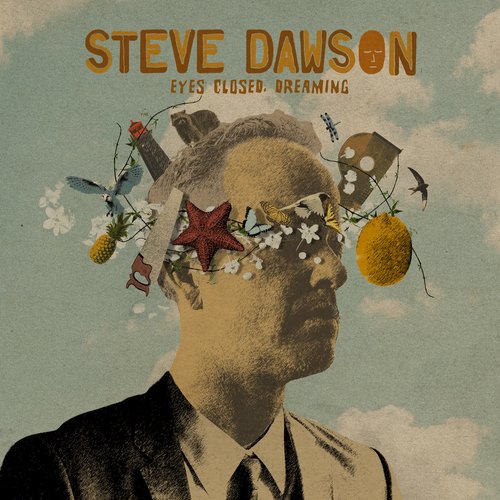
Steve Dawson. Eyes Closed, Dreaming. Black Hen Music

And so, the third of Steve Dawson’s “pandemic” trilogy hits the shelves, drawing to a close his year long release strategy on a very triumphant note. As with its predecessors, Eyes Closed, Dreaming was recorded remotely with musicians joining in from Nashville, Los Angeles, Toronto and Vancouver with never a join to be heard, the whole skilfully woven together by Dawson in the producer’s chair. In terms of the trilogy, Eyes Closed, Dreaming is a close cousin of the first release, Gone, Long Gong, both being a collection of songs excellently played and using both his fellow players and his undoubted guitars skills quite perfectly. And while Phantom Threshold, the middle release of the trilogy was an intriguing collection of instrumental music, it’s great to hear Dawson back on his rootsy song saddle.

More top heavy on covers than Gone, Long Gone, Eyes Closed, Dreaming nevertheless features four excellent songs written by Dawson and Matt Patershuck which easily equal those on the earlier album. Two of these find the writers delving into the area of Child ballads. A Gift is a beautiful song, tinged with a hint of danger and played with a tender sense of purity, the highlight being Dawson’s pedal steel playing. The Owl is not dissimilar although it harks more to the ensemble playing of the Pentangle in their heyday. Meanwhile Hemingway is an intimate reflection on the author with Dawson’s acoustic guitar opening recalling Bert Jansch before a string section billows in giving the song a very nice yet restrained sense of majesty. The best however is the gentle meditation on the nostalgia and affection contained within a simple Polaroid snapshot on the song titled Polaroid. The lyrics bring to life the experience of taking such a snap as Dawson sings of the picture “slowly fading into view” and the way that “light was reflected from your face and onto this very page.”

Elsewhere Dawson rewards those who love his gutbucket R’n’B with the opening song, Ian Tyson’s Long Time To Get Old which is suffused with his slide guitar licks while Allison Russell sings gustily along with him. There’s more of this Ry Cooder like humbucking on a grand cover of Jack Clement’s Guess Things Happen That Way while Cooder comes to mind again on the Hawaiian styled Waikiki Stonewall Rag and on the lazy swingtime of Singin’ The Blues, both allowing Dawson plenty of space to impress on Weissenborn, National guitar and ukulele.

Rounding up the covers, Dawson breathes new life into that old folk chestnut, House Carpenter. With Tim O’Brien on mandolin, Dawson performs it in a modern bluegrass fashion giving Billy Strings a run for his money. He closes the album with a solo performance of John Hartford’s Let Him Go On Mama which is perky and affectionate and, it goes without saying, perfectly performed.

Aside from a cover of Bobby Charles’ Small Town Talk which, for this reviewer, didn’t really take off, with Dawson straining to get the right vocal vibe, Eyes Closed, Dreaming is a further reminder that Dawson really deserves to be as well known for his solo endeavours as for his multitude of studio sessions and production work.
Website

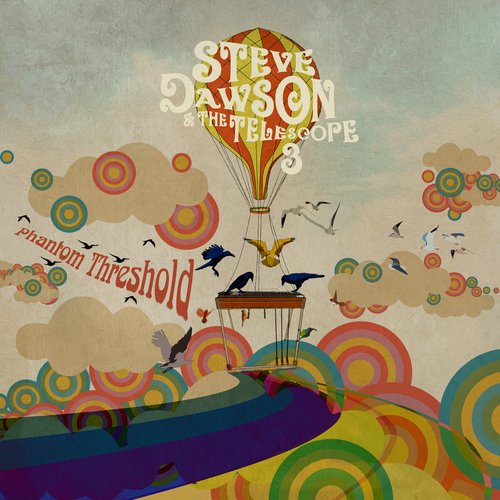
Steve Dawson & The Telescope 3. Phantom Threshold. Black Hen Music

Number two in a planned three album series for release this year, Steve Dawson’s second instalment finds him moving on from the rootsy guitar based songs on Gone, Long Gone to investigate the sonic possibilities of an instrumental album utilising, as usual, his armoury of all things stringed – acoustic and electric guitars, mandotar, national steel guitar, ukulele and, especially, pedal steel guitar. It’s quite a jump from the fatback tones of Gone, Long Gone to the ambient Americana contained here but with a little perseverance it’s well worth the leap.

Dawson has previously released several instrumental albums and the title of his backing band here (Jeremy Holmes -bass, Chris Gestrin – all manner of keyboards and Jay Bellerose – drums/percussion), alludes to his pedal steel based album Telescope which came out in 2008. Pedal steel is omnipresent in these tunes but it’s just one of the many sounds vying for attention as the quartet guilelessly wander through almost 50 minutes of music which is supremely contemplative.

A thread of pastoral, bucolic calm, runs through the first three numbers, reminiscent of Pink Floyd’s early, calmer days, and then a funky clavinet gives Ol’ Brushy a hint of southern sweat, not too far removed from The Meters’ early instrumental sides. The title tune has slight, oh so slight, washes of surf music in its veins and is followed by the most stripped back number so far, the basic pedal steel and accordion yearn which gives The Waters Rise an almost narcotic sea shanty lilt to it. That it’s then followed by the one cover version here, Brian Wilson’s You Still Believe In Me, begs one to look into how Dawson has put this album together and whether there’s more to it than meets the eye (or ear) but the familiarity of the tune is sufficient for a fine wallow in its sheer sumptuousness.

The temptation to allocate a sense of place or of some intent is difficult to resist when it comes to instrumentals so let us just say that there is a (very) slight touch of Hawaii in the first half of Tripledream – not too far removed from the exotica of Martin Denny – which is then punctured when the band are joined on cornet (by Daniel Lapp) giving the close of the tune a tipsy jaunt. Lily’s Resistor has 60’s spy movie guitar echoes and That’s How It Goes In The Relax Lounge is tantalisingly close to elevator music although, as with all of the tunes here, it’s much more textured and entertaining than the muzak it seems to emulate, especially when Lawson throws in an excellent electric guitar solo. Ending with a solo performance on a prepared Weissenborn guitar on Whirlwind, Dawson grounds the album somewhat, reminding one that he is au fait with the likes of John Fahey.

Instrumental albums (unless they’re by a universally accepted instrumental genius) are usually a tough sell and Phantom Threshold won’t appeal to all those who loved Gone, Long Gone. However, Dawson and The Telescope 3 have concocted quite a beguiling broth here and it will reward those who choose to partake of it.

Website

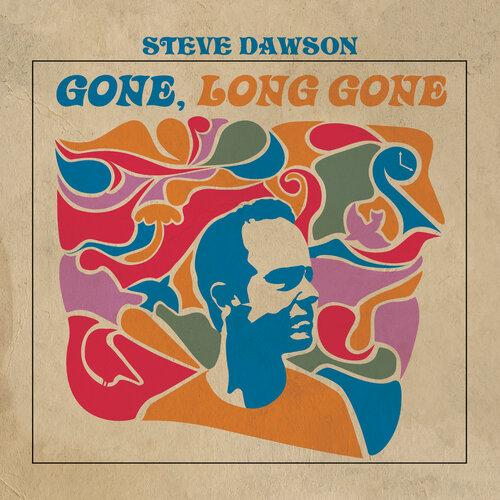
Steve Dawson. Gone, Long Gone. Black Hen Music

A Canadian, now based in Nashville where he has his own Henhouse Studios and record label Black Hen Music, Steve Dawson has produced and played on umpteen roots album over the past ten years along with several well-regarded solo albums. Live, his most recent notable stint was as the third leg in Birds Of Chicago, playing well over 200 shows with them before live music was stopped in its tracks. Reactions to this clampdown varied but, like some of his peers, Dawson doubled down in his studio work to the extent that he now has three albums worth of music set to be unleashed this year, Gone, Long Gone the first of the three to be released.

Dawson’s 2016 album, Solid States And Loose Ends, drew comparisons with Ry Cooder and it’s true that Dawson shares similarities with Cooder in that he’s an expert in all manners of slide and roots guitar. Solid States And Loose Ends was in the same territory as Cooder albums such as Get Rythym and Bop Till You Drop but Gone, Long Gone, while still containing bluesy wallows -gutbucket and swampy at times – also has a brace of numbers which are more constrained while retaining Dawson’s affection for roots music. Perhaps the most obvious example is on the instrumental, Kalaniapa Waltz. Here Dawson plays electric and National guitar, a Weissenborn and ukulele on a number which has a Hawaiian influence in its stately and intricate tapestry of strings and things while Chris Gestin’s pump organ adds to its quiet majesty. The title song is another departure as Dawson turns in a song which is light and airy, his nimble picking and sweet pedal steel playing backed by a small string section with the song coming across as if Pentangle were playing a Jimmy Webb number. The lyrics do have that Webb like prairie lonesomeness to them and it’s pertinent here to note that most of the songs on the album are co-written with Matt Patershuk, a great songwriter whose albums Dawson has produced.

The album opens with a firm declaration of intent on Dimes with slide guitar sputtering into action before a horn section weighs in and Dawson, accompanied by Allison Russell on vocals, delivers an excellent Little Feat like slice of rock’n’roll gumbo. Russell (of Birds Of Chicago) sings on several of the songs on show here, adding a great soulful vibe to Dawson’s voice. There’s the tub thumping gyrations of I Just Get Lost, a song which twists and turns quite wonderfully recalling any number of late 60s combos who tried to combine blues, psychedelia and gospel into one big happy hippy tent. Six Skeletons In A Car vamps along with Dawson’s guitars in particularly wicked mood, twisting and snaking throughout and Bad Omen is a startling and snarling acoustic guitar blues number, full of  menace and voodoo vibes as the band inhabit a loose limbed New Orleans backdrop with groovy organ and skeletal drums. And, going back to that Cooder vibe, how can one resist a song dedicated to King Bennie Nawahi, a Hawaiian street performer, which is called King Bennie Had His Shit Together. Fats Kaplin’s fiddle and Kevin McKendree’s piano roll all over this loose-limbed frolic while Dawson’s slide playing snakes throughout.

There’s one cover song on the album. Ronnie Lane’s revered Ooh La La is given a reverential and somewhat restrained reading, which, for those familiar to the song, might take some getting used to. Ultimately however it does sink in, especially on the chorus (and you will have to join in) and Dawson’s guitars, Russell’s brilliant vocal accompaniment and the band’s skilful shuffle will eventually win you over. And, persevere to the closing number, Time Has Made A Fool Out Of Me, to see if those comparisons to Ry Cooder are ill judged. Dawson’s slide guitar here is quite sublime as he makes it throb and quiver with echoes of Pop Staples on a song which, surely, The Staple Singers would have taken on board.

Gone, Long  Gone is an excellent album and highly recommended. As we said above, it’s the first of three Steve Dawson albums due for release in the forthcoming months and, if they are anything like this, then we are in for a treat.

Website

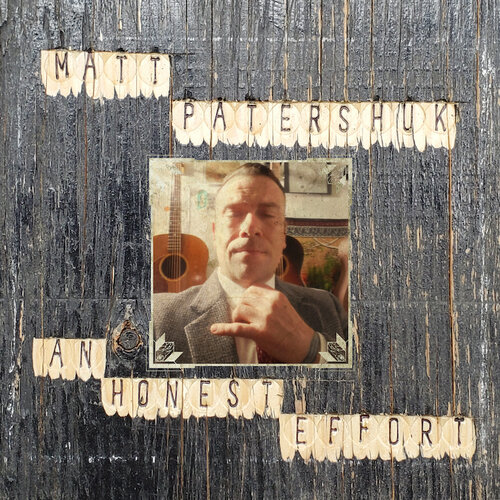
Matt Patershuk. An Honest Effort. Black Hen Music

If you’re looking for someone to write you a fantastic song about a horse, then look to Matt Patershuk. The Canadian singer/songwriter seems to have a weird predilection for songs about our equine buddies as witnessed on past albums and An Honest Effort adds another two to the list. Horses however are but one element in his bag as this album allows him to deliver a fantastic set of wonderfully warm and laid back songs which range in subject from downtrodden women, the aimless flight of a bullet, Shane McGowan’s dentures and the laws of thermodynamics.

As on its predecessor, If Wishes Were Horses (see, we told you so), Patershuk’s songs here are ably recorded by Steve Dawson who produces and plays guitar and pedal steel while Fats Kaplin offers sublime banjo, fiddle, ukulele and harmonica. Gary Craig and Jeremy Holmes are the subtlest of rhythm sections and Keri Latimer adds harmonies to Patershuk’s handsome voice on several selections. The overall feel of the album is somewhat restrained, the songs allowed to find their own level which, in the main, is immensely relaxed, an album to be savoured late at night, an unwinding of sorts as Patershuk beguiles you with his (sometimes tall) tales.

We’ll kick off with those horsey songs. Jupiter The Flying Horse is a Jerry Jeff Walker like number which incorporates the whimsical style of The Handsome Family. It’s a grand song but it’s beaten to the post by the extraordinary tale of Clever Hans, a true story about an early 20th Century attraction, a horse who could calculate, add and subtract and whatnot. It was, of course, a con, but Patershuk allows the colt some dignity as he tells the tale with Dawson adding sly guitar much in the manner of Ry Cooder on an early Randy Newman song. Staying within a realm of weird humour, Patershuk postulates that Shane MacGowan’s new dentures can pick up radio signals and, in a fine front porch manner, kind of like Steven Hawking hawking tobacco and playing banjo as he lectures to a bunch of locals, on The 2nd Law Of Thermodynamics, Patershuk explains that the universe tends to disorder.

Aside from the whimsy, a brace of songs are more down to earth and occasionally quite dark. The opening track, Johanna, a song dipped in molasses, has the heroine casting off her shackles to embrace a new life. Trepidatious to be sure but full of hope. Sunny, another song about a woman trapped, is more vague. She’s one of those abused women, the sort who feature in Willy Vlautin’s song stories, and Patershuck brings her to life with brushstrokes as evocative as those employed by The Delines. On the other side of the coin, Afraid To Speak Her Name is a shimmering joy with Dawson excelling on guitar and Weissenborn guitar as Patershuk paints a picture of an almost unattainable romantic memory.

Rounding out the album, Turn The Radio Up has a Tupelo Honey Van Morrison like lilt to it while 1.3 Miles is a return to front porch picking as Patershuk takes the listener on a bullet’s trajectory. An odd subject to be sure but, like Alice’s rabbit hole, a doorway into a wonderful series of vignettes. Stay With Me is a juicy slice of laid back country rock with rippling mandolin, fatback guitar and Kaplin’s harmonica surrounding Patershuk’s tender and nostalgic reverie with Latimer’s harmonies quite glorious. Finally, Patershuk pays tribute to his grandmother, a Liverpudlian activist, on the spare, banjo speckled Upright. Arrested aged 73 campaigning against the bomb and a fan of Fats Waller, she lives again on this affectionate song. It’s a magnificent end to what is a magnificent album.

Website

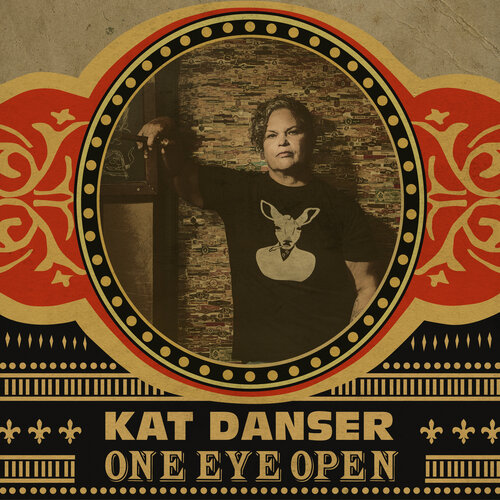
Kat Danser. One Eye Open. Black Hen Music

Normally a “blues” album wouldn’t be at the front of the queue for a review on Blabber’n’Smoke. Sure enough, we do love some down and dirty slide guitar and where would we be today with the likes of The Wolf, Muddy Waters and their likes who amped up one of the main strains of American roots music? Anyhow, Kat Danser demanded our attention for two reasons. Firstly, she’s a she and it’s been a long time since we heard anything bluesy which wasn’t loaded with testosterone and in addition, she has a Ph.D. in Ethnomusicology so we reckon she knows her stuff. Secondly, the album is released by Black Hen Music, a badge mark of quality these days, and sure enough, Black Hen lynchpin, producer and guitarist Steve Dawson, is involved.

Danser has one of those “take no prisoners” voices, earthy, sassy and proud. In addition, she swings, and the album swings with her. This is no twelve bar blues workout. Rather, Danser roams around blues, gospel and soul while adding some fine seasoning derived from New Orleans and Cuba. Two saxes and a trumpet power through many of the songs while Dawson excels on guitar.

The album kicks off with the steady rolling strut of Way I Like It Done. The horns and delightful barrelhouse piano drive the song as Danser sets her stall out with some humour. Lonely & The Dragon next prowls into view, a crawling king snake of a song with opium undertones, it allows Danser to intoxicate the listener amidst some very cool organ riffs. Had she followed up with more songs in a similar idiom then we would have been quite satisfied but instead Danser diversifies. Bring It With You When You Come is a cover of a Gus Cannon song given a Jelly Roll Morton like delivery and New Orleans looms large in the swaying syncopation of Frenchman Street Shake with Dawson’s slide guitar recalling Ry Cooder. Jesse Mae Hemphill’s Get Right Church meanwhile sees Danser heading into a Mavis Staples’ direction and here, we really have to say that the arrangement, the guitar and parping horns, are quite magnificent. Also recalling the Staples, and in particular, Pops’ last album, End Of Days is another soulful slice of brilliance with a perfectly judged and excellently played arrangement.

Please Don’t Cry harks back to early sixties romance with the band playing in a manner which is reminiscent of those Louisiana pop records compiled by Charlie Gillett on Another Saturday Night while the closing Mi Corazon heads further south  with its Cuban inspired rythym. Altogether, this is quite excellent although there is one song on the album which, to our mind, is somewhat out of joint. One Eye Closed finds Danser diving into a 1976 punk inspired rant with the band following suit sounding for all the world like a second division punk band. Sorry to say but had this been tucked in at the end as a “hidden” track, then it wouldn’t have been as obtrusive.

Website

Matt Patershuk. I Was So Fond of You. Black Hen Records

395678

We’ve written about several acts who might be considered a new wave of young country bucks (Sturgill Simpson, Cale Tyson, Daniel Romano, Barna Howard etc.). They sidestep the current Nashville trends such as Bro’ Country and EDM and instead look back to classic country music, not the hillbilly type but the golden years of the fifties and sixties, their heroes George Jones,  Waylon Jennings, Kris Kristofferson, Glen Campbell and John Hartford, artists who were mavericks but still able to turn in a hit song.

Well it’s time to add Canadian Matt Patershuk to this list. I Was So Fond Of You, his second album, is a breath of fresh air, an inhalation of healthy banjo, fiddle, pedal steel and guitars, all set to a fine shuffle from the excellent rhythm section and topped with his  sometimes honeyed, sometimes gravelly  vocals.  Recorded at producer Steve Dawson’s Nashville studio, the band, Mike Bub, bass, Gary Craig, drums, Fats Kaplin, fiddle, banjo, accordion and guitar along with Dawson on guitar and pedal steel, sat down together and played live with no overdubs. The cherry on the cake here is the addition of Ana Egge on harmony vocals, added later but knitted right into the songs.

The opening song, Back Against The Wall is a gritty slice of Southern slither with mean slide guitar and rasping fiddle. It’s a great opener but hardly indicative of what is to follow. Prettiest Ones introduces Egge’s voice, a perfect foil for Patershuk’s wearied tones on a gentle song that tiptoes along sprinkled with mandolin and sweet pedal steel. She remains on board for the mild Western swing of Smoke A Little Cigarette, Kaplin here superb on fiddle and Patershuk capturing the laconic songspeak of Bob Wills perfectly, a trick he repeats on the upbeat Burnin’ The Candles At Both Ends. Pepe The Cat Murdering Dog, an absurdist tale of sorts finds the band all jaunty and hitting a bluegrass stride while Mean Coyotes heads into Tex-Mex country on a Willie Nelson like ticket. Here Patershuk just hits all the right buttons, the harmonies with Egge beautiful, the band just on the right side of closing time at a cantina, reedy accordion setting the scene  on a mournful song that paints a rancher burying a pony, a victim of those coyotes, as he relates this to his own life.

There’s more equine content on Tennessee Walker, an epitaph to a beloved steed that recalls Doc Watson as imagined by Steve Earle and Earle comes to mind again on the revenge ballad of Harviestown. Here a “yellow bellied drunk man killed my darling girl” and the singer vows to go down to Harviestown where “I’ll use my two bare hands, I won’t need a gun.” It’s a great song, a fine addition to the old murder ballad tradition but it gains some extra weight when one realises that Patershuk is here dissembling a tragic moment of his own. His sister, Clare, was killed by a drunk driver in 2013 and he dedicates the album to her memory and in particular he describes his memory of this on the title song, a truly affecting piece which is given a respectful reading from the band, a slow waltz with Egge echoing his plaintive vocals. It’s tearstained indeed and sad to think that the song grew from a tragedy but ultimately (and here one does feel somewhat helpless, like a mourner not knowing what to say at a funeral) it’s a beautiful song and hopefully gives some comfort for those who knew her. Patershuk can certainly wring the emotions and he does so expertly on Little Guitar, a song that stands tall in the grand tradition of the likes of Kris Kristofferson and Jon Prine. Here he inhabits a veteran of world war II, bruised and battered, his brother killed in the war, blood flowing through his flaxen hair. He finds solace in his second hand guitar singing, “you can’t make a fist when you’re playing guitar.” It’s a monumental song delivered with grace by the players and well worth the price of admission on its own. A wonderful album.

website