 Lest we forget, it was Willie Nelson’s album of standards, Stardust, released back in 1978, which saw him becoming a household name. Of course by then he had a chequered career, writing huge country hits for Ray Price and Patsy Cline (with what is perhaps his most famous song, Crazy) in the early sixties before becoming a country star himself and then fading out somewhat towards the end of the decade. He reinvented himself in the seventies, abandoning Nashville for Austin, Texas, releasing albums which eschewed the Nashville sound and signing up to the Outlaw Country movement with buddies Waylon Jennings, Tompall Glaser and Jessi Coulter. 1975’s Red Headed Stranger was the pinnacle of his wayward battle with Nashville but it was the following year’s Stardust, a 10 song collection of standards, which saw him burst into the pop charts.
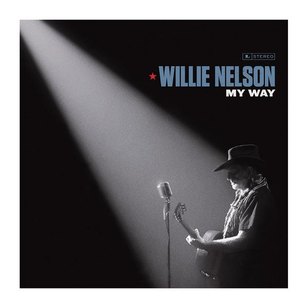
Since then Nelson has achieved iconic status while remaining, for the most part, true to his country roots and is still releasing albums at the age of 85. Last Man Standing, released only a few months ago, proved that he remains a vital force in country music while his immediately recognisable voice, rich and supple, remains in fine fettle. The latter is especially noticeable on this album which is Nelson’s tribute of sorts to another golden voiced singer, Frank Sinatra. As on Stardust Nelson takes familiar songs and transforms them with his voice, coaxing and teasing out all the subtleties inherent in what has come to be known as the great American songbook. Nelson and Sinatra apparently were friends and Nelson says that, “I learned a lot about phrasing listening to Frank,” and that is apparent here. His laconic vocals on the energetic opener Fly me to the Moon never show any sense of urgency or trying to match the jump rhythm the band strike up.
There are some lavish string and horn arrangements on the up tempo numbers with A Foggy Day really swinging while Blue Moon has a hip nightclub jazz cool vibe to it and Night and Day is given a slight bossa nova feel. Norah Jones turns up to swap vocals on What is this thing called Love, another swinging number, but it’s on the ballads where Nelson really hits the spot. Summer Wind has the band evoking the birth of the cool while a guitar solo (presumably Nelson playing his guitar Trigger) is just excellent. One for my Baby and One for the Road continues to nestle in its late night bar room wallowing and Young at Heart has what may be Nelson’s best vocal on the album as harp player Mickey Raphael echoes his voice. This reviewer’s favourite moment however is Nelson’s reading of It was a very good Year, perhaps because it’s our favourite Sinatra song but Nelson sings it so well while the arrangement is more supple than on Sinatra’s original. The album closes with a very dignified version of My Way with none of the bombast with which the song has been unfairly burdened with over the years.
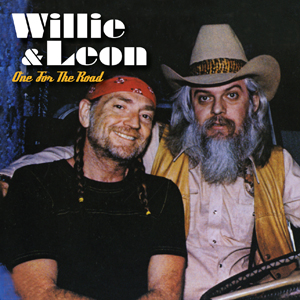 We’ve had an interesting batch of reissued albums sent in recently so over the next few weeks we’ll be indulging in a little bit of nostalgia. First up is this 1979 collaboration between Willie Nelson and Leon Russell recorded after the pair toured together. Russell, who died in 2016, was riding the coat tails of his fame by then while Nelson was gearing up his “outlaw country” persona breaking out of his Nashville straitjacket but the pair were even then old troupers and this album, originally a double vinyl release, finds them delving into country and tin pan alley standards. As such it’s not what you might call an “essential” part of either man’s catalogue but it’s a rollicking good listen with Russell and Nelson trading vocals, their voices quite complementary while there’s plenty of Russell’s piano work while Nelson throws in some fine guitar parts.