On her excellent third album, Danni Nicholls offers evidence that she continues to grow as an artist while she has also taken the step of recording the album with a selection of female musicians and studio technician under the aegis of producer Jordan Brooke Hamlin. Hamlin built her own studio in Nashville to suit female artists and she has previously recorded The Indigo Girls and Lucy Wainwright-Roche there. The Melted Morning is a major achievement with Nicholls singing a number of glorious careworn ballads, all given lift with excellent arrangements ranging from southern soul touches to shimmering string arrangements. A couple of the songs are less orchestrated and more reminiscent of her earlier work and throughout the album her voice is never less than magnificent.
The album opens with the sweeping drama of Wild As The Water which swells from its tentative beginnings, spare piano and guitar, into a perfectly nuanced wide screen melodrama which allows Nicholls opportunity to flex her vocal muscles. Losing It then shifts into a more metropolitan late night neon sheen with glossy guitars gliding throughout it on a song about love and regret before another switch into a southern soul mode on the excellent Hear Your Voice. Here Nicholls is as soulful a singer as you could wish to hear and the band slouch along perfectly as The Secret Sisters add their gospel harmonies. There’s a return to this southern feel later on in Power To Leave while the closing Hopeless Romantic has more of a lonesome sound as Nicholls and her guitar are buttressed by a ghostly pedal steel which perfectly captures the sense of loss contained in the lyrics.
Nicholls shares the songwriting on many of the songs with a celebrated cast of writers. Ben Glover, Robby Hecht and Amelia White, among others, all pop up in the credits. As such, songs such as Frozen, Wish I Were Alone and Texas all stand up on theirown stead. A solo composition, Lemonade, attests to the fact that Nicholls can well carry the can on her own, the song being a fine metaphor for joy rising from sadness and delivered with sweetly melancholic piano and cello alongside her own fingerpicking. But the centrepiece of the album is the breathtaking Unwanted. Here Nicholls and Hamlin pull out the stops creating an ambient atmosphere reminiscent of Emmylou Harris’s Wrecking Ball album with some nods to the tundra sounds of Joni Mitchell’s Hejira. It’s certainly one of the best songs we’ve heard this year.
Danni Nicholls is currently touring and appears in Edinburgh and Glasgow on Tuesday and Wednesday this week. All dates here.
One of Canada’s secrets until his breakthrough album of last year, Nonsense and Heartache, Jerry Leger is one of those artists who believes in getting the music out there, putting in the groundwork and letting his gigs spread the word. Indeed, last year when he was appearing in Norway around about the time of his birthday, he managed to get the promoters to find him a “cool pub” to play in on that date, “Just to play some music and have a hang afterwards.” His first UK tour last year was a success and he’s coming back for more dates this month and this limited edition retrospective will only be available on CD at the shows although it is available as a download purchase for those not able to attend.
Too Broke To Die pulls together 19 songs from Leger’s 10 albums so far along with two previously unreleased numbers and it’s a splendid introduction to his fine blend of folk, rock and, for want of a better word, Americana. There are reflective ballads and balls to the wall rockers scattered throughout with the connective tissue consisting of Leger’s voice which is somewhat of a more mellifluous take on the late sixties Dylan coupled with an occasional resemblance at times to the vocals of Daniel Meade. Without any detailed info re the makeup of the album we’d guess it’s in chronological order as there’s a definite sense of the songs, arrangements and production values becoming more sophisticated as the disc plays. There’s a delightful brashness on the opening Red City which is part bar room rocker, part folk punk sneer while Old Shoes On my Feet retains that sneer while also stepping into saloon sing-along territory. See My Baby Run and Too Broke To Die expand on this with the latter featuring some ferocious rockabilly like guitar while Leger snarls away.
Beating The Storm and Round Walls bring the temperature down with jangling guitars recalling the likes of Nikki Sudden and The Jacobites while Wrong Kind Of Girl captures some kind of Texas styled story telling but it’s on You Got Away From Me that Leger has a stylistic leap of sorts. Here he’s still recognisably the guy who sang Round Walls a few songs earlier but here the song is swathed in an excellent sound with washes of organ, malleted percussion and sly slide guitar. His Dylan side is highlighted on Den Of Sin while Pass The Time recalls Lloyd Cole and The Commotions and on You Really Got It So Bad he manages the difficult task of joining up the sensibilities of Phil Ochs with a Lennon like melancholia.
There’s perhaps too many comparisons going on here so let’s just say that the live version of Drive Away Tonight has the making of a country classic in it with its eternal themes of driving and lost love (and it’s a fine example of what to expect from Leger in a live situation). Factory Made meanwhile is a fine example of a film noir trip into the loss of the American dream (although of course Leger is Canadian) and The Big Smoke Blues thrashes away but in a much slinkier switchblade style than the earlier rockers. Leger’s well into his stride by now and songs such as Another Dead Radio Star and Thing’s Are Changing ‘Round Here are probably best described as sounding like Jerry Leger. He’s a rock’n’roll romantic and a bit of a poet by now and the closing songs all reflect this. The album is an interesting (and very listenable) portrait of his artistic arc and, as we said above, if you want a hard copy, you need to get to one of the upcoming shows including one at Glasgow’s Hug & Pint in 14th April. All the tour dates are here.
Let’s cut to the chase here and say that Amour is an album any right minded fan of American roots music should buy. It’s up there with Ry Cooder in the reclamation stakes, old chestnuts revived and, not so much tidied up, but given a fresh wind in their sails and expertly performed. Amour is the brainchild of the renowned Canadian guitarist Colin Linden of Blackie & The Rodeo Kings and Luther Dickinson of North Mississippi Allstars (and son of the infamous Jim). Together they have chosen a ragbag of vintage love songs plucked from blues, country, soul and rock’n’roll and recorded them with an ace band – Fats Kaplin, Bryan Owings, Dominic Davis and Kevin McKendree – who they have dubbed The Tennessee Valentines. To cap it they also enrolled several singers (Ruby Amanfu, Sam Palladio, Jonathan Jackson, Rachel Davis and Billy Swan) to sing the songs. Linden and Dickinson play the guitars and what a swell job they do. Dickinson describes their work ethic thus. “Colin and I are fellow guitar slinging, peace loving, freedom fighting romantics who jump at any and every opportunity to play guitars together… we both plugged into a shared guitar amp and though you can hear the different guitars popping thru here and there, it’s hard to tell who is playing what.”
It’s that skin of the teeth and, shucks-let’s do the show right here, kind of attitude which permeates the album. There’s a warm and inviting and, let’s say it, old fashioned feel to it; loose limbed with echoes of Sun studios and Memphis wax woven throughout. It’s raw in parts but elsewhere they explore the sonic possibilities of their guitars as on the closing I Forgot To Remember To Forget where Linden and Dickinson are listed as playing “outer space!” The opening number, an instrumental version of Careless Love, is another opportunity for the pair to show off as Linden’s electric Dobro and Dickinson’s electric guitar slide and burn, recalling the spookiness of Blind Willie Johnson’s Dark Was The Night before the familiar melody eventually surfaces. It’s an excellent start (and one wouldn’t mind hearing a whole album in a similar vein guys, if you are reading this) but it’s only the launch pad for the garden of delights which follow.
Despite the roster of singers it’s Linden who takes the lead vocal on the gospel tinged Don’t Let Go with Rachel Davis and Ruby Amanfu backing him up. With slinky and fatback guitars squirreling away and throwing in blues licks towards the end it’s reminiscent of John Hiatt’s excellent Bring The Family. Jimmy Reed’s Honest I Do is next out the trap with Davis singing as the band lay down that familiar lazy Reed blues walk. Once more, much of the pleasure to be had is in the guitar interplay as the band inject some vigour into a song which can easily be mishandled. Davis is again the featured singer as the band tone it down for a sweet Dobro inflected and vocal revisit of Careless Love, the song as sweet as honeysuckle, and they keep it toned down for the superb seven minute Muscle Shoals styled version of Kris Kristofferson’s For The Good Times which has Ruby Amanfu on vocals. Amanfu comes back for another deep slice of southern soul on the excellent version of What Am I Living For which features some of that guitar popping Dickinson mentioned earlier as the two players don electric guitars and play a musical version of tic tac toe with each other.
Linden is the musical director for the TV show Nashville and he’s roped in some the stars to sing for him here. Sam Palladio sings the Ray Price classic Crazy Arms which is given a wonderfully woozy honky tonk ambience while Jonathan Jackson is the disembodied voice on the ambient I Forgot To Remember To Forget mentioned earlier. The star vocal performance however is from Billy Swan who sings the hit song he wrote way back in 1962 for Clyde McPhatter, Lover Please, and which is here performed as a zydeco number with Fats Kaplin on accordion. Meanwhile Linden and Dickinson get their own chance to shine on Bo Diddley’s Dearest Darling, the rawest song on the album. Linden sings the song as the pair scrub and flail, their guitars sounding primitive as hell.
Amour might not surprise but will definitely delight as these two connoisseurs turn in one of the most enjoyable albums of the year.
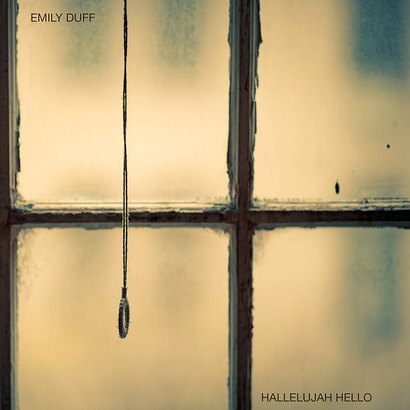
Following on from her successful foray into southern music on Maybe In The Morning, New York’s Emily Duff returns to the famed Fame studios in Muscle Shoals Alabama for another bite at the apple. In comparison to its predecessor, the album has more of a soulful gospel groove although that southern grit still hits hard. We had mentioned the likes of Bonnie Bramlett in our review of Maybe In The Morning and that comparison still stands while a host of singers, characterised as “southern soul belles” on one disc in our collection also come to mind. Names such as Betty Lavette, Irma Thomas, Etta James and Doris Allen, women who really were the equals of Redding and Pickett but who were sidelined at the time. Anyhow, that’s the pool that Duff is diving into and she comes back to the surface with some pearls.
The album gets off to a roaring start with the blistering southern rock of the title song which is scythed by its slide guitars while the chorus, with Duff supported by three singers, is rousing. It’s the type of song one wished Dylan might have recorded if he had ever stumbled upon the Allmans’ back in his Christian days. Next up is the biblical jaunt of Get In The Water which is just superb in the manner of The Staple Singers and it’s The Staples who are recalled again on The Day He Walked which is funky as hell (if you are allowed to say that in regard to a somewhat spiritual song). The spiritual bent is pursued on You Better Believe which is a foray into deep southern soul territory with a billowing horn section and female chorus rising above a rock steady Muscle Shoals rhythm beat with Duff really letting loose on the vocals. Trust The Lord follows a similar path but it’s more restrained, not so much southern swamp as southern church but Duff releases the dogs on the rollicking boogie of We All Need Saving Sometime, using some non biblical language here and there.
There are some contemplative moments. Jesus Loved This Tired Woman is set in a similar fashion to Kris Kristofferson’s early songs with its sly Dobro backing while Heaven Is Where I’m Bound comes across like a modern day Carter Family. Our favourite song here however finds Duff delving into Bobbie Gentry territory on the superb Eggs All Day. Here she captures the languid small town mind set one imagines of the south which is delivered with a sublime country backing, pedal steel smiling away.
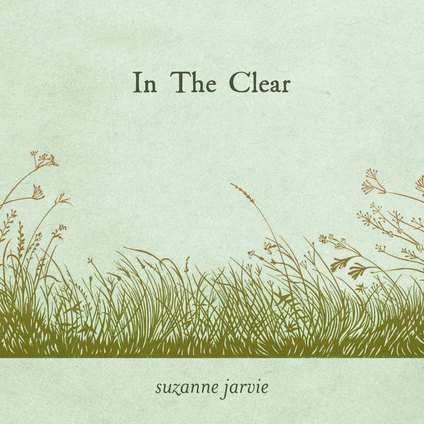
It was back in 2015 when Suzanne Jarvie, a mother and lawyer, released an excellent debut album, Spiral Road. The album was a wonderful collection of songs which recalled the early releases of Emmylou Harris with Jarvie writing in the wake of her eldest son’s trauma after a serious fall. Despite having only dabbled in music up to that point the incident unleashed a song writing genie within her which led to the album and then on to successful concert dates, often in the company of fellow Wolfe Island denizens such as Hadley McCall Theakston and Hugh Christopher Brown who produced this album.
In The Clear, as the title might suggest, continues to find Jarvie writing in the aftermath of her son’s brain injury with several of the songs dealing with the aftermath although she avoids autobiography, preferring imagery and allusion. Thus, the gritty Point Blank with its glowering guitar and film noir hard-boiled lyrics, was written apparently in response to her son’s mood swings while Headless Rider finds her imagining her daughter’s sense of displacement as her sibling lies stricken. It’s a wonderful song which comes across almost like a Larry McMurtry story in song and verse, the hint at a familial connection really is only available to anyone with access to the PR notes but armed with this knowledge it makes sense. Aside from that it’s just a fabulous song which Jarvie delivers with a sublime and sweet country vibe as the band flow wonderfully; acoustic guitars, pedal steel, mandolin, fiddle, banjo and keyboards all swarming together, Jarvie’s very own Hot Band.
For someone who professes to be relatively new at the game, Jarvie manages time and again to hit all the buttons. Her songs are crammed with words to the extent that they all read like short stories. Take for example You Shall Not Pass, another gritty number with soulful Hammond organ and southern stained guitar licks which comes across like an Appalachian version of Lord Of The Rings and then there’s the dust bowl dirt stained The Core. Featuring the legendary Mickey Raphael on harmonica, The Core might be one of the best songs we’ve heard this year, certainly a song to rival the best of Gretchen Peters and her ilk. Jarvie reaches similar heights throughout the album. Martyoshka and One It Finds are somewhat muted with a slight hint of Joni Mitchell while the title song is perhaps the closest we get here to the Emmylou comparisons with its superb Dobro from Burke Carroll. Perhaps the nearest to autobiography is the delicate All In Place which has a tiptoeing mandolin rippling away as Jarvie sings “I can see you’re worried it’s alright, I’m worried too and I’ve been up all night, watching the wipers cross the glass, all the minutes thunder pass.” The words will reverberate with anyone who has been in waiting for news of a loved one but aside from that the song’s arrangement is just so good and the playing so excellent. Slightly bluegrass, slightly LA canyon, slightly perfect.
Jarvie’s muse may have been born from tragedy but, unleashed, it thrives and In The Clear is a magnificent collection of songs, perfectly sung and perfectly played.
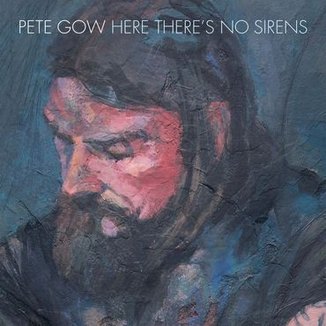
The Pete Gow we’re acquainted with is the frontman of Case Hardin, an edgy bunch of UK country rockers. Here, on his first solo album, Gow turns in a collection of songs which are personal and introspective, the country Americana of Case Hardin replaced by muted tones and sweeping strings. His voice is stained and regretful throughout as he wanders through a set of songs which recall musically, Elton John back in his Tumbleweed days, and lyrically, Guy Clark. It’s beautifully recorded by producer Joe Bennett who also played many of the instruments you hear as well as arranging the strings and horns, Gow played the guitars and Fin Kenny drums and aside from that it’s all Bennett.
The opening song, One Last Night Stand, sets the tone for the remainder of the album as tentative piano and spare acoustic strumming introduce the number which then swells with strings, organ and a sturdy rhythm section as Gow almost croaks out this bleak recollection of a tryst doomed from the start. Mikaela follows in a similar fashion although the story here is less abstract as it posits the protagonists as a later day Bonnie & Clyde in the sense that they were destined for each other while there’s a slight mariachi touch to the horn arrangements. Bennett’s arrangements reach their pinnacle on the tremendous title song which again grows from its spare beginnings to include a majestic string section which spirals around Gow’s resigned voice. Here he’s bereft and alone it seems but there’s solace in music as the strains of The Pogues’ Rainy Night In Soho waft from a radio and distract him from his solipsism and indeed the song closes with a scuzzy snippet of that self same song.
It’s a gloomy album to be sure but that never harmed the likes of Leonard Cohen. So we get the halting and bittersweet country influenced TV Re-Runs and the stripped back folk of I Will & I Do, the most straightforward song here and the one which most recalls those Texas Troubadours. Pretty Blue Flower is a lengthy dissection of a relationship teetering on the edge and with its winsome country stylings and closing violin contribution is somewhat remarkable. The lead single from the album, Strip For Me, finds Gow examining the alarming double standards which still abound these days as he references the now infamous Stormy Daniels while singing from the perspective of a powerful white male. Again, this is clothed in a wonderful arrangement, the song sweeping on with an excellent sense of resignation and ennui. Here There’s No Sirens might be miles removed from Case Hardin but it posits Gow as one of our best songwriters about these days.
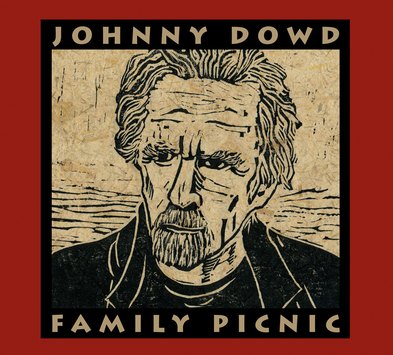
Released just prior to Johnny Dowd’s upcoming European tour, Family Picnic has been touted as a slight return to the sound and themes of his earliest albums with less of the tortured electronic skronking which informed his last couple of releases. Certainly Dowd’s idea of family values is not the same as someone like Thatcher or Reagan would have espoused as his families are composed of folk who are like rabbits caught in a headlight, catastrophe rushing towards them. And while the album continues to sound as if it’s been washed in an acid bath, the drums and vocals scarified into the songs, the guitars and keyboards misshaped by the process, by Dowd’s standards it does go some way back to that weird American Gothic which was celebrated in Jim White’s film, Searching for the Wrong-Eyed Jesus. As Dowd sings on the closing number, “I sing songs of lust and depravity, that’s the only kinda songs come out of me,” and that just about sums it up.
Much of the album pursues a kind of mutant gutbucket blues with snarly guitar to the fore although it also dips into kaleidoscopic and frightful carney funway music and primitive country jaunts. The opening instrumental, Hoodoo, buzzes with hot guitar and exotic xylorimba summoning up thoughts of mondo type exploitation movies of the sixties. However, it’s like a frog in a blender as it gets increasingly twisted out of shape ending in a wonderfully demented organ solo. Next up, Dowd comes across like a Lou Reed revenant as he sings The Man Of Your Dreams over a ramshackle backing and owes up to having something missing from his psychological makeup, a hollow man indeed. Here he’s got a vocal foil in the shape of Kim Sherwood-Caso whose deadpan contributions to several of the songs add to the bathos. There’s a bit of a side step as Dowd examines the psychological makeup of the south in the maggot infested blues of Vicksburg before he launches into the flickering neon flash of Shameless, a song which demolishes anything The Stones have ever done when they tried to get down and funky and dirty. Again, Dowd’s hero is falling apart, dependent on his “baby” to pull him up while the music is as insistent as a dentist’s drill pile driving into a cavity.
Dowd screws with your mind throughout the album. The melodious chorus to Walking Floor has Sherwood-Caso repeating the words, “Big fucking mess,” while on The Stuttering Wind the harbinger of love is a “shiny black crow” who has a sideline in scavenging the souls of the recently buried. Four Grey Walls is twice as demented at least as the most demented of Tom Waits’ cracked fairground waltzes and on Back End Of Spring Dowd unleashes some scabrous guitar as he lays down a beat version of the Greek myth of Demeter and Persephone. Closer to home, the title song is a litany of the broken and diseased participants of a hellish family gathering and then there’s the tale of Little Jimmy, a threnody for a man who, as Dowd sings, “Was not evil, just a fuck up.” Anyhows, Jimmy gets his comeuppance when his wife, “Cuts his throat because his bullshit she would not take.”
Listening to Conway Twitty is somewhat akin to being inside the brain of any aspiring country star when they’re experiencing an epileptic fit. The ambition sparking but zapped by rogue neurons firing off in all directions, eventually ending in a fugue induced and plaintive plea, “I wanna be a star.” Dowd closes the album with the supremely engaging heaven and hell battle themed Thomas Dorsey where he compares himself to this giant of gospel song and admits that he can’t sing of salvation, only hell and damnation. For what it’s worth, we’d say that Dowd’s trips into the underworld are as glorious as any hallelujah.
Johnny Dowd kicks off his European tour this week with several UK dates included, all details here.
Zal Yanovsky was the yin to John Sebastian’s yang in The Lovin’ Spoonful. He was the zany one who goofed around on stage while Sebastian kept his cool. This all blew up when Yanovsky, a Canadian, was caught in a drug bust and was reckoned by most of the hippy community to have sold out his dealer in some kind of plea bargain in order to avoid deportation. The Spoonful were caught up in this and became somewhat uncool and Yanovsky split from the band soon after. He soon faded into obscurity eventually returning to Canada where he ran a restaurant until his untimely death aged only 58. He only released one album after departing the Spoonful but what a doozy it was. Alive And Well In Argentina sprang from captivity in 1968 only to be widely ignored but over the years it has acquired a cult following with original editions a collector’s item.
While there are some echoes of Yanovsky’s spell in the Spoonful to be heard here and there, the album is a wacky collection of wacked out songs. There’s black humour galore, sonic experimentation and some blissfully stoned country and western songs and while there may a temptation to lump the album in with other sixties oddities such as The Fugs the album actually stands up as a great collection of well played songs and stands up well to the test of time. It was produced by Jerry Yester (who replaced Yanovsky in the Spoonful) and how much of its attraction is due to Yester’s work is up for debate. But with several of the songs interwoven with spoken word clips and featuring odd sound effects some of the album is like a rehearsal for Yester’s work with Judy Henske on another sixties cult album, Farewell Aldebaran. This is most apparent on the discordant instrumental Lt. Schtinkhausen which closed the original disc and which comes across like The Beatles on a bad acid trip.
Schtinkhausen might be a nod to the pioneering electronic music genius Stockhausen and Yanovsky alludes to other pioneers such as Edgar Allen Poe on the opening Raven In A Cage, a fine slice of psychedelic pop, and on the bizarre Hip Toad, a classic and stone cold immaculate word salad which surely would have had Kim Fowley spitting with envy. Much of the album consists of Yanovsky’s unique covers of familiar songs. George Jones’ Brown To Blue is given a tongue in cheek sincere delivery while Little Bitty Pretty One is just a hoot to listen to and impossible not to sing along with. Floyd Cramer’s piano instrumental Last Date is given a Santos & Johnny makeover allowing Yanovsky to showcase his guitar playing while Ivory Joe Hunter’s I Almost Lost My Mind is a kaleidoscopic slice of R’n’B which foreshadows The Band’s collection of covers on Moondog Matinee. He also, perhaps to prove a point, throws in an excellent cover of John Sebastian’s Priscilla Millionaira.
Yanovsky goes over the top on the magnificent title song which, of course, alludes to elderly Nazis in hiding. Here he goes all bluegrass us, perhaps influenced by the recent release of the movie Bonnie & Clyde with the song belting along banjo style until it’s hijacked by Teutonic voices plucked from documentary sources. It’s a song you probably wouldn’t get away with these days. Tucked in at the end of this reissue is Yanovsky’s attempt at a single. As Long As You’re Here. It’s like a wilder and wackier version of the Spoonful but there’s also a fine sting in the tail as the song ends in a chorus of “Is it a hit or a miss?” It was a miss unfortunately as was its B-side, also included here, which is the song played backwards.
It’s been a long time since we last heard this album but it’s been a total blast catching up on it again. So, if you buy just one sixties cult classic this week, buy this one.
This album was released several weeks ago and the reason why it’s taken some time for Blabber’n’smoke to acknowledge its existence is that it’s taken several weeks to fully delve into the importance of this document. The music and the written words within this disc are described by Rhiannon Giddens as, “Shining new light on African American stories of struggle, resistance, and hope, pulling from and inspired by 17th-, 18th-, and 19th-century sources. Interpreting, changing, or creating new works from old ones.” More specifically Giddens notes that “There is surely racism in this country—it’s baked into our oldest institutions—just as there is sexism, millennia old. At the intersection of the two stands the African American woman. Used, abused, ignored and scorned, she has in the face of these things been unbelievably brave, groundbreaking and insistent. Black women have historically had the most to lose, and have therefore been the fiercest fighters for justice.”
The acorn of the album was planted when Giddens visited the Smithsonian National Museum of African American History and Culture in Washington, DC and was struck by a quotation from William Cowper, a noted abolitionist and satirist. It took further root during a screening of Nate Parker’s film, Birth Of A Nation when Giddens noted that in a scene depicting the rape of a slave woman, the camera lingered on the husband’s humiliation. All of this and much more is explained in the superb liner notes which detail Giddens’ invitations to her co-stars here, all of them black female banjo players, the banjo of import in several respects, again all explained in Giddens’ essay. Ultimately, Giddens wants the album to be seen as “Part of a larger movement to reclaim the black female history of this country.” As such, she and her sisters in song have succeeded as the album packs a powerful punch. The songs, all eminently memorable contain a litany of crimes, misdeeds and horrors visited upon their forebears while also celebrating the indomitable spirit which allowed them to survive and sometimes rise above such evil.
The Quartet performing Songs Of Our Native Daughters are Giddens, her former Carolina Chocolate Drops colleague Leyla McCalla, Alison Russell (of Po’ Girl and Birds Of Chicago) and Amythyst Kiah. Together they are a formidable force, writing or co-writing in various combinations and singing together in a spectacular fashion while producer Dirk Powell is acknowledged as an important ingredient in the mix. The songs range from powerful southern infused fury to glorious sun kissed Caribbean harmonising while Bob Marley is saluted in the cover of Slave Driver, the notes stating, “Marley sang about spirituality and sensuality but also about militant resistance to oppression… Like Martin Luther King his militancy has been whitewashed in the years since his death.” Like Marley, this album has songs to enjoy but which also contain a message.
Kiah kicks things off with her song Black Myself, her powerful voice driving the song just as much as the stinging electric guitar which gives the song a southern rock thump as she notes that there were considered degrees of “blackness.” Moon Meets The Sun follows, an almost calypso like song which is notable for the superb interplay of their voices but behind its sunny disposition the four are singing a defiant song, “Ah you steal our children but we’re dancing ah you make us hate our very skin but we’re dancing.” Giddens reads from the Cowper poem which so moved her in the haunting Barbados before Allison Russell hoves into view on what is possibly the most impressive song on the album. Quasheba, Quasheba grew from her own research into her family history uncovering this ancestor who was stolen in Africa and sold into slavery. Leyla McCalla meantime moves to the front for her salute to Etta Baker on I Knew I Could Fly, Baker being a blues guitarist who gave up playing when she married and only gained recognition in widowhood. The band then take great joy in upending the traditional John Henry, a song which celebrates the strength of the steel driving hero as they transfer him to a sick bed while his wife Polly Ann goes to work in his stead and survives.
The album is packed with memorable and moving songs. Mama’s Crying Long is a field holler telling of a slave who killed her rapist and was lynched. Better Git Yer Learnin’ is set to an 1885 banjo tune and commemorates the attempts to set up black schools after emancipation, many of which were simply blown up by whites. McCalla offers up a Haitian inspired number on Lavi Difisil and Kiah and Russell turn in a powerful diatribe regarding the hypocrisy of white slave owners who were happy to rape their slaves and then sell off their own black offspring on Blood & Bones, linking this to the misguided current white nationalist movement which has been revitalised under the current occupant of the White House. And it’s this linkage which lifts the album from being merely an incredibly well performed set of roots music, similar in fashion say to Ry Cooder’s or Taj Mahal’s best efforts. The stories and histories sung about here unfortunately reverberate through the ages and continue to impact. Black people and in particular black women are still discriminated against, look at #BlackLivesMatter for example. Writing as a white male in the first world one can’t begin to feel the ongoing pain, humiliation and real danger visited upon those who face these trials on a daily basis. The wonder of this album is that it might make more of us think about this more often. Buy it for the music as it is tremendous but take some time to investigate it as well. There’s even a bibliography to get you started. As well as being a contender for album of the year it’s probably the most important album of the year.
On the eve of a UK tour by the legendary Ringenberg, THE Jason of Jason & The Scorchers, it’s heartening to hear this latest album from him and even more heartening to report that it is a humdinger. It fairly zips along with typical pizzazz, country, folk, and punk licks all rolled into little balls of fire with his familiar voice at the helm. What’s not so heartening is the revelation in the liner notes that Ringenberg had resigned himself to never recording again in this “internet driven music world.” His ennui was dispelled when he was given the opportunity to be artist in residence at Sequoia National Park in California. He spent a month in the wilderness, dwarfed by the arboreal giants, tracked by bears, and found songs tumbling out of him. Energised, he returned to his own roots in Southern Illinois and recorded most of this album with chums he’d played with back in his college days there before finally completing it in Nashville.
The album opens with a tune obviously indebted to his month in the wilderness, the wonderfully cinematic instrumental Stand Tall. It’s music for a western movie with Morricone and Tiomkin like splendour, banjo, fiddle and twangy guitar battling it out with a horn section over a galloping beat. The splendour of the sequoias informs the gentle folky rhythms of Here In The Sequoias with Ringenberg saluting the majesty and tranquillity of these giants while John Muir Stood Here is a scorcher (sorry) of a song which commemorates the famous Scottish naturalist who kick-started nature conservation in the States.
Elsewhere Ringenberg tears through some cracking country rock as on Looking Back Blues with its searing pedal steel and Almost Enough, a song written by an old Illinois comrade, Hugh Deneal, while Many Happy Hangovers To You is a wonderfully loose-limbed confection with squirreling guitars and pedal steel driving the song along. In a gentler mood, he turns in a fine reading of Jimmy Rogers’ Hobo Bill’s Last Lament while Dylan’s Farewell Angelina closes the album. He recalls his own past when supporting The Ramones on a tour back in 1983 on God Bless The Ramones, a punk infused blast with some scorching (sorry again) lap steel playing while the excellent John The Baptist Was A Real Humdinger basically recasts the hapless water dunker as a wild west hero. Overall, we should be grateful to those sequoias for inspiring the man to record again as Stand Tall is an excellent album.
Jason Ringenberg is touring the UK in March including a Glasgow show on 28th, all dates here.
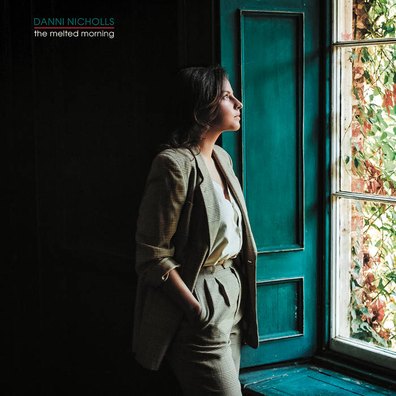 On her excellent third album, Danni Nicholls offers evidence that she continues to grow as an artist while she has also taken the step of recording the album with a selection of female musicians and studio technician under the aegis of producer Jordan Brooke Hamlin. Hamlin built her own studio in Nashville to suit female artists and she has previously recorded The Indigo Girls and Lucy Wainwright-Roche there. The Melted Morning is a major achievement with Nicholls singing a number of glorious careworn ballads, all given lift with excellent arrangements ranging from southern soul touches to shimmering string arrangements. A couple of the songs are less orchestrated and more reminiscent of her earlier work and throughout the album her voice is never less than magnificent.
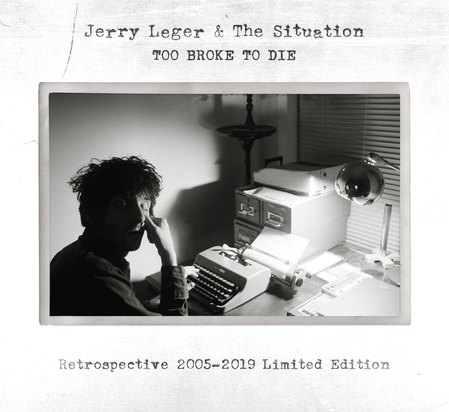 One of Canada’s secrets until his breakthrough album of last year, Nonsense and Heartache, Jerry Leger is one of those artists who believes in getting the music out there, putting in the groundwork and letting his gigs spread the word. Indeed, last year when he was appearing in Norway around about the time of his birthday, he managed to get the promoters to find him a “cool pub” to play in on that date, “Just to play some music and have a hang afterwards.” His first UK tour last year was a success and he’s coming back for more dates this month and this limited edition retrospective will only be available on CD at the shows although it is available as a download purchase for those not able to attend.
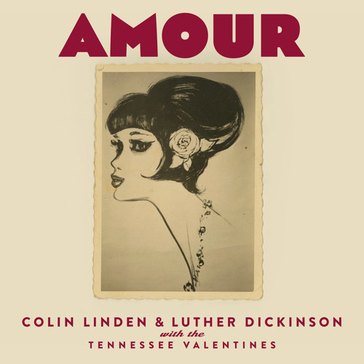 Let’s cut to the chase here and say that Amour is an album any right minded fan of American roots music should buy. It’s up there with Ry Cooder in the reclamation stakes, old chestnuts revived and, not so much tidied up, but given a fresh wind in their sails and expertly performed. Amour is the brainchild of the renowned Canadian guitarist Colin Linden of Blackie & The Rodeo Kings and Luther Dickinson of North Mississippi Allstars (and son of the infamous Jim). Together they have chosen a ragbag of vintage love songs plucked from blues, country, soul and rock’n’roll and recorded them with an ace band – Fats Kaplin, Bryan Owings, Dominic Davis and Kevin McKendree – who they have dubbed The Tennessee Valentines. To cap it they also enrolled several singers (Ruby Amanfu, Sam Palladio, Jonathan Jackson, Rachel Davis and Billy Swan) to sing the songs. Linden and Dickinson play the guitars and what a swell job they do. Dickinson describes their work ethic thus. “Colin and I are fellow guitar slinging, peace loving, freedom fighting romantics who jump at any and every opportunity to play guitars together… we both plugged into a shared guitar amp and though you can hear the different guitars popping thru here and there, it’s hard to tell who is playing what.”
 Following on from her successful foray into southern music on
  It was back in 2015 when
  The Pete Gow we’re acquainted with is the frontman of
  Released just prior to Johnny Dowd’s upcoming European tour, Family Picnic has been touted as a slight return to the sound and themes of his earliest albums with less of the tortured electronic skronking which informed his last couple of releases. Certainly Dowd’s idea of family values is not the same as someone like Thatcher or Reagan would have espoused as his families are composed of folk who are like rabbits caught in a headlight, catastrophe rushing towards them. And while the album continues to sound as if it’s been washed in an acid bath, the drums and vocals scarified into the songs, the guitars and keyboards misshaped by the process, by Dowd’s standards it does go some way back to that weird American Gothic which was celebrated in Jim White’s film, Searching for the Wrong-Eyed Jesus. As Dowd sings on the closing number, “I sing songs of lust and depravity, that’s the only kinda songs come out of me,” and that just about sums it up.
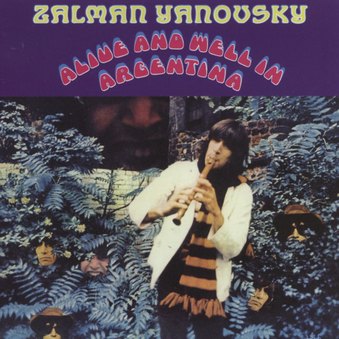 Zal Yanovsky was the yin to John Sebastian’s yang in The Lovin’ Spoonful. He was the zany one who goofed around on stage while Sebastian kept his cool. This all blew up when Yanovsky, a Canadian, was caught in a drug bust and was reckoned by most of the hippy community to have sold out his dealer in some kind of plea bargain in order to avoid deportation. The Spoonful were caught up in this and became somewhat uncool and Yanovsky split from the band soon after. He soon faded into obscurity eventually returning to Canada where he ran a restaurant until his untimely death aged only 58. He only released one album after departing the Spoonful but what a doozy it was. Alive And Well In Argentina sprang from captivity in 1968 only to be widely ignored but over the years it has acquired a cult following with original editions a collector’s item.
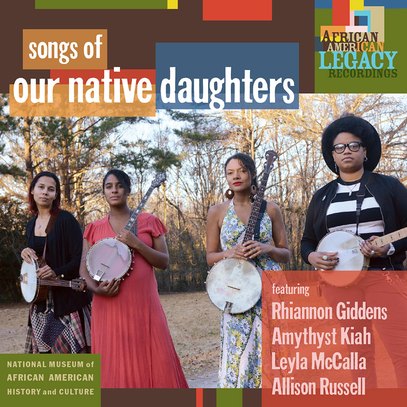 This album was released several weeks ago and the reason why it’s taken some time for Blabber’n’smoke to acknowledge its existence is that it’s taken several weeks to fully delve into the importance of this document. The music and the written words within this disc are described by Rhiannon Giddens as, “Shining new light on African American stories of struggle, resistance, and hope, pulling from and inspired by 17th-, 18th-, and 19th-century sources. Interpreting, changing, or creating new works from old ones.” More specifically Giddens notes that “There is surely racism in this country—it’s baked into our oldest institutions—just as there is sexism, millennia old. At the intersection of the two stands the African American woman. Used, abused, ignored and scorned, she has in the face of these things been unbelievably brave, groundbreaking and insistent. Black women have historically had the most to lose, and have therefore been the fiercest fighters for justice.”
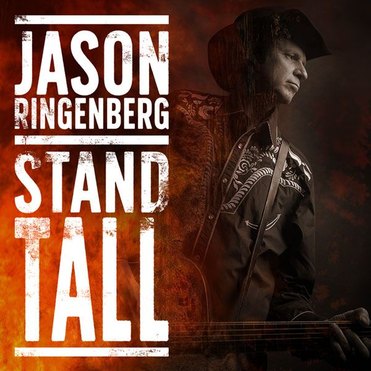 On the eve of a UK tour by the legendary Ringenberg, THE Jason of Jason & The Scorchers, it’s heartening to hear this latest album from him and even more heartening to report that it is a humdinger. It fairly zips along with typical pizzazz, country, folk, and punk licks all rolled into little balls of fire with his familiar voice at the helm. What’s not so heartening is the revelation in the liner notes that Ringenberg had resigned himself to never recording again in this “internet driven music world.” His ennui was dispelled when he was given the opportunity to be artist in residence at Sequoia National Park in California. He spent a month in the wilderness, dwarfed by the arboreal giants, tracked by bears, and found songs tumbling out of him. Energised, he returned to his own roots in Southern Illinois and recorded most of this album with chums he’d played with back in his college days there before finally completing it in Nashville.