Colorado based David Starr has gained a lot of fans here in the UK with his annual tours and an array of albums which have found him firmly in the singer/songwriter orbit. Love & Sabotage was a country rock album in the sense of 70s luminaries such as Poco while the more expansive Beauty & Ruin (based on a book written by his grandfather) dug into timeless themes in a manner reminiscent of the Eagles’ Western album Desperado.
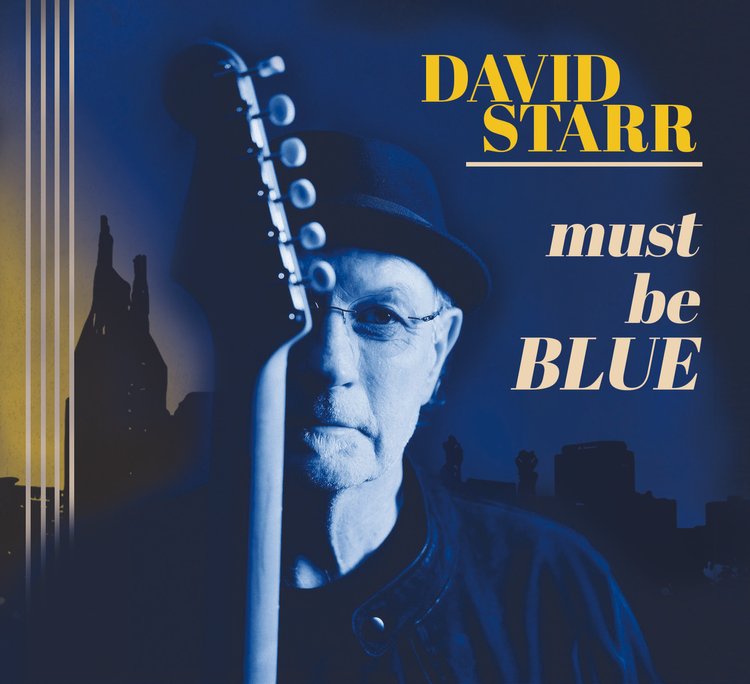
On Must Be Blue Starr takes a sharp left, heading into blues territory. He explains in the album’s liner notes that, as a youngster in Arkansas, he was exposed to the blues in the gritty little clubs he frequented and they’ve remained a touchstone ever since. Here he revisits his youthful affiliation turning in a soulful album of originals and covers delivered with nods to his more recent output, playfully terming it Bluesicana. Whether that term will catch on remains to be seen but overall Starr delivers the goods here.
Starr’s version of the blues owes more to antecedents in the 70s as opposed to the gutsy raunch of Chicago style veterans such as Muddy Waters and Howling Wolf. Instead, Bobby Blue Bland, The Fabulous Thunderbirds and Robert Cray spring to mind while covers of J.J. Cale, The Cate Brothers, ZZ Top and The Allmans cement the notion that Starr, like many of his generation, were swept up in the third generation of the blues. The songs here are weighted with sweeping organ, female harmonies and soaring guitar solos; there’s no desolate “woke up this morning” lamentations.
The album opens with Hole In The Page, a gripping number with a sinuous riff before Starr whips up the boogie on his version of J.J. Cale’s Bringing It Back, one of the most exciting songs on the album. Lonesome Train rattles along with some verve, the addition of Erik Stucky’s mandolin an example of Starr’s Bluesicana ideal but it’s the scintillating slide guitars which catch the attention. My Favourite Color, midway through the album, all but abandons the blues concept as Starr weighs in with a song which harks back to Beauty & Ruin with Stucky this time more than holding his own amidst the growling guitars.
Ezra Came To Call is quite superb, the lyrics have a biblical bent and the band are quite swampy as the song creeps along, a snakelike guitar solo the icing on the cake. ZZ Top’s Just Got Back From Baby’s is another slow burner with a southern soulful sound at its heart. He closes the album with a valiant delivery of The Allman’s Whipping Post, a brave move but Starr turns in a more than decent version with the instrumental break quite exciting while his vocals (as throughout the album really) are quite impassioned.
Back in the 60s there was the adage, can white men sing the blues? On this reckoning, David Starr can, while giving it a new twist.
Judging from his regular newsletters Scotland’s Findlay Napier is a busy, busy man. He has a finger in many pies, his work in the folk supergroup that is The Magpie Arc, an ongoing commitment to song writing workshops, a lecturer on traditional music at Scotland’s Conservatoire (formerly the Royal Scottish Academy of Music and Drama, the institution he attended), along with being a sometime stand-up comedian, it’s surprising that he has the time to consider his solo career.
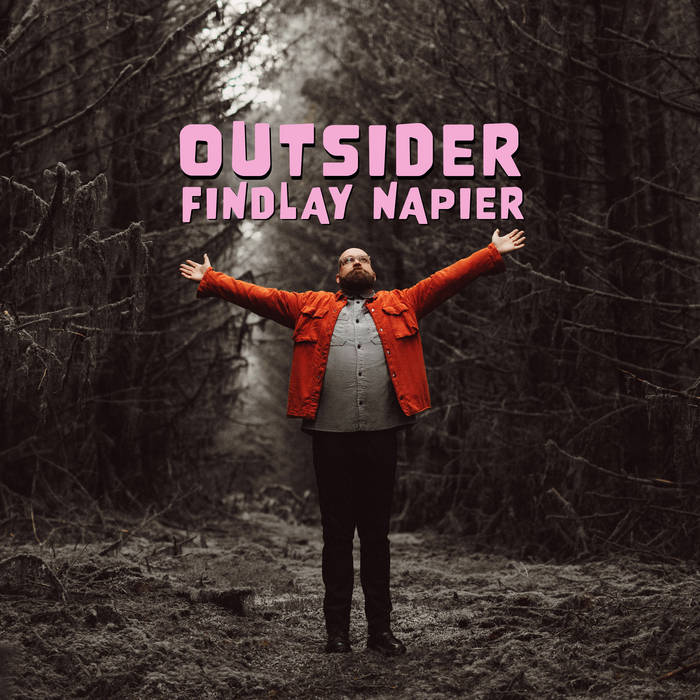
Somehow he’s managed to find the time to record his third fully fledged solo album, some ten years after VIP: Very Interesting Persons, his debut album but only eight years after the follow-up, Glasgow. Both of these albums were quite superb and it’s fair to say that on Outsider Napier has maintained the quality one hoped for. The album is packed with striking songs, all played with flair and determination.
Given the length of time since his last album, Napier had a plethora of songs to choose from for Outsider and he eventually whittled them down to the 12 on show here with the assistance of his long time collaborator Boo Hewerdine, who produced the album and has two co-writing credits here. The album title is, in part, down to the Scottish accent Napier sings with – despite the success of The Proclaimers it’s still relatively rare to hear an accent out with the truly traditional folk scene. In addition, many of the songs are about or inspired by people who considered themselves “outsiders” in one way or another. Napier explains much of this in a companion “coffee table” book which has in depth notes on each of the songs along with music tabs, essays, pictures and access to four more songs. Unfortunately Blabber’n’Smoke doesn’t have the book so we’re relying on the songs.
And what songs they are. Napier relates that some of the sounds he and Hewerdine strived for came via listening to Richard Thompson, in particular the albums Mirror Blue and Mock Tudor. That’s apparent from the rock’n’roll rumble which kicks off Running The Light, the opening song here which has guitarist Neill MacCall turning in a great approximation of Thompson’s Celtic come Nashville guitar strokes. The title track is another rock rumble, almost rockabilly in fact, while An Extensive List Of Lost Things, a fantastic litany of unimportant trivialities which are compared to the singer losing sight of his relationship is not only whip smart but is infused with the spirit of Richard Thompson’s occasional kitchen sink dramas. Another spirit, that of Gerry Rafferty, back in his Humblebum days is recalled on the back lane testament which is Oh Amy.
There’s a coruscating memory of working as a waiter in a fancy diner on Silver Service, a song which is almost vaudevillian but has a sting in its tail. Inky Fingers is much more intimate as Napier describes the intimate thoughts of a potentially devilish schoolboy in thrall to a would be sweetheart while Amberola Blue is, quite simply, the result of a song writing challenge to write a song about an appliance. Napier, fittingly enough, writes about an early record player, designed by Edison to play wax cylinders. Here he harks back to the yearning songs of VIP and that album is again evoked on the wonderful Fidel Castro Five Years Gone. This is a tremendous song which conflates childhood memories and various CIA plots to assassinate Castro and there’s a lovely whiff of Michael Marra in Napier’s delivery. It’s the icing on the cake here as Napier delivers an album which is both exciting and intriguing.
Back in 2020 Thee Holy Brothers sparked into view with their excellent debut album My Name Is Sparkle. The duo -Marvin Etzioni (ex Lone Justice) and Willie Aron (of The Third Mind) – were so named by the rabbi at their local synagogue , Mordecai Finley, who described them thus, a moniker which was heartily endorsed by another member of the congregation, Leonard Cohen. My Name Is Sparkle was kind of a psychedelic and trippy audio update of Candide, the protagonist an innocent in search of enlightenment, seeking Jesus but eventually finding Elvis instead.
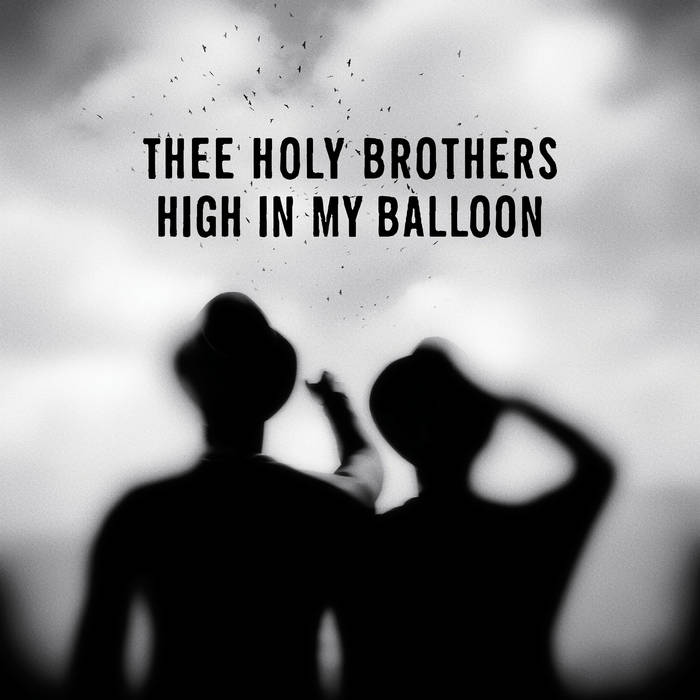
High In My Balloon is the second instalment in a proposed trilogy of Sparkle’s adventures but it’s not perhaps the album thee brothers initially expected to record as the blight of cancer reared its ugly head during its recording. Etzioni was diagnosed with cancer and, sadly, Aron’s spouse died of the disease. Etzioni was eventually given the all clear after treatment and the album’s title is a nod to his reaction as he says that “I was so elated at the news, I felt like I was levitating, like I was high in a balloon. I did what I always do, I wrote a song about it.” Not just one song however as Etzioni takes Sparkle on a ten track odyssey from doubt, travails and eventual elation, approximating his own trajectory as he fought his illness.
Despite its harrowing gestation the album is quite uplifting, at times almost ecstatic. The pair’s vocals are brotherly harmonies of the first degree and they gleefully inhabit the cloaks of acts such as The Everlys, The Beatles and The Beach Boys on several of the songs. In addition, they cleave to the first album’s sometime off kilter approach giving the whole affair a singular identity, unique to these two somewhat battered brothers who have achieved a degree of excellence in the face of adversity.
The album opens with a rousing, almost Spector like flourish, on the powerful chimes of Born Torn as our Sparkle, cognisant from the off, sees the world and his future as a series of binary choices and this black and white confusion is maintained in the Beach Boys like reverie which is The Holy In Everything. Here, daily dismal distractions such as war bulletins on TV lead to a sense of ennui but on occasion there’s an opening in which our protagonist can see what he describes as The Holy In Everything. There’s a cacophony of car horns tooting throughout the grungy Guru Honk, a song which is the flip side of George Harrison’s mysticism, the addition of a mellotron towards the end a nod perhaps to those vainglorious days.
Sunshine In My Veins is a startling pop song of the first degree but, such as is thee brothers wont, it’s slightly out of tune, creating a woozy feeling in the listener. It’s somewhat apt as Etzioni says he wrote it in an attempt to portray his experiences on chemotherapy. Magic Jacket meanwhile comes across like an undiscovered psychedelic Who track, left off The Who Sell Out. It’s the breakout song here, the protagonist, just like The Who’s Tommy, unbound and able to conquer all adversity, in fact almost in charge of all as is proposed on the philosophical thoughts contained on the following I Am Time, another glorious song.
Emily Parade comes across as a slight interlude, a whimsical song in the manner of Robyn Hitchcock, it meanders well before the horn ridden I Can See From My Window Now stomps into view, another song which swells with optimism, “A new day for everyone” they sing. Ode To Harry Cell is presumably a farewell to the cancerous cells which Etzioni conquered and is given a delightful almost bluegrass treatment and the album closes with the title song which, as mentioned above, Etzioni wrote on getting the all clear. Over a stabbing Hammond organ riff, the brothers get again all Beatles like on a triumphant song which has a wonderful coda.
Forget the concept and revel in the sounds here. Steeped in harmony history and given an idiosyncratic twist, High In My Balloon is, quite simply, quite brilliant and we sincerely hope that these Holy Brothers carry on and deliver the third instalment of their Sparkle trilogy.
Alongside Edinburgh’s Dropkick, Ian M Bailey has been foremost recently in reviving the jangled and sun kissed era of Los Angeles pop and folk rock with particular reverence given to the sound of the Byrds and Roger McGuinn’s 12 string Rickenbacker.
This time around, on Lost In A Sound, Bailey and his co-writer, Glasgow’s Daniel Wylie, continue to mine the goldmine that is the heyday of California music but there’s less of the jangle and much more of the introspection and social awareness which characterised the shift from chart oriented singles to much weightier topics as the 60s progressed. The opening song, Rooks, blasts out, much as the opening song on The Byrds’ album Younger Than Yesterday did but instead of singing about wanting to be a rock’n’roll star, Bailey delivers a fuzz fuelled anti war diatribe. With lyrics which could apply equally to the Vietnam War and current events in hot spots across the planet, Bailey and Wylie have a protest song which sings for the ages.
Of all the Byrds, David Crosby seems to be the guiding light on several of the songs here. While there is more than a whiff of Gene Clark on I’ll Be There To Save You Crosby looms large on White Whale and Deep Blue Water, songs which plug into his love of seafaring and his ecological awareness, years before the rest of us caught on. White Whale comes across as if Captain Ahab had forgotten his vengeance and grew to love and admire his nemesis, surrendering to the submarine sounds of the song. Deep Blue Water then wades in with stately piano and a myriad of fuzzed guitars, synthesised keyboards and, ultimately, a deep sense of calm as Bailey and his fellow player here, Alan Gregson, weave a hypnotic pillow of sounds.
Desert Star is a trippy instrumental which could fit well into the confines of The Byrds’ kind of in between album, Dr. Byrds & Mr. Hyde while the following Welcome To the Desert is a true descent into 1967 pop psychedelia. Never Read The Signs maintains the desert theme but in a much more cinematic style with its twangy guitars and sweeping string sounds reminiscent of Morricone and, more topically, Calexico. David Crosby’s ecological awareness is back to the fore on the sweet tones of Don’t Let The Garden Die, sweetened even more by some gorgeous lap steel playing and the album closes with a flourish on the grandiose swell of The Desert Could Be Mars, an ecological warning wrapped within a sci fi fable which abruptly ends with Bailey’s equivalent of the closing chord on Sergeant Pepper.
Along with his co-pilot Daniel Wylie, Ian M Bailey has mined this rich seam of Byrdsian pop/folk/rock over several albums now and Lost In A Sound shows that the pair continue to discover gold.
We set our sights here on an album which was originally released back in 2006 and then kind of disappeared. It’s popped back up into view due to a vinyl pressing by the UK label Unspun Heroes whose raison d’etre is, to quote, “To go on a musical adventure of reissued vinyl. Releases happen in small batches, limited to no more than 500 pressings… the label has a guiding principle: to find and highlight music deserving of wider attention. It does both of these things with a love for the vinyl format and the music itself.” You can read more about the label here.
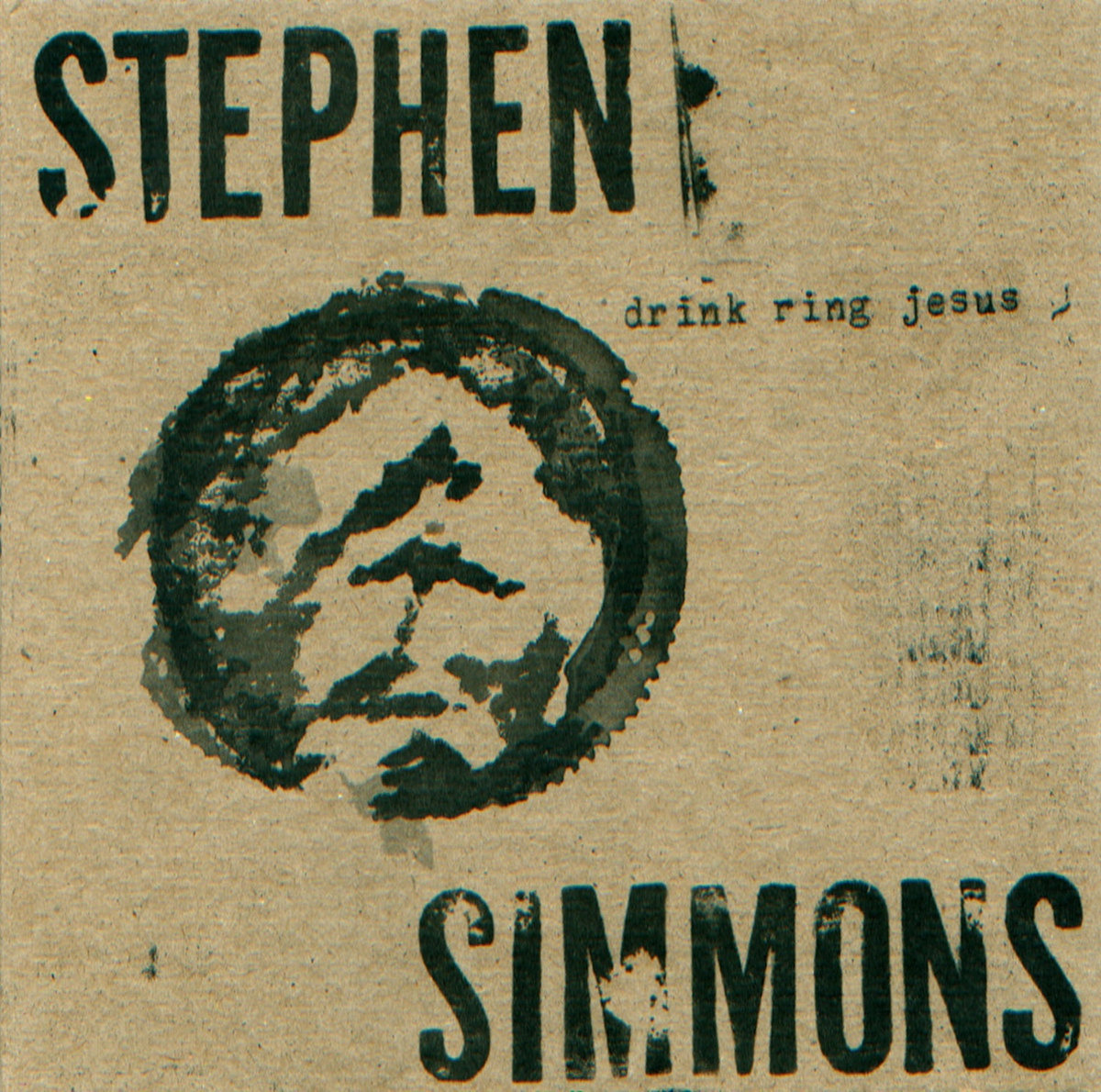
As to why Simmons was selected for such a venture the label doesn’t say but after a couple of listens it’s clear that they have done the public a service in highlighting Drink Ring Jesus as it’s quite a compelling listen. Simmons is a singer/songwriter from Tennessee who currently resides in Nashville and who has several albums under his belt. This was his second release and it’s a truly solo effort featuring just Simmons’ guitar, voice and harmonica. He credits Springsteen’s Nebraska as an influence here but it’s Steve Earle who casts a longer shadow due to Simmons’ occasional vocal similarities. As such it’s not a party album, rather it’s one to be contemplated on and delved into as Simmons reflects on his upbringing within a strict religious community along with his reaction to the then recent events of 9/11, both conflated within the opening title song. Simmons explains in the liner notes how he was trying to avoid the non-stop news footage of the Twin Towers but eventually succumbed while having a couple of whiskeys whereupon he noticed that his drink had left a stain on his coaster which “revealed itself as a drink ring pattern that so looked like Christ that it spooked me.” We suppose stranger things have happened but this happenstance moment laid the ground for the album.
Jesus, and his supposed followers, feature in several of the songs here. Devil’s Work Is Never Done reflects the notion of opposing religions at war despite fewer folk actually practising their religion while Time To Pay tackles the dichotomy between love and revenge inherent in Christian teachings and Carpenter Skills takes us back to basics, Christ as a simple carpenter and not the vengeful deity championed by those in power. This last song is quite masterful, replete with wheezing harmonica and halting guitar. There’s a crossover of sorts on You Give Us, written by Simmons aged 33, the same age he notes as Jesus was when he “transformed on the cross.” A wonderfully delicate song which humanises the biblical story it finds Simmons losing his religion but trying to find his spirituality. There’s no real resolution here but the closing song Long Way To Go tries to simultaneously untangle and unify opposing beliefs and all the different names for God, basically saying that we’re all in the same boat. On a more secular note Simmons gives us an alternative mode of worship on the excellent Crying Elvis where he notes that pop culture icons have become our modern day gods.
Drink Ring Jesus is a stark yet warming slice of a man’s soul, masterfully delivered. This vinyl reissue is quite the delight but is strictly limited. You can grab one here and it’s also available as a download. Whatever your preference it’s well recommended.
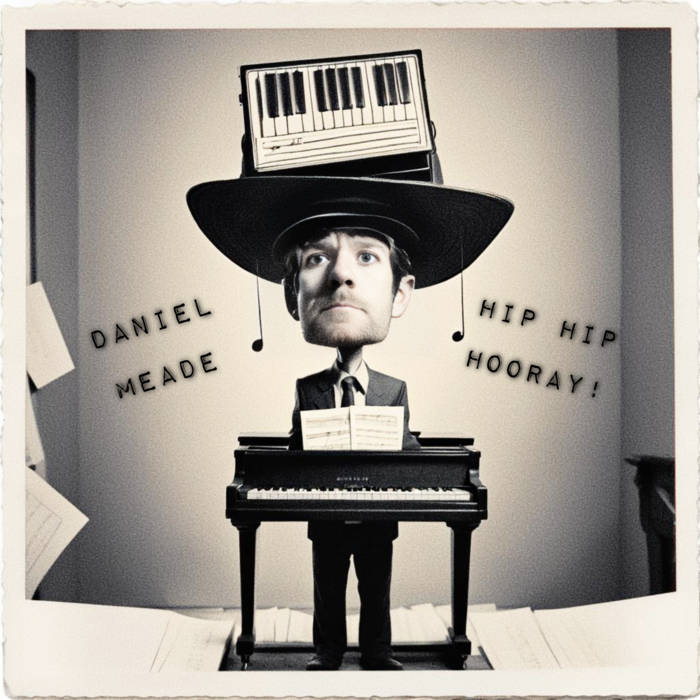
If your concept of boogie woogie piano only extends to hearing Jools Holland tinkling the ivories, no matter who he’s playing with on the telly, then prepare to have your boundaries expanded by Glasgow’s Daniel Meade on his latest album. While Meade is a versatile character, as seen on previous albums, a rocker, a balladeer, a country singer at times, Hip Hip Hooray! is a straightforward celebration of the piano tradition in rock’n’roll which of course encompasses Jerry Lee Lewis but here he pays special emphasis on the grand roll call of New Orleans players including Fats Domino, Professor Longhair, James Booker and Dr. John.
Whether the inspiration for the album was due to the acquisition of a new set of keyboards as laid out by Meade on the most immediate song here, Got A New Piano, is moot. What matters is that the song is a rip roaring barrel house trip with Meade announcing that he’s back in town with a brand new piano that won’t let you down. Fat horns adorn the rolling rhythm while the piano solos just trip and rip from the speakers while the chorus is tailor made for audience participation.
The album opens with the very brief shot which is The World Is On Fire, just a minute long but it sets the scene for what is to follow. There’s a brief respite halfway through but aside from that there’s little breathing space allowed as the album thrashes from start to end. There’s the aforementioned Got A New Piano which is then followed by the darkly humorous Carry Your Own Coffin, another rollicking horn blown boogie woogie which serves to remind us that Meade is a master of catchy choruses as he basically tells an estranged father to fuck off. Come Back To Me is a Fats Domino like ramble with a slight zydeco influence while I’m An Addict (I Can’t Help It) skelps along with percussive handclaps bolstering the barrel house blues piano which drives the song. Meade’s talent for grabbing a headline title and chorus comes to the fore again on Crackpot Jackpot, a song which was probably recorded in Meade’s front room but sounds as if it were zooming in from Memphis’ Sun Studios. It also allows Lloyd Reid, Meade’s long time guitar foil, to unleash a solo. Reid gets another opportunity to shine on the closing song, Like Your Boogie Woogie, where he lets rip in between the verses as the song builds to a tumultuous climax.
We mentioned a possible chance to let our breath out amidst the album’s infectious onslaught and it’s to be found on the fifth song, Sinking Stone. Here, Meade harks back to the country tinged songs of Keep Right Away and his piano and organ cleave more to the likes of The Band as opposed to the New Orleans players which abound elsewhere. It’s a gorgeous song which just goes to demonstrate how versatile Meade is.
Now, here’s a thing, a bit of a holy grail really if you are a fan of Doug Sahm in his early incarnations, the leader of various line ups of The Sir Douglas Quintet. The Complete Mercury Recordings is a very cool (and comprehensive) box set which contains six hard to find albums recorded between 1968 and 1971 (Sir Douglas Quintet +2 = Honkey Blues, Mendocino, Together After Five, 1+1+1=4 The Return Of Doug Saldaña and Rough Edges) along with a plethora of additional material including a whole disc of singles delivered in their original mono majesty.
This compilation is a reissue of a set originally released in 2005 by Hip-O/Universal Music Group in a limited edition. If you check out Discogs you can buy a copy of that release for just 113 quid but those good folk at Floating World have just reissued the set at a far more reasonable price and with a brand new set of liner notes from Alan Robinson who lays out the chronology and dissects the music in a magisterial fashion. It goes without saying really that this is a must buy for any Sahm fan but it is also highly recommended for anyone interested in the roots of Americana music as Sahm dabbled (maybe not the right word but he did so quite excellently) in Texan blues, country music, psychedelia, jazz and Tex-Mex with the various line ups who constituted the Sir Douglas Quintet.
A child prodigy, Sahm was playing on Texas radio before he hit his teens and was reputedly on the bill at Hank Williams’ last show (in Austin in 1952, Sahm would have been 11). He recorded for local labels in his teens and formed a partnership with Augie Meyers playing in various bands. It was when The Beatles hit the USA that Sahm and Meyers got their first break when local producer Huey P. Meaux, desperate to cash in on this British invasion, fashioned a band around the pair who then posed as an English beat group, christened The Sir Douglas Quintet. Surprisingly they had a hit single with the infectious She’s About A Mover which was driven by Meyers’ Vox Continental organ stabbing riff and even managed to do a short tour of England in 1965, appearing on Ready Steady Go. As Robinson says in the liner notes, the fact that several members of the band were Hispanic didn’t seem to get in the way of the pretence that they were part of swinging London. A speedily recorded album with the cheeky title of The Best Of The Sir Douglas Quintet was released on Tribe Records, unfortunately it falls outwith the range of this collection which sticks to the albums recorded for Smash/Mercury Records.
Mid sixties Texas wasn’t a particularly safe place for long haired hippies and Sahm was snared in a drug bust along with several members of the band in 1966. Following this he moved to California where he embraced the burgeoning counter culture with its attendant weed, LSD and free love habits. It wasn’t until 1968 that a new, expanded version of the quintet (the Sir Douglas Quintet + 2) released Honkey Blues and it’s this album which kicks off the compilation. Sahm never went full blown psychedelic, he was way too much of a Texan for that, but Song Of Everything and Can You Dig My Vibration do have a San Francisco groove to them while You Never Get Too Big And You Sure Don’t Get Too Heavy and the excellent opening song Are Inlaws Really Outlaws prefigured the jazz/soul/rock vibes of bands such as Blood Sweat & Tears, albeit with Sahm’s groove at the fore. The album failed to make much commotion so its follow-up, Mendocino, found Sahm retreating to the original quintet sound with Meyers back in the organ seat. Result, a hit single with the title song and what is probably the band’s best and certainly best known album (a reissue on Opal Records in the UK in 1975 certainly helped). It’s hard to resist Sahm’s spoken word intro to the opening song Mendocino, “The Sir Douglas Quintet is back and we’d like to thanks all our beautiful friends all over the country and all the beautiful vibrations. We love you,” just as Meyer’s signature Vox organ weighs in. It’s a fabulous album, the centrepiece being At the Crossroads, Sahm’s ultimate tribute to his home state although it is given a close run by the slightly psychedelic stylings of Texas Me. Meanwhile I Don’t Want is a Gene Clark like folk rock number and Lawd, I’m Just A Country Boy In This Great Big Freaky City is a rollicking bar room honky tonker which finds Sahm somewhat overwhelmed by the bright light attractions of SF and just yearning to be back in his local bar drinking Lone Star beer. The add a reminder of their earlier success with a revisit to She’s About A Mover giving it a much wiggier and freaky workout.
After Mendocino, Sahm never bothered the charts again but the quintet ploughed on. 1970 saw two albums released, Together After Five and 1+1+1=4, neither of which garnered too much attention and, as such, have been difficult to grab a hold of until now. Thankfully they are both included here and while neither approaches the level of Mendocino they are both well worth a listen. Together After Five opens with the splendid Tex-Mex wham which is Nuevo Laredo and Sahm sings again of his exile in California on the plaintive acoustic lament which is I Don’t Want To Go Home. Magic Illusion resurrects the Vox Continental organ stabs with some success and Sahm closes the album with a rough edged medley of Dylan’s One Too Many Mornings and his own Got To Sing A Happy Song which prefigures his collaboration with Dylan on Sahm’s solo debut on Atlantic Records. 1+1+1=4is a more rounded album which maintains the elements of the quintet, especially on the opening number Yesterday Got In The Way while Be Real is a fiddle driven country number and Catch the Man On The Rise sneaks its way into very early Little Feat territory with its snakelike guitar and bustling rhythm. There’s also a hint of Lowell George in the dusty country rock of Tortilla Flats.
Sahm returned to Texas to record The Return Of Doug Saldana, the last of his “official” albums on Smash/Mercury and he goes out with a bang. Another album which has remained in purgatory for far too long it’s here in its entirety and most welcome it is. Released in 1971 the album is perhaps the epitome of the stoned groover returning home and revisiting his saloons with a wide grin and a pack of ace musicians in his back pocket. She’s Huggin’ You, But She’s Lookin’ At Me is greasy Texas bar room blues at its best while Keep Your Soul is a splendid country styled song which knocks similar attempts by bands such as The Byrds out of the park. The hippie California days are recalled in the epic Stoned Faces Don’t Lie but Texas is at the forefront on the stripped back acoustic song Oh Lord, Please Let It Rain In Texas. Texas musicians get a shout out on Sahm’s rendition of T Bone Walker’s Papa Ain’t Salty (a song he revisited on his Atlantic Records debut) and Freddy Fender’s Wasted Days And Wasted Nights with Sahm’s introduction to the song reciprocated by Fender when he played it there afterwards.
The last album to be collected here is Rough Edges, a rag bag assortment of songs released by Mercury in 1973 to capitalise on Sahm’s ascendancy when his Atlantic records album (featuring Dylan) created waves. Far from being rock bottom, it’s actually quite a grand listen and it opens strongly with the double whammy of Sir Doug’s Recording Trip, an autobiographical song which smokes with Meyer’s organ driving the song along, along with You’re Doing It Too hard, a Seeds’ like punk rock sneer of a song with a wicked and outrageous guitar solo. These songs were far too good to lie in an archive; sure enough they are rough edged but all the better for that. The remainder of the album is almost as good with Hello Amsterdam another trip into autobiography while The Homecoming is up there with At The Crossroads. As with all of the albums collected here, Rough Edges has been difficult to find in the wild so it’s inclusion here rights a mighty wrong.
Aside from the albums there is a plethora of additional songs. There’s a four song EP featuring Spanish versions of Mendocino and three others along with a brace of Doug Sahm productions, two songs by legendary Texas musician Roy Head , recorded in 1968 with Lovin’ Man On Your Hands quite an extraordinary slice of soulful southern rock, and four by bluesman Junior Parker. Topping all this is the fifth disc in the box set which gathers mono versions of the A and B sides of the Quintet’s singles from 1968 until 1972, 22 songs in all. This is the icing on the cake on a reissue which cannot be faulted and should be essential listening for anyone interested in roots and Americana music.
It’s very tempting to limit this review to the words, “Here’s another Dropkick album,” and leave it at that. Those in the know will then be rushing to their merchant of choice to purchase said album. Sadly, it seems there are still some folk who have not been exposed to the perfect power pop espoused by this Edinburgh band despite their being one of the most prolific bands around.
The guiding light and mainstay of Dropkick is Andrew Taylor, a man soaked in the chimes and jangles of classic power pop and its adjacent cousins as espoused by vintage bands such as The Byrds and Big Star along with contemporaries such as The Jayhawks and fellow Scots, Teenage Fanclub. Since 2001 and with the band ever evolving through various line-ups, Taylor has released around 20 albums and we’ve yet to hear one which doesn’t beg repeated listening and while they have developed a signature sound, each album remains unique with its own subtle fingerprint be it due to the current line up of the band or the topics that Taylor is writing about.
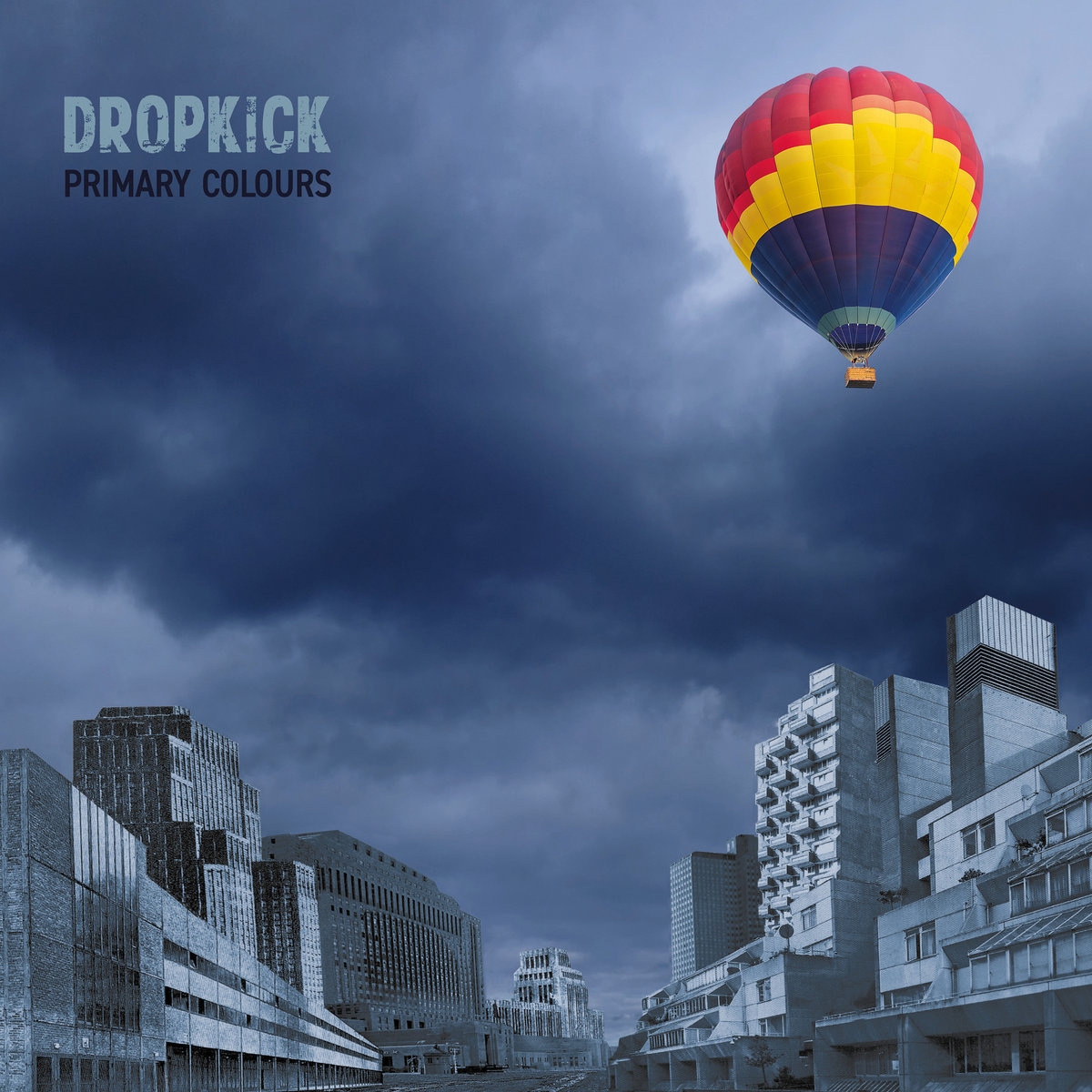
Primary Colours is the second album released by the current trio version of Dropkick (Taylor on vocals, guitars and drums along with Ian Grier on keyboards and bass guitar and Alan Shields on guitars and vocals). As on their previous album The Wireless Revolution, the trio are tight and somewhat more muscular than some of the previous line ups. The songs (10 in total) are all short sharp sonic treats, rarely straying beyond the three minute mark and they eschew the more bucolic elements which characterised songs such as Clouds on the last album. Taylor does turn it down a notch on the wonderful lament which is Too Much Of The Same, a halting, mainly acoustic song with a mournful harmonica solo which finds him kind of apologising for just being an ordinary guy. For the remainder of the album however, the guitars are set to stun.
The album opens with a sweeping and joyful blast of jangled pop rock on Left Behind. The words have a Gene Clark like mystique as the band glide and then totally take off around the two minute mark on an uplifting middle eight which paves the way for a perfect guitar solo which has McGuinn stamped all over it. Stick this song beside anything from The Byrds’ album Younger Than Yesterday and it stands tall beside any of them. It’s hard to beat this but the title song has a good go with a more Beatles’ like guitar charge and Till It Goes churns it up quite wonderfully with an oh so brief tangled guitar solo.
As on the previous album Al Shields gets to write and sing one of the songs, offering some contrast to Taylor’s eternal sunshine. Highs And Lows barges in with a grungy guitar rush which, along with his vocals, is reminiscent of REM back in the college rock years while it features what is perhaps the meanest, most snakelike lead guitar break on the album. They close the disc with Waiting For The Rain, another song with a drop dead gorgeous rush, glorious vocals and yet another terrific sinewy guitar break.
Primary Colours finds Dropkick in more than fettle and it’s a shame that they are not more lauded. Buy the album and spread the word, you know that makes sense. In the interim, the band will be playing songs from the album on an upcoming tour of Scotland along with a brief foray into London
Although the Paisley Underground was a somewhat nebulous concept, there’s little doubt these days that The Rain Parade’s debut album, Emergency Third Rail Power Trip was the quintessential album of this short lived phenomenon. Released in 1983, the album was an astounding update of the psychedelic sounds of bands such as The Byrds along with several acts who had appeared on the seminal 60s collection, Nuggets.
Helmed by Matt Piucci and brothers, Dave and Steven Roback, the band leaned heavily into their psychedelic forebears, swimming very much against the tide after punk had all but cancelled out the sixties and challenging the shiny new wave pop which was then commanding the charts.
Originally only available as a limited Record Store day release, this deluxe reissue contains the original album remastered (and sounding fresh as a daisy) along with a second disc of demos and live recordings selected by Piucci and Steven Roback. There’s a definite adrenaline rush that hits you as the original album spirals out with the opening song, Talking In My Sleep, replete with chiming guitars, bulbous bass and Eastern scales which immediately induce a 60s’ lysergic daydream, a dream amplified when the following song This Can’t Be Today weighs in with more than a nod to the English variant of psychedelic music. There’s Alex Chilton like desperation on Carolyn’s Song and Look At Merri still sounds as if it were recorded by The Velvet Underground had they hailed from the west coast.
It goes without saying really that, if you haven’t got this album then it’s a must buy, simply for its sacred grooves and the groove which emanates from it. The carrot here is the extra disc which adds 13 songs to the package, a mix of demos and live tracks, six of them ultimately appearing on the album. It opens with a version of What She’s Done To Your Mind, released, as a single which is much less ethereal than the album version and which clings to the sound of The Byrds circa Younger Than Yesterday. The demos are, as expected, tentative and pretty much unadorned but an exciting insight into their journey while 4 track versions of This Can’t Be Today, I Look Around and Look Both Ways are a step towards the final versions to be heard on the completed album but with a raw energy in them. Six songs, (including Saturday’s Asylum, First Of September and Paper Girl), recorded live, might be lacking in hi fidelity but, cranked up loud, allow that the band were a power on stage. Speedway is a turbo charged instrumental with nods to garage band surf music while they stumble quite wonderfully through their version of Syd Barrett’s No Good Trying.
Overall, this expanded version of an already classic album is well worth a listen and it’s great that it’s no longer confined to those who choose to queue up for a rarity. It’s available as a double vinyl album and a two disc CD set
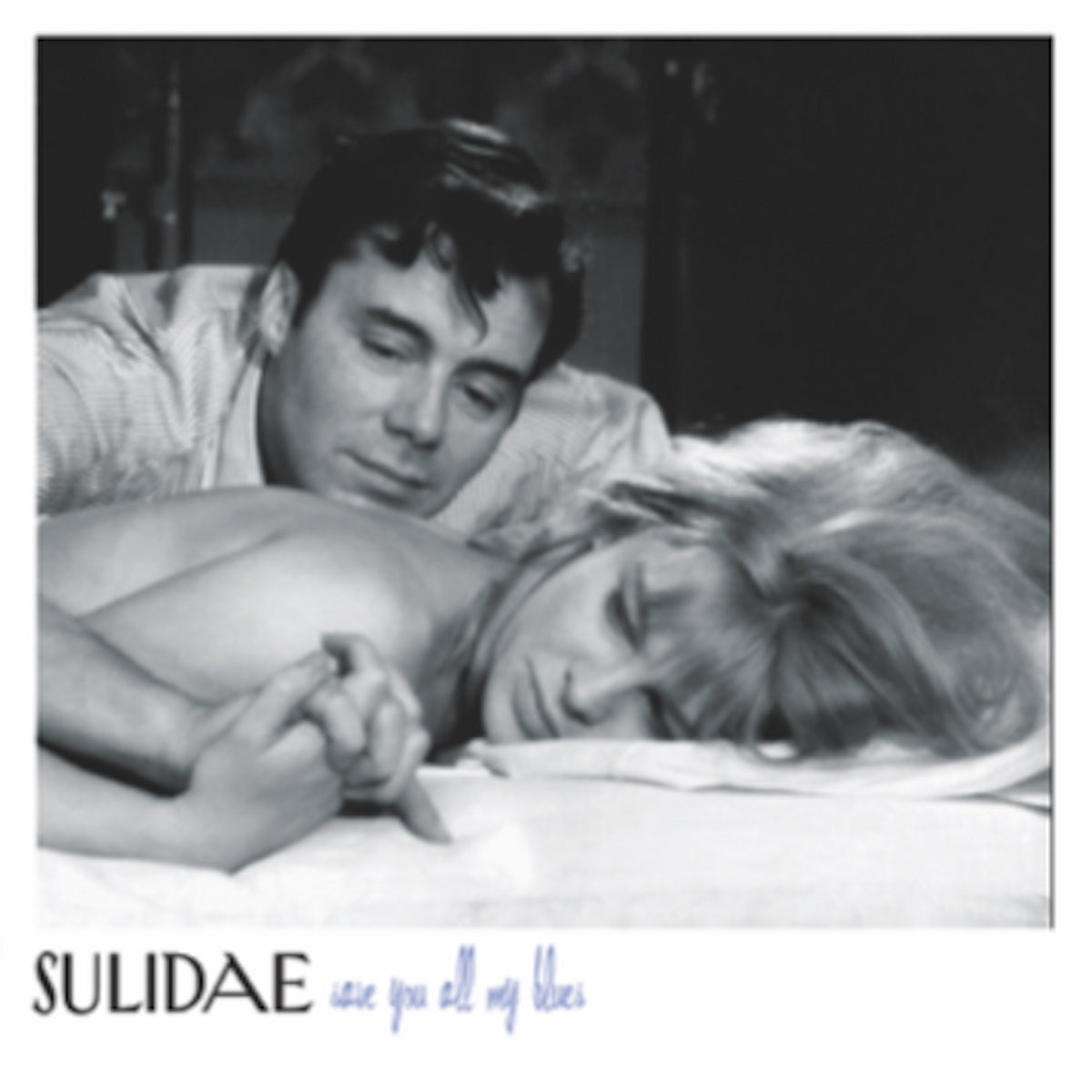
Blabber’n’Smoke was much taken with Sulidae’s second album … Invincible Summer and we were fortunate enough to catch one of the launch gigs for the album in Glasgow’s Glad Café. Today sees the release as a single (with accompanying video) of one its outstanding songs. Co-written by Bobby Motherwell (AKA Sulidae), James Grant and Bobby Bluebell (some well kent names for sure), Save You All My Blues was filmed with the three songwriters (along with the legend that is Fraser Speirs) at the Britannia Panopticon in Glasgow and on location in Motherwell’s home base of Howwood.
It’s a gorgeous song and a gorgeous video, an extremely tempting invite to investigate the album for those unfortunate enough to have not heard it yet. Of the song itself, Motherwell explains, “The song was written as a resolve to A Letter and a Blessing (the first single from the first album Kitchen Sink Dharma) which was a breakup song. I wanted the couple who broke up so bitterly in A Letter and a Blessing to come together again at some point further down the line and realise that there was still a flame that burned, and that each couldn’t ‘countenance a life without you’. I wanted a happy ending I suppose”. We’re not too sure about that “happy ending” but there’s no doubt that this is a song which speaks to the heart.
Aside from Save You All My Blues, the single’s B side contains four songs recorded at the Edinburgh album launch. Accompanied by Blue Rose Coders’ Lyle Watt and Andy Lucas, Motherwell delivers that initial breakup song (A Letter And A Blessing) along with Why Are All The God Guys Gone?, That Moment and Lochwinnoch/Parting Glass, all four songs a fine souvenir for anyone who went to either of the launch shows.