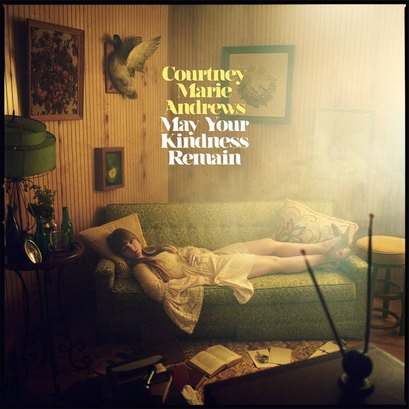
 If many listeners felt that the spirit of Joni Mitchell hovered around Courtney Marie Andrews‘ hit album of last year, Honest Life, the broader palette of this follow-up should be food for thought. True, Andrews can still evoke Joni’s austere tundra ballads but May Your Kindness Remain is of a richer texture than its predecessor, less inclined to wander a folksy trail, preferring instead to delve into Gospel, soul and country rock. Produced by Andrews and Mark Howard and recorded mostly live in a house in LA the organ work and sinewy guitar recalls The Band at times while Lowell George’s Little Feat surely inform at least one song here. As for muses, this reviewer indeed muses that Aretha Franklin and Laura Nyro may have been on Andrews’ mind when she recorded these songs.
If Honest Life was a set of personal observations then May Your Kindness Remain casts its net somewhat wider as Andrews delves into what she sees as a nationwide malaise with relentless redevelopment, anti immigration forces, opioid dependency causing untold grief while she also inhabits the personal political with some atypical love songs. Above all she continues to sing in a glorious manner while her songs remain elegantly crafted, each one here pitched to perfection with memorable hooks and intriguing melodies and all wrapped up in a warm production somewhat akin to Daniel Lanois’ infamous ambient feel as on Dylan’s Time Out Of Mind.
The album opens with the elemental surge of the title song couched in Gospel tones as it builds in intensity from its reverential opening into a glowering guitar solo and then soaring to the heavens with CC White’s gospel voice adding some heft to Andrews’ voice. Next up is a song which could easily sit within Honest Life, Lift The Lonely Heart, while at the same time it could as easily have featured on Emmylou Harris’ Wrecking Ball. Andrews does recall Emmylou here in her singing while the reverbed guitar and swooning organ are evocative of that album. Lyrically Andrews revisits her lonesome travails of the previous album and altogether the song puts paid to any notions that May Your Kindness Remain is a Judas moment for those who wanted a remake of honest Life. In a similar vein Took You Up is a travelogue come love song, a long distance romance with some glorious guitar work from Andrews while Rough Around The Edges is a stark American version of a kitchen sink drama with a saloon bar like piano adding to the desolation.
There’s so much to savour here as Andrews gets into a chunky country rock vibe on the vividly painted death of the American dream that is Two Cold Nights In Buffalo and then slips into Little Feat territory with her tale of a racist sheriff on Border while This House is a homily to the idea of home redolent of sweet memories with a whiff of both Little House On The Prairie and the white picket fences in David Lynch’s blue Velvet. There’s more country soul on the powerful Kindness Of Strangers, a song written after a musician friend died from an overdose, a song of hope despite despair and then there’s the initially upbeat I’ve Hurt Worse with Andrews listing the reasons she likes her honey which soon dissects the relationship portraying it as bereft of mutual respect leaving her stoically enduring his selfishness.
The album closes on a high note with Long Road Back To You which is stuffed full of American yearnings; a road song, a love song, the romance of Kerouac and all who ride the roads waiting for money wired at gas stations and cheap motels. The song glides along with a soulful feel with CC White again on backing vocals and one imagines that it’s a song which could enter the canon as it sums up a scenario as succinctly as the likes of The Last Picture Show did in film. It’s simply superb and a perfect closer to a sublime album which cements Andrews’ status as a major artist.
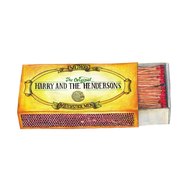 Listening to the seven piece Glasgow band Harry and The Hendersons is a bit like time travelling back to the early seventies when the bands had groovy clothes, long hair and were interested in Eastern mysticism. Taking elements of LA hipness (CSN&Y and such) and Notting Hill squats (Quintessence, East of Eden) they conjure up a fine pot pouri of sounds on their debut album. A string section introduces the opening number Transcendental Meditation with the band’s excellent harmonies well to the fore before the song settles into a guitar based groove with echoes of Dave Crosby’s work woven into it. Meanwhile Matchstick Men, the second song, is more baroque in its delivery, the harmonies again one of the main features here while the strings dance around a gritty guitar figure ending in a guitar/fiddle duel of sorts and the addition of flute to the fluttering freak folk of Chromophobia harks back to the seventies while also challenging the work of peers such as Trembling Bells. There’s even a five piece suite, Apollo’s Vision, which allows the band to wander hither and thither with willowy flute, Crosby like scatting and Tolkien imbued fantasy. There’s a wonderful moment in the segue between the sections, Medieval Weather Report and The Milkman, where they perform an audacious handbrake turn from prog folk to a Grateful Dead guitar noodle. Had this album been released on Vertigo or Deram back in ’72 it would be a collector’s item but it’s here and now and, having seen The Hendersons live, we can confirm that they can carry off this time travelling lark excellently on stage.
 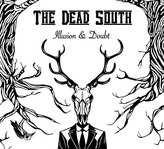 The Canadian four piece punky bluegrass outfit’s 2016 album gets a UK release to tie in with dates coming up in April. A frenetic collection of songs peopled with some ghastly characters knee deep in mud and blood and gore this is a tremendous listen. While songs such as Dead Dog Isle rattle along with a grim fury reminiscent of The Violent Femmes there are also numbers such as Smoochin’ In The Ditch and Time For Crawlin’ which are almost pure bluegrass while Miss Mary vamps along like a jug band on amphetamines (along with some particularly gruesome lyrics). There are some epic tales on show here. The Massacre of El Kuroke adds a Morricone touch to their sound with some sly slide guitar adding to this very cinematic song while Gunslinger’s Glory, the closing song, weaves between a bone rattling gallop and a woozy funereal waltz with strings adding a macabre touch. It’s all great fun with the band firing on all barrels and one suspects that these songs will fly from the stage with fire and fury.
  Johnny Dowd continues to eviscerate Americana on this wonderful collection of popular songs from the past which are chewed up and spat out by Dowd in his unmistakable style. The album opens with a manifesto of sorts on the updated Execute American Folklore (Again) and it’s hard not to express a chuckle when this Residents like caustic surge of electronica mutates into Dowd’s delivery of Twinkle Twinkle Little Star. We all know this lullaby but here it’s a bad dream vividly reimagined, more akin to Der Struwwelpeter than Disney with Anna Coogan’s operatic voice adding to the disquiet. Like a mad scientist let loose in a laboratory of steam punk synths Dowd plays all the instruments on the album; farts, parps, clangs and ominous hisses permeate the disc sounding like Krautrock meets the Clangers at times. Songs such as Going Down The Road Feeling Bad, Red River Valley and Tom Dooley are punched into submission. St. James Infirmary Blues is spoken like a beat poet suffering from a benzo famine and John The Revelator is full on biblical fury as the synthesized sounds beep and warble while there’s more biblical darkness on Job 17:11-17 with Dowd coming across like a Manson type prophesiser although the song morphs from its biblical origins into an electro funk invitation to a Friday night funky party. Dowd’s reworkings of these songs are bizarre and challenging but he’s continuing in the tradition of others, taking the songs and adding his own distinctive twist. I challenge anyone not to listen to his take on My Darling Clementine without a smile appearing.
 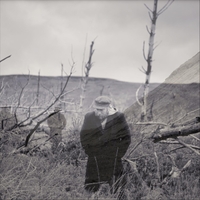 Irishman Matt McGinn might share his name with an infamous Glasgow singer and writer but he’s one of Ireland’s foremost artists. His 2013 album Latter Day Sinner was one of The Telegraph’s top ten folk releases of that year and he has played Nashville’s famous Bluebird Cafe and shared a stage with the likes of Elvis Costello, Nanci Griffith, Crowded House and Crosby Stills & Nash. Latter Day Sinner was an excellent collection of Celtic tinged songs which at times recalled Blue Rose Code’s similar forays into that hinterland but The End of The Common Man is a much more robust beast concerned as it is with many of the current woes of the world. There are still sweet moments of glistening folk but much of the content is informed by McGinn’s anger (and bewilderment) at the state of things – populist leaders, corporate greed and an increasing groundswell of warfare across the globe.
 Peace on earth or at least peace on Wolfe Island, the island musical community nestled between Canada and the USA close to the great lakes which Chris Brown calls home for much of the time. An acclaimed producer and multi instrumentalist, Brown has helmed several albums we’ve reviewed in the past including the mighty debuts from
 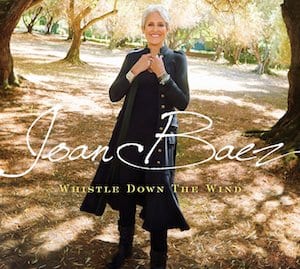 What can one say about Joan Baez that hasn’t already been said? An icon of the folk and protest movement of the sixties, she moved into the seventies on a roll charting with The Night They Drove Old Dixie Down and releasing what was perhaps her most accomplished album, Diamonds & Rust, while reuniting with her old buddy Bob on The Rolling Thunder tour. Since then she’s continued to record and continued to be an activist, garnering awards and accolades across the globe. Her last release, Day After Tomorrow, from 2008, showed that she still had her finger on the musical pulse produced as it was by Steve Earle and featuring songs written by Tom Waits, Elvis Costello and Earle himself.
 We first encountered Italian Guy Littell back on 2014 with his laid back release,
  Texan Keegan McInroe has had enough and he lets us know on his aptly titled album with nine songs delivered the way Woody Guthrie, Pete Seeger and even Bob Dylan used to do it. Talking blues, gritty political protest and even some humour rub shoulders here as McInroe takes the world to task. He goes us back to the trenches of 1914 with a splendid narrative on the famous Christmas truce on Christmas 1914 while Bombing For Peace points out its evident contradiction with as much fervour and profanity as The Fugs, indeed the spoken word Nietzsche Wore Boots could have been ranted by Ed Sanders back in the days. Big Old River casts a cold eye on the current state of affairs accompanied by a gritty and gloomy organ groove and, presumably with a view to irony, McInroe uses a Kristofferson melody to cast his story of a young Egyptian radicalised on The Ballad Of Timmy Johnson’s Living Brother as a Western ballad. The opening Talking Talking Head Blues is a superb stab at the media prophesising catastrophe and setting up bogeymen while feeding us with celebrity trivia and there’s a very brief return to this format on the one minute long Bastards & Bitches. McInroe does end the album on a defiant note with the upbeat anthem, Keegan’s Beautiful Dream, his very own We Shall Overcome. Old fashioned but incredibly topical the album is a tremendous listen and you can get it on a pay what you like basis from his
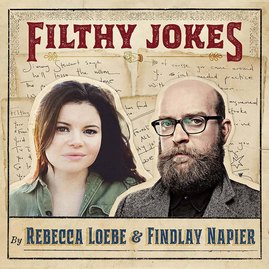 Hot on the heels of his Glasgow album Findlay Napier has teamed up with American songwriter Rebecca Loebe for this six song EP, released to coincide with their current UK tour. They met at a song writing retreat back in 2016 and just clicked and it shows here. All the songs are co-written and both take a turn on lead vocals while their harmonies are spot on. Four of the songs seem to concern romance whether failed or hopeful. Napier offers some Glasgow based locations on the rueful Bad Medicine while Option To Buy, a delightfully woozy ramble, has him reluctant to tie the knot. Loebe meanwhile gives us the achingly beautiful Kilimanjaro which is somewhat opaque but to this listener seems like a settled couple having their youthful aspirations realised via their daughter’s use of Photoshop. Filthy Jokes is another attention grabber as Loebe sings of her wonder at a relative (or friend), a bit of a slob it seems whose sole talent was for telling filthy jokes (including that one about the aristocrats), finally getting hitched. An excellent strum-along it has brilliant ending with Ms. Loebe almost chuckling before a banjo plinks the song out. The EP is topped and tailed with two versions of a New Year song, Joy To The World, I Guess, the pair wrote with Loebe singing the opening version and Napier the latter. A bit late right now but this is a song to flag up once the festive season comes around again (and surely that’s the mark of a great festive song). Loebe’s version is lightly sparkling, a Prosecco dappled version with the guitars bright and the harmonies sweet while Napier’s is more desolate with a true wintry feel. Both end in a brief rendition of Auld Lang Syne and both are wonderful in their own ways. It’s definitely a temptation to see this pair on their brief dates this week on the basis of this EP. Meanwhile it’s available free (or for the price of a coffee)
 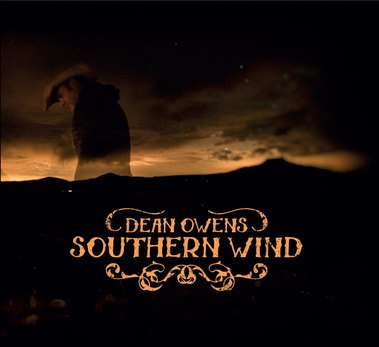 Launched at a fabulous live gig at the tail end of Celtic Connections and officially released last week, Southern Wind is the latest instalment in Dean Owens steady rise towards the top echelons of Scots musicians. As with 2015’s
 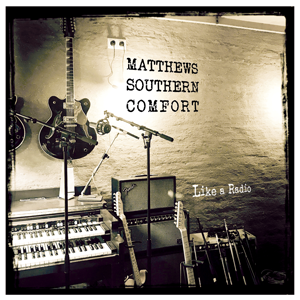 The name certainly transports us back to 1970 when Matthews Southern Comfort hit the number one spot in the charts with their cover of Joni Mitchell’s Woodstock, perhaps the first record featuring pedal steel that Blabber’n’Smoke bought. A rare moment in the spotlight for singer/songwriter Iain Matthews, Woodstock is merely the tip of the iceberg when it comes to his illustrious career. A founder member of Fairport Convention, he released three albums under the Southern Comfort band name before going solo and releasing a magnificent series of solo albums commencing with If You Saw Thro’ My Eyes including a collaboration with Mike Nesmith on Valley Hi. Alongside this he was a member of Plainsong who released one of the best “forgotten” albums of the seventies, In Search Of Amelia Earhart, (do search it out) but as time progressed changing fashions and record label shenanigans led to him take more of a back seat in the industry. Moving to The Netherlands in the early noughties Matthews has been involved in various reincarnations of his past bands over the past decade and this album finds him working with guitar wizard B.J. Baartmans along with Bart de Win on keyboards and guitarist Eric Devries.
 The first thing folk might notice about this band (and this album) is the name, Casey Kristofferson, nestled in the band line up. Yes, she’s the daughter of Kris and Rita and she’s one third of this unassuming trio from North Carolina. She sings and writes several of the songs along with Hunter Begley who also sings and plays guitar while lap steel player Charlie Willis completes the band. It’s Begley who is at the helm, his voice the lead on many of the songs and he takes the trio down some dusty roads, his tired and weary take on life’s hiccups somewhat splendid while the overall sound is laid back with a winning lack of polish. Willis’ lap steel gives the album a sweet curl, sounding almost like Leon McAuliffe (of The Texas Playboys) while a slew of guest players (especially fiddler Lindsay Pruett and pianist Matthew Rowland) allow them to gently rock out on a couple of the songs with the rhythm section of Herschel VanDyke and Robert Parks unobtrusively pushing the songs along.
 OK, this album’s been kicking around since last October but it’s only recently that Blabber’n’Smoke acquired a copy and one listen propelled it straight to the top of the reviews bundle. Malojian is essentially Irishman Stevie Scullion and Let Your Weirdness Carry You Home is his fourth long player. It finds him moving on from the melodic folk based songs of his early albums to a full blown psychedelic fuzziness souped up with a fine dose of power pop. There are healthy nods to Beatles whimsy, Donovan dippiness and Jeff Lynne’s grasp of pop with Scullion wrapping them all up into a very attractive package.