Eric Ambel. Lakeside. At The Helm Records

61ceyom7fgl-_ss500

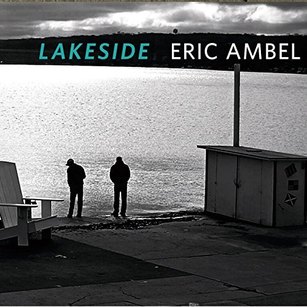
Glory be. An Eric Ambel album, only 12 years after the last one. To be fair Ambel (Roscoe to his friends) has been busy running his own bar in NY’s East Village (The Lakeside Lounge) while still producing a slew of artists for the past two decades. However his bar (and its famous jukebox) fell victim to rising rents and closed two years ago and it seems he’s had the time to come up with Lakeside and what a glorious rambling rock’n’roll creature it is.

A founding member of the Del-Lords and The Yayhoos,  Ambel has also been the guitar slinger for Steve Earle and Joan Jett and The Blackhearts while various incarnations of his own Roscoe’s Gang have come and gone. As noted above he’s an in demand producer with the likes of The Bottle Rockets, blue Mountain, The Backsliders, Nils Lofgren, Cheri Knight and Mojo Nixon all benefiting from his skills. Above all however is the fact that he’s a huge fan of music and Lakeside is a tribute of sorts to his lost and lamented bar with Ambel telling The Bedford and Bowery webzine, “I was working on the record before I even understand that the record really was about the Lakeside. It took me a while to understand that. It was influenced by stuff we had on the jukebox. Our jukebox was really great, and it was just our soundtrack.”

It must have been some jukebox as the album is a firecracker of ten songs that positively crackle and burn. There is a variety of sorts on the disc, a revved up version of Barrett Strong’s Money with Ambel aping Jerry Lee’s Star Club rendition over a stone killer riff and a sweetly distorted guitar rhapsody on the closing Cryin’ In My Sleep that goes all Santos and Johnny on us. Ambel nails his colours to the mast with Hey Mr. DJ where he decries the habit of employing cheap DJ’s to replace live music. It opens with a huge T Rex like guitar surge before forging on like lava destroying all in its path. With corkscrew guitar solos and pummelling bass and drums he sings, “Hey Mr. DJ play another song like the one you just played. Crank the drums, crank the bass, crank that shit all over the place”.

Ambel’s Roscoe’s Gang have oft been compared to Neil Young and it’s true that here he still abides by the Crazy Horse bible, that side of Young which sounds like a bar band about to fall over having had too much to drink (think here of Barstool Blues and Lookin’ For A Love, both on Zuma). So we get Have Mercy which is pumped up with razor sharp guitars and Don’t Make Me Break You Down with its slow burning groove and low rumbled guitar solos that meander throughout amidst crashes of cymbals. Buyback Blues is another delve into that honey slide narcoleptic twilight zone that Young once inhabited and, turned up loud, it’s shiveringly unnerving with Ambel’s desperate voice recalling the misery and mystery of Peter Green in his heyday.

There’s also the Sun studio kissed rockabilly pop of Here Come My Love (which would give Nick Lowe a run for his money) and the wide sweep of Let’s Play With Fire which toys with country rock. Massive Confusion is a Ramones like thrash which is a rush from start to end (1:54 minutes so it fits into the Ramones time limit) and there’s a brief pause for breath on the cover of Gillian Welch’s Look At Miss Ohio which is amped up but slowly delivered over a solid drum beat with squirreling guitars eventually rising to a crescendo before collapsing into a Hendrix Hey Joe riff at the end.

Overall Lakeside is ridiculously brilliant. It brims with evil guitars and attitude and should be on any self respecting listener’s list. Absolutely recommended.
website

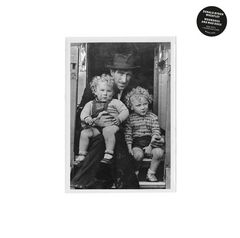
Donald Byron Wheatley. Moondogs and Mad Dogs. Maiden Voyage Recording Company

267934Life Is A Carnival sang The Band and for Donald Byron Wheatley it could be his signature song. A scion of a travelling fairground family Wheatley had a nomadic upbringing, setting up and dismantling show rides across the country, a wild and probably not so romantic existence but once the crowds had their fill of candy floss and cheap thrills and set off home Wheatley would listen to his showman father sing songs culled from the blues tradition along with his abiding love, Bob Dylan.  The young Wheatley learned these songs (he recalls singing along to Subterranean Homesick Blues, word-perfect, when he was six years old) and toyed with the idea of a musical career but life intervened, as it does. However that six year old Dylan aficionado resurfaced years later as Wheatley had to deal with adult issues; the death of his father, friends facing hard times and he found himself writing some songs. A musician cousin of his, John Wheatley, encouraged him to capture these in a studio and the pair headed off to Reservoir Recording Studio, a lucky strike on two accounts as it brought them into the orbit of Chris Clarke who runs the studios and is bass player with Danny & The Champions Of The World and Danny himself who was in the process of setting up a record label. Happenstance indeed but the upshot is that Wheatley can now proudly offer up Moondogs and Mad Dogs, a debut years in the making and adorned with a prime set of musicians including several of The Champs and pedal steel legend BJ Cole.
Like a musical Grandma Moses Wheatley is a primitive folk artist, his canvas the songs he heard growing up. Dylan is the prime mover. Several of the song titles nod to Dylan originals and he dots and darts throughout various Dylan eras, the amphetameanied talking blues of Subterranean Homesick Blues, Big Pink and The Basement Tapes, the red hot punk guitar assaults of Mike Bloomfield as Dylan transversed from folk to rock at Newport and Rolling Thunder Gypsy jaunts . But he also delves into Southern soul and funk (Not Tonight Josephine and Ten Dollar Jenny) along with the Romany wanderings of Ronnie Lane on Swalley Howell while there’s a nod to the pained solo recordings of John Lennon on Nothing, his voice smothered in echo uncannily akin to the late Beatle. He’s a grand wordsmith and half the fun here is in following the lyrics as there are unexpected twists and turns in the grand Dylan tradition as on the opening Life’s A Beach while Greenwich Village Blues is a wonderful capture of that time when Dylan et al invaded The Gaslight and it’s delivered with just the right amount of patina to allow the listener to wallow in the past.

On an album that’s unashamedly proud to wear its colours on its sleeve Wheatley transcends his influences coming across as a UK version of The Felice Brothers. The cracked voice, the sheer joy of the title song, the wracked and organ fuelled barnstorm of Smoking Gun are all delights but the best is on the blistering quicksilver ramshackle blues of Hand Me Down Leopard Skin Hat which, in a blind test, could easily be taken for a genuine lost Dylan song.

Website

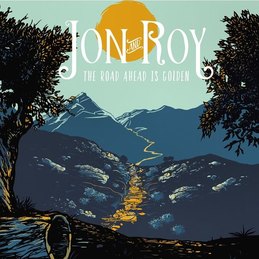
Jon and Roy. The Road Ahead Is Golden.

4086666Jon Middleton and Roy Vizer are a Canadian duo who have been steadily building up their profile over the course of six albums. Their 2012 release Let It Go was awarded a Western Canadian Music Award for Roots Recording Of The Year while they seem to have cracked that financial lifeline that is TV exposure with several of their songs appearing on adverts. Recorded in a rural studio close to the band’s base in Victoria on Vancouver Island The Road Ahead Is Golden is a relatively simple affair with Middleton on guitar and vocals and Vizer on drums ably supported by bass and keyboards; the songs relaxed and easy flowing with Middleton’s attractively wearied voice the main hook.

The album ambles along nicely, a relaxed effort that’s just the right side of MOR music, not too demanding as the guitars ripple over Vizer’s supple percussion. Middleton at times recalls Will Oldham in the vocal department but the mood is more reminiscent of Oldham’s revisiting of his songs on his album Bonnie Prince Billy Sings Greatest Palace Music. The opening song, Runner, sets the pace with brisk scrubbed guitar pushing the song along as a subdued keyboard adds some colour. Breakdown skiffles along with some fine key changes and The Better Life posits the rural life as an antidote to the information highway that many of us are locked into these days.

Clever One slows the momentum with delicate finger picking and electric piano to the fore while How the story Goes is short and sweet with female harmonies added to the mix but the band’s dependence on Middleton’s voice is laid bare on the instrumental Silent Lou which just kind of noodles along. Overall, the album rests squarely on the vocals although there are some nice touches such as the guitar break on the title song and the late night groove of Nothing But Everything.  It’s a disc to spin on a lazy afternoon with Middleton’s voice wafting over a cooling breeze.

Website


Jim Byrne. Ten Writers Telling Lies

bookimageTen Writers Telling Lies is an ambitious project. A book of short stories, an album of songs, a series of illustrations, all entwined and caught up in a lie which, in the end, is withheld from the reader/listener. It’s the brainchild of Jim Byrne, a Glasgow West End flaneur and songwriter who admits that he was somewhat tired of the normal “record some songs and release them cycle.” The light bulb moment occurred when Byrne was at a book reading, which ended with the author of the night and friends playing some tunes. Mulling this over afterwards Byrne decided to recruit some writers for a collaboration which would entail them writing a story or poem and lyrics for the songs he was sitting on. In addition he asked each of them to take a “selfie” each of which were then the basis for an illustration by Glasgow artist Pam McDonald. The results, all included in the book, follow in the footsteps of the renowned Alasdair Gray who typically would enliven his books with intriguing illustrations although McDonald sets her own style.
At the heart of the project was the somewhat nebulous idea of the lie. Here Byrne was somewhat ahead of the pack as he conceived of the idea long before the issue of “fake news” became commonplace. Anyhow, Byrne states in his introduction that all involved were to agree to lie about a particular aspect of the project to the extent of signing a document forbidding them from revealing this “lie.” It’s a tantalising aspect, a challenge to discover the lie (and which, so far, we haven’t fathomed) but ultimately there’s no need to go all Tin Tin and investigative as the package works brilliantly on its own two feet. You can consider it as an anthology of new Scottish writing (to which it stands up well) with an album of songs to listen to as you read or try to match up the hidden threads which bind the project together.

So there are stories and poems about adolescent courting, rural surgery, beatnik dreams, termination blues and cross dressing priests. As in all anthologies there are different styles and themes but it’s an enthralling read and, if nothing else, a fine introduction to each of the writers. As for the music, Byrne excels. As befits the collaborative element of the project there’s a fine degree of variety on show here although it’s all helmed by his fine voice, at times lugubrious, plaintive or occasionally crooning. There’s a lengthy list of contributing musicians, singers and spoken work participants and the songs range across gospel themed laments, Celtic airs, Ronnie Lane like folky jaunts, Mexicali border dustiness, creamy pedal steel country and finger popping rock’n’roll. Variety for sure but it all hangs together with the overall sense of the album a peek into the human spirit and the many ways in which it can encounter adversity and try to overcome it. From the weeping fiddle that opens Burdon Of Your Cross, a song that recalls Johnny Cash’s religious songs, to the closing Promise That We’ll Meet Again, sung by Elaine Fleming and delivered with a folk purity with Byrne finger picking on acoustic guitar it’s a joy to listen to. There’s tenement gallousness in the spoken parts on Sweet Gone Tomorrows, All This I Learn From A Kiss is a gloriously warped waltz and Blood On Your Hands is a heart melting country duet with Byrne and Dinny Shuff doing their best George and Tammy.

The writers are Stephanie Brown, Pat Byrne, James Carson, Samina Chaudry, James Connarty, Pauline Lynch, Calum Maclean, Gillian Margaret Mayes, Micheal Norton and Stephen Watt. You can read more about the project here.

For a man who says he was somewhat jaded this project has certainly invigorated Byrne. It’s warm, evocative and exciting and well recommended. There’s a launch show at Cottiers in Glasgow this Thursday with readings and music and the book and album are available here. 


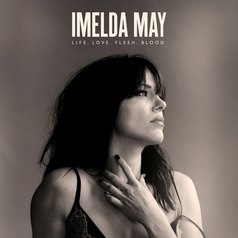
Imelda May Life. Love. Flesh. Blood. Decca Records

life-love-flesh-blood-album-coverMuch has been made of Imelda May’s new direction following her marital split and her hook up (professionally) with T Bone Burnett for this album which promised to move on from her rockabilly with a bodhran premise. On stage she has ditched the fifties themed polka dots and teased hair coming on instead like Chrissie Hynde’s sister with rock chick chic but Live. Love. Flesh. Blood , despite trailing credentials to die for, remains resolutely in the middle of the road. As with her previous manifestation which was a somewhat diluted version of Cramps lite rockabilly, here she attempts to croon like  Patsy Cline or dive into the badlands of Mexicana but there’s little sense of daring and despite Burnett’s awesome heritage he fails to inject any real passion into the album.
Several of the songs just fail to achieve lift off. They may seem impressive but like Howard Hughes’ Spruce Goose ambition defeats design and delivery. The vampish Bad Habit harks back to songs like Love Potion No 9 but it fails to swing and the thrash of Leave Me Lonely abandons all subtlety sounding somewhat like Cher. Similarly, Should’ve Been You has a drum sound that sticks out like a sore thumb while Imelda’s voice seems to stretch for the high notes without having undergone a warm up beforehand. Much more successful are the quieter moments, the opening Call Me a delicate late night murmur with some sweet guitar that recalls Van Morrison’s Crazy Love while Black Tears is a Patsy Cline like bar room swoon with guest guitarist Jeff Beck adding some swell retro guitar slide. Sixth Sense is a nod to May’s previous good girl gone bad rockabilly mode and it slinks along with a fine atmospheric patina while How Bad Can A good Girl Be is soaked in Mexicana romance. Levitate roams around in similar territory and here the band and May do conjure up a romantic moment with guitar and strings sensual and seductive. May closes the album with an acoustic based number that may be somewhat autobiographical on The Girl I Used To Be. With a very slight Celtic folk lilt to it, it kind of highlights May’s dilemma, straining for the mainstream while trying to retain some roots. Ultimately, the record is destined for fairweather listeners and as such will probably sell a bundle.

Website


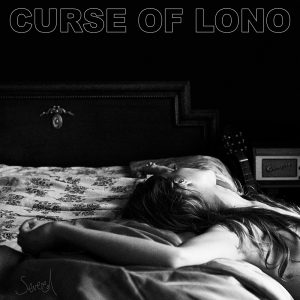
Curse Of Lono. Severed. Submarine Cat Records

subccd012_severed_pack-shot-300x300Curse Of Lono features Felix Bechtolsheimer and Neil Findlay (both from the late roots band Hey Negrita) along with Joe Hazell, Charis Anderson and Dani Ruiz Hernandez. Very much a vehicle for Bechtolsheimer the band were awarded rave reviews for their debut EP late last year and on Severed they  expand much of what was on show back then.  The album seesaws between glossy and slick rock grooves and a looser rootsy feel. One moment they’re heading down a Doors influenced LA freeway (London Rain), next they’re exhuming Blind Willie Johnson’s Dark Was The Night, Cold Was The Earth for the introduction to Just My Head. It does make for a somewhat discombobulating listen at times as if the band haven’t quite decided what direction they should aim for and ultimately, for a band who have named themselves after a Hunter Thompson book, there’s no sense of Thompson’s Gonzo edginess here.
They do start off with a bang on Five Miles with Byrds’ like vocals and growling electric slide guitar over a pulsating bass beat before tribal tom toms introduce more growling guitars on Pick Up The Pieces. It’s an adventurous song, Adam and The Ants seguing into The Doors and packed with hooks as it chops and changes rhythm before a fine guitar solo and Manzarek like keyboards burst out before an abrupt end. Those keyboards feature heavily on the dark rumble of London Rain with Bechtolsheimer narrating in his best voiceover voice like De Niro in Taxi Driver. Send For The Whisky almost bridges the gap between the gloss and the roots as behind the pummelling drums and squirreling guitar there’s some tradition peeking through although the chorus seems somewhat indebted to The Stones’ Dead Flowers.

Each Time You Hurt is a fine and gentle acoustic ramble of the sort that The Lost Brothers do so well and He Takes My Place actually recalls the likes of The Ozark Mountain Daredevils from way back in the seventies, a soft rock version of mountain music. There are shades of The Felice Brothers on Welcome Home which has some wicked slide guitar before the gloom and glimmer of Don’t Look Down with its shimmering guitars and plaintive vocals closes the album.

Ultimately, Curse Of Lono are packed with potential. They have the chops to deliver some scintillating Americana themed rock’n’roll and by all accounts are a thrill to see live. Severed is a fine entrée and hopefully the band can go on to build on their strengths.

Website

Watch ‘Saturday Night‘, a short film based on 4 songs by Curse Of Lono. Directed by Alex Walker. Starring Grant Masters.


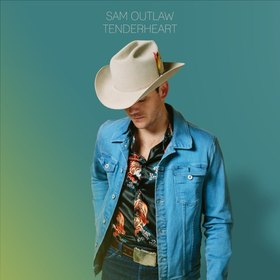
Sam Outlaw. Tenderheart. Six Shooter Records

tenderheart_3000px

On the back of his debut album Angeleno Sam Outlaw quickly became a critics and fan favourite with the record declared International Album Of The Year at the latest UK Americana Awards ceremony. He’s one of a new wave (sortish) of artists, male and female, who are eschewing the current Nashville wave of brash and brassy country pop rock preferring to dig deeper into the past. In Outlaw’s case he somewhat out on a limb as he’s out there in LA as opposed to East Nashville, Austin or North Carolina but he uses Los Angeles as a fulcrum for his music to the extent that he had the esteemed Ry Cooder produce Angeleno while LA Weekly stated that he was a “contender to be the biggest country star LA has produced since Dwight Yoakam.”

Tenderheart is less varied than its predecessor with the majority of the songs somewhat yearning although there are some muscular moments such as the guitar breaks on Diamond Ring. In fact much of the album has moments that recall the days when Waddy Wachtel or David Lindley were the guys propelling the songs and that leads us into the likes of Jackson Browne who Outlaw approximates on the excellent Bougainvillea, I Think which could have sat on Browne’s first album.

The album opens with the reflective Everyone’s Looking For Home which starts off well, brooding organ softly swelling with malleted percussion as Outlaw’s weary voice is cosseted by harmonies before a short crescendo of strings and horns disturb the peace briefly. Bottomless Mimosas is brimful of sweet country sounds, warm pedal steel and the soft shoe shuffle percussion waft the song along as Outlaw sings of a sense of ennui capturing perfectly the vacuity of everyday life. Here Outlaw captures perfectly his thoughts on Los Angeles. As he said recently to Rolling Stone, “There is something special about Los Angeles, a special sadness. There is a faded beauty that is here, that kind of strange following of dreams while dreams are being crushed in a regular basis.”

Outlaw roams across an LA musical topography. The title song is a soft rock ballad of the type that used to hit the charts but Trouble is more in keeping with the late Warren Zevon’s muscular approach although it lacks Zevon’s sardonic wit. Say It To Me  is dominated by some wonderful  zippy pedal steel over a heavy drum beat as it recalls the darker side of sun dappled Topanga Canyon days, latter day Byrds meets post Manson Terry Melcher. She’s Playing Hard to Get (Rid Off) is a riff on the country tropes of Merle Haggard (and George Jones)  while Two Broken Hearts is somewhat akin to Gram Parsons zoning into the Bakersfield sound.

Towards the end of the album Outlaw offers the smooth pop of Now She Tells Me, a sunny breeze of a song that’s almost in Jimmy Buffet territory and which disguises the lyrical content of a stalker’s grim thoughts. This is a glorious song and testament to Outlaw’s writing skills. The album closes with a raw sounding recording of Look At You Now which has Outlaw and a female chorus singing over a stripped down setting on a song that is replete with accusation. All in all a fine album that on the surface is a friendly listen but with some delving reveals a darker side. Somewhat appropriate for a paean to Sin City.

A regular visitor to these shores Sam Outlaw is appearing at Perth’s Southern Fried Festival in July.

Website


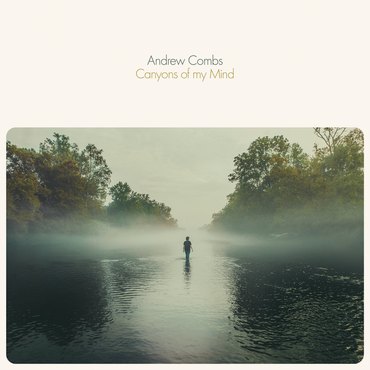
Andrew Combs. Canyons Of My Mind. Loose Music

a0602568844_10Andrew Combs‘ 2015 album, All these Dreams, catapulted him to the forefront of modern Nashville pop music. Away from the turgid embrace of the country bro’s he was mining a rich seam of sixties melodicism inspired by the likes of Roy Orbison and Jimmy Webb. His follow up, Canyons Of My Mind (a nod perhaps to Bob Lind’s mid sixties hit, Elusive Butterfly), is a more complicated affair, a heady mix of his tried and tested melodies with strings along with a tougher, punchier approach. This is evident from the beginning as Heart Of Wonder opens the album in dramatic fashion as his wavering voice proclaims, “I have run through the valley, I have stormed the shore” over a portentous beat. Like a storm cloud the song darkens, Combs glowers like an old testament prophet as a gnarly electric guitar starts to crackle before bursting into an angry solo over a insistent jangled piano. Riding the waves the song dips and rises before bowing out with a fierce sax solo leaving the listener somewhat exhausted.

It’s a bold start, an indication that Combs has something on his mind and it turns out that much of the album is inspired by his readings of the likes of Charles Wright and Jim Harrison, poets who have hymned the American wilderness. So while there are moments of countrypolitan bliss as on the free flowing Rose Coloured Blues (which recalls Glen Campbell) much of the album is darker, informed by ecological concerns and the current state of his nation. The lead single from the album, Dirty Rain exemplifies this as Combs sings of, “Poison River, muddy water…plastic people stacked in towers with nowhere to go.” That he sings the song in a plaintive voice over a building sweep of strings is dramatic, the end result like Roy Orbison singing a lyric by JG Ballard. Blood Hunters is a cold glimpse into a feral dystopia, the song fuelled by jagged shards of guitar while Bourgeois King is a parable which rails against the bourgeois king who wants to build a wall to keep us safe and promises to make the country great again. No prizes for guessing who this is about but Combs delivers it with a huge sonic palette starting the song out as a jagged bluesy wail before it descends into a smorgasbord of unleashed strings and flute recalling the free jazz of the sixties.

These diatribes sit within a brace of songs that continue in the vein of the previous album. Aside from the aforementioned Rose Coloured Blues there’s the Sixties gaslight romance of Hazel, part Greenwich Village, part Parisian chanson. Lauralee is unabashedly romantic recalling the sound of David Gates’ Bread while What It Means To You is a good old-fashioned country styled waltz. There’s a further twist as Combs slips in two songs, Sleepwalker and Better Way, which have a fine full bellied band sound with a prominent bass sound, the latter in particular indebted to the sound of Joni Mitchell circa Hejira. All together they add to the variety on offer but Better Way especially might nod to another direction this eclectic artist might follow.

Canyons Of My Mind is unquestionably a move on from its predecessor, a songwriter flexing his muscles and casting his eye around. Given the results Mr. Comb is shaping up to be considered in the same breath as the likes of Jackson Browne if he continues to forge ahead.

Website

Carrie Elkin. The Penny Collector.

the-penny-collector-thumbnail

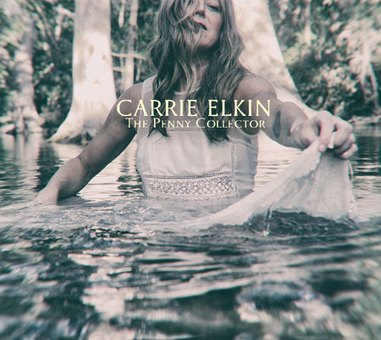
Carrie Elkin’s first solo album since 2011’s Call It My Garden is as diametrically opposed to its predecessor as one could possibly imagine. While Call It My Garden was full of chuckles and the sheer joy of playing The Penny Collector is a sometimes sombre affair. Written within a tumultuous year that encompassed the joyful delivery of her first child and the sorrowful passing of her father Elkin has delivered a meditative collection of songs with a wonderful production from Neilson Hubbard. Paying tribute to her father on several songs along with ruminations and memories, pain and loss and joy intermingled, the album gives full rein to Elkin’s glorious voice while red dirt Austin country gives way at times to an almost chamber folk sound filled with cello, violin and viola. The arrangements throughout are excellent as are the players. Producer Hubbard wields drums and percussion to great effect while Will Kimbrough on guitar is at times spectacular. There’s a heady mix of yearning ballads (at times reminiscent of Emmylou Harris’ best work), evocative American vistas and in the midst of these some sparkling, invigorating and punchy rock.

The album opens with the impressionistic Americana of New Mexico as a plaintive acoustic guitar is enhanced by Kimbrough’s atmospheric sunset squalls, the stage set for Elkins to embark on her voyage from birth to death as she sings, “I can feel the heart beat in everything around me,” her voice echoed by the harmony vocals of her husband Danny Schimdt. There’s a circle of sorts as Elkin closes the album with a similar sonic feel on the crepuscular Lamp Of The Body , the guitars again ethereal and the voices almost hymnal. In between Elkin revisits her youth on the excellent Tilt-A-Whirl which tilts indeed between quiet passages with Elkin recollecting the past and a defiant chorus suffused with the joy of youth. Live Wire is a tale of teenage rebellion with “daddy’s little girl” running off only to find it’s a wicked world and running back home. With an urgent pulse as the song progresses the band capture perfectly the restlessness and confusion of adolescence, the drums propelling the song, lyrical guitars slowing the flow mid song. My Brother Said rings with more confusion amidst an angry beat that is sweetened by a tremendous confection of keyboards and mandolin before a ferocious fuzz fuelled guitar erupts towards the end.

Elkin address directly the grim reaper on the sweeping ballad of And Then The Birds Came,  a song suffused with imagery that captures the emotions of bereavement, a moment of loss but also leaving space for those defiant saviours, memory and hope. It’s a sense that’s carried into the next song, Crying Out, which finds Elkin surveying her situation, hanging on to the blessings in her life, a man to hold, a baby on its way but still able to express her grief safely ensconced in her family.

The Penny Collector is an album of beauty. Wonderfully arranged and played, the songs nuanced, a mature reflection on the mortal coil. The album title came about as Elkin’s father was a coin collector and on his passing the family found his hoard of 600,000 pennies, all lovingly collected and preserved. As she says in the liner notes, “My dad had a way of finding value and delight in the tiny things that other people might walk past,” and Ms. Elkin has immortalised him with this excellent album.

Website


Cindy Lee Berryhill. The Adventurist. Omnivore Recordings

mi0004202229

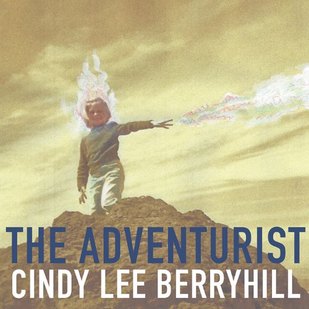
Cindy Lee Berryhill was a founding member of the “anti folk” movement in New York in the 1980’s before moving to California and delivering two albums that delved into the genius and naiveté of  Brian Wilson. Garage Orchestra and Straight Outta Maryville married her quirky songwriting to an equally quirky use of percussion, woodwind and strings not dissimilar to Tom Waits’ discovery of Harry Partch. The Adventurist is her first release in a decade, a decade in which much of her time was dedicated to her husband, the famed rock writer Paul Williams as he succumbed to an early dementia before dying in 2013. As is often the case and hurtful as it may seem a release from dementia frees loved ones to carry on, no longer the agony of trying to tease out a sense of recognition from the afflicted, a graceful end to a cruel disease. And so it was with Berryhill who, after Williams’ passing slowly returned to live performance and ultimately was able to record The Adventurist, dedicated to her late husband (and lovers everywhere) and which is a collection of songs described by her as “songs that reflected the love I had for him.”

The album revisits the Garage Orchestra era, the songs simple at heart but adorned with a variety of sounds, some exotic (strings, vibraphone, marimba, horns and glockenspiel), some mundane (including a dishwasher and a wall heater) but throughout Berryhill offers some fabulous melodies while her excellent vocals are often enhanced by some fine harmonies from friends such as Syd Straw. The lyrics deserve delving into, opaque as they are in not being simple love songs or memories apart from the fairly direct realities of caring for a loved one  on the sting driven baroque  pop of Somebody’s Angel. There are glimpses of the early rush of a new relationship within the lush guitars of Contemplating The infinite (In A Kiss) while the title song is a heady tumble into the unknown as Berryhill delivers an almost surrealistic fantasy that’s half sixties spy story and half safari, all contained within a dizzying spiral of strings and things, hammered plucked or picked.

There’s so much here to explore and the album repays repeated listening. There’s an immediate attraction to the opening song, American Cinematography, with its Beatles’ like guitar refrain (although the piano gets wackier as the song progresses)  and I Like Cats/You Like Dogs is a glorious slice of crunchy pop folk pumped up with magnificent scrabbled guitar dashing through the horns towards the end. Less immediate but ultimately as satisfying is the seductive swell of Deep Sea Fishing which floats on a fuzzy keyboard riff  and the towering Gravity Falls which is like slo mo grunge. Towards the end Berryhill strips her feelings down on the orchestral pop of An Affair Of The Heart, a melancholic yet defiant song which can be read as a farewell to her husband which pulses with the heartbeat of LA writers such as Gene Clark. The album closes with an instrumental revisit of Deep Sea Fishing retitled Deep Sea Dishing with Berryhill’s guitars set above the repetitive cycle of a dishwasher that mimics the sound of surf, a fine nod to one of her heroes and a reminder that at times The Adventurist recalls the minor classic that was Brian Wilson and Van Dykes Parks’ collaboration on Orange Crate Art.

The Adventurist ultimately is a triumphant return to the arena for Ms. Berryhill. It’s multilayered, challenging and exciting, her personal story transformed into art. A catharsis perhaps but it’s an album that would be worthy of the forensic pen of Paul Williams, the doyen of rock writing and a very fine memorial.

Website