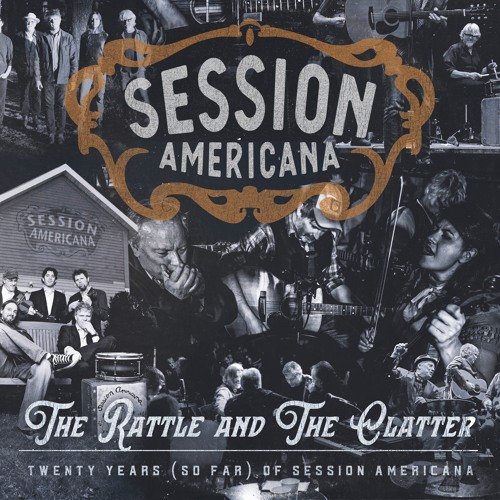
Session Americana. The Rattle And The Clatter

Despite having nine albums under their belt, Session Americana are not a band whose name is likely to trip off the lips in conversation. A shame really as this collective, originally formed around informal jam sessions in a pub in Massachusetts in 2003, have recorded with several well known performers such as Anais Mitchell, Kris Delmhorst, Laura Cortese and Jefferson Hamer (all of whom appear on this album). The Rattle And The Clatter is a retrospective collection, a best of if you wish, which plucks 16 songs from their nine albums so far (with a new one in the offing).

The album title comes from the second song here, a live capture of the band in a well burnished and sleek blues rock mode on Making Hay which originally appeared on a 2018 live album. From the same album, Rodney Crowell’s I Ain’t Living Long Like This is a turbo charged country rocker while another live cut (from 2011’s Live album) Doreen finds the band having fun on a rural mandolin fuelled song which recalls the likes of The Gourds. The audience certainly seem to be enjoying it as they heartily join in on this loose limbed fun number.

While the above should encourage one to check out the band live if you get the chance, the studio cuts here are all memorable also. Beer Town chugs along quite wonderfully in a manner reminiscent of the Colorblind James Experiment while Helena (written by Jefferson Hamer) is a sly mix of gothic horror and Byrds’ like harmonies and jangle guitars. The band do flit from style to style but, like musical chameleons, they always blend in.

With a basic core of Billy Beard, Jon Bistline, Ry Cavanaugh, Dinty Child, and Jim Fitting, the band have seen auxiliary members come and go and several of the songs here feature guest vocals although the liner notes don’t make clear who sings what. Nevertheless Trip Around The Sun features a female lead on a sublime song, replete with rippling strings while Love Changes Everything has Laura Cortese singing with the boys in the band on a song which recalls the heyday of The Nitty Gritty Dirt Band. We have to mention the opening song, Pack Up the Circus. Produced by Anais Mitchell, it sets the band’s wares from the outset. Wonderfully played, perfectly sang and rippling with a very cool country rock vibe it’s a grand start to what is an excellent album.
Website

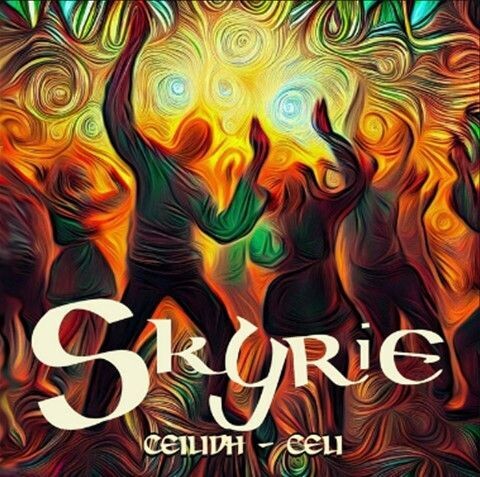
Skyrie. Ceilidh-Celi

So, what’s a ceilidh band doing here in the American –roots music infused pages of Blabber’n’Smoke? Much of it is down to simple intrigue. Skyrie, who recently performed at Celtic Connections’ Danny Kyle stage might play traditional Scots music but two of their members have what might be termed rock’n’roll backgrounds playing with acts as diverse as Nazareth, Big Country and Shirley Manson of Garbage.

The band are composed primarily of a trio, Lesley Thompson Smith on fiddle and whistle, Jimmy Anderson on guitar and bass, and Chris Smith on drums and bodhran, but often play live with an expanded line up. Ceilidh-Celi, their latest release was Celtic Music Radio’s Album of the Week back in September of last year and having listened to it we can understand why. It’s a grand listen, even without the benefit of a ceilidh floor to get up and dance to it.

When on stage the band have been described as being “Hotter than a goat’s butt in a pepper patch!” but the album is somewhat more restrained although there are moments when it’s hard not to at least get both feet tapping furiously, not least on the boisterous Virginia Reel where the band reach out across the ocean to add some Appalachian tones. Much closer to home is the Auchtermuchty Hat Dance, the title alone enough to draw you in but an excellent fiddle tune with Thomson Smith skirling and bowing as if possessed while Chris Smith’s bodhran is assisted by his skilful full drum set up giving the tune a propulsive beat. From the start, opening with a tune called Whisky on which Thompson Smith and Anderson display their respective skills quite excellently and there’s much joy to be had when they both take their turns to indulge in short solos. However, it’s when the band are truly locking step that the tunes are most infectious. In this they are ably supported on the disc by the award winning multi instrumentalist Fraser Fifield.

With tunes indulging in most of the favourite traditional ceilidh styles – reels, military two step, Gay Gordons and Strip The Willow – this album is just about all you need for a home made ceilidh. Roll back the carpet, get the drinks in and turn it up loud.

Website

Brown Horse. Reservoir. Loose Music

Loose Music have long proved themselves dab hands at discovering emerging American artists and releasing their albums over here in the UK. They’re no slouches however when it comes to home grown talent and their latest discovery, Norwich based Brown Horse, shows that they still have their ear to the ground.

The band, a six piece outfit, are grounded in the classic sounds of 1990s alt country. Listening to the album recalls days listening to off kilter songs by the likes of Granfaloon Bus, The Silver Jews and Clem Snide, or indeed, Loose Music’s own early sampler albums which were instrumental in bringing this strain of music to a wider audience.

Much of the album sounds endearingly home made in its execution. Accordions huff and puff, guitars and fiddles are scrubbed and scraped, the Felice Brothers come to mind at times, another band not afraid to sound as if they just tumbled out of bed and pressed the record button. The stall is set from the opening song, Stealing Horses, a wayward journey through tumbledown country rock, Neil Young grunge and Palace Brothers shambles mixed into one fine opening number but it’s eclipsed by the following title track which sounds as if it needs crutches as it limps (quite magnificently it has to be said) across a blasted heath of scowling guitars, plaintive banjo and wheezy accordion.

With singer Patrick Turner sounding suitably wounded and vulnerable across the tracks, he’s in need of support and the band set out some excellent scaffolding to support him. There’s a reliably chunky country rock feel to Shootback and Everlasting actually has some polish to it with a stately piano added to the mix while the lengthy Paul Gilley, a song about a drowned songwriter (the writer of Cold, Cold, Heart, and I’m So Lonesome I Could Cry, both hits for Hank Williams), approaches the best of the early Whiskeytown days. For those who want a full blooded Neil Young like guitar thrash then Bloodstain and Silver Bullet should satisfy that fix.

Outtakes, towards the end of the album is another accordion inflected wheeze which also features some very fine twangy guitar and they close on an intimate note with Called Away, a delicate and wistful song which, with its rippling guitars and slithers of harmonica, banjo and accordion, give it a fine back porch feel.

Reservoir is quite an astounding debut album with the band showcasing a true affinity with classic alt country and we’d suggest that you get a copy so you can tell folk that you were with the band on the ground floor. 

Website

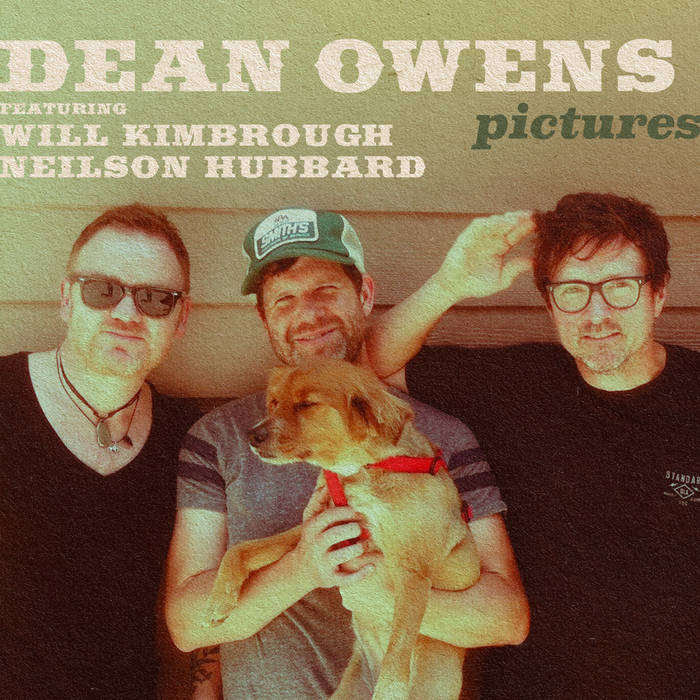
Dean Owens (featuring Will Kimbrough & Neilson Hubbard). Pictures. Songboy Records.

After his epic (and hugely rewarding) series of releases which dug deep into the sounds and legends of the American south west wilderness, aided by Calexico and other luminaries of the Tucson scene, Dean Owens returns to his own roots on Pictures, an album suffused with memories and personal reflections. It’s a welcome reminder that Owens, prior to his immersion into the torrid and dramatic Sonoran desert landscape, is equally as able to summon up the windswept romance of the Lothian hills and the daily grit of growing up in Leith, both detailed here with a huge sense of affection, almost rose tinted at times, tinged with regret for lost loved ones but leavened by some happy times.

Recorded during lockdown, Owens reached out to two of his erstwhile collaborators, Neilson Hubbard and Will Kimbrough who joined in on the endeavour from their Nashville base. Together, the trio hark back to the sound and feel of earlier albums such as Into The Sea and Whisky Hearts with Owens here firmly on home ground. A set of vintage photographs within the album cover are proof, if required, that this is a deeply personal album but we have to say that kudos are due to Hubbard and Kimbrough for their vibrant contributions (on guitars, keyboards and percussion),  giving the album a fully fledged band sound.

The album opens with Hills Of Home, a lilting slice of Celtic Americana if you wish, which finds Owens gliding over landmarks from his past as, presumably, he sets out on a transatlantic flight. His description of the bird’s eye view of his homeland soon migrates into a reminiscence of how he started off in the music business, back to the day when he first heard “the big music.”  He next dives deep into a love song, Pure Magic, on which he admits to his own blemishes, family traits from ancestors leading to mood swings (lion tamer and clown) and a hangover from his father’s stout (and much shared in the Scottish male) lack of patience. His salvation is in his relationship, his love, and it’s well expressed in a song which is gently borne along with sublime guitar and keyboards from his U.S. partners. In a similar vein, Neilson and Kimbrough add deft touches of piano and guitar to the sombre Sometime, a song which carries a seed of optimism and which can be seen as a thread of hope written when the world was, to all extents and purposes, shut down.

The spirit of Ronnie Lane looms large on Staring At The Lid (a song inspired by a saying of Owens’ father) which is enlivened by Kimbrough’s slide guitar and mandolin, perfectly evoking Lane’s raggle taggle travelling music and that mood is also present on Buffalo River, a delightful slice of whimsy which portrays Owens setting out on his adventures, protected by his ties to his homeland while Dalry Cemetery, an affectionate portrait of an ordinary but slightly eccentric  pair of characters is also reminiscent of Lane (and laden with Leithian lore). The past also looms large on Boxing Shorts, the most autobiographical song here on which Owens recalls his youthful endeavours as a boxer, paying tribute to his mentor with his band mates giving the song a slightly southern soul groove with punchy horns coming in at the end.

The album closes, much as it opened, on personal notes. Friend opens with Owens singing “We scattered your ashes in your favourite place…” as he offers a song soaked in loss, sadness and, ultimately, affection. It turns out that it’s a tribute to his late four legged friend, his much loved dog Alfie. Pictures, a slightly more upbeat number with the trio returning to the lilting airs of the opening song finds Owens commemorating his past adventures, his memories and his eternal ties to a friend (pictured on the album sleeve and to whom the album is dedicated) who has passed on. With a lonesome banjo dribbling out the last notes of the song it caps the album quite wonderfully. 

Website

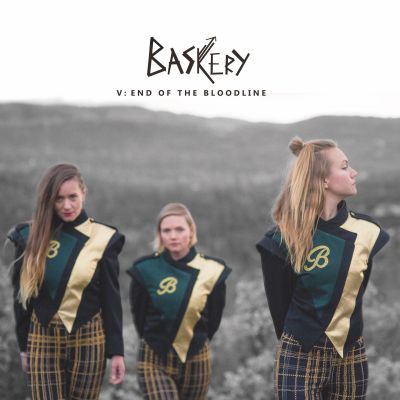
Baskery. V: End Of The Bloodline.

The three sisters, Greta, Stella and Sunniva Bondesson, who comprise Baskery, last released an album in 2018, Coyote And Sirens, and toured extensively in support of the album. Originally from Sweden, the trio by then lived in three different countries and when it came time to record a follow up album they were hamstrung by the Covid lockdown. Unlike many other artists who resorted to remote recording the sisters bided their time, each using their enforced isolation to write their own songs. Come the time it was safe again to mingle, they worked up the songs and decamped to Devon to record V: End Of the Bloodline with Sean Lakeman (The Levellers, Imelda May, Equation, Billy Bragg) in the producer’s seat. The sisters had met him when they toured with his brother Seth Lakeman and Seth appears on two of the songs here, playing viola.

Harking back to the coyotes named in the previous album, this disc is quite feral with the sisters rattling out of the traps on many of the songs. The most ferocious is Miss America which is whipped along with healthy doses of slide guitar and rattletrap percussion allowing the trio to sound like a love child of Tom Petty and The Violent Femmes. The opening song, Wolf Hook, while not as wild, finds them prowling in a southern swampish style with just the merest hint of Fleetwood Mac voodoo in its veins.

At times the band veers just a little too close to Stevie Nicks’ like chanteusing but they never fully fall into that trap. Little Lonesome Hate (with Seth Lakeman joining in) is a fully fledged slice of Child like balladry with the sisters playing excellently as the song takes flight while A Little Goes A Long Way is suffused with California power pop guitar. They close the album with some excellent sisterly harmonising on the rather gorgeous Birds Of Passage.

Website

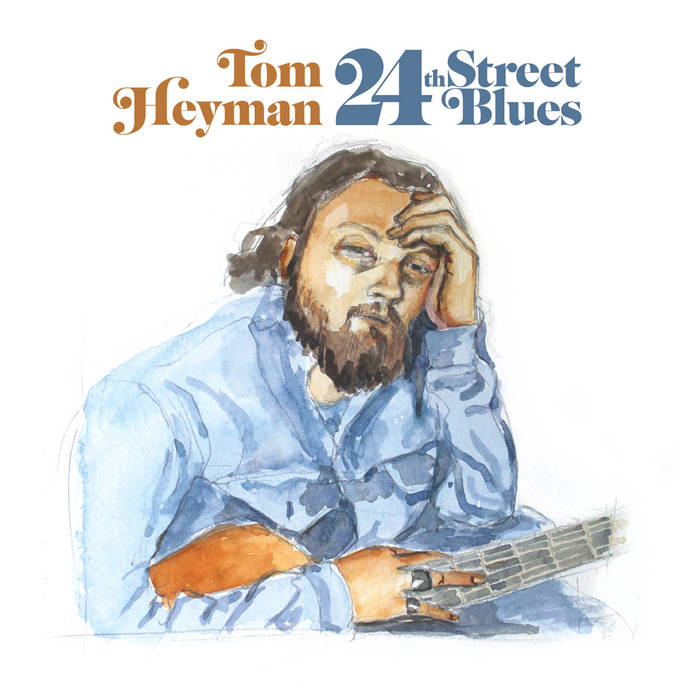
Tom Heyman. 24th Street Blues. Bohemian Neglect Recording Works

Back in 2012 Chuck Prophet released Temple Beautiful, his hymn to his hometown of San Francisco. It was a bright and vibrant record with many of the songs remaining highlights of his live set. Now, just a little over ten years later, Tom Heyman, a one-time member of Prophet’s Mission Express band records his experiences of San Francisco on 24th Street Blues, a decidedly lower key effort which is less focussed on past events and more in tune with the city’s denizens who are, in the main, worlds removed from the hi-tech industries which the city is primarily associated with now.

The 12 songs here are rough hewn, appropriate enough for the subject matter. Heyman, accompanied in the main by just a couple of collaborators (primarily Rusty Miller and Mike Coykendall) prowls through the songs, sweetening some of them with his sublime pedal steel guitar but never losing sight of the gritty reality he’s singing about. His characters are the jobbing day to day folk, those displaced by gentrification, those scrabbling to make ends meet. He follows in the footsteps of Jack London and Jack Kerouac, writers who could make San Francisco come to life on the page and who, like Heyman here, celebrated the daily grind.

The centrepiece of the album is the powerful The Mission Is On Fire, a grim song delivered in a dark and ominous manner. Inspired by a disastrous fire in the Mission District which claimed a life (Mauricio Orellana, to whom the album is dedicated) and displaced more than 60 residents, the site is now earmarked for a multi million redevelopment. Heyman’s anger and despair here is almost palpable as he just about spits out the refrain, “The Mission is on fire and some people are getting rich.”  However, it’s the lack of outrage after the inferno which fuels Heyman on the delicate following song Quit Pretending.

The album opens with the folky refrains of the title song with Heyman cleaving to a simple day in the life in San Francisco before bewailing the glowering cranes set to redevelop the city. Desperate is a more personal song (which is revisited at the end of the album) which finds Heyman seeking for a balm, presumably leading to his sojourn in San Francisco where he has found himself (and his wife) surviving in a somewhat bohemian music minded community.

There’s a brace of songs which paint portraits of youthful ambitions and failed promises. Mike Coykendall’s 12 string guitar adds a slight Byrds’ like sense to the story of Barbara Jean while Sonny Jim is given a slinky, somewhat cocksure strut. Much more sombre is the tale of a juvenile pair who deal drugs and run away on Hidden History. He’s banged up and by the time he’s out, she’s married with kids, another dream killed dead. Heyman nails this song which comes across like an Elmore Leonard story set to a lonesome pedal steel flavoured lament. And while Chuck Prophet’s ode to the Ford Econoline is a turbo charged driving song, Heyman drops into Steinbeck territory as his White Econoline is merely the mode to transport itinerant fruit pickers, today’s gig economy not much removed from those days of the Grapes Of Wrath. Back on a more personal note, Heyman delivers the most fully fledged rock’n’folk song here on Searching For The Holy Ghost which finds him accepting his lot as a citizen of San Francisco, in love with its romance and history and still settling in.

24th Street Blues is available in various formats including a package which includes the disc alongside a very handsome songbook with lyrics, music notation and illustrations by Heyman’s partner, Deidre White. See all options here.

Website

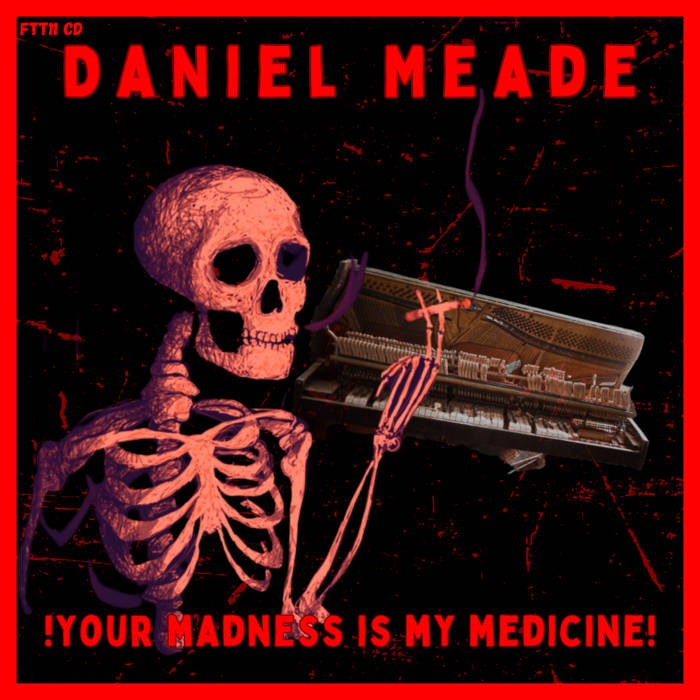
Daniel Meade. Your Madness Is My Medicine

After a couple of albums (Ever Wonder Why you Get Out Of Bed and Rust) which found Glasgow’s Daniel Meade exploring various musical avenues, he returns to his roots with a bang on this exhilarating rock’n’rollercoaster of an album. Reunited with his long time guitar foil, the ever excellent Lloyd Reid and backed by Ross McFarlane on drums and Deke McGee on horns, Meade positively wallows in the barrelhouse rock and roll which he wallops out on piano throughout. It’s a killer album in more than sense as The Killer himself, Jerry Lee Lewis, is a guiding light here with Meade channelling the tousle headed firebrand who shocked the UK way back when he first toured over here.

Alongside Lewis there are healthy whiffs of Fats Domino, Professor Longhair and James Booker. Even the ghost of George Frayne, AKA Commander Cody is in the mix. McGee’s wonderfully fat horn fills are very much part of the joy here as he punches up the sound giving many of the songs a New Orleans vibe.  Drink It Up Now is in the New Orleans tradition of drinking songs celebrated with saloon piano rollicking away while Ain’t What It Ain’t is a classic sing-along song which one can imagine being as popular in a front parlour as a low down dive.

While he’s well able to deliver raucous and joyous slices of vintage sounding rockers, Meade tops it all with his vocal delivery, his voice just on the right side of Jerry Lee like lasciviousness. While he uses traditional tropes he sure knows how to knock them into shape with the best example here the title song with its repeated title refrain although special mention should be given to Got Me On A Good Day and Don’t Look Back, both of them perfect examples of how to update age old rock’n’roll with vigour.

Overall, Your Madness Is My Medicine finds Meade maybe returning to a comfort zone, the sort of music he can knock out without abandon, the sort of songs he was singing with his band The Flying Mules, but that he does it with such style and obvious love for the period just makes the album that much more compelling.

Website

Israel Nash. Ozarker. Loose Music

Missouri born Israel Nash continues to sound larger than life on his eighth album Ozarker, the title a nod to his family’s roots although he has long been domiciled in Texas. From folky beginnings Nash swelled into being a flag bearer for cosmic country music on albums such as Rain Plains and Silver Seasons, albums which shone with a psychedelic sheen.

On Ozarker Nash continues to roll back the years although here his template is the sweet sugar rush of prime time American rock’n’roll as delivered by the likes of Tom Petty and Bruce Springsteen. Gone are the almost Pink Floyd like guitar explorations (although he can still toss out explosive solos) of his more recent albums to be replaced by songs which, while not exactly pop fodder for the radio, trim any excess fat. In fact, if you could strip away the biker and storm trooper concerns of the early Blue Oyster Cult albums and concentrate on the sheer sonic joy of the songs then you might be able to imagine how Ozarker sounds.

The album opens with the swirling sounds of Can’t Stop, almost FM Fleetwood Mac in its infectiousness until Nash’s huge voice weighs in, no airy fairy Stevie Nicks here. It’s a punchy song with colossal chords and stinging guitars buzzing throughout. Roman Candle has a similar intro but Nash takes a left turn into Bob Seger land here with the song sounding as if Night Moves has been working out at the gym. The title song is next and it finds Nash in a sweet and sour mood as he parleys a story about his great-grandfather’s love tryst while delivering it in a cranked up to an eleven E Street Band vibe.

Behind the raw bravado of much of the songs here Nash actually is whittling down into the state of America these days. Lost In America, the lynchpin of the album is almost spectral as it opens before swelling into a blue collar anthem while Travel On has a degree of optimism contained within its muscular delivery. Going Back finds Nash ensconced in Texas and pondering (quite loudly) on his Missouri background and Shadowland closes the album with Nash returning to the Ozarks and again Bob Seger comes to mind as the song unrolls celebrating the importance of community.

Big, bold and brash, at times quite exhilarating, Ozarker is a powerful reminder of Israel Nash’s commanding presence.

Website

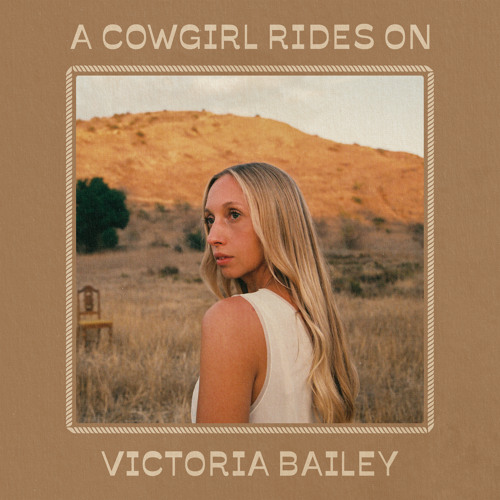
Victoria Bailey. A Cowgirl Rides On. Rock Ridge Records

Three years on from her excellent debut album (the wonderfully titled Jesus, Red Wine & Patsy Cline) Victoria Bailey trots back into view with an equally excellent follow-up which finds her standing tall in the saddle and embracing her inner cowgirl.

As on the first album Bailey clings fast to a traditional country sound replete with fiddle, mandolin and banjo and she remains a superlative singer. While Jesus, Red Wine & Patsy Cline had a honky tonk/ Bakersfield like sound to it, A Cowgirl Rides On is more akin to bluegrass with several of the songs having gospel like undertones. As such it’s a more immersive, and, dare one say it, a more emotional and personal listen than its predecessor. On occasion Bailey reaches into the pure Appalachian sounds of The Carter Family for inspiration and she delivers treasures such as the sublime Sweet By And By, a glorious song which resonates with the god fearing tradition and heavenly aspirations of early settlers. More upbeat but in a similar vein is the jaunty Down From The Mountain which is melodically similar to the old chestnut Give Me That Old Time Religion with both songs sounding simultaneously as fresh as a daisy and as old as the hills.

The album opens in a more contemporary vein with the title song which was inspired by Bailey’s reading of Distant Skies, a memoir penned in the ‘70s by Melissa Priblo Chapman which detailed her journey on horse across the US continent. The book resonated with Bailey who herself keeps a horse and she transforms it into a song about a spiritual voyage, a drifter, secure enough in the saddle who is buffeted and occasionally tempted (“Along came a cowboy from San Antone, he wanted to marry and build her a home) but instead she just moseys on along. It’s a tremendous song which deserves to be considered along with the likes of Gram Parson’s Grievous Angel in its portrait of a faded American dream. She tops this however with her own inner travelogue on End Of The Line, a five minute exploration of how best to battle on despite her travails.

Throughout the album, Bailey’s band  (producer Brian Whelan, who also co-wrote some of the songs, on guitar, Ted Russell Kamp on bass, Philip Glenn  on fiddle, mandolin, and banjo, Jeremy Long on pedal steel and Dobro and Leeann Skoda on background vocals) are on excellent form. They can whip it up as on the high spirited Snake Trails, a devil may care gallop of a song, or lay down a wearied cantina like patina on Sabina which is soaked with a liquor infused sense of revenge. There’s a slight return to the mode of the first album on Forever, You & I, a mid tempo tale which finds Bailey drinking alone and reminiscing about the man who walked out on her. Bailey closes the album with a fine rendition of Ricky Skaggs’ Waiting At The Gate, a return to the bluegrass gospel sound we mentioned earlier.

We reckoned Victoria Bailey was a name to watch back when Jesus, Red Wine & Patsy Cline came out and it’s gratifying to see that she hasn’t failed us. A Cowgirl Rides On is a tremendous step up and is destined to be one of our favourite albums of the year.   

Website

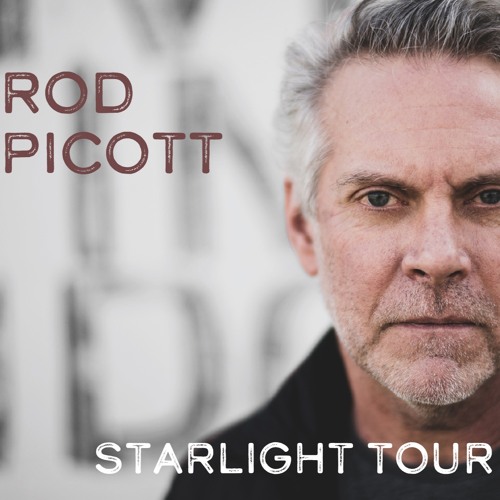
Rod Picott. Starlight Tour. Welding Rod Records

Rod Picott, currently touring the UK in advance of this album’s release, follows on from the superb Paper Hearts & Broken Arrows with the equally superb Starlight Tour. For anyone familiar with Picott there’s little here that is new or innovative and that’s not a bad thing. Indeed, the old idiom if it ain’t broke don’t fix it certainly applies here as Picott has steadily released a series of albums which have met much acclaim while he remains a huge favourite on the UK touring circuit.

Starlight Tour finds Picott once again in the company of producer Neilson Hubbard who also drums while Lex Price on bass and Juan Solorzano on guitars, keyboards and trumpet complete the band set up. They can whip up a fine rocking sound as on the driving diatribe against the opiate epidemic scourging the States which is Wasteland or delve into junkyard blues on the pulverising Digging Ditches but for the most part the band are more restrained, allowing Picott to play to his strengths – the raw emotional impact he carries when he strips his songs back to the bone. He goes straight for that emotional jugular on several songs here with Television Preacher a pitch perfect capture of a dirt poor family sending their money to a televangelist while the title song finds Picott at his best, finding poetry amidst misery and cruel fate.

A songwriter who has turned his hand to writing novels and short stories, Picott is a supreme chronicler of the loss of the American dream. Homecoming Queen (co-written with Amy Speace) tells the tale of a small town girl, once feted, now faded, while Pelican Bay finds an army veteran recalling the love of his life and their resultant daughter as he wanders lonesome on a beach, scratching his wife’s name in the sand and watching the ocean wash her away.

The band feature heavily on the opening song Next Man In Line, adding a fine muscular tension on this ode to Picott’s ailing father which contrasts his prime moments with his latter decline and ponders on his bloodline. At the other end of the album Time To Let Go Of Your Dreams finds Picott in an elegiac mood, not raging at the dying of the light, instead, proposing an acceptance of the inevitable, a good life followed by a good and peaceful death. It’s a wonderful song, tender and moving, a perfect close to a powerful and moving album.

Website