Anna & Elizabeth. Anna & Elizabeth. Free Dirt records


Anna Roberts-Gevalt and Elizabeth LaPrelle take the listener here on a ghostly trip through Appalachian music. Spare and stark, their voices ring out over skeletal banjo, fiddle and guitar backing on 16 songs that are as old as the hills. The a capella rendition of Long Time Travellin’ that opens the album setting the scene perfectly with an emotional hit similar to that of Ralph Stanley’s rendition of Oh Death. LaPrelle’s voice is laden with tradition, able, as the notes say, to nearly cut through bone while Roberts-Gevale softens the hard edge with her mellower delivery. The album is a journey through the past peopled with the ghosts of Dock Boggs, Frank Proffit and lesser-known singers such as Connie Converse and Ms. Martha Williams who was recorded by Alan Lomax in 1937 singing Poor Pilgrim Of Sorrow, indeed the spirit of Lomax and his quest for traditional sounds looms large throughout.

Although there’s a solemn air to many of the songs such as Don’t want To Die In The Storm and Greenwood Sidey there’s a lighter air on the folky Won’t You Come and Sing For Me and Soldier and the Lady. Goin’ Across The Mountain is a glorious banjo driven breath of fresh air and Father Neptune has the simple beauty one associates with The McGarrigles or The Roches. Bare boned the album may be but they adorn the lengthiest song here, Orfeo, a take on the Orpheus myth found in the Child ballads with a misty uilleaan pipe accompaniment (played by Joey Abarta) before ending the song with a dolorous jig.

Roberts-Gevalt and LaPrelle are students of Appalachian music, studying old recordings and meeting the singers and musicians who survive today and one of those singers, Alice Gerrard (born 1934) guests on the album adding some vocals. The endeavour is a wonderful tribute to the past although as Anna Roberts-Gevalt explains “we try to express these songs in a way that people of today can feel connected to.” In that they have succeeded.

website

Tami Neilson. Dynamite!


We’re all used to the UK being somewhat behind the times when it comes to the Antipodes what with them celebrating New Year when we’re just getting out of our beds on 31st December. Well, in the case of Dynamite! we’re several months behind as this album was released in New Zealand around a year ago but is only now getting a UK release. Tami Neilson is garlanded in NZ, winner of their version of the Grammies on four occasions plus several song writing awards, not bad for a Canadian girl who grew up as part of her family’s country/gospel road show before moving down under after marrying a New Zealander.

Anyway, Dynamite! is a dynamite album, retro tooled from the cover art to the music to capture the bygone era of Sun Records and gutsy singers such as Wanda Jackson and Patsy Cline as Neilson delves into rockabilly, country and soul with some panache, a down under Imelda May indeed. The ten songs here are all top notch. Neilson can sound ferocious, sultry, sassy or menacing as required while the band and production nail the sound. Big boned guitars, velvety pedal steel and rattling percussion with country fiddle here and there are all bundled up in a glorious noise that reeks of valves and old time radio broadcasts.

The album opens with the defiant clarion call of Walk (Back To Your Arms) with Neilson walking on the wild side as she defies family wisdom and goes back to a bad boy’s embrace. With its bluesy riff and sinister guitar it evokes images of lurid pulp fiction covers of the fifties. Come Over is a thrash of a song that is like a shot of adrenaline to the soul amplifying the likes of Brenda Lee to the nth degree. The following Texas is a reprieve as Neilson shifts into country mode with ease, the song a brilliant recreation of early sixties honky tonk country music and there’s more country on the loose limbed Honey Girl which has some rootsy fiddling and excellent fingerpickin’ guitar. Whiskey and Kisses is another country song but here we’re in saloon bar territory as Neilson is joined on vocals by guitarist Delaney Davidson for a tearstained lament in the best George & Tammy tradition. Neilson shares vocals again with Davidson on the dramatic Running To You which is a driving romantic narrative in the vein of Lee Hazlewood and Nancy Sinatra or Calexico on The Ballad of Cable Hogue and which sends shivers up the spine. As if this were not enough Neilson offers up some tin pan alley/Brill Building melodrama on the beehived and pizzicato pop song that is Cry Over You. It would be remiss not to mention the title song which is in a similar vein to Walk (Back To Your Arms) but here the guitar really sparks and burns as the drums pound and Neilson sings with a vengeance. Absolutely brilliant.

website

The Mike + Ruthy Band. Bright As You Can.

Mike Merenda and Ruth Ungar are the heart and soul of The Mike + Ruthy Band, appearing as a folk duo for several years they were praised by the late Pete Seeger who appeared at their inaugural summer Hoot Festival. The muscle and sinew is provided on Bright As You Can by an ace team of musicians, drummer Konrad Meissner (Brandi Carlisle, Tracy Bonham), bassist Jacob Silver (Emmylou Harris, Arlo Guthrie) and pedal steel man Charlie Rose (Elephant Revival, Josh Ritter) giving the album a full bodied swell. With adornment from horn players, harmony singers (including Amy Helm and Aoife O’Donovan) and additional guitar and keyboards Bright As You Can is a full blown folk rock album that recalls Fairport Convention circa Rising For The Moon and some of Richard and Linda Thompson’s work.

Mention of Fairport and Thompson doesn’t indicate that the band are reaching for an “English” sound, indeed it’s those moments when Denny, Thompson, Lucas et al were reaching out to America that is recalled here. There’s a solid rhythm section that pulses throughout the album offering a solid bedrock for the songs be they fiddle based, banjo laced or borne aloft on wafts of sax, trumpet and trombone. There are some songs that conform to the basic rootsy Americana template such as the delightful pedal steel/banjo interplay on The Farmer and the homely folk of Simple & Sober while Freckled Ocean builds on a raft of beguiling pedal steel with Ruth Ungar’s voice commanding. The rootsiest song however is the one cover on the album, their version of Michigan’s Steppin’ In It’s The Ghost Of Richard Manuel which is just this side of sublime. There’s a feisty feel to much of the album from the off as a brief tune up introduces the opening title song which tramples down a rocky folk route, fiddles scraping away over an urgent bass and drum beat. Word On the Street launches with some powerful pedal steel licks before Merenda lays down a powerful manifesto as he sings,

“I’m in the clouds babe, you’re on the land, still we kick ass together in this folky band.”

Rock On Little Jane is pumped up by the horn section as Ungar muscles in vocally over a riff that recalls vintage Neil Young while the propulsive bass and organ on What Are We Waiting For channels Tom Petty power pop. The Thompson/Denny parallels are most evident on the fiddle led drone of Legends Only Appear In Black and White with the band swamp laden, wading through a rock’n’roll fuzz as Ungar and Merenda summon up ghosts of folk rock in their vocals but their best is heard on the perfect marriage of banjo, rock rhythm and horns that is Golden Eye with Ungar sensual and the song itself quite addictive.

website

Anna Laube. Anna Laube. Ahh…Pockets! Records

This self-titled album is actually Madison, Wisconsin based Laube’s third release. Sitting at the folkier end of Americana with a slight blues bent here and there Laube sings with an engaging innocence, her voice light at times although there’s an emotional heft to it. There’s an early seventies feel to the album recalling the likes of Melanie and Maria Muldaur with Laube updating the traditional Cocaine Blues on Sugarcane, channelling Woody Guthrie on The Bike Song and offering a very fine and reverential cover of Satisfied Mind.

Chuck Leavell (of Allman Brothers fame) adds keyboards to the finger poppin’ Oh My! (Oh Me Oh Me Oh My) and there’s some beat up beatnik blues guitar scraping on You Ain’t Worth My Time Anymore but Laube shines best on the opening and closing songs here. Already There and Green shimmer with a sunny disposition, perfect for listening to in a verdant setting.

website

Martha L. Healy. Better Days.

More home grown Americana in the form of Martha L. Healy, a Glaswegian who grew up in a musical atmosphere with Celtic music sharing space with classic American folk and country. As she puts it, “Everyone was listening to Nirvana, rap or dance music, and then there was me, buried in my bedroom, listening to Bonnie Raitt, Dixie Chicks, Sheryl Crow and Patsy Cline.” In 2014 she went to Nashville, utilising contacts made on a previous trip and recorded Better Days with a cast of local sidemen (all with the sort of pedigree one would expect from Nashville) before coming back and polishing it off in Glasgow with some overdubs from local musicians. The result is an album that belies her evident youth with several of the songs (in the main penned by Healy and Phil Ferns) sounding assured as she delves into classic country sounds along with some received wisdom from her ancestral Irish background. She’s got a grand voice which owes more to her professed American heroines with little to suggest that she’s Scottish but when you can sound like a honky tonk angel on the ballsy swing of Too Much Vodka why go down The Proclaimers route. The Celtic connections are to be heard in the lilting balladry of Enough and Shame, Shame, Shame but are foremost on the autobiographical Burtonport, a song that celebrates her Irish heritage with some aplomb, fiddle and accordion wheezing away over martial drumming.

The album opens with the title song which could easily have come from a Dixie Chicks album, a defiant celebration of living for the now it’s uplifted by some feisty accordion and harmonica. The Lovin’ Kind has a mild mariachi touch and to our ears is reminiscent of vintage Linda Ronstadt. Shame, Shame, Shame is a wonderful hurt love song with the band in very fine form with spare pedal steel (from Tommy Hannum) and mournful harmonica (Rory Hoffman) supporting Healy’s pained vocal. State Of Blue is an excellent slice of pure Americana, a pot pouri of harmonies and country rock stylings, trumpet and curling guitars all driving Healy’s gutsy vocals while the murky swamp blues of Nobody’s Dead allows her free range on the vocal front. Healy breezes through the mandolin dappled 13 Hours and closes the album with a spare rendition of Healin’ Wind. Armed only with her guitar it’s a powerful redemption song allowing her voice to ring clear.

website

Hillfolk Noir. Pop Songs For Elk

It’s junkerdash time again folks as the ever excellent Hillfolk Noir unload another album of slightly unhinged old time music and set off on another tour of the UK commencing this weekend. They’ve been a Blabber’n’Smoke favourite ever since we heard their 2011 album Skinny Mammy’s Revenge while 2013’s What’s That Hat For set a standard for raw boned backwoods string band music.

On Pop Songs For Elk Hillfolk Noir remain a three piece with Travis Ward at the front end, writing the songs, playing guitar and banjo and singing with partner Alison M. Ward on banjo, saw, washboard and vocals and Michael P. Waite on bass. As is their norm they recorded the album live with no overdubs before it was mixed in mono creating a wonderful melange of strings and things that pours out of the speakers with a joyful clarity. Travis Ward tackles tradition with his songs sounding as if they could have been written anytime in the past 100 years although his lyrics are definitely contemporary. Jug band, talking blues, hillbilly and ragtime are all filtered through the Hillfolk Noir sieve with some exhilarating results.

They open with a stramash, guitars mauled before the eerie saw sound from Alison wails around the punk folk of North Idaho Zombie Rag allowing them to sound like a hillbilly Gun Club. It’s a tremendous opener, spooky and thrilling. Round I Sing/Mile On Up harks back to a formal string band dance number with Travis and Alison’s duetting not dissimilar to The Handsome Family as the lyrics range from religion to sniffing glue, one can imagine clog dancers gainfully dancing away while they try to comprehend the lyrical content with some disbelief. Poor Man’s Love Song is a delightful solo effort from Travis that would not shame the pen of Woody Guthrie and he goes solo again on the banjo plucked weirdness of Getting Late where he describes a rural community with everyone from the chickens to the mayor on some sort of drug. Getting high is the raison d’être of Sniffing Glue Blues, a simple song that has added space age reverb inviting comparisons to those sixties freak folk The Holy Modal Rounders and surely destined to end up on the playlist of the Dr. Demento radio show.

Elsewhere the band offer some solid licks with Uncle Jake a muscular jug band tale that starts off with a description of“a mean old man he washes his socks in a frying pan, you don’t want to go fisticuffs with Uncle Jake” while Little Red Caboose romps along with some glee as Waite’s bass powers the song along. Shimmy is old time rag music with the singer’s sister shimmying like jelly on a plate and delivered with a magical old time feel almost as if it were the soundtrack to an old Betty Boop cartoon.

All 12 songs here are gems which reinforce our belief that Hillfolk Noir are simply superb, running with an historical musical genre and banging it right up to date. While the album is of course recommended there’s an opportunity to see the Hillfolk Noir experience live over the next two weeks as they tour the UK and Ireland, dates here.

website

Listen here

Mark Billingham & My Darling Clementine. The Other Half. Hachette Audio.

On their two albums as My Darling Clementine Michael Weston King and Lou Dalgleish have celebrated the country tradition of singing songs about ordinary people and their day-to-day trials and tribulations, wrecked romances, succour in a glass of booze, trying to retain a dignity in the face of ongoing emotional blows. Their template has been George Jones and Tammy Wynette who, despite their successes, had their own troubles to deal with which were played out in the glare of publicity. My Darling Clementine’s triumph is their ability to inhabit the same world as George and Tammy in song with How Do You Plead and The Reconciliation almost mini soap operas peopled by life’s losers.

The Other Half takes this approach a tad further as My Darling Clementine offer a soundtrack to crime writer (and country music fan) Mark Billingham’s series of vignettes of life in a Memphis bar. The main protagonist, Marcia, is an ex Vegas showgirl, her beauty now fading and her circumstances reduced as she caters to the regulars who all have their own back stories. Billingham tells their tales as extracted by Marcia in her chats with the drinkers along with her imagined embellishments as she attempts to fill in the blanks the customers are unwilling or unable to complete. They all share a loss, a partner gone, in jail, with someone else perhaps; they all share a solitary existence stuck with their memories. Marcia is no different, she struggles to pay for her elderly mother’s care, her daughter has run off with a musician and she daily awaits a phone call from her own missing partner. Billingham weaves these tales together in a deadpan style that readers of Willy Vlautin will recognise.

While the stories are printed in the CD booklet allowing one to read The Other Half in the traditional style the disc consists of Billingham reading each short story with a song from My Darling Clementine at the end of each one. The songs, the majority of which are reworkings from the two previous albums, cleverly reflect the preceding story in Marcia’s imagination; No Matter What Tammy Said (I Won’t Stand By Him) follows on from Donna’s admission that her husband is on Death Row while Going Back To Memphis is a rare ray of light as Marcia’s partner eventually gets back in touch. The narration by Billingham is punctuated by the characters’ voices played by King and Dalgleish along with David Morrisey, Graham Parker and Florence King. As always, King and Dalgleish sing wonderfully together with the pared back acoustic setting giving songs like No Heart In This Heartache and The Other Half a new lease of life. The backing by the Brodsky Quartet on No Matter What Tammy Said adds piquancy to this tale of domestic abuse. There are two new songs. Friday Night At The Tulip Hotel describes the secret love trysts of a couple which end when the married male doesn’t turn up one week leaving the guilt-ridden woman to believe “she got what she deserved.” As Precious As The Flame, co-written by Billingham and My Darling Clementine, ends the album on an upbeat note recognising that while the fires of young love might not burn forever it’s possible to retain a passion albeit tempered by reality as King and Dalgliesh sing, “It’s slowing up, it’s messing up, it’s cleaning up and saving up. Remembered thrills, It’s tales all told, it’s paying bills and growing old.” By allowing for the hope of a happy ending the song mirrors Marcia’s journey as she moves on. The result is an engaging listen, perfect for a car journey or to savour at home and whets the appetite for the next full album from our very own first couple of country music.

My darling Clementine and Mark Billingham are touring The Other Half around the UK. Dates are here including three appearances at The Edinburgh Fringe Festival in August.

My Darling Clementine website

Mark Billingham website

The Other Half website

Whitehorse. Leave No Bridge Unburned. Six Shooter Records

Husband and wife team, Luke Doucet and Melissa McClelland are quite the mythmakers. From the album art (which echoes the work of Saul Bass) featuring McClelland as a sixties leather clad spy girl and Doucet as a guitar toting gunslinger to the warped and twisted stories within the songs they create a fine melange of southern gothic, spaghetti western and James Bond glamour. Ably assisted by producer Gus Van Go (who co wrote three songs here and plays bass throughout), the pair go on a wild road trip with scorched guitars and fuzzed up keyboards backed by basic tub-thumping in the finest Moe Tucker style.

Leave No Bridge Unburned opens with the exotic rhythms of Baby What’s Wrong with its lecherous sway, lashings of twang guitar and hint of Calexico and Calexico’s desert noir is brought to mind again with mariachi horns adorning the border smuggling tale of You Get Older. Tame As The Wild Ones opens with a Morricone flourish before creeping into doomed romanticism with McClelland and Doucet coming on like Nancy Sinatra and Lee Hazlewood. The big guns however are brought out for the rousing and quite amazing Downtown which has a thumping Bo Diddley beat and features an insanely fuzzed Farfisa organ, searing guitar breaks and a brilliantly infectious chorus. Sweet Disaster is a dreamlike swoon of a sci fi fantasy with McClelland coolly singing
“Galileo was bluffing, it’s just a mess out here. There’s no compass to guide us through the flashes of violence and fear”
as the drums pound and guitars swirl and burst like fireworks. While there’s some breathing space offered by the subdued and very pretty Dear Irony which is like the Everley Brothers meets Santos and Johnny, they switch horses for the highlight of the album on the Neil Young inspired Fake Your Death (And I’ll Fake Mine). Starting with a simple acoustic guitar and close up voices the rhythm section burps into life and a growly electric guitar starts to muscle its way in. The song sways along, returning to the simple melody then bursting into guitar flourishes recalling classic Young epics such as Zuma. They wrap the album up with the zany eclecticism of The Walls Have Drunken Ears which careers around like a ball in a pinball machine lighting up Dylan circa 1966 and The Beatles around about the time of The White Album.

Overall leave No Bridge Unburned is a rousing and energetic listen and it should delight fans of the late Twilight Hotel and Blanche.

website

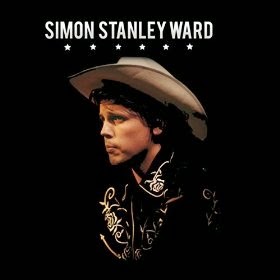
Simon Stanley Ward.

When Blabber’n’Smoke met with Ags Connolly back in April we were talking about albums we were currently enjoying. Ags mentioned that he was really digging the debut album from Simon Stanley Ward, a London based musician who’s been pretty much a feature of the London scene for the past ten years or so. Ags also mentioned that Ward had Paul Lush from Danny & The Champs playing guitar all over the album which was incentive enough (apart from Ags’ impeccable taste) to search out this album.

Well, Ags spoke the truth as Ward’s album is one of the best UK based “Americana” albums we’ve heard in some time. Over the course of 10 songs he delves into honky tonk, bitter sweet country ballads and some rockabilly coming across, believe it or not, as the missing link between Lonnie Donegan and Dwight Yoakam. Ward has a similar nasal twang to Donegan in his voice and although there’s nothing pioneering here, like Donegan he’s a Londoner singing songs inspired by an American dream. In fact Ward homes in on this potential dilemma with his inspired song, American Voice where he admits he “never heard a whippoorwill cry at night and I don’t drink whisky, I never been in a fight” but in his defence he has been “so lonesome I could cry.” The irony here is that Ward sings this with a fine sense of braggadocio while his band of local worthies conjure up an excellent country rock skirl, fiddle blazing away before a characteristically brilliant guitar solo from Lush. The playing throughout the album is excellent. While Lush might draw in fans of The Champs the band (David Rothon (Redlands Palomino Company), pedal steel; producer Arthur Rathbone Pullen, keyboards; Geoff Easeman, bass; Neil Marsh, drums and Ben Wain, fiddle) match him with their ensemble efforts while Lorraine Wood and Laura Tenschert support Ward with some fine backing harmonies.

The album opens with a brooding guitar twang on Monster Song, a moody and remorseful apologia which summons up the ghosts of Roy Orbison and Mary Shelley, a mood immediately dispelled by the spritely rockabilly strut of 100 Days In Heaven. Trouble Somewhere weighs in with a classic pedal steel introduction as Ward and the band parade their finely honed Burritos’ styled country rock while Please Excuse me (I Feel Sorry For Myself) returns to Yoakam like hillbilly rock. There’s some more retro riffing on the Buddy Holly hiccups of Obvious To You while Homesick rattles along with a sound and vigour that recalls Dylan and The Band going pell mell in 1965. Dylan comes to mind again on the closing song, Over Here although this time it’s the latter day biblical prophet who’s mined here with an organ led soulful groove sounding like an out take from Slow Train Coming.

Elsewhere Ward delivers some finely honed sob stories. Another Page is a plaintive ballad with lonesome guitar pleadings while Behind Closed Doors is a simply beautiful and heartfelt love song. Laced with yearning pedal steel, gentle piano and wistful harmonica the song is haunting with some vivid images in the lyrics as Ward recalls a first walk around a lake with his partner “getting naked in every possible way.” Ward sings wonderfully here, wounded and lost as the song meanders to its conclusion.

website

Mairi Orr. Jenny Does Burn


Blabber’n’Smoke first encountered Scots singer and songwriter Mairi Orr back in 2012 when she appeared at Celtic Connections. She sang songs from her debut release, the five song EP The Gathering Crows, an impressive disc which we reviewed here. Three years on and Orr has her full length debut released this week with an album launch gig at Glasgow’s Glad Cafe this Sunday, 28th June. The album, Jenny Does Burn, is self-released after a successful Kickstarter campaign and additional funding from Creative Scotland.

We likened Orr to several singers when reviewing The Gathering Crows including Sandy Denny, Linda Thompson, Jacqui McShee and Shelagh McDonald. On Jenny Does Burn Orr has found her own voice and the most likely comparisons are to the likes of Eddi Reader, Karine Polwart, Siobhan Miller, Julie Fowlis and Heidi Talbot. Not that Orr sounds like any of these but she joins their ranks as a strong singer/songwriter with an acute sense of modern folk influenced music. Anyone who listens to these singers will see that there are names which crop up time and time again as the cream of Scotland’s acoustic music scene are becoming a most incestuous bunch (musically speaking). In keeping with this Orr has been able to gather together a dream outfit who combine to give the album a wonderful lift and lilt with some beautiful playing. Be it a glowering folk ballad or a banjo led country stomp the band are superb; featuring Steven Polwart: guitars, mandolin, vocals, Mattie Foulds: drums, percussion (and production duties), Nico Bruce: double bass, Fraser Fifield: low whistle, Dave Currie: dobro, Danny Hart: fiddle, bluegrass banjo, mandolin and Mark Woods: clawhammer banjo they curl and weave and pluck with a warm and engaging empathy for Orr’s songs.

As for the songs, Orr writes about family memories and delves into Scottish history with ease. The title song commemorates Janet (Jenny) Horne, the last woman to be burned for practising witchcraft in Scotland. Surprisingly Orr opts not for a traditional folk song style here but instead offers a sly, almost bluesy tango as she sings about the fate of Jenny and the mystery of her daughter’s disappearance. In fact with the exception of the opening song, The Drover, a brooding encounter between a drover and a reiver (herdsman and bandit) with sinister Dobro sneaking throughout an atmospheric arrangement Orr is defiantly contemporary. The up tempo fiddle and banjo of Don’t You Wed Another Man Maggie and Drinker’s Wife relate to current bluegrass music allowing the players to cut loose on their respective instruments as Orr crosses the Transatlantic gap with ease. There are several introspective songs that allow the band to shine gently. Letting Me Go is a portrait of a failed relationship that recalls the work of Richard Thompson while Just A Fallow Year is a melancholic yearning song about childlessness that floats on a wonderful Dobro and guitar fuelled dreamland. Orr tops these with the light-footed lilting ballad that is The Promise with the band breezing though a filigreed blend of guitar and Dobro belying the heartache in the lyrics.

Family and home account for several of the songs. On The Shore is a solid folk rock song that commemorates Orr’s home in Morar as she recalls the silver sands. The Piper Of Peanmeaneach salutes an ancestor who fought in the Boer war and was inspired by the discovery of an old photograph with Fraser Fifield’s whistle adding a wistful air. Summer On The Clyde (1914) is a fine close to the album as Orr sings about the innocence of a youthful crew messing about on the Clyde before enduring the agonies of the Great War. Again she captures the moment perfectly with a perfectly nuanced sense of nostalgia and regret.

As we said the album is out this week. Mairi played an East coast launch party in Edinburgh last weekend and this Sunday she brings her band to The Glad Cafe to introduce Glasgow to this very fine album.

https://soundcloud.com/mairiorr/01-the-drover

https://soundcloud.com/mairiorr/05-on-the-shore