The Greenbeans.

img007

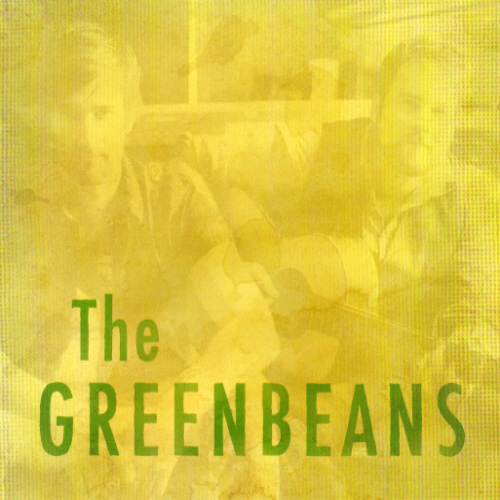
The Greenbeans, a duo from Willsboro in the Adirondack Mountains in upstate New York have in their debut album a disc that is somewhat astonishing in its audacity and bravado. From the kickoff this is a full blooded (and loud) mainly acoustic album that blusters and swaggers with the pair, brothers Vinny and Joe Ferris, proving they have a fine handle on catchy melodic songs while their voices ring loud and clear. They share guitar, banjo and harmonica with the sound fleshed out by Kenny Siegal on bass, lap steel and keyboards, Otto Hauser on drums with Gwen Snyder Siegal and Marco Benevento popping up on accordion and Terence Murren on upright bass. The first thing one notices here is the strong Celtic connection in many of their songs and it turns out that the brothers’ great grandfather was a musician and storyteller in County Leitrim, Ireland and their grandmother only emigrated to the States in 1954 keeping the Irish tradition strong as the boys were growing up.

At their best they don’t overly betray their Irish origins but the songs do cleave to what Mike Scott called “the big music” with the best example being the rolling roils of A Happy Life and Celebration Song. However, it’s the opening song, Down The Road, that shows them as capable of snatching The Saw Doctors’ crown as kings of unashamed good time Celtic folk rock while Sword In the Stone has a similar woozy familiarity as some of The Mountain Firework Company’s work. In contrast there’s a preppy pop feel to a couple of the songs on display where the duo deliver well crafted mainstream pop lyrics with a deft sense of hummability. The piano driven That Would Be So Nice is tailor made for radio with its hooks and horn shimmered chorus with an amped up Loving Spoonful feel. Girlfriend From High School attempts the same trick but with less success with the lyrics (and chorus especially) somewhat hackneyed but the delivery is spot on coming across like a Celtic version of Fountains of Wayne. A song begging to be picked up by an American TV show.

Overall the brothers have a great calling card as there’s no doubt that the album is packed full of songs waiting to be heard over the airwaves although to avoid being one hit wonders they might need to decide which direction to go in. They could go down a storm with their Celtic influenced shanties in a place like Glasgow’s Barrowlands (listen to All We Want Is Love and imagine the crowd singing and dancing to the chorus) or they could follow the likes of The Avett Brothers and capture the American college audience. For a debut its very promising and it will be interesting to watch their journey. In the meantime they seem like an act that would be great fun live.

website

Vena Portae.

For most folk the way into Vena Portae (Latin for the portal vein, a vessel which feeds your liver, it’s complicated, look it up) will be via singer Emily Barker who is usually at the helm of The Red Clay Halo. Here she’s teamed up with Dom Coyote, who usually writes for musical theatre, and Sweden’s Ruben Engzell. Together they produce a very nice sound which one would probably file under early folk rock with a dash of country. Recorded in a snowbound homemade studio near Stockholm the album reflects its wintry conception although on occasion there are sunnier moments with dappled guitars and sunny harmonies. Despite its home made origins it’s a full-fledged band album with plenty of instruments in the mix. There are some skeletal moments such as on the banjo led Transatlantic (written by Christian Kjellvander) which is a wonderful and mournful mini epic while Foal reminds one of Alela Diane. There’s a hushed magic on the whispered Solitary Wives while Turning Keys harks back to the glory days of folk rock in the early seventies when Steeleye Span et al discovered amplification.

website

Guy Littell. Whipping The Devil Back

Wonderful thing the internet. One moment you’re writing about Dan Stuart and Antonio Gramienteri and next you’re contacted by an Italian songwriter who’s supported these guys in concert and who wants to send you his album. Blabber’n’Smnoke are an obliging crew so pretty soon Gaetano Di Sarno AKA Guy Littell was spinning in the player and we’re glad we replied to his email.

Signore Di Sarno is from South Italy, near Naples and has been writing songs since his early teens. He recalls a Damascene moment when listening to Neil Young’s My My Hey Hey (Out Of The Blue) which led to him deciding to become a musician. After several years playing in various bands he stepped out on his own in 2009 with an EP release. Obviously in thrall to American culture he records under the name Guy Littell, a nod in the direction of Ward Littell, FBI man turned mob lawyer in Ellroy James’s Kennedy assassination novel, American Tabloid. The EP and following album, Later, created waves in the Italian music scene with Littell gaining prized support slots with visiting American acts including Steve Wynn, more of which later. However it’s a hardscrabble world and despite apparent acclaim (according to numerous Google translated reviews and interviews in the Italian music press) Littell has to take a night porter position to make ends meet and it was while doing this that he wrote much of Whipping The Devil Back.

The lonely life of a night porter, neon florescence, streaming videos on YouTube, informs a few of the songs on Whipping The Devil Back such as Lonely And Happy Night and Waiting For My shift To Start however the very starkness of the album provokes a sense of isolation and outsiderness. Littell’s high register invariably leads to comparison to Neil Young, one of his avowed heroes, and it’s Young’s fragile and cracked solo efforts of the mid seventies (Will To Love, Motion Pictures, Borrowed Tune) that loom large. With Littell playing guitar and “lonely piano” along with Fernando Farro on occasional electric guitar, synth and drums it’s a stripped down sound that occasionally effervesces with bursts of guitar or is warmed by keyboard support such as on the tender Deep Enough, one of the highlights here. While it’s not a lo fi album per se elements of Mark Linkhous and Will Oldham are present on some of the songs such as Cedar Forest where a lonesome guitar wails and piano drips aimlessly and on the closing song, You Disturb The Light, which is a wonderful wail of a song. Elsewhere Littell jumps headfirst into Neil Young territory with the excellent title song that lopes along in a fine manner with harmonica provided by none other than Steve Wynn.

Kris Delmhorst. Blood Test/Anders Parker. There’s A Bluebird In My Heart.

Regular listeners to Iain Anderson’s Radio Scotland show might be familiar with Kris Delmhorst as Iain has played her songs regularly over the years. I was surprised to discover that Blood Test is her first album since 2008’s Shotgun Singer. Since then she’s encountered motherhood but thankfully she’s now back with this excellent slice of simmering songs that are in turns tender and fiery. She’s very ably supported in this endeavour by two crack musicians in the shape of Mark Spencer and Anders Parker with Parker on guitars and bass and Spencer also on guitars, bass, pedal steel, vibraphone and keyboards. Konrad Meissner supplies percussion throughout. Together they create a hermetic world that occasionally pulses with menacing electronics in the shape of the guitars and brooding organ but otherwise glides along with acoustic murmurings as Delmhorst’s fine voice rings clear.

The album opens with the title song, a simple strummed acoustic guitar supports Delmhorst initially before the pedal steel swoons in and the band settle into a country lope much in a Neil young vein. Homeless is similarly stripped back with Delmhorst’s voice much to the fore and the music restrained with gentle piano chords and rippling guitar. The lyrics muse on the temporary human condition reminding us that in a sense we are all “homeless,” merely passing through, meandering through life and to reinforce this there’s a wonderfully meandering guitar solo from Parker that recalls Ollie Halsall’s work with Kevin Ayers. 92nd St. revisits Delmhorst’s childhood N.Y. stomping grounds and it’s a grittier affair here despite the tenderness of the opening verses as Delmhorst paints a wonderfully vivid picture of a wintry New York as (presumably) a boyfriend spends his time listening to Monk and ‘Trane. The lyrics recall the likes of Janis Ian or Paul Simon and as the song builds up steam with bass and drums piling in it moves into Patti Smith territory before Parker rips out on guitar. Saw It All glowers balefully at the rape of the environment as it oozes menacingly from the speakers, a slow burning blues with fervid organ and biting guitar breaks it has a sense of a sixties psychedelia around it. Bees continues the environmental bent, a hymn to our striped little friends while We Deliver praises the cycle of rain and the sun on another sixties sounding anthem. Delmhorst dips into confessional mode for Little Frame which allows her voice the opportunity to shine while the band lay down a fine shuffle behind her before they launch into the almost folk rock Byrds/Fairport mold that is Bright Green World while the early seventies country rock sound appears to be the template for the very brief Temporary Sun where Mark Spencer lets loose on some fine guitar. Delmhorst comes back to earth with the simple city song of Hushabye with Spencer adding some fine piano and the nostalgic bent continues in the yearning My Ohio which shimmers with restrained pedal steel. Finally, Delmhorst revisits Mother Nature with the closing song, Lighthouse, with the drums laying down a firm beat as organ swirls around like waves swishing around rocks.

Blood Test is a great album that has a maturity in the lyrics while the band players are all excellent, perfect for a late night listen.

Coincidentally Anders Parker has just released his latest album, There’s A Bluebird In My Heart. As you can hear on Delmhorst’s album, he’s a very fine guitarist. Under the name Varnaline he’s released a slew of albums while we reviewed his collaboration with Kendall Meade here. There’s A Bluebird In my Heart is being considered a return to Parker’s earlier work with Varnaline with a rockier sound harking back to mid nineties alternative rock and it’s true that his guitar work drips all over the album, riffing and rippling while he proves he can write some fine love songs as well as tackling bigger issues. The album opens with the epic eight minutes plus of The Road, a song that has as many byways and turn offs as the A9. A sly guitar leads into a mild mannered intro that again harks back to simpler times before the song picks up speed and piledrives to a Crazy Horse type ending. Animals is a down and dirty blues song that reminded me for some reason of the grand old days when The Groundhogs could get into the charts with supersonic amped up blues guitar riffs, it’s powerful stuff. Don’t Let The Darkness In is surprisibly sunny although Parker again plays around with tempos while Unspoken is an ethereal acoustic guitar laced ballad. The down-home feel is maintained in the ukulele tune Silver Yonder. Feel It is an impressive and joyous song with guitar sparkling throughout and reminiscent of Rich Hopkins’ churning and gurning guitar epics. The wonderfully named Jackbooted Thugs (Have All The best Drugs) returns to the expansiveness of the opening song and repeats its portmanteau style as Parker weaves various melodies into a powerful whole with his curling guitar lines creating an air of menace. After this sonic maelstrom, he ends the album with another ukulele ditty, See You On The Other Side, which is short and acts as a postscript to the album and sums up his philosophy. A challenging but ultimately rewarding listen.

Anders Parker “There’s A Blue Bird In My Heart” album promo. from Anders Parker on Vimeo.

Danny & The Champions Of The World. Live Champs! Loose Music.

It’s been a long time since I’ve seen such a buzz around a forthcoming release as surrounds this live recording of the magnificent Danny & The Champions Of The World. Ever since it was announced social networks and actual people (remember them) have been following every utterance and pronouncement on Facebook and Twitter along with some early reviews. It’s testament to The Champs’ current status as perhaps the best live band in the UK right now as they’ve relentlessly toured on the back of their last album “Stay True” which won accolades right left and centre while they were voted best band in the Americana UK readers poll for 2013.

I’ve been fortunate enough to see the band twice this year and can honestly say that both nights were the highlights of the year so far. Danny George Wilson grabs the attention as the front man, passionate and on fire, barking out the lyrics and acting as ringmaster to the hugely talented band he has grouped around him. An excellent songwriter (as evidenced on the albums going back to Grand Drive days) Wilson has supplied his Champs with prime musical DNA which on stage leads to extended workouts allowing the band to stretch out as Danny pumps the audience like an old time revue MC. Tight and disciplined they never descend into jam land, the solos are all in service to the song and as a unit they can hunker down allowing Danny full rein as chorus leader, cajoling the crowd. In addition they can switch from country to soul to rock’n’roll almost at the drop of a hat with the show as a whole offering a variety of styles recalling the likes of Van Morrison, Bruce Springsteen and Otis Redding.

It almost goes without saying that anyone who has seen The Champs recently should be champing at the bit for this opportunity to relive the experience in the comfort of their own armchair. For the others I’d suggest that their album is almost on a par with that doyen of live albums, Van Morrison’s Its Too Late To Stop Now. Not in the sense that it sounds similar (although The Champs certainly have more than a whiff of Morrison’s Caledonia Soul about them) but that it’s a perfect capture of an artist at the height of his powers as the songs tumble out, each one a gem. (Never Stop Building) That Old Space Rocket, an autobiographical tale, opens the album and immediately the sinewy suppleness of The Champs grabs you. A Southern backbeat befitting The Band drives the song while pedal steel glides. Sax and gutsy guitar solos burn for a while before the steel hovers back into view on a song that stirs up a powerful emotional pull. Cold Cold World is, simply put, an excellent slice of country styled Motown dance stance that shows off the band’s tight playing along with Wilson’s way with a catchy riff. There’s more Motown mischief with the Miracles styled Let’s Grab This World With Both Hands which oozes soul before the lengthy Colonel And The King lets the band off of the leash, ripping into the song with Paul Lush on guitar firing off rapid volleys as the rhythm section batter on like an express train. A fiery solo from Lush eventually gives way to a master class in pedal steel from Henry Senior as the tempo slows and Free Jazz Geoff Widdowson lets fly on sax. The elements all converge from here on in as the band whip into a frenzied state before winding to the end, an astonishing performance which is as powerful as anything The Allman Brothers laid down at the Fillmore. Darlin’ Won’t You Come In From The Cold and Stop Thief are soulful entries and disc one ends with the crowd favourite Henry The Van which engenders a fantastic crowd sing-along.

Other Days opens disc two with more soul styled pleadings from Wilson as the band weave pedal steel and sax into a fantastic sounding amalgam of soul and country Every Beat Of My Heart is a rip roaring E Street Band type number as is You Don’t Know (My Heart Is In The Right Place) with the band in rip roaring form, parping sax, crunchy guitar and tight solos delivering a killer punch. Restless Feet, a song from Streets Of Our Time is graced by the presence of Trevor Moss and Hannah Lou who sang on the original. Its Dylanish heritage gets a hefty Muscle Shoals makeover with pedal steel snaking throughout the song while Lush rips out an audacious solo guitar burst. After this we’re into the encores on the night with Been There Before a slick streamed stroll that has Wilson growling and scatting as the band vamp magnificently. Finally These Days ( where Wilson initially forgets the words!) has a Stax pumping beat that leads straight to the feet, live or on disc you can’t help but jive to this. Chris Clarke on bass drives the song on as the band lock tight into a mighty groove.

Danny & The Champs are definitely on a roll and this album caps what has been a tremendous year for them. They’re slated to appear at Jack White’s Third Man Records stage at the next Americana Music Festival in Nashville while they will be swinging back through the UK in October including a date in Glasgow. The album is released on 29th September and you can order it here.

Tour dates

website

Ags Connolly. How About Now. Drumfire Records

They say you can’t judge a book by its cover, perhaps the same is true for an album but West Oxfordshire’s Ags Connolly certainly lays out his stall on the cover of How About Now. Connolly is pictured, solitary, in a bar with a lonesome bottle of Lone Star beer in front of him as he stares at a woman leaving. The bar is decorated with posters of honky tonk heroes including Waylon and Willie along with Hank Snow, Johnny Paycheck and Davis Allan Coe. Unsurprisingly when you get to the music it’s a fine collection of beer and tear stained songs with a nice big dollop of twang to go with it.

Connolly describes himself as an “Ameripolitan” musician, a term coined we think by Dale Watson who felt that “country music” has been co-opted and irreversibly corrupted by Music Row in Nashville. There’s now an Ameripolitan Awards scheme which sets out its mission quite firmly here . Suffice to say that Connolly sings country music that is firmly rooted in the old tradition with no trace of big hats, AOR rock or autotune in his voice. From the start of the album he again sets out that old stall of his with the mighty proclamation, When Country Was Proud, which celebrates Johnny Paycheck’s The Little Darlin’ Years and name checks many of the outlaws pictured on the album cover. It’s a cracking song with curling pedal steel, saloon piano and big thick creamy guitars while Connolly’s voice bears comparison with the likes of Jennings.

Connolly racks up winner after winner on the songs that follow with several hard edged rockabilly and honky tonk numbers including I saw James Hand (another nod to one of his heroes) and The Dim and Distant Past where the band whip up a real humbuckin’ storm with some great piano on the outro. He’s equally at home on the sad sack laments of She Doesn’t Need Anyone Anymore and That’s The Last Time wringing out the emotion for all it’s worth. He’s ably supported throughout the album (which he recorded in Edinburgh with Dean Owens in the producer’s chair) by Kev McGuire on double bass , Jim McDermott, drums and Andy May on keyboards while Stuart Nisbet is superb on electric and pedal steel guitars. Connolly was excellent when he appeared recently at Perth’s Southern fried Festival and he returns to Scotland for a shows in Edinburgh and Aberdeen in October.

website

Petunia. Inside Of You.

This summer is turning out to be a bumper time for great music with excellent albums arriving almost daily. Petunia (formerly billed as Petunia and the Vipers) doesn’t disappoint with his follow up to his 2012 album (reviewed here) which Blabber’n’Smoke saw as evidence of a “left field genius.” While Inside Of You doesn’t quite have the jaw dropping effect that the Petunia and The Vipers album had it still provides thrills galore. Some chin stroking moments as the listener wonders what on earth is going on perhaps but at its best there’s some of the most vibrant country swing and modern rockabilly we’ve heard in a long time while Petunia toys with genres on several of the more challenging listens.

The Vipers are present along with a slew of Vancouver’s best including Paul Rigby (Neko Case, Garth Hudson and Calexico) while Frank Fairfield also makes an appearance and they open the album with an almighty clatter on the thrilling railroad countrybilly of Runaway Freight Train Heart which propels turbo charged twang guitar riffs and licks at the listener while the rhythm section goes at it pell mell. There’s more muscle on the junkyard blues of Primitive Love which is like a cross between Peggy Lee and The Cramps as it sashays with a wicked jungle sway and lewd trumpet. The trumpet returns accompanied by snaking guitar and a mutant cocktail jazz backing on The One Thing while Oh My Mother vamps along like a subdued Cab Calloway with some jazzy fiddle included (and there’s aSpanish version hidden at the end of the CD). Petunia and his cohorts head into Western Swing territory on the album’s closing numbers as They Almost Had Me Believing is buoyed by some tremendous lap steel playing with the final song, Tear Drops Rolling adding fiddle to the mix while Petunia’s high, wide and lonesome vocals are the icing on the cake.

If this were all then the album would rate highly but scattered within these superb romps Petunia offers some other gems which serve to show his peculiar genius and raise the album from good to great. Forgotten Melody is an odd song by any standard. It races along with nimble double bass, sticks and Django Reinhart guitar runs almost outpacing Petunia’s rushed vocals before JP Carter’s trumpet soars into view. There’s a continental air to this with a whiff of the circus like music of Nino Rota in the sixties as the song twists and turns with an almost cartoon like elasticity. There’s an audacious key change in the coda which borders on genius. Bicycle Song is a wonderful slice of whimsy that recalls the earlier album as Petunia scats and plays with the words as the band lay down a lap steel flavoured buzz. Holy Budge Winters features Frank Fairfield on pump organ on a song that sounds as if it were rescued from The Anthology of American Folk Music as Petunia relates a tale redolent of God fearin’ times as a travelling showman prays for rain to put out forest fires. Petunia plays with the song, bringing it up to date as helicopter and ‘plane water drops fail to quench the flames. When his prayers are answered and rain falls he goes to church but as Petunia sings
” he went to a church it was closed so he went to another one where he hadn’t been in years and he said his thankyou’s and then his work was done.”
On the title song Petunia stands alone with just his guitar and voice as he offers an epistle urging self awareness. Its testament to his talent that this solo effort, the longest on the album at six minutes, keeps your attention throughout.

Inside Of You is an album that on one level immediately grabs you with its hi-octane offerings but one that repays repeated listens as its onion layers are unveiled. It’s odd in parts but that’s part of the joy in delving into it. Blabber’n’Smoke saw Petunia live at Celtic Connections two years ago and they were magnificent live. They’re returning to the UK later this year and on the strength of this it’s a show to see.

website

Malcolm Holcombe. Pitiful Blues.

Another North Carolina resident and another slice of raw country, this time from Malcolm Holcombe who has ditched the star studded line up of his last album (Down The River) and along with producer and Dobro player Jared Tylor delivered a raw set recorded live in his home studio with accompaniment on double bass, fiddle and occasional drums. It’s a warm, organic, stubbly recording, you can hear the scrape of hands on fret boards, feet hitting the floor, all that’s missing is a crackling fire and crickets. What’s not missing is the raw growl and gurn that is Holcombe’s voice. Worn, weary, hoarse, take your pick, he sounds the way Townes Van Zandt was going towards the end, he sounds like the blind character played by Levon Helm in The Three Burials of Melquiades Estrada, he sounds like a Grizzly Bear.

The songs here are uniformly excellent. There’s some toe tappin’ high jinks on Another Despair, Words Of December is a very fine and nimble Appalachian styled number while the opening title song resonates with biblical vengeance. Savannah Blues finds Holcombe as an ancient sounding narrator, bones aching and singing from beyond the grave in a cold and lonely bed following a Yellow Fever outbreak, the music is suitably spooky and atmospheric. The Music Plays On is more up to date celebrating baseball with a nod to another North Carolina musician, Mark Germino. Here Holcombe recalls the likes of john Prine and Guy Clark with the song a fine acoustic country blues with Taylor’s Dobro prominent. The closing For The Love Of A Child is an excellent meditation on regret for past wild times now redeemed with a shared responsibility in the shape of a kid. Here and throughout the album the music is warm as guitar, Dobro, bass and drums fuse into an organic whole which is heart warming and comforting.

website

Here’s Holcombe singing Pitiful Blues on Dublin’s Balcony TV.

Michael Rank & Stag. Deadstock. Louds Hymn.

Regular readers will know that Blabber’n’Smoke have championed North Carolina’s Michael Rank since his first release with his country folk roots conglomeration Stag turned up two years ago. Rank rapidly followed that disc, Kin, with two others, In The Weeds and Mermaids with all three almost perfect collections of wearied and wounded laments and cries from the heart. To have three such albums from the one artist in a space of around 18 months almost beggars belief but amazingly Rank has gone and done it again with Deadstock which is at least the equal of its three predecessors. Rank again recorded his basic tracks before adding Stag regulars John Howie, drums, Billie Feather and Jessie Huebner, bass, John Teer, fiddle, mandolin, Nathan Gloub, pedal steel and Alex Iglehart, guitar to the mix. His regular vocal foil, Emily Frantz is missing from the action however Rank adds the excellent Skylar Gudasz on harmony vocals on several of the songs while Chip Robinson from The Backsliders helps out vocally on two songs. The end result is ten songs of aching beauty with guitars haltingly picked, fiddle slowly sawed and pedal steel weeping as Rank plumbs the depths of his emotions and, like a phoenix risen from the ashes, is reborn. Indeed his journey from the wracked hopelessness of Kin, an album recorded in the aftermath of a breakup, to the tentative optimism of some of the songs here (albeit seen through a dark prism) is a classic cold and dark tale which the music reflects, recalling the chilling images of the movie, Winter’s Bone.

Now, some of the above might seem a tad over the top but to these ears Rank has produced some of the most compelling music of the past few years. The opening bars of Deadstock , a weary guitar strum with his raw voice singing “I ain’t takin’ no more prisoners anymore, ‘cos I done run out of chain. And I ain’t taking no more lovers anymore, ‘cos they all end up the same” sends shivers up my spine before the band kicks in like the James-Younger gang galloping through Northfield, proud, rural, earthy and defiant, the fiddle saws like a demon as the song draws to a close. Idle Hands chills the air and it’s almost impossible to cast aside images glommed from the cinema of dirt poor Americans scrabbling to live on a blasted land, shattered by a civil war and throughout the album (and indeed all of the albums) there’s an antebellum air as if Rank was keeping alive centuries old traditions. We’ve mentioned Rank’s affinity to Keith Richard’s country blues before and The World On Fire is yet another song that could have been snatched from Stones’ outtakes for Satanic Majesties. Slow as Mississippi mud the song ripples with mandolin and subtle electric guitar licks. Teeth Of The Sun alternately shimmers and sparks with the verses held aloft by tentative mandolin plucking and plaintive fiddle while pedal steel blossoms wonderfully on the vibrant refrain, altogether it’s a gorgeous song. For anyone who thinks The Felice Brothers are the business when it comes down to chunky, funky country rock then The Stars are Brighter will blow your socks off as it seesaws and creaks away, a porch song to end all porch songs as if it were captured on sepia film stock way back when. A weeping fiddle introduces the superb All The Animals, another song that cuts to the bone as Rank and Gudasz almost whisper into the microphone creating a hermetic world of broken love and despair as the music swirls gently around like a wounded whippoorwill.

Rank has dedicated all four of his albums to his son, Bowie Ryder and here he sings directly to him on the song, Son, where he reflects on his own maturation as a parent and offers advice to the boy, a rare ray of sun on an otherwise dark album. Indeed the album ends with Bounty, a raw revenge story that again recalls frozen ground and winter bare trees as he avows a terrible vengeance on a killer threatening to cut a line right down his spine. Chilling and hypnotic and absolutely brilliant.

There’s nothing else to say here really other than that if you like raw, bleak and spellbinding “dark Country” then Rank is the man to see. All four albums are recommended but Deadstock might just be a nose ahead so far. Mind you, he might come up with something better in a few month’s time.

website

Ryan Joseph Anderson. Weaver’s Broom

Weaver’s Broom by Chicago’s Ryan Joseph Anderson is a perfect example of an outstanding album that arrives unheralded in the office, patiently awaits its turn on the player and then knocks out the listener with its excellence. Anderson was the front man for Chicago rock band Go Long Mule and when they disbanded last year he headed to Nashville to record this with Andijja Tokic, who has worked with the Alabama Shakes, producing. The end result is a near perfect listen with elements of Van Morrison and Lowell George woven into the soulful country sound. Anderson recalls Morrison vocally at times but it’s the stirring mixture of pedal steel, organ and guitars that summon up the Caledonian soul aspect of the album. This is most apparent on Before The War with the opening line “we were young before the war” alluding to Into The Mystic and another Morrison song, Wild Children. The song itself is a tender ballad with Anderson honey voiced over simple finger picked acoustic guitar and double bass. The title song finds Anderson channelling Morrison’s vocal style (late sixties version) as the songs swells from country blues to a minor squall of guitars and pedal steel while Mission Bell would sit well on Morrison’s Veedon Fleece album.

The album isn’t however a Morrison by numbers affair. The opening Crooked Heart is a tremendous country rock ballad with bar room piano and elegant pedal steel as Anderson’s fine vocals are supported by fine harmonies from Jen Donahue. When The Bees Went Mad opens with a clatter of drumsticks and twang guitar before Farfisa organ weighs in with the overall effect being that of a sparkier Los lobos. Jericho is the song that recalled Lowell George for us, not so much the playing which is quite Anglicised, at times reminiscent of Nick Drake or early John Martyn, but for the lyrics and Anderson’s phrasing of the refrain, Blow Your Horn Home. George is brought to mind again on Leave Me In The Middle although this time it’s the band’s playing which recalls the easy funk of Little Feat. Wandering Apparition takes us back to Jericho territory with the guitar/organ combination firing sparks off of each other. Fortune And Fate is a fine old fashioned swing through Southern soul territory with the band firing on all cylinders.

Throughout the album, John Estes on bass, keyboards and pedal steel and Dave Racine on drums provide sterling work while Jen Donahue is excellent as a vocal foil for Anderson’s laid back singing. All in all it’s a great album, understated and soulful while Anderson’s writing and in particular his voice lifts it up into the upper echelons..

website

Fortune and Fate from Ryan Joseph Anderson on Vimeo.