
Kevin Doherty. Seeing Things


A member of exuberant Irish folk group Four Men & A Dog, Kevin Doherty has had a fertile solo career running in tandem with his band work. He’s recorded with Levon Helm and Rick Danko and been described as a “Donegal Leonard Cohen.” Seeing Things is his fourth solo affair and immediately one can hear the reason for the Cohen comparison on the opening song, To Begin and on the excellent I’m Going Now which begs comparison with Cohen circa New Skin For The Old Ceremony. However it’s unfair to labour this point as throughout the album Doherty shows kinship with such excellent tunesmiths as Harry Nilsson, Paul McCartney, Randy Newman and, going back a century and a half, Stephen Foster. Although there’s a slight brogue in his voice there’s little to suggest that this is the work of an Irishman (musically I mean, lyrically it’s loaded with the Emerald Isle) and there’s nary a sight nor sound of a fiddle, banjo or bodhran. In their place we get a suite of intimate songs which drizzle out of the speakers like snowflakes, gently fluttering and caressing as they fall. With some excellent string arrangements by Michael Heaney the album is bare boned with guitar, piano and occasional accordion the primary instruments while Doherty’s fine vocals are supported on two of the songs by Charley Webb (of the Webb Sisters) and Lise O’Neill. As for the words Doherty is a great writer with a poet’s touch and almost every song has an arresting or striking lyric contained within it while there are nods and allusions to Dylan Thomas, John Donne, James Joyce, Paul Bowles and in the title song Seamus Heaney. Doherty’s online notes on the songs are especially worth reading.

With the exception of I Wish I Was On A Train which sounds somewhat underdeveloped all of the songs here are almost perfect examples of the songwriter’s craft. The miniature morning song of To Begin, the tender Latin American tinged Esplendido Corazon, the Cohanesque (sorry) Rambling Irishman would deserve attention anywhere. Doherty however excels himself on two songs that elevate the album into a contender for the annual best of lists at the end of the year. The title song Seeing Things opens with the arresting line “We’re slamming through clouds in a loud piece of shining steel” as Doherty slides into a wine fuelled reverie on a flight. The baleful horn and gentle backing support the song like billowing clouds. New York City (Going Back) has a subtle laid back organ groove with some muted horn and is an impressionistic report on meetings and encounters in the Big Apple with Philip Roth and John Henry offered walk on parts. So far we’ve avoided mentioning Van Morrison but Doherty’s vocal manner and lyrics here recall Morrison’s as Doherty slips oh so easily into the big feller’s stream. A magnificent song.

Bill Kirchen. Seeds and Stems. Proper Records.

If you’re of a certain age the name Bill Kirchen will drag you back to the days when Commander Cody and His Lost Planet Airmen acted as a gateway drug into country music, a Texas alternative to Gram Parson’s cosmic American music. Kirchen was the guitar gunslinger and occasional vocalist in Cody’s band and responsible for some of their finest songs. As a solo artist he’s kept the Austin freak flag flying with his truck filled boogies for the past 40 years and his latest album, recorded in London in a pell mell fashion sees him revisit his back catalogue with an energy that belies his vintage state.
Selected songs from his solo years and vintage Airmen classics are retooled with Kirchen in fine voice and twanging away on his telecaster. Whether he’s rocking the joint or jerking teardrops on the supreme title song or the ultimate sad trucker lament, Mama Hated Diesels all the cuts here are magnificent fun retaining the irreverence of the Cody crew but with an undeniable love and affection for the genre he inhabits. The band are tight, Kirchen’s solos are top notch country twang and he remains a fine singer. Cody classics such as Too Much Fun, Seeds and Stems, Mama Hated Diesels and Semi Truck (full title-Here I Sit, All Alone With a Broken Heart, I Took Three Bennies and My Semi-Truck Won’t Start) reignite a spark for anyone who hankers after those halcyon days and his signature song, Hot Rod Lincoln is transformed into an epic pastiche of numerous country and pop/rock icons as Kirchen adopts their various guitar styles.
The later songs are just as good with Rockabilly Funeral ploughing a great blues rhythm while Womb To The Tomb slinks with a Southern vibe that is somewhat akin to the Drive By Truckers. Truck Stop at the End of the World just about sums up Kirchen, it’s a smoking hot truck driving song with tremendous guitar fills as he tells a fantastical tale of how truckers will survive World War 3. The veteran SF guitarist Jorma Kaukonen, ex Jefferson Airplane adds some fine acoustic guitar to the country picking of Talkin’ About Chicken while Kirchen sneaks in an excellent laid back version of Dylan’s It Takes a Lot to Laugh, It Takes a Train to Cry. All in all an excellent album and well recommended whether you were ever high in the ozone or just interested in a master craftsman setting out his wares.

website

Slaid Cleaves. Still Fighting The War

Back in July 2011 we reviewed Rod Picott’s fine album Welding Burns so it was a nice surprise to see that Slaid Cleaves revisits two of the best songs on that album (which he co-wrote with Picott) on his latest effort. We tagged Picott as a “blue collar” songwriter back then and Cleaves backs this up on an album that at times celebrates the working man while documenting the hardship and struggle faced by many Americans these days. Cleaves Does leaven the agony with a couple of more upbeat songs that reflect his current base of Texas but overall his viewpoint is as critical of the American way of life as Picott’s
He opens with the powerful title song, a hard bitten tale of a traumatised Afghanistan vet feeling lost and abandoned that rings with a righteous anger as chiming guitars push the song on. Rust Belt Fields stands proud as an indictment of corporate greed while Welding Burns positively burns (indeed) with a fiery indignation. In The Rain is a plaintive cry of desperation with some fine guitar work while Without Her is a gem of a love song as the singer drowns in his loss, the horn arrangements here adding a lonesome quality. I Bet She Does puts the shoe on the other foot as Cleaves avoids the unwanted advances of an ex and details her failings with a gorgeous arrangement that is simple and uncluttered, a simple song that speaks volumes.
It’s not all doom and gloom however as Cleaves adds a few more upbeat numbers that come straight from the heart of Texas.Texas Love Song bounces into sight with a sprightly Dobro soloing throughout while God’s Own Yodeller bounces into Flatlanders’ territory with some excellent pedal steel from Lloyd Maines. Dedicated to the late Don Walser, a true Texas yodeller it’s a honeycombed delight that brims with vitality.
There are 13 songs here and all of them deserve your attention as Cleaves digs deep into the emotional hurt of common folk with the spirit of Woody Guthrie and delivers it with the alt country feel of the likes of Jimmie Dale Gilmore. Go For The Gold just about sums it up, a simple song with a simple message and blessed with immaculate guitar by Scrappy Jud Newcomb, a contender for song of the year.
Website

Thriftstore Masterpiece presents Lee Hazlewood’s Trouble Is A Lonely Town. SideOneDummy Records

Regular readers will know that at Blabber’n’Smoke we’re suckers for good old fashioned, dust blown, gulch dry twangy Americana. Throw in some mariachi horns and we’re salivating. Maybe it stems from formative years and time spent watching cowboys and Indians on the screen while John Wayne ruled the roost as far as my old man was concerned. So when an all star remake of Hollywood cowboy Lee Hazlewood’s first album, Trouble Is A Lonely Town popped into the mailbox we mosied along to the stereo and with two fingers of red eye in hand hunkered down.
Hazlewood’s original album was a stripped down narrative affair, a series of vignettes of small town life in some undisclosed past time featuring characters with names such as Orville Dobkins and Emory Zickfoose Brown, all linked by Hazlewood’s gravelled introductions. Recorded in 1963 it predated his glory years with Nancy Sinatra and aside from some cult collectors had faded into obscurity when Charles Normal, a Portland based musician found a used copy in a thrift store (or charity shop as we would call it) in Oslo. Homesick, he listened to it constantly for several months. Several years later while he was touring as a member of Frank Black’s band he started recording his versions of the songs and asked the Pixie main man to join in. The idea of a homage to the album grew and he enlisted the assistance of his brother Larry Norman on vocals. The project bit the dust when Larry passed away following a heart attack in 2008 but eventually Normal regrouped and finished the album with a little help from his friends.

Aside from Black those friends included Pete Yorn, Courtney Taylor-Taylor (Dandy Warhols), Isaac Brock (Modest Mouse)and Kristin Blix and they all contribute vocals to one of more of the songs here while the late Larry Norman features on two selections. Normal arranges the music expanding on the original, mainly acoustic versions using horns and additional instrumentation. Finally and serendipitously Normal found his narrator when he answered his door one day and his postman drawled that he had a package for him. Sure enough, Jerry Albertini, U.S. postman, connects the songs with a voice that is not too far removed from Hazlewood’s.

All of the songs have had a major refit and storm out of the gate firing on all cylinders. Long Black Train belts along fuelled by twang guitar and mariachi horns as Frank Black inhabits Dan Stuart’s soul for the duration. Ugly Brown with Larry Norman on vocals is a nice’n’sleazy New Orleans horn ridden lament that swings like hell. Black returns for Son of a Gun sharing vocals with his young son Julian. Singing with kids should be a no no but here it works and the sinuous Latin rhythms are undeniably hip shaking. Kristin Blix takes us back to the Mexican border on the superb We All Make The Flowers Grow which celebrates the town’s undertaker who’s secure in his knowledge that sooner or later all of the inhabitants will swell his coffers. Run Boy Run is a Frank Black fronted ramshackle country romp with screwy guitar while Pete Yorn’s Six Feet of Chain inhabits the same feel. The Railroad (featuring Isaac Brock) harks back to the groovy sixties with a stone solid horn groove that could have graced a pilled up Mod’s Blue Note collection. Courtney Taylor-Taylor’s Look At That Woman is the weakest link here as the song is too ponderous compared to its siblings but Eddie Argos (of Art Brut) picks up the baton and runs ahead with Peculiar Guy which weirdly enough sounds like the Pixies rearranging a song from The Rocky Horror Show. The honour of closing the album is offered to Normal’s late brother Larry Norman who sounds as if he’s lived in this town called Trouble all of his life. While he harbours a desire to leave his inertia and habit defeats him and this is reflected in the music which has a lazy lope along vibe where he can clip clop out of town or remain for the for the occasional bursts of excitement characterised by the dizzy waltz time middle eight.

All in all this is a blast of an album, perhaps more fun for those acquainted with the original but well recommended for anyone who digs American music mythology. Normal appears to have been so satisfied by the project that he is inviting folk to recommend his next project and if you are so inclined you can do so here. In the meantime sit back and enjoy this one.

website

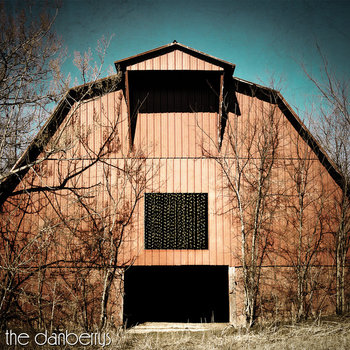
The Danberrys

The first thing to strike one about this Tennessee quintet is the source of their name. Led by married couple Dorothy Daniel and Ben DeBerry they amalgamated their surnames to baptise the band. The second and more important note is how good they are. The opening song of this album, Here We Go Round would stand proud on a Cowboy Junkies album with Daniel’s voice as strong and sultry as Margo Timmins. Stately and impressive Here We Go Round has sinewy mandolin and Dobro buttressed by a sombre fiddle and immediately the ears perk up. Rain In The Rock which follows is a fast flowing intricate acoustic romp which has muscle aplenty from the strong vocals to the short acoustic guitar breaks. Third song in and DeBerry takes over vocal duties with Blow On Wind, a classic song in the making which has a chorus to rival that of Old Crow Medicine Show’s signature Wagon Wheel.
An impressive introduction to the album these three songs are as good as any we’ve heard this year. Daniel and DeBerry along with Ethan Ballinger (mandolin, guitar), Christian Sedelmyer (fiddle) and Jon Cavendish (bass) are slick and tight with a fine ensemble sound while Daniel and DeBerry are fine songwriters. There are several other gems to be heard over and above the opening salvo. Over and Over with DeBerry on vocals is a fine dreamlike concoction that reminds one of David Crosby while Annie Wants To Go Home revisits Cowboy Junkie territory with a powerful vocal performance from Daniel.
website

Diana Jones. Museum of Appalachia Recordings. Proper Records.

When I reviewed Diana Jones‘ previous album, High Atmosphere I said it simultaneously sounded sixty years old and contemporary. Her careworn voice and superb ability to author heartbreaking tales of hardship and woe had a deep affinity to pre-war country recordings while the delivery by a stellar bunch of musicians led by producer Ketch Secor was top notch. Two years later and with a bunch of songs written while on tour Jones decided to eschew a studio with “isolation booths for a variety of musicians to overdub parts” and instead headed for the Museum of Appalachia in Clinton, Tennessee, a living museum and part of the Smithsonian Institute where she set up shop in a cabin with Matt Combs (fiddle, mandolin, banjo, mandola, viola) and Shad Cobb (fiddle, mandolin, guitar). With a log fire, one electrical outlet and one naked light bulb in the cabin they spent two days recording and the end result is this Museum of Appalachia Recordings album, 11 songs that are as old as the hills and as fresh as today’s milk.

Jones’ voice stands out immediately with its air of resignation and wearied tone. At times reminiscent of Karen Dalton she sounds as if she’s lived these tales. And such tales. Jones tries to show a redemptive path to God’s grace on O Sinner while Drunkards Daughter is a cautionary tale of how the sins of the father rest on the daughter. Song For a Worker is an uplifting song of praise to the Lord’s day when the workers rest and worship while Satan sets the temptation of Jesus to a mandolin driven jaunt. The overall tone of the album is reverential reflecting the God fearing folk of past times, humbled in their poverty, battered and bowed on a daily basis but buttressed by a belief in their faith and the promise of a better life thereafter. Misguided perhaps but there’s no denying that back in the days this belief allowed folk to endure hardship we can’t imagine now and Jones captures this with an astounding veracity. Simply put every song here is a delight and sitting back listening to the strings and things melting and meshing together one can almost imagine sitting in that log cabin and being transported to those yesteryears. An excellent record.
label website

Hillfolk Noir. What’s That Hat For?/ Travis Ward. Jump Ups & Jollities


Blabber’n’Smoke’s favourite junkerdash (psychedelic swamp-shack rags) band Hillfolk Noir attack the UK on three fronts this month with these two releases and a tour that commences today and which packs in 18 shows in 19 days including a sweep through Scotland. Perhaps the finest proponents of old time jugband, folk and blues songs around these days their previous albums have all had a no frills approach to the recording process, clutched around the one mike, recording in a penitentiary or mimicking pre war radio shows as on their last album Radio Hour. Radio Hour featured a six piece line up but What’s That Hat For? finds them slimmed down with bassist Michael Waite supporting Allison and Travis Ward with a subsequent slimmed down sound. Nevertheless the three of them still manage to whip up a stirring feast with lashings of slide guitar, banjo picking, washboard, harmonica, snare drum snaps, singing saw and rough and ready vocals.
While there’s a slightly heavier reliance on driving acoustic blues hollers than on the previous albums with the opening song Goin’ Out West a perfect example they still deliver some excellent jugband delicacies such as their vibrant rendition of You’re A Viper while the very brief instrumental Zone-d is a zany goofball of a tune. There’s even a touch of skiffle on the closing Little Black Train but it’s on songs such as Cluck Old Hen and the cautionary tale Drugbust that they display their almost telepathic empathy and capacity to sound ragged and loose while being as tight as a duck’s proverbial behind. If you want a definition of good time music you’ll find it here.

As if What’s That Hat For? wasn’t enough Travis Ward steps out with a solo album of sorts, Jump Ups and Jollities. While he sings and plays guitar, jaw harp and banjo Allison Ward is in here with banjo, washboard and washtub so in essence it’s Hillfolk Noir slimmed down yet again. Less frenetic than Hat Ward utilises the talking blues technique on several of the songs here while others are reminiscent of old time folk troubadours. Recorded in two studio sessions there’s a live feel to the songs. While he can nail venerable old songs such as Hallelujah I’m a Bum, Death Don’t Have No Mercy and So Long It’s Been Good to Know You Ward comes up with some crackers of his own. The Stranger and Rowdy McLeod sounds as old as the hills as Ward and banjo regale us with a classic tale of Western derring do, death and revenge. North of Appalachia and Old Pack River Road are both steeped in tradition while Crow Juice which lasts all of 30 seconds just about sums up old time Americana folk.
Pages From a Folk Singer’s Diary is a magnificent pastiche of sixties talking blues where he wonders if he should have been a film critic instead of a folk singer as he reminds us that Morricone did the soundtrack to John Carpenter’s The Thing. Pete the Hobo revisits the talking blues as Ward deconstructs the genre with a sly twist as he meets a transvestite hobo, very much in the same vein as Dylan’s Motorpyscho Nightmare this one raises a smile.
Both of these albums showcase the undoubted talent of Travis Ward and on the strength of these you’d be crazy not to catch him and the band ( who are touring as a trio this time). You can check the dates on their websitewebsite but they include Biggar, Edinburgh, Kilbarchan and Irvine.

I See Hawks In LA. Mystery Drug. Blue Rose Records

While there’s no shortage of contemporary Americana bands, duos and solo artists digging into the roots of folk, blues, bluegrass, old time, ragtime and whatever its apparent that there’s a thirst for the first blossoming of what was then called “country rock” with hardly an issue of Mojo or Uncut not featuring Gram Parsons, The Byrds or the Eagles. While Gram ain’t touring anymore, the Byrds have flown and the Eagles disintegrated into stadium mush I See Hawks In LA, a grizzled bunch of veterans, have kept the LA canyon flag flying. Playing a sweet, pedal steel flavoured with telecaster topping seventies influenced rock sound they include survivors from the psychedelic sixties in their line up and have long championed environmental issues. A bunch of old hippies perhaps but over the past few years they’ve released a solid bunch of albums and Mystery Drug, the latest coincides with a rare visit to the UK with some Scottish dates included.
With a fuller sound than their last offering, New Kind Of Lonely, the songs here almost define that “peaceful easy feeling” one expected when listening to the latest release on Asylum records back in the seventies. Rob Waller’s voice is relaxed and comfortable while the harmonies gently caress. Pedal steel and accordion support the strummed guitars on several of the songs and there are moments when they rock out with some snarly twanging guitar such as on Rock N Roll Cymbal From The Seventies or the fast driving one and half minute snapshot My Local Merchants. However the real joy is to be found on songs like The River Knows where the pedal steel keens superbly or the excellent opening song Oklahoma’s Going Dry with its environmental message. The title song sounds as if it could have been written by John Stewart as it conflates the drug experience with pirates sailing the seven seas. Yesterday’s Coffee is classic 70’s LA rock while We Could All be In Laughlin Tonight is a fine careworn description of the trials and tribulations of a road weary band. There is some variety with the southern Little Feat like boogie of The Beauty Of The Better States and the accordion flavoured One Drop Of Human Blood but overall the main vibe is of a band who inhabit a time and space that may have passed into the mists of time but fortunately for those who were not there a trip into Mystery Drug can capture some of the essence of that time. And if the album is not enough I See Hawks In LA are heading down Topanga Canyon with their satnav set for the UK and gigs in Dingwall, Glasgow, Kinross, Perth and Inverness in June. Full dates on the website.

Kete Bowers White River Road/Ghosts single release

Liverpudlian Kete Bowers delivered a fine album with his 2011 release Road which featured the great BJ Cole on pedal steel. Introduced to American music by his Scottish grandmother who played Hank Williams, Elvis Presley, Roy Orbison, Jim Reeves and Jerry Lewis on the family turntable he turned in a set of wearied songs that could have been conjured up in a dusty Austin bar. Two years down the line and he pops up again with a single release featuring two new songs.
Harking back perhaps to his grandmother’s tastes the “A” side, White River Road is a laid back ramble with a tasty guitar twang and some sweet pedal steel (no Cole this time as the steel is supplied by Paul Hilton). Lyrically Bowers also harks back as he sings “I’ve lost friends to angels, gods and stars” while the twanging guitar creates a memorable hook that recalls Richard Hawley’s fatback moments.
The “B” side, Ghosts is a starker affair and reminds one of the better moments from his album. The pedal steel is joined by organ to provide an atmospheric backdrop to Bower’s cold acoustic lament. As it slowly jangles along Bowers describes a ghost town of the soul and Hilton’s pedal steel cries into the sky with shivering effect. Hopefully this is a precursor to more of the same on an album yet to come.

Buy it here

Tiny Television. Just This Side of Everything.

San Francisco based Tiny Television released their fine debut, Mission Statement, back in 2009. A dusty Dobro driven slice of classic Americana its weathered well and still gets played in the Blabber’n’Smoke habitat. Four years down the line and one successful Kickstarter campaign later Just This Side of Everything crawls into the light of day and after rubbing its eyes and adjusting to the light goes on to prove itself a worthy successor to its elder sibling building on the more melodic moments from Mission Statement such as Carolina and the southern country funk of C.R.E.A.M. which was that album’s highlight.
Retaining the core of the band that recorded Mission Statement (Drummer Dan Luehring and guitarist Dave Zirbel ( on guitars, banjo, Dobro, wurlitzer, piano and pedal steel with the bass baton is taken up for the most part by Mike Anderson) mainman Jeremy D’Antonio provides all of the songs and delivers them with a fine relaxed drawl that inhabits a careworn space much as the early Kris Kristofferson did.
Kicking off with a brief variation on That’s Alright with a rockabilly skip and some excellent Dobro work the song then dips into Swing Low Sweet Chariot before winding up. An odd opening given that D’Antonio has a fine handle on his song writing as evidenced by the following Fire In Your Heart. This is a great song with the band channeling Springsteen’s pop touch, it’s not a million miles away from the boss’s Dancing In The Dark period, hook laden and radio friendly with the band and in particular the keyboards providing a triumphant swell. Jungle drums introduce Virginia before a Duane Eddy cowboy guitar rumble propels the song into Western territory with a widescreen vista as D’Antonio sings of his lost love while Jess Denicola on backing vocals summons up a zephyr blowing his memories away. With a short, knife sharp solo from Zirbel this is rousing stuff. The banjo driven Brother with its barroom piano moves the band into country mode while Devil delves into older and more primeval roots as Dobro and banjo snake their way through swampy atmospherics from the rhythm section. D’Antonio clings to the song like a drowning man singing from the well of despair, spooky indeed.
Following this one up is a tall order and the Gospel soul tinged The Way It Goes, although fine in itself sounds somewhat forced and out of place here and introduces a lull in the album with Jackson and Hear The Sound which follow failing to capture the spirit of the earlier songs. However they muster up a tremendous double whammy to close the album. Mississippi is a fine band workout with guitar and pedal steel circling like vultures around a cold tale of the deep south and recalls the Stones in their best Southern drapery. The closing Blood & Wine is a majestic ballad with D’Antonio duetting with Jess Denicola And Laura Dean while piano and strings buttress them recalling the glory days of Gram and Emmylou. Despite the occasional lull Just this Side of Everything is a fine listen and stakes Jeremy D’Antonio and Tiny Television’s claim to be one of the better prospects over the next year or two. At the end of Blood & Wine D’Antonio is heard asking “how’s that.” The answer must be “fine indeed.”

website