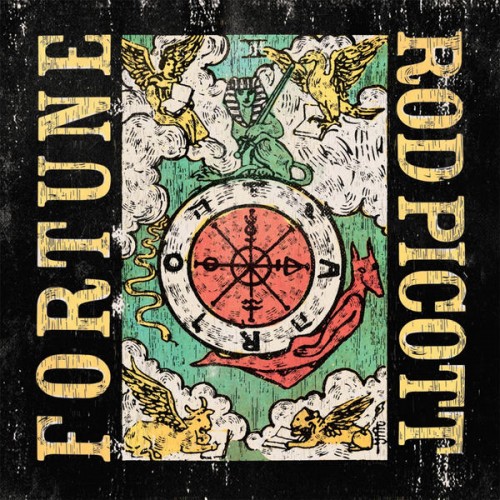
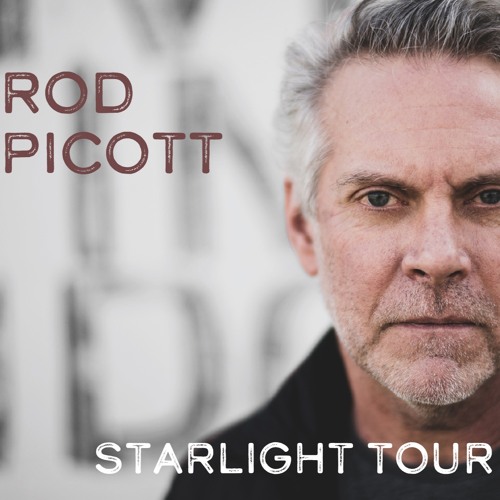
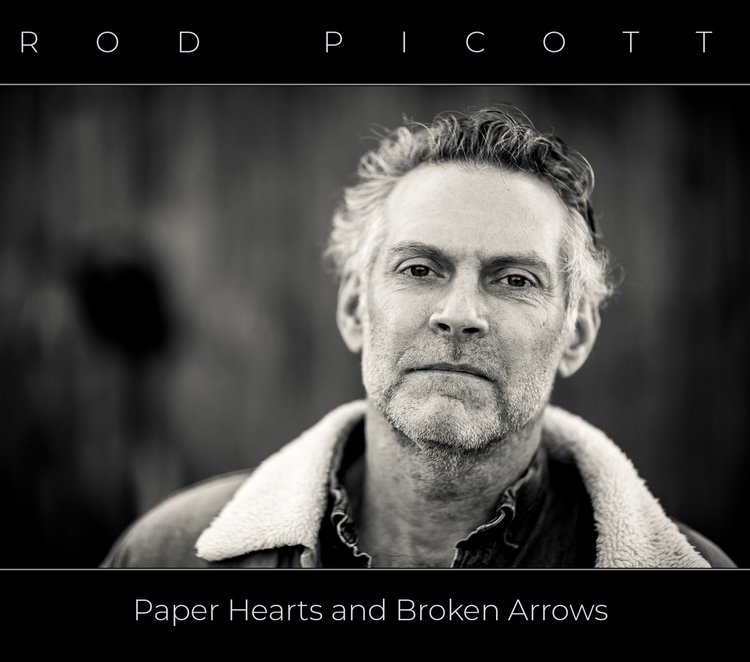
Rod Picott, currently touring the UK in advance of this album’s release, follows on from the superb Paper Hearts & Broken Arrows with the equally superb Starlight Tour. For anyone familiar with Picott there’s little here that is new or innovative and that’s not a bad thing. Indeed, the old idiom if it ain’t broke don’t fix it certainly applies here as Picott has steadily released a series of albums which have met much acclaim while he remains a huge favourite on the UK touring circuit.
Starlight Tour finds Picott once again in the company of producer Neilson Hubbard who also drums while Lex Price on bass and Juan Solorzano on guitars, keyboards and trumpet complete the band set up. They can whip up a fine rocking sound as on the driving diatribe against the opiate epidemic scourging the States which is Wasteland or delve into junkyard blues on the pulverising Digging Ditches but for the most part the band are more restrained, allowing Picott to play to his strengths – the raw emotional impact he carries when he strips his songs back to the bone. He goes straight for that emotional jugular on several songs here with Television Preacher a pitch perfect capture of a dirt poor family sending their money to a televangelist while the title song finds Picott at his best, finding poetry amidst misery and cruel fate.
A songwriter who has turned his hand to writing novels and short stories, Picott is a supreme chronicler of the loss of the American dream. Homecoming Queen (co-written with Amy Speace) tells the tale of a small town girl, once feted, now faded, while Pelican Bay finds an army veteran recalling the love of his life and their resultant daughter as he wanders lonesome on a beach, scratching his wife’s name in the sand and watching the ocean wash her away.
The band feature heavily on the opening song Next Man In Line, adding a fine muscular tension on this ode to Picott’s ailing father which contrasts his prime moments with his latter decline and ponders on his bloodline. At the other end of the album Time To Let Go Of Your Dreams finds Picott in an elegiac mood, not raging at the dying of the light, instead, proposing an acceptance of the inevitable, a good life followed by a good and peaceful death. It’s a wonderful song, tender and moving, a perfect close to a powerful and moving album.
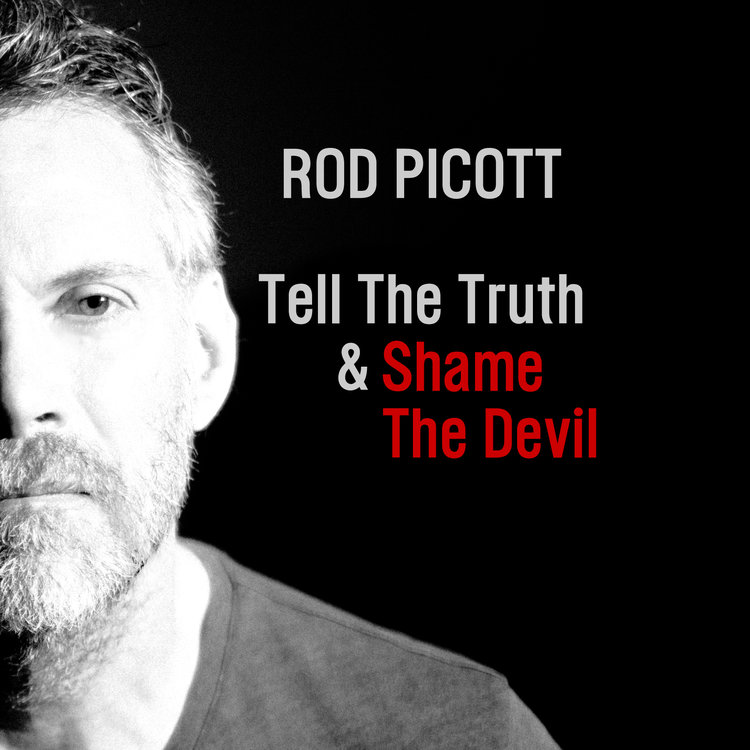 Rod Picott has carved himself a career, a stellar series of albums and consistent touring finally allowing him to give up his day job as a sheetrock hanger. Tagged as a “blue collar” storyteller he has recently branched out into the world of literature publishing his poetry and a book of short stories but he was almost derailed last year following a major health scare. He survived, thankfully, but that brush with mortality gave him pause for thought leading to this, his most stripped back and personal album so far. Tell The Truth & Shame The Devil is not solely about his illness but, as he says in his liner notes, “Confronting mortality, I asked myself a few questions. Who am I? Who have I been?” Some of the songs try to answer these questions, others delve into his past and a few are simply just excellent examples of his song writing as Picott bares his soul on what is a magnificent record.
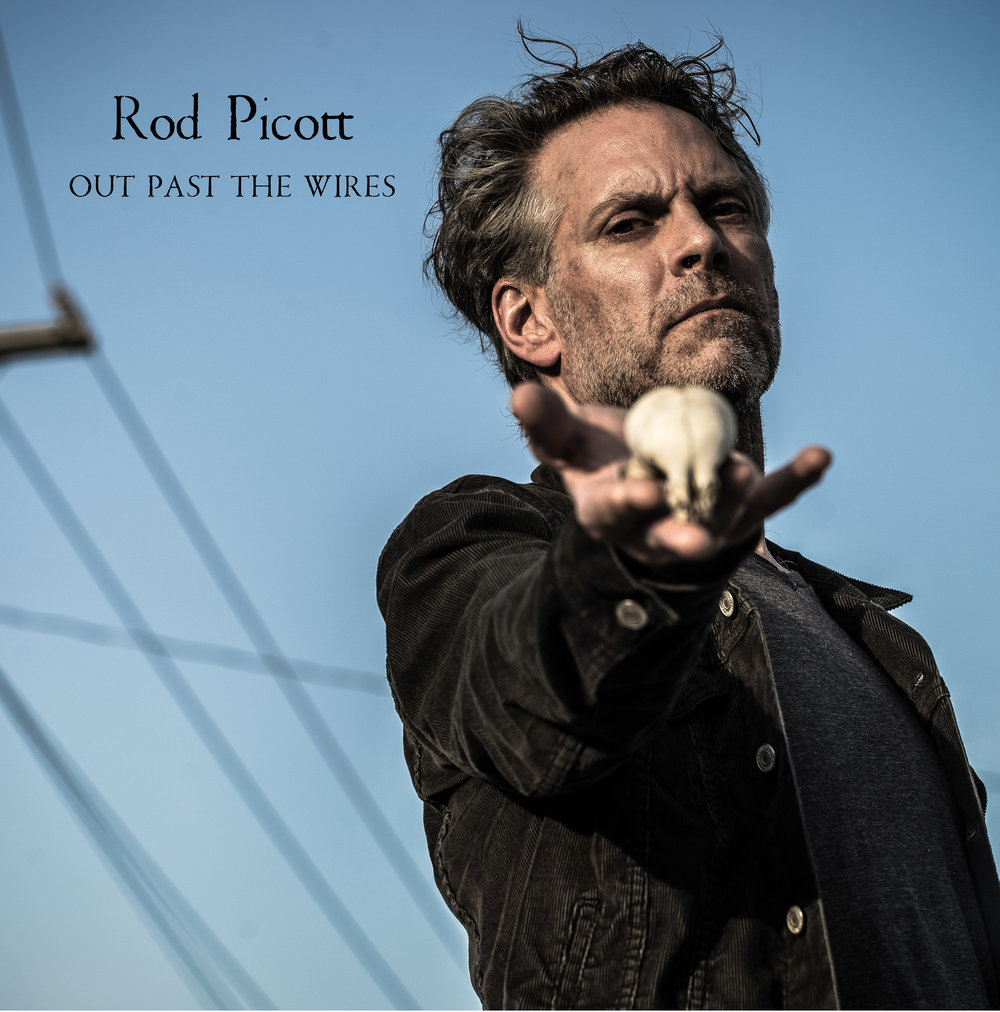 Whetting our appetite for his upcoming tour of the UK, Rod Picott releases his most ambitious album yet, the sprawling double disc (on CD and also on vinyl!) Out Past The Wires, 22 songs carved from his usual cast of blue collar workers, hard luck losers and folk living on the edge. Picott seems to have been extraordinarily prolific in the last year, the songs on the album whittled down from a long list of 78 to 32 serviceable ones, the ten spare songs expected to surface at some point. In addition he has released a collection of his poetry (
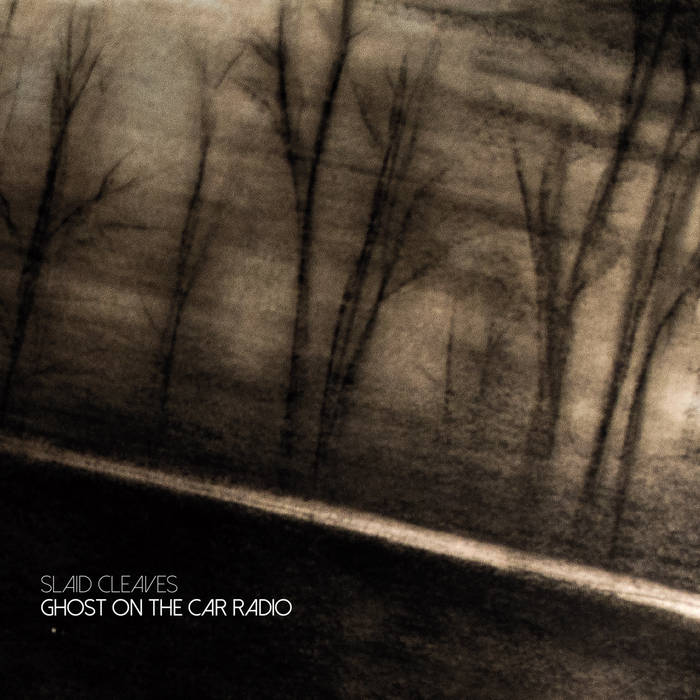 Never a man to let you down Slaid Cleaves again comes up with the goods with Ghost On The Car Radio, a magnificent selection of songs that, aside from acting as a primer on how to turn out a nigh perfect album, reflects our current troubled times. It’s not a political album per se but Cleaves continues to be a champion of blue collar working songs on the sly country funk of Little Guys and the finely burnished Primer Gray, both songs hanging on the automobile as a metaphor for the state of the nation. The pulsating Take Home Pay with its growling guitars is a fine a capture of day to day scraping it together, the protagonist, unable to compete with younger labourers, pawns what he has and considers selling his blood, as Cleaves explains, “I’m bone dry but I can bleed.” Continuing their mutual admiration society Cleaves features four songs co-written with his buddy Rod Picott and his version of Drunken Barber’s Hand (a pacier rendition than Picott’s on