Jim White. Misfit’s Jubilee. Loose Music

Trust Jim White to come up with what is just about the strangest genre ever, Geriatric Rockucana. It’s his (tongue in cheek) description of this motley collection of songs, written over the years but knocked back by the pen pushers who reckoned they were too Jim White like for  a commercial Jim White release. At least they weren’t like Geffen who tried to sue Neil Young for not sounding like Neil Young. Anyhow, songs in hand, White decamped to Antwerp to whip them into shape and the resultant album is perhaps his most varied, certainly his most exuberant album in a while. Sure enough, there is a steady whiff of his usual southern gothic musings throughout the album but there’s also a fine balance between what one expects from White and some new ventures.

The opening Monkey In A Silo is a typical White song pepped up with parping horns and a Farfisa organ sound as he steps into a fevered drug users’ dreamscape and if that mention of a monkey reminds one of The Pixies, then White delivers an excellent Pixies’ like churn on Fighting My Ghosts Again. Even more so, White delivers the dramatic chiascuro of Smart Ass Reply, a song which he describes as being inspired when he had to choose between Alice Cooper and Jesus way back in 1973.

Given that most of the songs are vintage, it’s no surprise that several of them hark back to White’s groundbreaking debut, Wrong-Eyed Jesus, in terms of their structure. The Mystery Of You might contain more bluster but it’s not too far from the majesty of the songs on that album. Likewise, there’s the sly funk of Where Would I Be and the sonic weirdness of Highway Of Lost Hats. The pinnacle is the rattling boned My Life’s A Stolen Picture which has kenspeckle banjo jutting out from a muscular rythym section as White roams through popular American culture as if it were a Hieronymus Bosch painting.

The closing song is presumably a recent write. The Divided States Of America ditches much of the paraphernalia which accompanies the earlier songs as White, singing straightforwardly, eschewing his distorted mics, acutely describes the current state of the union. His speech at the end is passionate and quite uplifting.
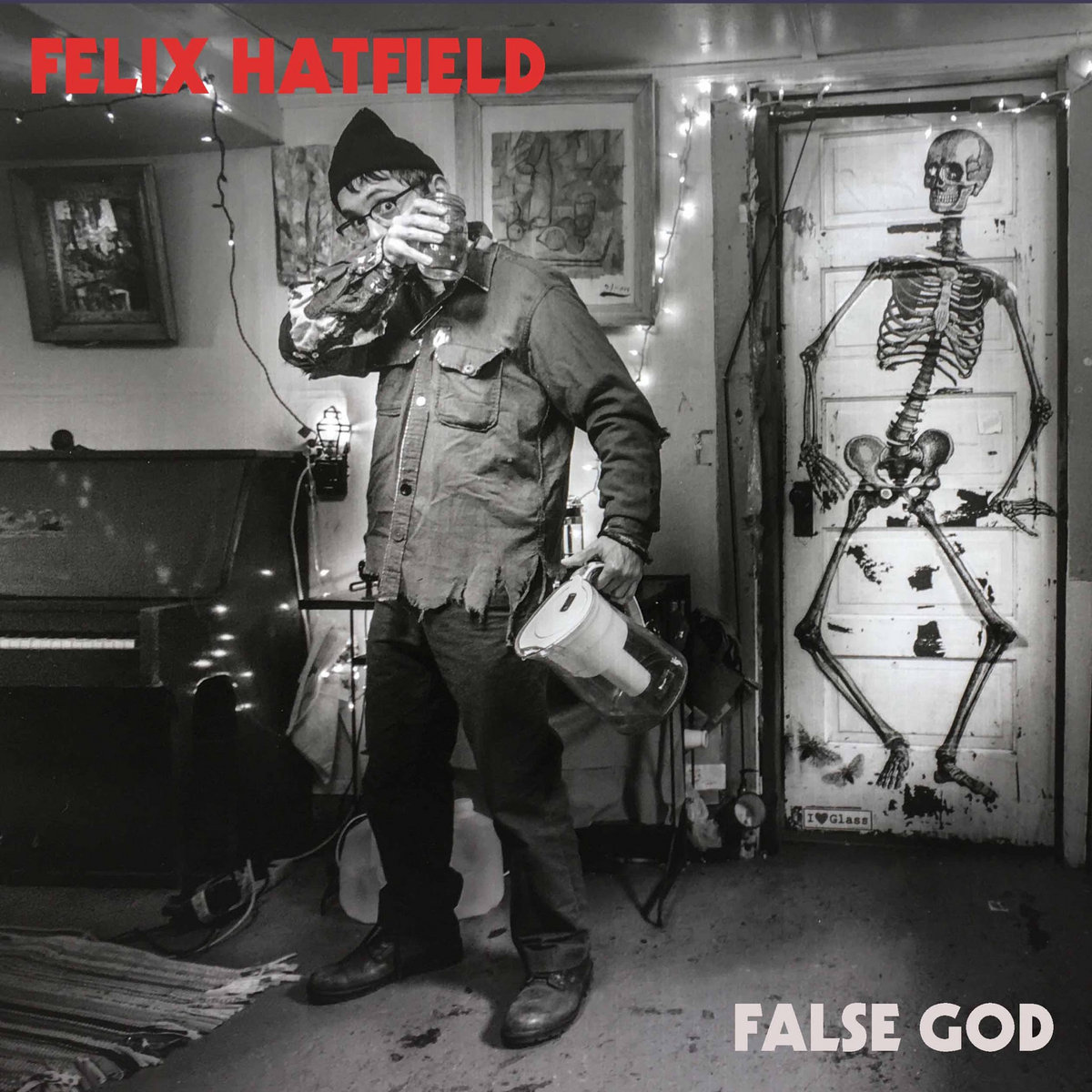
Felix Hatfield. False God. Fangbite Records

Boundaries, released in the UK in 2019, proved Felix Hatfield to be an exceptionally talented artist working in a field of one. A musician, painter and filmmaker who, if he can be classified might be considered surrealist (although Dadaist might be more appropriate), Hatfield donned the mantle of a hobo musician for Boundaries on a set of songs which offered a somewhat skewed summary of an odd love affair. Recalling old blues musicians such as Gus Cannon and Uncle Dave Macon along with comparisons to Michael Hurley, Boundaries was an excellent stripped back affair and one of our favourite albums of last year.

False God retains Hatfield’s cock-eyed view of the world but it finds him accompanied by a bunch of musicians who, oft times, resemble a late night New Orleans bar band, by now well juiced and hopped up. His wayward voice, languid and laidback, is sweetened on several occasions by harmonies from Jolie Holland and Esme Patterson, and throughout the album Hatfield surprises and delights with deft detours from this basic template.

Seeing Things sets the tone as a boozy sax introduces Hatfield’s waking dream world where Leonard Cohen is an echo in the canyon and images of death and destruction are entwined with reveries of physical intimacy. As was the case on Boundaries, the song references another on the album and it’s little touches like this which add to the attraction here. Sick With The Flu (how apt!) seems to be an anti-love song as Hatfield ponders on how he and his companion seem to suffer from love sick notions but acknowledges that theirs is a minor ailment in comparison to real hardships. These songs mirror many of the preoccupations of Boundaries and Hatfield maintains this on the retro sounding folkiness of Train To London and on the woozy ragtime of Nobody For Me. False God could be/probably is a salute to atheism with a sax parped velocity to it and there’s an insight to Hatfield’s live presence on the insanely vibrant Secret Society which comes across almost like a modern day Fugs.

Hatfield can whittle down a straightforward song as on the portrait of a grandmother reminiscing on her long past outrageous acts on the wonderful Her Crazy Days and deliver delicate love songs on That Kiss and Walking Distance, a song which recalls Will Oldham’s lofi approach. Picking up his banjo, he revisits the hobo mantle of Boundaries on Troubled Person which is truly sepia stained while Unicorn Woman finds Hatfield singing a wavering psychedelic folk song which is surely a finger pointing to some of his influences which we conclude would include Peter Stampfel and Ed Askew.

While Boundaries was one man, his guitar and his hobo leanings, False God has more variety but essentially, it’s still one man and his gifted outlook on life.

http://www.felixhatfield.com/

My Darling Clementine with Steve Nieve. Country Darkness Vol. 3. Fretsore Records

And so, after some Covid induced delay, here’s the third and final instalment of My Darling Clementine’s foray into the country and soul roots of Elvis Costello. Another four track EP, the disc finds the band again playing with Steve Nieve and the nucleus of Richard Hawley’s band. As before, Nieve’s contributions were relayed electronically but the band members had to wait until the national lockdown was relaxed before they eventually got into the studio.

When investigating Costello’s catalogue to find songs which displayed his Americana bent, the duo sought songs which would suit their own specific style, that classic male/female harmony and counterpoint in the manner of the great partnerships that have sailed across the country charts. To this end, they have a perfect example in the closing song here when they offer a superb reading of Why Can’t A Man Stand Alone ?, a song Costello wrote for Sam Moore (of Sam & Dave) who, in the end, didn’t record it. The song appeared on Costello’s All This Useless Beauty album and according to Michael Weston King, in an interview with Say it With Garage Flowers, “There is a male verse which starts: “Why can’t a man stand alone?”, and the second verse is a female one: “Why can’t a woman be just what she seems? So that immediately felt right for a duet.” The original has its fair share of drama but My Darling Clementine add to that as they enter the song softly with their sweet dueting over a simple electric piano before slowly building to a crescendo, sounding for all the world as if they were starring in a Broadway musical.

Having delved deep into Costello’s backwaters, it’s a nice surprise to find that there are two songs here taken from one of the man’s most celebrated albums, King Of America. I’ll Wear It Proudly is perfect My Darling Clementine fodder, allowing the pair’s voices to entwine wonderfully while Nieve’s arrangement is quite colossal. Indoor Fireworks is a song which Lou Dalgleish has featured live for many years and the duo have recorded it pretty much as they deliver it live. Just the two of them and it’s the only song on the collection which does not feature Nieve and, as such, it depends on their vocal chemistry  which is, as the song says, as safe as houses. Again, it’s quite masterful as to how Weston King and Dalgleish transform Costello’s solo voice into a piece for two singers. Finally, there’s the rather raucous delivery of The Crooked Line, originally on Secret, Profane and Sugarcane. On the previous EP there was a Tex Mex influence on Different Finger with some Augie Meyer styled keyboard but on The Crooked Line, they wig out as if they were exhuming The Sir Douglas Quintet. With swirling Vox organ and oodles of twangy guitar replacing the originals bluegrass styled outing, it’s a grand listen and the band bring it to a storming close.

All in all, My Darling Clementine’s adoption of these songs has been an interesting and at times, exhilarating ride with Nieve’s participation a particularly welcome addition to their musical palette.

Country Darkness Vol. 3 is available on limited edition vinyl and download and the vinyl selection comes with a bespoke slip case to fit all three volumes. In addition, all 12 songs gathered on the EPs will be released on a single CD in November with a brand new My Darling Clementine song added. All purchase options are here.

Leyla McCalla. Vari-Colored Songs. Smithsonian Folkways Recordings

This reissue of the debut solo album from Leyla McCalla, a former member of The Carolina Chocolate Drops and one quarter of the award winning Songs Of Our Native Daughters, serves to remind us that McCalla is a powerful force in her own right and that she has been at the forefront of reclaiming Black culture for several years now, along with her former band mate, Rhiannon Giddens. Subtitled “A Tribute To Langston Hughes,” the album features McCalla setting several of the Harlem Renaissance poet’s poems to song but she also brings in songs celebrating her Haitian heritage and follows the immigrant trail from Haiti to New Orleans.

While it was the banjo which was at the forefront for all four participants on Songs Of our Native Daughters, here, McCalla uses her primary instrument. the cello (on which she was classically trained) on several of the songs. However, much of the thrust is similar in that the songs are quite bare boned with minimal instrumentation allowing the vocals to really engage. At times McCalla reminds one of the late Karen Dalton, a singer who always had a bluesy and bruised relation to her songs and the wonderful and woody timbre of her cello, sometimes offset by gliding pedal steel, allows the album a timeless feeling.

That cello and steel guitar combination dominate the excellent opening song, Heart Of Gold and it’s a perfect introduction as McCalla extracts words from the Hughes’ poem which gave her the album title as she evokes the traditional need to move on from racist climes to better pastures. Her own song, When Can I See The Valley, is something of a riposte as she reckons that those better pastures might be on the other side of life. There’s an undeniable power in the words of Hughes, and McCalla highlights this on the tenebrous threnody of Girl and on the stark evocation of a lynching on Song For A Dark Girl, a song which rivals Strange Fruit. However, away from this darkness, Too Blue is a given a fine old time string band arrangement which somewhat disguises the sheer hopelessness of the protagonist.

Hughes visited Haiti and McCalla ponders on whether he heard some of the songs she has reclaimed here. A chance encounter with an album of Haitian folk songs ignited a desire to add these to the album and so we have the wonderful Creole version of Mamman Mwen (with Rhiannon Giddens harmonising) and the excellent Mesi Bondye which is French chanson married to a Caribbean delight. Compounding this connection, Kamen Sa w Fe? , based on an Alan Lomax recording in 1937 of a Haitian musician, Ago Fixe, aches with the emotional power of Piaf in her prime. No slouch in her own writing, McCalla closes the album with a song which we presume alludes to the flooding of New Orleans on Changing Tide. Despite this tragedy, there is a sense of optimism and rebirth.

 Vari-Colored Songs was highly praised on its release back in 2014 with several publications nominating it for album of the year. It’s timely reissue on Smithsonian Folkways Recordings (and nicely annotated in the liner notes) is to be welcomed in these turbulent times.

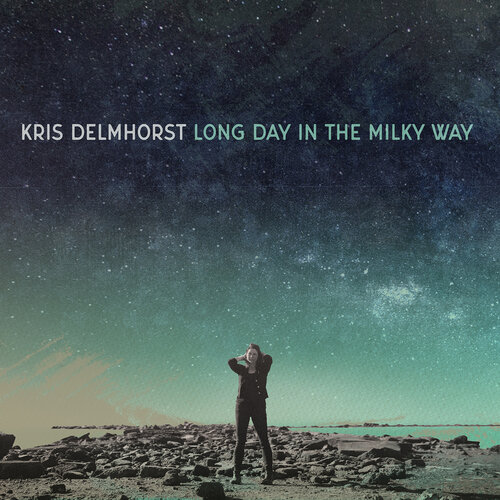
Kris Delmhorst. Long Day In The Milky Way. Big Bean Music

longdayinthemilkyway-cover

Somewhat stealthily, Kris Delmhorst has become one of those artists of whom any news of a new release is guaranteed to raise one’s pulse. Long Day In The Milky Way, her eighth release, does not disappoint as she leads the listener through 12 songs of captivating beauty. With most of the songs written at a songwriters’ retreat, Delmhorst worked in particular with a trio of gifted female singers (Rose Polenzani, Rose Cousins and Annie Lynch) and their glorious and ethereal harmonies cosset Delmhorst’s laidback delivery throughout the album. Surrounding them is a fine ensemble of musicians, a pocket folk orchestra if you like, adding gentle layers of sound, muted guitars and keyboards over a supple rythym section and strings.

The result is an album which washes over the listener, leaving a fine glow. There’s a luminosity in songs such as Wind’s Gonna Find A Way, Nothing ‘Bout Nothing and Flower Of Forgiveness which, like a moth to a flame, are somewhat irresistible. A cover of Rickie Lee Jones’ (one of Delmhorst’s guiding lights) The Horses, adds a bit more heft in its slight propulsion with the band moving up a gear and  they then turn the dial up a little bit further on the sly mix of funk and strings of Secret Girl. Crow Flies has a slight touch of Joni Mitchell’s Hejira in its arrangement while Golden Crown, which opens with a mesmerising keyboard motif and elaborate choralising has roots in Malian music. Harking back to her own folk roots, Delmhorst enlists her infant daughter as a co-writer on the comforting Bless Your Little Heart, inspired by the pair of them listening to a Michael Hurley song and the album ends with a song which Delmhorst describes as a letter to herself on Call Off The Dogs. It’s another gem of a song with rippling strings and perfect harmonies and, as with all the songs here, Delmhorst manages to connect her inner world, the wonders of nature and the eternal mystery of how to live one’s life and gather them all together into one all encompassing message. Essentially, Long Day In The Milky Way, is a glorious creation.

https://www.krisdelmhorst.com/

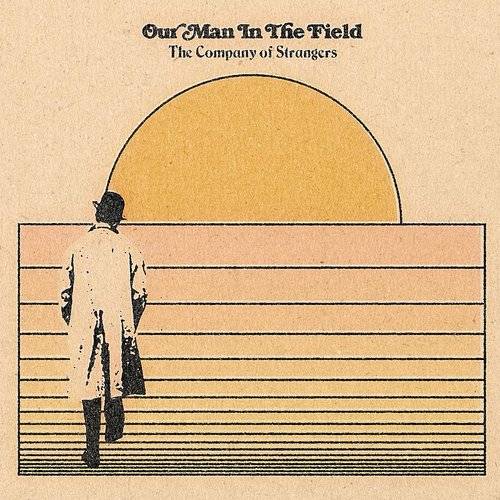
Our Man In The Field. The Company Of Strangers. Rocksnob/Rootsy Music

Sometimes talent will just out and for singer songwriter, Alexander Ellis, a series of serendipitous events (chance meetings, Youtube videos and Scandinavian fans staying to watch the last act of the night) have led to him fronting Our Man In The Field and releasing their debut album on the Swedish label Rocksnob, an offshoot of the well regarded Rootsy Music. You can root around the ‘net for all the stories here but suffice to say that Ellis, having played many of the songs included here solo at any number of noisy pubs across London for a decade, began to form a gang. And a splendid gang it is with bass player Tom Rosenfeld, Henry Senior Jr. on pedal steel and Greg Bishop on drums, giving Ellis’ songs a wonderful waft and wallow of unadulterated  and very deft country rock and folk stylings.

Recorded live in the studio, this is a beautifully crafted and carefully measured album which allows Senior’s playing to colour most of the songs while Ellis’ wispy voice sends us postcards from the emotional frontline. There are elements of Laurel Canyon, of songwriters separated by time such as Tim Buckley and Nels Andrews, along with a whiff of Celtic mist within the mix, but the whole is greater than the parts as when a banjo erupts from nowhere to dominate and ground the ethereal Easy Going Smile. There’s also a huge emotional heft at times as with the wonderful performance of It Is What It Is which has a lovely pedal steel lick at the beginning before the band and Ellis descend into an introspective melancholia. Here Ellis excels on vocals, wailing here in a manner which is reminiscent of the best of Alan Hull or Kevin Coyne or even Loudon Wainwright.

Whether it’s the fleet footed melodrama of Swansong (Don’t Play With Matches), the rustic rumble of Pockets or the autumnal shades of Eleanor’s Song, one is always impressed by the sheer quality of the band’s playing. Meanwhile songs of the calibre of Thin (I Used To Be Bulletproof) – a real pedal steel swoon suffused with vulnerability- or It Was Ever So, inspired by the closure of a London fire station but a universal plea for social justice, show that his years of jobbing on the live circuit have honed Ellis into being a superior songwriter. The relatively spare and unadorned Don’t Speak, close to the end of the album, allows the listener a peek into Ellis alone and it speaks volumes that here he is just as engaging as he is when adorned by his band’s superb playing.

The Company Of Strangers has been a debut long in the making but it’s delivered fully formed and announces a significant new talent. Here’s to serendipity.

https://www.ourmaninthefieldmusic.com/

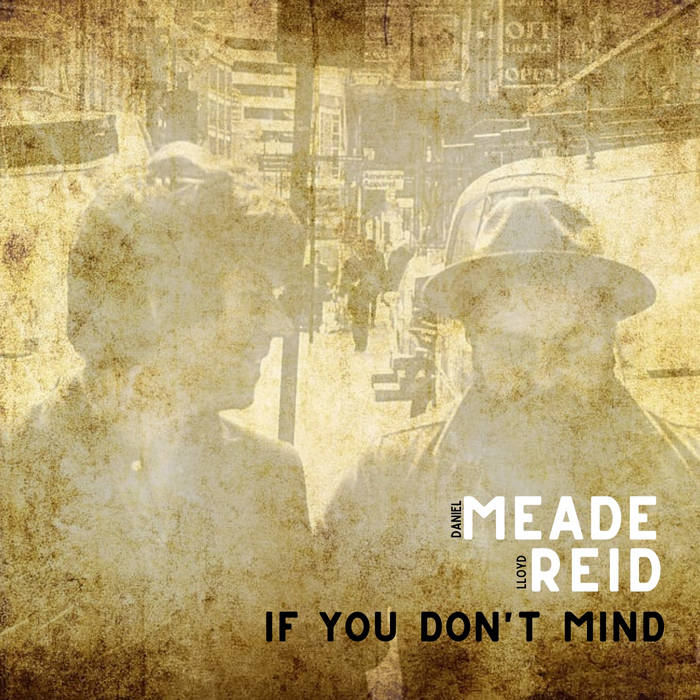
Daniel Meade & Lloyd Reid. If You Don’t Mind

An old buddy of Blabber’n’Smoke, Duke Dali, was released for a while recently and having glommed on this release amidst a pile of albums awaiting review, decided to wax on it.

Glasgow’s dynamic duo, Meade and Reid, have been joined together at the musical hip for nigh on 14 years, playing as a duo and in the bands The Flying Mules and The Meatmen, in most of Glasgow’s dives and in some of our more salubrious saloons and venues. In addition, they have an international profile having built up an impressive rolodex of influential chums (including Old Crow Medicine Show and Sturgill Simpson) and have graced stages far and wide with their infectious mix of country, rockabilly and good ole’ fashioned rock’n’roll. Daniel Meade may be the more familiar name having released a slew of solo albums alongside his band projects but those in the know, know that when Lloyd Reid is in the mix then the pair really work their magic.

If You Don’t Mind is the first release (bar an earlier single) to have both their monikers on the sleeve and it’s the culmination of a germ on an idea hatched on a tour bus some years back but only realised in lockdown isolation. Reid’s guitar has been a vital part of Meade’s sound over the years but he has been expanding his vistas adding steel guitar to his well regarded fluid Hofner guitar licks and here he provides an incredibly impressive array of sounds to Meade’s well honed songs. The closing song here, Why You Been Gone So Long, features his trademark runs which owe as much to jazz guitarists as it does to country slickers as he lifts an already excellent song into the ether (not to mention Meade’s fantastic piano solo which is just sublime).

Why You Been Gone So Long is a fine example of Meade’s ability to produce an immediate classic, sounding as it does as if Woody Guthrie could have penned it and throughout the album he hits the mark time and time again. The anguished If You Don’t Mind kicks off proceedings as the pair sound like The Rolling Stones playing in a puddle of beer amidst broken glasses in an old time saloon. Hard To Be A Man These Days belies the remote recording involved in lockdown as the pair sound as if they were hunkered down in Sun studios in Memphis. Meanwhile, the very brief Give This World A Shake could have easily been inserted into a 1960’s soul revue.

Over the course of the album, Meade digs into hard luck and hardscrabble times. Choking On The Ashes has Reid adding weeping pedal steel and Mexicana guitar to Meade’s mournful words while Good Heart Gone Astray is a good old god dam country weep with honky tonk piano and keening pedal steel. Sleeping On The Streets Of Nashville is a grand tale of crashed dreams as a would be country superstar hits the skids but Meade and Reid do hit the highlights on the superbly performed Old Rope And Razor. Here, Meade writes a song which bears comparison with sixties luminaries such as Fred Neil or Tim Buckley while Reid’s guitar lights up the song like a Greenwich Village cafe neon sign. It’s perhaps the best number Meade has offered us over the years and with Reid’s nimble playing it’s quite sublime.

https://danielmeade.bandcamp.com/album/if-you-dont-mind

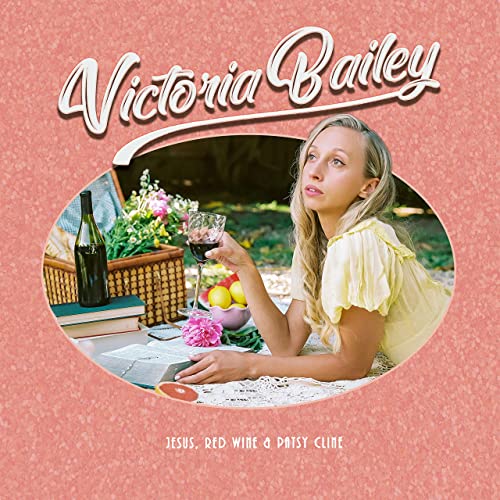
Victoria Bailey. Jesus, Red Wine & Patsy Cline. Rock Ridge Music

If the title isn’t enough to entice you in, the first few minutes of this tremendous album surely will as Victoria Bailey’s perfect country voice introduces Honky Tonk Woman. The band then kick in with a seductive blend of fiddle and pedal steel joy in a perfect country song which contains just about all the hurt, heartache, romance and religion one could ask for. It’s honky tonk heaven indeed and raised well above the bar by Bailey’s exquisite performance.

Steeped in music via her parents from an early age, Bailey grew up in Orange Country, California, but she seems as well versed in Nashville sounds as those of nearby Bakersfield and the nine songs on Jesus, Red Wine & Patsy Cline all confirm this. She has one of those pure country voices which hit on impact, think of Dolly or Patsy or Loretta and you’re halfway there, while she has assembled an accomplished set of pickers to accompany her. Have a listen to the country swing of Homegrown Roots with its zinging Dobro and impressive use of various percussive sounds and try not to be impressed. In addition, Bailey proves to be an excellent writer as she paints a picture of a dusty bar whose customers love their country music and paints this as well as Guy Clark once did.

Regarding Bakersfield, Bailey celebrates it on Skid Row where she sings, “Have you ever heard of the Bakersfield sound – Buck Owens, Merle Haggard and Dwight Yoakam’s town – and all this time you thought you had to be from the South to get a little respect for your country sound?” Having firmly stamped out any sense that country can only come from the south she then allows the south a shout out her wonderful take on Johnny Cash’s Tennessee which is chock-full of creamy pedal steel and twanged guitar while she approximates a good ole gal’s voice in a middle interlude. Tennessee mentions George Jones and Bailey takes a leaf from Cash as she peppers her songs with mentions of country icons, a nod to tradition perhaps, but she’s not beyond taking a pop at them also. Outlaws is performed in a Waylon and Willie style, the band, as always, magnificent, but Bailey’s sarcasm is evident as she sings from the viewpoint of the little lady at home as her beau goes on the road. The lyrics tell the tale as she sings, “Write her a love song, tell her that you love her but you leave her feelin’ blue.”

There’s more grief on Ramblin’ Man, an excellent tear stained ballad as her cowboy man comes and goes as he pleases while Spent My Dime On White Wine has a slight gospel influence with a soulful organ as Bailey sings of the trials and tribulations of being a jobbing musician. The album closes with the swoonfull Travellin’ Kind, another song about waiting around for a lover to return.

Jesus, Red Wine & Patsy Cline is one of those rare albums where all of the songs are quite superlative. Bailey’s not breaking any new ground here but she has delved into tradition and added her own take on it with the result that the album is one of the best we’ve heard this year.  Bailey is an absolute gem and a fresh breath of country air. Highly recommended.

Website

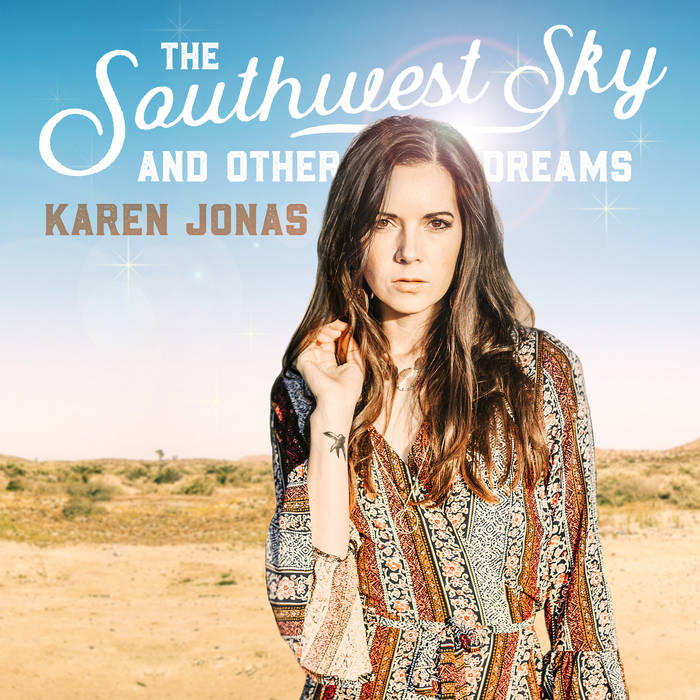
Karen Jonas. The Southwest Sky And Other Dreams

a2807884528_16

Karen Jonas’ fifth album really steps up to the plate in terms of song writing and delivery. It’s the album she’s been promising to make for some time, building on the many delights contained in her previous releases but here, Jonas, the songs and the band, all conspire to create a wonderful noise.

 As the title hints at, Jonas, from Virginia, is surveying the great southwest – the deserts and dusty towns, faded dreams and lurid fantasies. Some of the songs are personal, based on her memories of travelling around the Mojave Desert, others are based on sketches of characters and places glimpsed as Jonas toured across Texas. As might be expected, it’s an eclectic mix with neon rouged bars, bowling alleys and domestic drudgery all featuring and Jonas and her band conveying the essence of the places visited with an equally eclectic mix of sounds ranging from country to rockabilly and honky tonk. At the epicentre, Jonas is impressive, her voice quite wonderful.

The album opens with the note perfect portrait of a fading lothario, sustained by memories of seventies glory but now just The Last Cowboy (at The Bowling Alley). With its wonderful Tex-Mex country delivery adorned with sweet pedal steel, Jonas captures well the quiet indignities he inflicts on himself as the youngsters fail to celebrate his bowling skills. Palm Tree Paradise is another excellent slice of pedal steel fuelled country rock albeit a little bit chunkier and a lot more tearful as Jonas dissects a past relationship, summing up her partner’s shortcomings but admitting she’d do it all over again. Later in the album, Jonas returns to the theme of relationships on several songs which are fuelled with a desperate sadness and a barely restrained sense of fury but in the meantime there’s a couple of swell up-tempo numbers. Pink Leather Boots is a short and sassy rockabilly number which has a trucker mesmerised by a lap dancer, fantasising about taking her home to meet his mum. There’s more raunch and rockabilly in the roustabout Be Sweet To Me with Jonas snarling in fine fashion. Bridging the feisty and forlorn, Farmer John (no relation to the Nuggets frat rock number) is a dramatic slice of American gothic. The band slip and slither with a menace as Jonas kind of unravels while standing at the kitchen sink wondering where the hell her husband is. It’s Handsome Family territory perhaps but Jonas inhabits it well.

On a similar note but much more resigned in its delivery, there’s the incredibly moving Maybe You’d Hear Me Then,  a shimmering number which disguises the slow burning anger of a woman left at home while Barely Breathing is a more claustrophobic take on a similar situation. Better Days gets this all in the open as Jonas describes a pair of women, a hurt wife dependent on pills, a waitress waking up with a stranger, both, like our opening cowboy, dreaming of their better days. She closes the album with a gorgeous country infused lament on Don’t Blink Honey, a song which on first listen sounds like a lullaby of sorts but turns out to be Jonas’ summation of life, basically, it’s a losing game. It’s an elegant close to an album which is gritty in its substance and lifted by the sheer exuberance of the playing.

Website

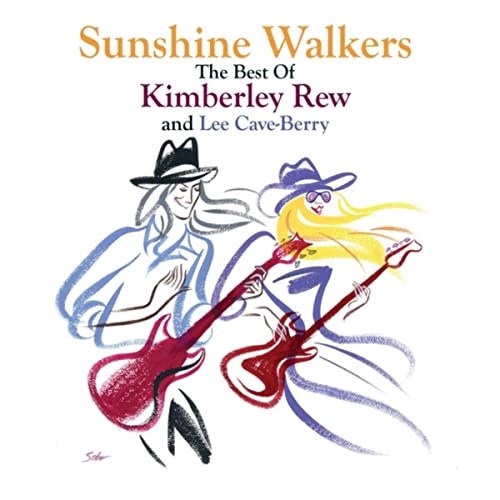
Sunshine Walkers. The Best Of Kimberley Rew & Lee Cave-Berry

61e9fgqph5l._ss500_Mention The Soft Boys and most folk will associate them with Robyn Hitchcock, the idiosyncratic singer/songwriter who has gone on to carve a successful solo career. However, it was The Soft’s guitarist, Kimberley Rew, who initially became, well, not famous, but certainly commercially successful. Joining Katrina & The Waves, Rew penned their top ten chart hit Walking On Sunshine while another of his songs, Going Down To Liverpool also hit the charts when covered by The Bangles. In addition, a bizarre series of events led to Katrina & The Waves winning the Eurovision Song Contest in 1997 with a Rew composition, Shine A Light, a song originally written for The Samaritans!

On a solo note, Rew was out of the traps with a serious contender in The Bible Of Bop, an album recorded variously with his Soft Boys chums and The DBs and which remains somewhat stellar in its power pop power. Consumed by the Waves however, it was not until 2000 that Rew returned to recording under his own name, releasing several low key albums. By now he was accompanied by his wife Lee Cave-Berry (a musician with her own tale to tell including being the proposed bassist for a Bill Haley UK tour -cancelled when he died with Cave-Berry suggesting that the thought of having a female bass player did for him).

Anyhow, Sunshine Walkers, aside from its cheesy title, is a selection of songs that the pair have released over the past 20 years, alongside three from Bible Of Bop. It’s a generous helping, 21 songs spanning 70 minutes and while it leaps around genres somewhat, it’s a grand listen, serving to remind one that Rew is not only a killer guitarist but one of those somewhat unique songwriters who can channel  humour into songs while remaining well away from being a comedy act. Think of Neil Innes and indeed, Robyn Hitchcock.

We were unaware of Rew’s output, aside from Bible Of Bop, and it’s great to hear Hey War Pig, Stomping All Over The World and especially, My Baby Does Her Hairdo Long again. The latter is a stone cold classic. But venturing into the album we were blown away by the likes of Restless Ocean, a Neil Young like guitar epic and then Rew’s psychedelic guitar showpiece, Flower Superpower which has a Temptations’ sly funky groove wired into it. A cover of The Troggs’ I Want You is snotty as fuck with garage band chords thrashed out along with snarling solos.

The album kicks off with a great example of Rew’s off kilter approach as The Dog Song finds him pondering on whether pets have a philosophical or religious bent as the band hammer out a raunchy Stones cum Berry riff. Bloody Old England reminds one of Ray Davies or Steve Marriott’s cockney odes to English tropes while The End Of Our Rainbow is a McCartney like piano fuelled end of the pier romp. There are nuggets like this throughout the album. It makes Me Happy kicks off sounding like Wreckless Eric as Cave-Berry takes the vocals and Rew turns in a tortured solo and Backing Singer Blues has a loose limbed Rockpile swing to it. There’s no space here to mention all songs but it’s nice to note that the pair have the opportunity to celebrate their union on the sweet laid back vibes of Happy Anniversary and to state that the closing song, Simple Pleasures, is one of the finest jangled power pop songs we’ve heard in a long time.

Nicely packaged and with liner notes by Bucketfull Of Brains’ Nigel Cross, Sunshine Walkers is uplifting and, after months of lockdown, a real breath of fresh air.

Website