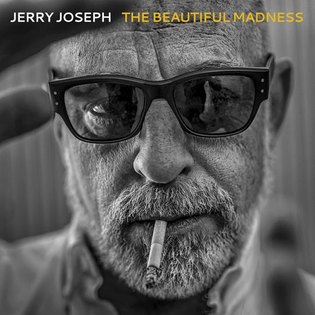
 It’s strange sometimes how the stars align. Jerry Joseph is a jobbing musician with around 30 albums under his belt but he’s hardly a household name. He has his fans and one of them turns out to be Patterson Hood of The Drive By Truckers who produced this album. That’s not all however as Hood enrolled the rest of The Truckers to play on the album (using a nom de plume, The Stiff Boys) while ex Trucker Jason Isbell (another fan, calling Joseph a triple threat – “a great singer, songwriter and performer”) joins in as well. Who knows if it was this star-studded line-up which prompted Joseph’s first official UK album release but we should all be grateful that the album, with all its righteous rage and acute observations, is getting its 15 minutes of fame.
In addition, there’s a serendipity around the album as Joseph rails against many of our current woes. Currently a native of Portland, he’s been in the thick of recent protests but several of the songs here, although recorded before Black Lives Matter exploded, address many of the issues relating to racism in the US. Central to this is his song Dead Confederate, the starkest number on the album which features Joseph along with Isbell on slide guitar. Eerily prescient, Joseph imagines the thoughts and memories of a Confederate statue, still adhering to his white supremacist values and scornful of those who wish to pull him down. It’s a powerful song with vivid imagery but Joseph skilfully undermines the so-called historical importance of such monuments as the statue, while relating antebellum racism, turns out to have been erected by racists in the 20th Century.
Standing tall alongside Dead Confederate is the dense and claustrophobic diatribe of Sugar Smacks. A deadly melange of fuzzed out rock with Death Valley banjo and kaleidoscopic keyboards, it has Joseph in an apocalyptic mood as he raps and rages against a dystopian world. As he rants about injustices around the world, celebrates heroes and cites so many instances, good and bad, that propel him, one would have to have a heart of stone not to be moved by the song’s visceral propulsion. It’s like a contemporary version of Allen Ginsberg’s Howl.
Surrounding these towering achievements, Joseph still aims and hits high. The opening Days Of Heaven, aside from its nod to the Malick movie, finds Joseph writing in the Mexican wilderness, a gun at his side in case any drug gangs get too close. San Acacia is like a Sam Peckinpah movie come to life while Good rises from swamp rock roots and Eureka limps along wonderfully as Joseph recalls the aching country rock of Chris Gaffney. Finally, there’s Joseph’s farewell to David Bowie on the sweet string infused Black Star Line which has echoes of Lou Reed threaded within and which eventually bursts out like a Roman candle with an incendiary guitar solo until an astoundingly well managed closing piano.
Having never heard of Joseph before, The Beautiful Madness is quite astounding. Kudos then to Patterson Hood for backing the man and hopefully this will raise his profile. It might seem daunting, but if this album hits you then there’s a wealth of back catalogue to explore. Mind you, Joseph is eclectic, but do dive in. In the meantime keep your fingers crossed for a purported Euro tour in 2021 and please have a look at this in depth interview on Americana UK where Joseph talks about the album and also the work he does across the globe in war torn regions.
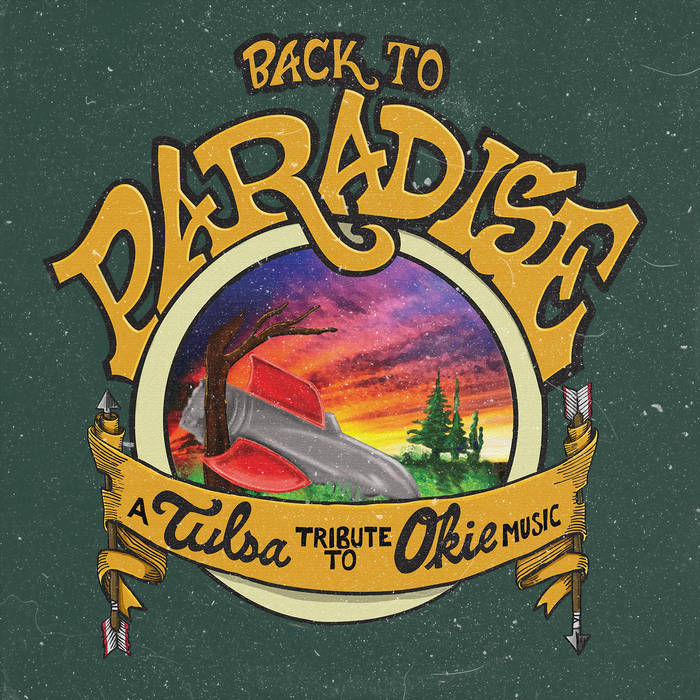 Tulsa isn’t generally mentioned these days as a hive of musical activity although it has a history which still resonates to this day. The Tulsa Sound, back in the seventies, was almost on a par with Muscle Shoals with a similar mix of country, soul and blues going into the cooking pot. There’s a host of names associated with the sound but the best known was the late Leon Russell. Russell, his star in the ascendency then, had the cash to invest locally and he built several recording studios, one of which was Paradise Studios, located in a bucolic country setting. As is the way with things, the studio was mothballed, the last recordings made were in 1978, but a local Tulsan (Rick Huskey) has spent years restoring the place and back in February 20 Oklahoma musicians descended on it to record this tribute to its glory years.
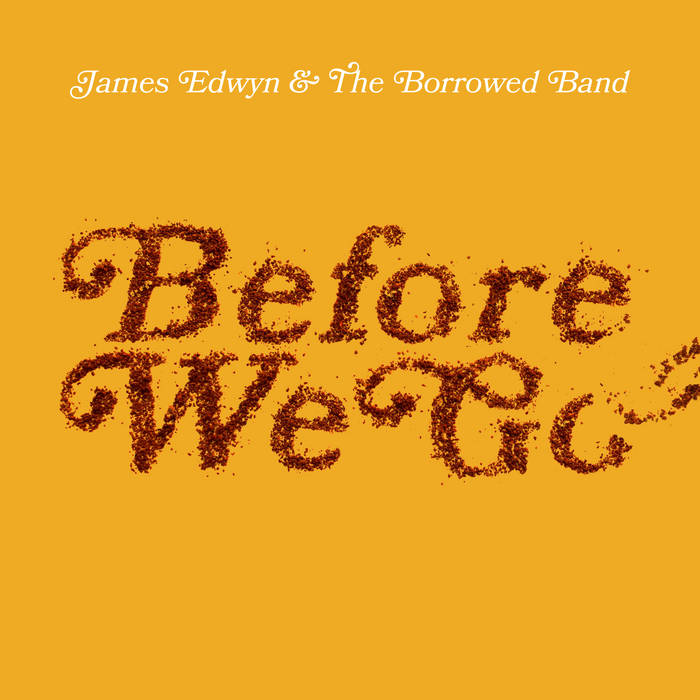 In the latter stages of recording their third album, Glasgow outfit, James Edwyn & The Borrowed Band, were scuppered (like most of us) by the virus which has swept the world. Having released two highly acclaimed records (
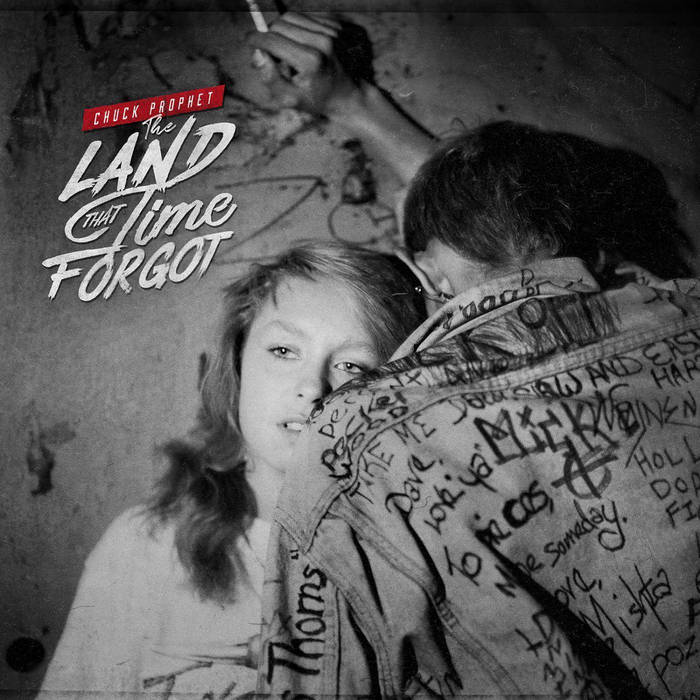 It’s been a long time coming, the release date delayed by that pesky virus which also robbed us here in the UK of experiencing one of the best bands around as Chuck Prophet & The Mission Express’s tour was cancelled, but here at last is The Land That Time Forgot. It’s certainly a more nuanced affair than the rockin’ assault that was
 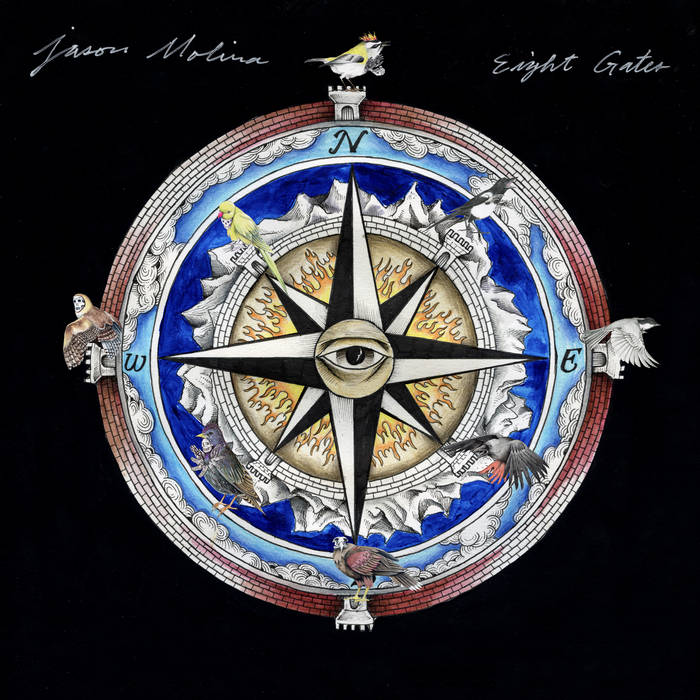 The last recordings Jason Molina made before his untimely passing, Eight Gates is well above this writer’s expectations and, while not on a par with much of the music Molina made with Songs: Ohia and Magnolia Electric Co, the album is a beguiling listen. Recorded in London around 2008, the disc features bare boned solo performances along with some which are more fleshed out (with the assistance of Chris Cacavas and Greg Norman). It’s a short disc, the nine songs clock in at under 30 minutes, but in its desolate beauty, one never feels short changed.
 Having appeared from nowhere to become one of the most in demand performers on the Glasgow music scene in the space of a year, Elaine Lennon’s debut
 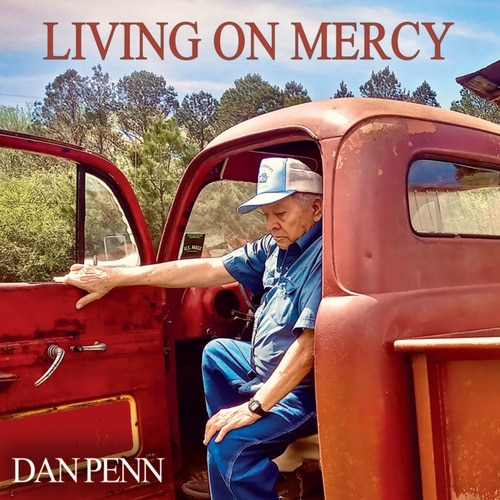 Dan Penn is a legend. There, said it. Songwriter, producer, musician and performer and one of the mainstays of the fabled Muscle Shoals team. Penn wrote numerous songs which were chart hits for the likes of Aretha Franklin back in the sixties and was one of the guiding hands behind Alex Chilton’s first band, The Box Tops. Chances are you have at least one of his classic songs in your collection with the odds on that it’s someone’s version of Dark End Of The Street.
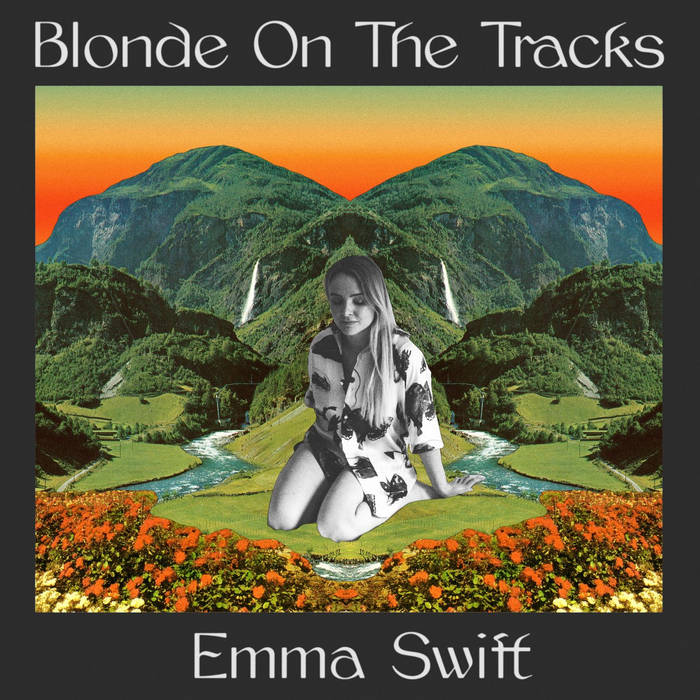 Here at Blabber’nSmoke we were first alerted to the talent that is Emma Swift when she supported Robyn Hitchcock at Glasgow’s Mono cafe bar way back in 2015. This Australian, transplanted to Nashville, knocked us out with her superb voice and excellent songs . Her then current release, a self-titled mini album, (reviewed
 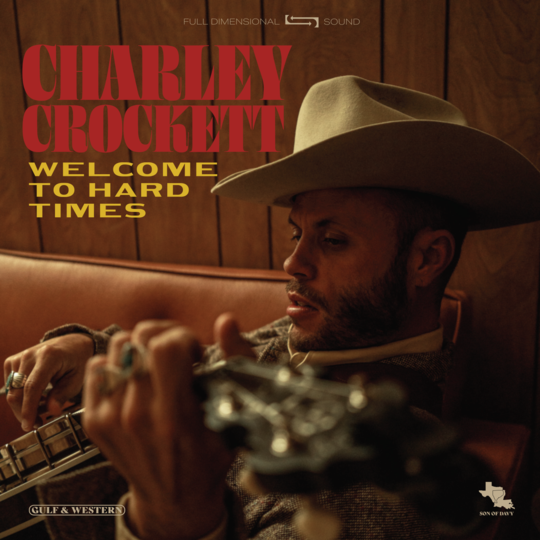 Like a modern day Luke The Drifter, Charley Crockett ambles into sight with the title song of his latest album, an introduction to the disc, sung with a wonderfully resigned air, as the band play a fine nonchalant saloon bar blues. As he sings “Welcome To Hard Times” it’s unsure as to whether he is referring to life’s up and downs or to an actual place, one of those one horse towns which peppered the west with names like Tombstone, Slaughterville or even Hell. It recalls Lee Hazlewood’s debut album, Trouble Is A Lonesome Town in some respects and, like Hazlewood, Crockett peoples his Hard Times with a rum bunch, losers in love, gamblers and ne’er do wells. In addition, the album lopes along with nods to classic country sounds and singers. There are hints of Bakersfield and Countrypolitan while the likes of Marty Robbins and Charlie Rich are lurking in the grooves.
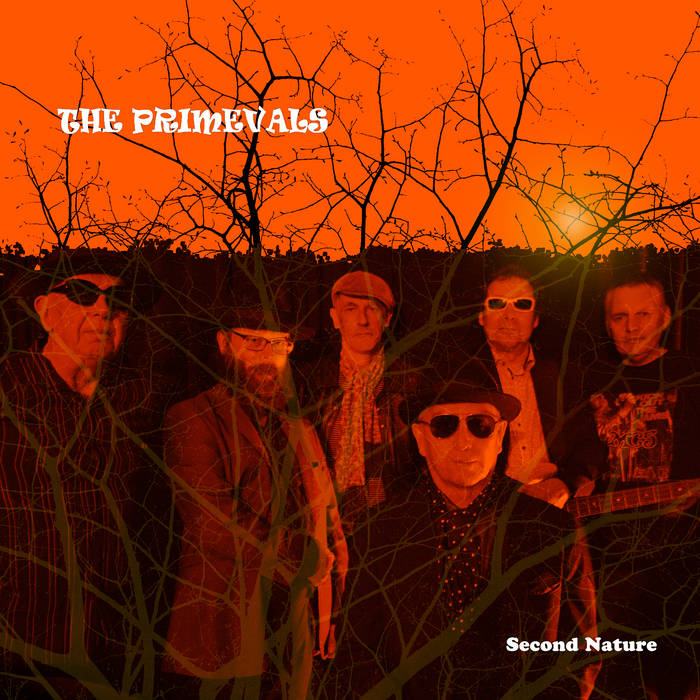 Launched in the midst of a global and deadly pandemic, it’s startling to hear the opening lines of The Primevals’ latest album as Michael Rooney gravely intones, “We die young here” on the opening song of the same name. Launched by spectral organ and twinned evil guitars over a driving beat, the song is a William Burroughs’ like nightmare as played by the electric horsemen of the apocalypse. It’s a compelling introduction to this intense slab of garage band rock which sees Glasgow’s Primevals hunkering down and getting back to basics which, in their case, means a rumble of menacing guitars, hoodoo keyboards and Rooney’s midnight ramblings. As the title hints at, the band are in familiar territory and their slash and burn approach allows for 16 songs in less than an hour.