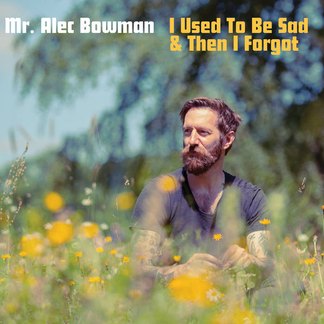
 If you’re the type of person who finds the BBC series, The Detectorists, a soothing balm, or for whom a home counties blend of Leonard Cohen, Momus and Seamus Forgarty might seem attractive, then Mr. Alec Bowman is the man for you. I Used To Be Sad & Then I Forgot is a remarkable album, lyrically bleak with an extraordinary bustle of background activity, delivered in the main by producer Josienne Clarke, which delicately supports Bowman’s simple guitar melodies and world weary voice.
With assistance from Paul Mosley on various keyboards, Clarke’s guitars, harmonium, brass and woodwind and ambient sounds offer the album a wonderfully off kilter bucolic feeling which is emphasised by the soft focus capture of Bowman in a field of flowers on the cover. The album would have been a perfect release for harvest Records back in the seventies, sharing a catalogue with Shirley Collins, Roy Harper and Kevin Ayers but we’re in darker days now and Bowman is perfectly suited for these times.
Despite the comparisons, Bowman really transcends these as he stamps his own personality across the album. We don’t know the genesis of these songs but there are hints that they are drawn from personal experience. The sleeve notes mention that they are for, “Confused and misled people who think that not being alive anymore would be a wonderful present that they could give themselves but were too cowardly to act on it – staying alive is its own kind of bravery.” Death hovers across the album and indeed, the album opens with a reverie of sorts as Bowman floats serenely, musing on catastrophic air crashes, on Physics & Form. Next up, A Ditch Worth Dying For is certainly more grounded with its whiff of miserablism, Cohen meets Brel with spectral percussion on bowed cymbals adding to its angst.
Dark indeed but by now Bowman has the listener hooked and the washes of bleached guitar on Safe Mode, a song for modern times and isolation, along with the delicate pastoral sounds of Leaves, with its beguiling wind arrangements, maintain this lure. Long Goodbyes signs off the first half of the album as Bowman, accompanied by a forlorn electric piano, ponders on the pointless power of words.
There’s a short intermission, an organ rendition of The Old Rugged Cross, before Bowman weighs in again on the bleak Patience which refers to Cohen’s famous line about there always being a crack of light which gets in although here Bowman urges those who can’t see that light to persevere despite their hopelessness. From here on in however the album is more optimistic, a reflection perhaps of Bowman’s journey as he gleefully lists a number of grisly ways to die (including we think, a reference to the sad circumstances of Frightened Rabbit’s Scott Hutchison) on Hand In Hand while Event Horizon Of You, an odd combination of physics and Lewis Carroll’s The Walrus & The Carpenter, is quite sublime. My Kind Of Chaos is another gentle whiff of pastoral whimsy as Bowman finds a kindred soul and the album ends with a song which reflects the message from the liner notes quoted above. Never The End Of The World urges anyone at the end of their tether to hold on and be strong as Bowman sings, “Take a leaf from my story, don’t disappear till it’s time… but don’t take it from me, wait and you’ll see, life is much larger than you.”
I Used To Be Sad & Then I Forgot is a brave album. It’s dark, but then without dark we wouldn’t have any light. And beyond the darkness, the songs, arrangements and performance are quite superb.
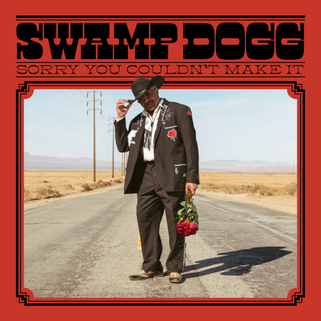 They say you can’t keep a good Swamp Dogg down and that’s certainly the case for 77 year old Jerry Williams, still going strong since he started making music in the late 1950s. Best known for a slew of cult albums in the seventies, recorded mainly in Muscle Shoals with Williams claiming to be influenced by LSD and Frank Zappa, he also claims to have been into country music since his childhood. Indeed, his 1972 release, Cuffed, Collared & Tagged included a tremendous interpretation of John Prine’s Sam Stone.
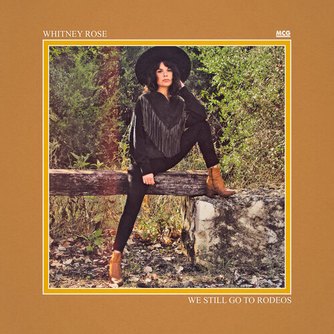 Having blasted onto the scene with two excellent releases back in 2017 (South Texas Suite and Rule 62), accompanied by some terrific live shows on this side of the pond, Whitney Rose returns to the fray with an album which is much more nuanced than either of its forebears. We Still Go To Rodeos roams much further from the tough Austin country and southern soul one might have expected to hear with several of the songs having much more rock edge to them, a possible result of Rose having taken to a quote from Marty Stuart calling Tom Petty and the Heartbreakers the best country band of all time. To this end Rose has gathered some crack players including Gurf Morlix on guitar and Lisa Pankrat on drums and roped in Paul Kolderie (of Uncle Tupelo and The Pixies fame) as producer. Together they have produced an album which, given the right breaks, would certainly widen Rose’s audience while still satisfying her core fans.
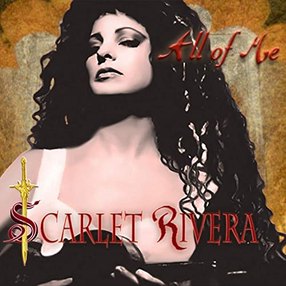 Scarlet Rivera’s 15 minutes of fame was back in 1975 when Bob Dylan spied her on a New York street, clocked her violin case and invited her to his studio. Soon enough she was on the Rolling Thunder tour and her gypsy like violin was an integral part of Desire. Dylan moved on and Rivera continued as a solo artist, releasing a dozen or so albums of new age or Celtic inspired tunes. All Of Me, a six song EP, is her first foray into singing her own songs.
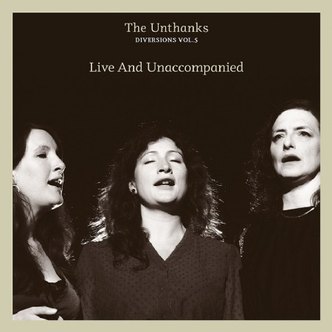 One of the most inventive groups currently working in the UK folk field, The Unthanks are somewhat unique in their ability to conjure up a sound which seems as ancient as the oldest oaks in the land while also being experimental and celebrating the likes of Robert Wyatt’s jazzpoetry. Their catalogue is peppered with diversions as when they decided to record an album of songs written by Nick Drake’s mother but throughout it all, one thing stands out, their glorious singing. This disc showcases those voices, Becky and Rachel Unthank with Niopha Keegan completing the trio. Recorded live over several concerts, the trio sing unaccompanied, conjoined throughout and sounding by turns traditional, spooky and occasionally humorous. The best moments are chilling as myths and legends and old, old folk tales are sung deliciously. Fans of The Wickerman and of those 1970’s kids’ programmes which had eldritch theme songs will be well delighted by what’s on offer here.
 Compared to her peers, Amy LaVere flies seriously under the radar. She has a fierce fan group but unfortunately, that’s not reflected in the mass media despite a critically well-respected back catalogue. To be honest, Painting Blue probably won’t change that but it will delight those in the know while we’d challenge anyone who has an ear for velvety Americana musings not to immediately like this album. The immediate lure is LaVere’s seductive voice, soft and silky, warm and comfortable; she could sing the alphabet and make it sound interesting. Then there’s the music, immaculately played, an eiderdown of gliding guitars and tender percussion with occasional strings and things all adding to a listening experience which is at times dreamlike.
 Who knew that Paris had an underground old time American folk music scene? We certainly didn’t but it was there that this enchanting trio sprang and this, their debut album is certainly a breath of fresh air. The trio, French guitarist Léopoldine Guillaume, German fiddle and banjo player Julia Zech and American/Armenian double bassist Shushan Kerovpyan have been playing together since 2016 after meeting on a houseboat on a Parisian canal. Strangely, they plump for a Spanish title for the album, a Mirador being a Catalan term for a tower, but their pan European heritage is well displayed with several songs sung in French while their string band sound is peppered with elements of chanson and Hot Club like jazz fiddle. This element is finely blended with an astute grasp of American idioms as on the gospel infused Tell me Now.
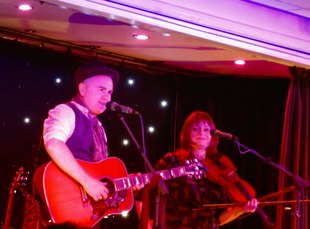 Family featured heavily in the set list. The Man From Leith was of course delivered as was Owens’ song for his mother (with Owens fondly recalling her couthy sayings), a song for his daughter, the rarely performed Baby Fireworks, and his tribute to his late sister on Julie’s Moon. The last was particularly poignant as many in the audience had known Julie and Owens, accompanied by Amy Geddes on fiddle, performed the song bravely. Reaching further back, Owens celebrated his history with a rousing Dora, accompanied by a terribly funny tale of researching the family tree.
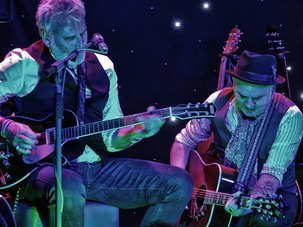 The Southerners, Jim Maving on guitars and Tom Collison on keyboards and bass, looked into the maw of The Dockers and survived. In fact, they seemed to thrive on the whole set up with lots of pictures on social media of them imbibing the cheap drink and embracing the regulars after the show ended. Augmented by Amy Geddes for the night, The Southerners played their hearts out with Maving waxing tremendously on slide guitar and having some great fun when he pulled out his mandolin for their delivery of Buffalo Blood’s Reservations. Added to the mix for this night, Geddes’ fiddle gave an extra dimension to The Southerners’ sound and was a fine vocal foil to Owens on Strangers Again.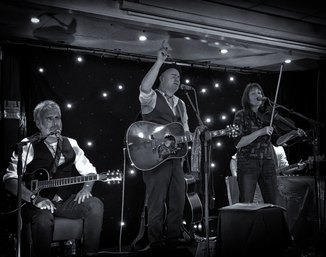
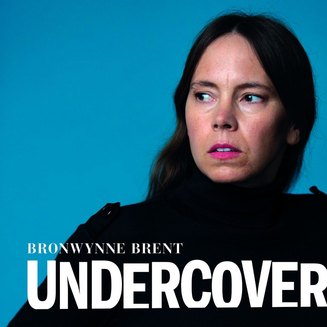 It’s been some time since Bronwynne Brent released
 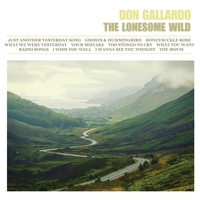 Somewhat out of the blue, Don Gallardo released The Lonesome Wild on Thursday to coincide with his latest UK and European gigs. Currently it’s only available to download via the usual online outlets so if you’re going to any of the upcoming shows in Germany don’t expect to see it at the merch table. Stylistically it kind of sits on a fence between