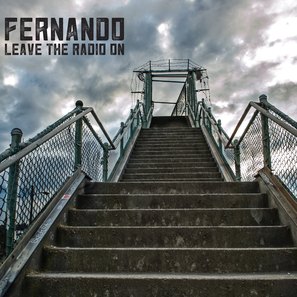
Fear not, this review is ABBA free. This Fernando is Fernando Viciconte, born in Argentina but commencing his musical journey in LA with Monkey Paw, a hard rock band, before moving to Portland, Oregon in 1994. Since then he’s released several solo albums which have variously visited his Latin roots, alt-country and “gauzy, narcotic songs with Latin and country-folk accents”. A health scare a few years back threatened his voice but he has thankfully recovered and recorded Leave The Radio On, the first of his albums (I think) to get a full UK release.
It’s getting so that Portland is the happening place to be in the States (actually, it may have been for some time and we’re just behind the curve here). Anyway, while fans of The Holy Modal Rounders will know of goings on eons ago, for the past decade or so it’s been a magnet for musicians, Peter Buck of REM the latest drawn to live there. We mention this as Fernando has a dream list of Portland musicians on the album. no surprise really when you consider that Willie Vlautin of Richmond Fontaine is on record as saying that Viciconte is “one of my all time favourite singer-songwriters”. Vlautin doesn’t appear here but Daniel Eccles and Freddie Trujillo from RF are both onboard along with Paul Brainard, Scott McCaughey and Mr. Buck himself who variously plays guitar, sitar and mandolin on eight of the 11 songs. In addition there’s another “unsung” Portland musician here in the shape of Lewi Longmire on guitars and keyboards. A long time associate of Fernando, Longmire also has a history with various Rounders and the esteemed Michael Hurley, so, nice to see him in here.
The album itself is a polished affair. Viciconte’s voice is high in the mix, his tremulous vocals recalling at times Bowie and Lennon. There’s little of his dusty Americana background although there’s a fine laid back vibe to the wonderful pedal steel and mandolin whorled Kingdom Come while the spectral White Trees oozes with a mysticism heightened by the simple ritualistic percussion, shadows gathering in the gloomy bass and subdued organ. Instead, we get the dark psychedelic soundscape of The Dogs, surely indebted to The Pretty Things in their lysergic days and the kaleidoscopic guitar tumblings of The Freak, a song that roots into Bowie’s 70’s paranoia (turn this one up loud). Buck’s presence isn’t flag posted throughout the album but it’s tempting to think that the churning guitar charge of Burned Out Love, a fantastic slice of power pop is a nod to him and Minus Five chap McCaughey. Turns out that the guitar here is handled by Fernando’s co-producer Luther Russell but it certainly hits the heights, a glorious addition to the canon of sun kissed guitar pop. Fernando certainly knows his way around a hook, the opening and closing songs here both memorable slices of dark melodic rock with shades of The Dream Syndicate and The Church lurking in there. Finally, there’s the odd seeming combination of Fernando sounding like Bowie on El Interior. Here, glistening guitars lead one into a twilight zone, an infra red desert, the singer stranded, his thoughts clouded by the intrusive Mariachi band. Whether Fernando intended this or not the song is a fine summation of the gin sozzled Thomas Jerome Newton damned in New Mexico. A wonderful song.
Good news is that Fernando is appearing near you soon as he is supporting Richmond Fontaine on their farewell tour. Dates are here.
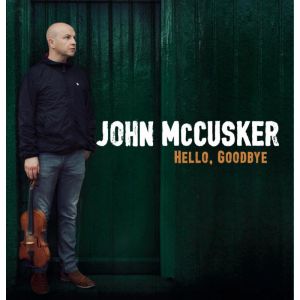
Since he first came to attention as a 17 year old prodigy invited to join The Battlefield Band back in the early nineties John McCusker has become a cornerstone of the UK folk music scene. His fiddle playing has graced many an album while his production and arrangement skills have seen him work with numerous artists and ensembles, one off projects, television and film work. Regularly nominated for (and often winning) all sorts of folk awards he is as often to be found working with rock and pop musicians and regularly tours as part of Mark Knopfler’s band.
Hello, Goodbye is his sixth solo album and it features a fine cast list including James Mackintosh, Ewen Vernal, Ian Carr, Michael McGoldrick, Andy Cutting, Tim O’Brien, Phil Cunningham, Jarleth Henderson and McCusker’s partner Heidi Talbot (heard briefly as the album opens). Coming 13 years after his last solo effort it’s the first to be recorded at his new home studio, a converted bothy next to his Borders home and is a welcome return to the frontline for this folk Renaissance man.
Aside from a (very) brief sung part as the album opens, it’s all instrumental with all of the tunes written by McCusker. Having said that the album is as traditional as the hills, jigs, reels, waltzes and laments all represented, sounding as if McCusker has grasped them from the very air, melodies of the ages, reshaped by each generation. There are modern elements in there, the funky bass line of FooFog for example or the nod to the American duo The Milk Carton Kids on the same titled tune, a fiddle lament with acoustic guitar gracings. Throughout the album McCusker duets with various musicians on more fiddle, mandolin, guitar or flute as the rhythm section skip merrily along defying the listener to sit still. From the titles of the tunes it’s apparent that he’s written these almost as a musical diary, the titles reflecting life events, his own or of friends. It’s A Girl, The Wedding, A Trip To Roma, Molly’s Waltz/Heidi’s Waltz and Tune For Nana probably all resonate strongly with McCusker and his family and friends but there’s no sense here of exclusivity. Instead it’s indicative that, despite his impressive CV, McCusker has kept close to his roots, as happy to write a reel to celebrate a friend’s wedding as he is to share a stage with Bob Dylan. A cert to be on the lists of top folk albums by the end of the year.
The Yardbirds, considered by some to be one of the sixties key UK bands, behind The Beatles and The Stones, slightly behind The Who and The Kinks, maybe keeping up with The Pretty Things and definitely ahead of The Creation and The Action. They had some hit singles but when did you last hear them on a golden oldies radio show? In their lifetime they released three albums proper, a live debut, this album and a final Mickie Most produced last stab at hitdom but when it all boils down Yardbirds is their only fully realised album project. Let’s face it, were it not for the fact that they featured the triumvirate of Clapton, Beck and Page respectively they would be even less well known. However, this (latest, possibly definitive) reissue of their second album offers a chance for the band to remind listeners that, despite a catalogue of woes, management problems and guitarist lurgy that rivals that of Spinal Tap’s drummer problem, The Yardbirds captured the zeitgeist of “swinging London” on the cusp of beatfreak and psychedelia.
Originally a blues band and successors to the Stone’s residency at The Crawdaddy Club they recorded a live album (Five Live Yardbirds) with Eric Clapton on guitar but after hooking up with writer Graham Gouldman (of later 10CC fame) for the hit, For Your Love, Clapton quit, the pop tune allegedly not in line with his blues purist pursuit. His successor, Jeff Beck, had no such qualms, the band scoring with two further singles, Heart Full of Soul and Evil Hearted You. And so in March 1966 the band went into the studios to record their first bona fide studio album. Despite some background noise in the shape of a management change, original manager Giorgio Gomelsky replaced by Simon Napier-Bell, and a simultaneous attempt at solo stardom from singer Keith Relf they emerged with what would be their most fully realised statement.
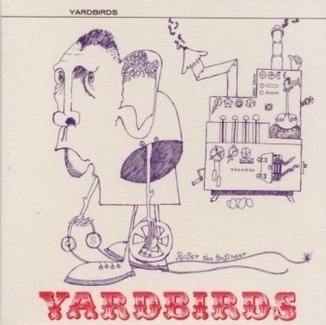
Commonly known as Roger The Engineer after the line drawing (by rhythm guitarist Chris Déjà) of studio engineer Roger Cameron which featured on the cover, Yardbirds (the official title) shows the band in full command of their blues powers (witness the excellently paced Rack My Mind), experimenting with the studio possibilities and delivering some frantic beat pop with a slight whiff of the emerging psychedelic sound. The latter is apparent from the beginning with Lost Woman opening with an Animals’ like bass driven boogie before opening out into a lengthy “freak out”, harmonica and guitar duelling with Beck delving into feedback and frenzied fretwork that rivals that of Townshend. Over, Under, Sideways, Down , released as a single, is a fine slice of sixties guitar pop dominated by Beck’s spiralling guitar riff and He’s Always There had the potential to be a chart topper but it’s let down by a flat production that lacks oomph despite Beck’s bravura soloing at the end. Finally on the freakbeat side there’s the very fine What Do you Want, a song that starts off like The Monkees but is elevated by the frequent interventions from Beck and, again, his soloing at the end of the song. Turn Into Earth retreads some of the territory of their single, Still I’m Sad, the vocals recalling Gregorian chant, a mantra of sorts.
Unable to shake off their blues roots there are several “adaptations” of familiar blues riffs and boogies. Aside from the aforementioned Rack My Mind the band offer a 12 bar boogie on The Nazz Are Blue which thrashes along finely and which surely would have had fans comparing Clapton and Beck when played live. Here Beck passes with flying colours, his long sustained note midway through just brilliant. Jeff’s Boogie is just that, his fingers flying as he runs through some Chuck Berry inspired riffs and just generally shows off.
That’s two thirds of the album and had the band kept up this quality then Yardbirds might be up there with Between The Buttons and The Who Sell Out but they do themselves no favours with I Can’t Make Your Way, a pedestrian song that recalls the likes of Freddie And The Dreamers or Herman’s Hermits despite Beck’s soaring solo break. Likewise the short Farewell, a brave but ultimately failed attempt at social commentary. They’re more successful on the jungle surf weirdness of Hot House Of Omagarashid, a kind of R’n’B Pink Floyd instrumental complete with wobble board. The album proper ends with some more social commentary, this time on the evils of money, on Ever Since The World Began, a song that combines some of the Gregorian chanting that had featured on Still I’m Sad before warping into an almost cabaret like guitar shuffle. More than anything these songs date the album, their shelf lives expired.
It’s tempting to ask what if? What if the band had stuck together and got back into the studio a year later with better equipment and even better songs? There’s a partial answer here with the inclusion of their masterpiece, recorded six months later and with Jimmy Page replacing Paul Samwell Smith in the line up. Happenings Ten Years Time Ago is a major event, the band defining their guitar freakout and burgeoning psychedelic sound. Sadly it was a one off, Beck soon departing, however there was a final opportunity to see/hear the twin guitar line up in the movie Blow Up and happily their rendition of Stroll On (a thinly disguised version of Train Kept A’ Rollin) is also included here. The Yardbirds continued as a four piece, touring America and by all accounts becoming a prototype Led Zeppelin. However, they were delivered into the hands of Mickie Most who produced their final album, filling it with slight pop songs played by session men with the band having little or no say. They slowly disintegrated leaving Page with nothing but the name.
This release (a double CD) contains the album in both its mono and stereo versions along with mono versions of Happenings Ten Years Time Ago, its B-side, Psycho Daisies, and Stroll On. In addition there are alternative stereo mixes of He’s Always There, Turn Into Earth and I Can’t Make Your Way. Finally there are the two singles released by Keith Relf in ’66, manager Napier-Bell apparently seeing him as a potential pop heart throb. Recorded with session men (including Jimmy Page) Mr. Zero, a Bob Lind song, is a period baroque folk pop number which just nudged into the top 50, the B-side , Knowing, written by Relf, continues in a similar vein. Shapes In My Mind, written by Napier- Bell, is somewhat more dramatic with a churchlike organ intro, Napier-Bell seemingly trying to fit Relf into a Manfred Mann/Paul Jones suit. The B-side for this single, Blue Sands, is an inconsequential harmonica led instrumental and apparently is by another band altogether (The Outsiders), indicative of the manager’s cavalier manner.
In all this package won’t effect any seismic shift in The Yardbirds standing in the roll call of sixties bands but it’s a fine and respectful look back at their big shot at posterity.
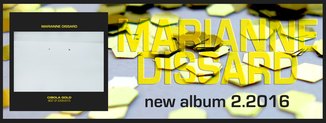
Marianne Dissard is probably best known as a sometime collaborator with several bands from the Tucson scene including Giant Sand and Calexico; most notably, she is the femme fatale on Calexico’s Ballad Of cable Hogue. A noted filmmaker and photographer in addition to being a chanteuse, Dissard recorded three albums in Tucson, the last being The Cat, Not Me along with two albums in what she calls her City Series, Paris One Takes and Cologne Vier Takes. Last year she relocated to Europe and this collection, culled from the above albums, is something of a farewell to her American years.
Blabber’n’Smoke reviewed L’Entredeux and The Cat, Not Me, albums that steered a course between European (and in particular French) pop tradition and American guitar rock. Despite the plethora of Tucson musicians the overall sense was of a continental bent, Serge Gainsbourg being an obvious touchstone, Dissard singing in French (and occasionally German), her voice usually somewhat sultry in the grand manner of the likes of Juliette Greco and Francoise Hardy. Her lyrics (handily translated on her website) sensual, poetic, dark, a mix of Rimbaud and French argot. Above all her words were wrapped in a polyglottal musical language, Mariachi, twang guitars and Chanson all thrown into the pot and this collection is a fine reflection of that.
The 13 songs gathered here are each and every one reason to make the listener search out the albums they are taken from. Dissard roams from the opening accordion jollity of Les Draps Sourds, the Bal Musette setting disguising the lusty goings on in the lyrics, to the nightmarish claustrophobia of Tortue. She almost purrs on the magnificent Pomme, a song that initially recalls Parisian cobbled streets before a grand, almost prog, middle eight weighs in. On the rock side there’s some ferocious guitar squabbles on the driving The One And Only, another fine guitar solo on the thrilling Election and Trop Express oozes sensuality over a funky Hammond organ riff. However Dissard can also come across like a Gallic Nico back in her Chelsea Girl days on the string laden acoustic ballad Cayenne or conjure up a glistening bucolic world on the sublime Les Confetttis. The crowning glory perhaps is the meandering musical map of Un Gros Chat with its spooky bowed saw and splashing cymbals, the lyrics abstractly erotic, Dissard like a whispered siren drawing listeners into her realm.
The album is an excellent entree into the weird and wonderful world of Ms. Dissard, a dizzying potpourri of sensual frissons seasoned with some wonderful music. The package itself is worth delving into. Packed full of pictures , tributes, poems and snippets of correspondence from the Tucson days it gives a measure of Dissard’s time there. In addition, with the deluxe package, Ms. Dissard has liberally garlanded each CD with golden confetti, some of which is still cluttering up the keyboard here.
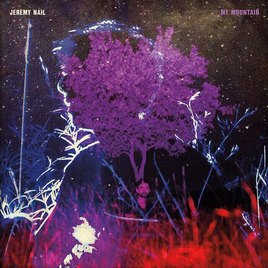
The thing about mountains is that, essentially, they’re an obstacle. Something to get around or over, to put behind you. This might entail some endeavour, some work, some guts before it’s finally behind you allowing you to get on with your journey. So it was with Texan Jeremy Nail, a jobbing Austin musician with one album under his belt and an occasional gig playing guitar with Alejandro Escovedo. His mountain was a cancer, a sarcoma that led to a leg amputation in 2013, enough to derail anyone. However, My Mountain, an album that alludes to his struggle on several songs, is evidence that that Nail, in the words of the Dude, abides.
Of course, numerous musicians have overcome tragedy and moved on; Nail the latest in a long line including Robert Wyatt, Chet Baker and Rick Allen. He’s assisted here by another musician whose livelihood and indeed life was threatened by illness a few years back, his old chum Alejandro Escovedo who produced the album and co-wrote one of the songs. And while Nail doesn’t sound like Escovedo, the album is not dissimilar to some of the latter’s solo albums, some warm Texan guitar licks mixed with bitter sweet string laden laments the order of the day. Escovedo’s production is masterful, creating an ambience that recalls the work of Daniel Lanois.
The album opens with the gutsy title song, ponderous bass and drums and jagged acoustic guitar leading into sweet female harmonies and sinewy slide guitar, a wonderful slice of swampy rock. Here Nail alludes to his illness singing, “Gonna climb my mountain, it’s about time, just sit back and watch me walk this crooked line”. The following song, Down To The Ocean, the co-write, has Escovedo’s fingerprints all over it recalling melodies from his album Thirteen Years especially on the opening however Nail takes the lead here, his voice earnest and warm as he confronts his demons waving goodbye to his failures “to come back new again”. It’s a sublime song, evocative of the womb if such a thing is possible, the bass a heartbeat, burbling guitars and coiled slide cosseting it. Similarly Survive mentions a new beginning and again it’s bathed in a warm ambience, this time recalling Daniel Lanois’ work with Emmylou Harris and Neil Young, an acoustic scaffold supporting fragile voice and atmospheric guitar with gliding female harmonies. Nail revisits this sonic territory on the wonderful Only Love while the Lanois effect is most apparent on the epic New Frontier.
There are echoes also of fellow Texan Buddy Holly on the upbeat Dreams and on Heroes (not the Bowie song), here especially in the guitar lines but it’s back to that ambient guitar swaddle on the plaintive Calling All Cars, a shuffling rhythm section bowing to fine arcs of molten guitar lines. Nail closes the album with the relatively simple Tell Me What Else You Got, a challenge to fate that’s embroidered with some sweet violin playing from Eleanor Whitmore and a final guitar flourish from Chris Masterson. Mention of these two should be accompanied by an acknowledgement of the stalwart efforts from Bobby Danielon upright bass, Chris Searles on drums and Dana Falconberry and Jazz Mills on harmonies.
Aside from his own story and his mountain to climb, My Mountain is a sublime listen. A late night wallow in warm guitars and intoxicating rhythms bathed in pathos.
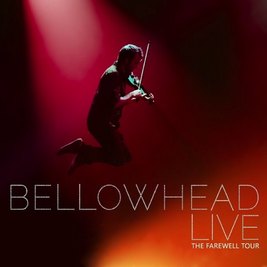
So it’s farewell then to the folk rock behemoth that was Bellowhead, the big band who folked up rock or rocked up folk depending on where you stand. While they avoided using guitar bass and drums, preferring to rely instead on a football team sized presence and hefty wind and fiddle sections, their rollicking folky tales elevated them to the premier league. Firm festival favourites, dominating the BBC Radio Two Folk Awards and shifting discs by the lorry load over a 12-year period. Last year they decided to call it a day.
When Jon Boden, erstwhile leader and front man decided last year that he was standing down the band agreed that they would not carry on. However it’s been a protracted farewell with the band announcing a final tour, that, with a break, began in November and is only now ending with some dates leaking into May. That tour is all but sold out but the band leave behind this triple disc souvenir of the first leg of the tour. Two CDs recorded on November dates and a DVD containing the entire performance from Leicester’s De Montford Hall again from November.
The CDs contain 29 songs and tunes that will surprise no one familiar with the band’s output pulled from the course of their recording career. There’s the stirring shanty Haul Away, the rousing Whiskey Is The Life Of Man along with the Stax like horn opening to Let Her Run. It’s not all crowd-pleasing jigs and reels and sing alongs however with reminders that the band can be inventive with the genre shifting Old Dun Cow while a ballad like Captain Wedderburn is delivered without any fancy flourishes. Moon Kittens continues to sound like their attempt at a James Bond theme.
The CDs, compiled from various venues might approximate one of the varied set lists the band played on the tour but the second disc closes with the three songs that the band generally close shows with. The crowd favourite London Town appears of course with the crowd singing along before New York Girls and Frog Leg’s & Dragon’s Teeth introduce the band members to the audience.
The DVD is an up-close front row seat of the entire show ending with a rendition of Richard Thompson’s Down Where The Drunkard Rolls. Again, it works well as a souvenir or reminder for fans who can relive their concert memories.
Here at Blabber’n’Smoke we prefer not to be bludgeoned by folk music and over the course of this package there’s precious little delicacy. However there’s a lot of folk out there who will lap this up.
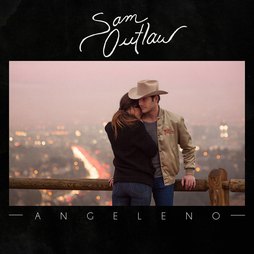
It’s worse than buses. You wait ages for a Young Turk who’s going to set Country Music to rights and then a host of them turn up. Today’s ride is courtesy of the fabulously named Sam Outlaw (and, yes, it is his name, or at least his late mother’s maiden name) and while he’s not Outlaw Country he fits in well with his peers who are kicking the current trend of Bro Country into the ditch.
As the title promises, Outlaw mines a Southern California lode that leads from Merle Haggard (RIP) to Dwight Yoakam and Dave Alvin with a slight detour into seventies country rock as parleyed by Linda Ronstadt and the Eagles; ‘SoCal Country, he calls it. He hit pay dirt at some point as the album is produced by the legendary Ry Cooder (along with his son Joachim who drums in Outlaw’s band). Whether it’s Cooder’s influence or not there’s a pleasing mariachi touch to a couple of the songs but in the main Outlaw delivers a very solid set that should be riding the radio waves.
From the gorgeous Mexican sweep of the opening song Who Do You think You Are to the closing rockabilly of Hole In My Heart Outlaw hits all the buttons. He’s sweetly melodic on Love Her For A While with its curling pedal steel, a honky tonk romancer on It Might Kill Me and downright forlorn on the delicate seventies styled Old Fashioned. Throughout his voice is relaxed and warm, the band supple and supportive, the playing superb with Cooder’s guitar contributions a highlight.
There are 12 songs here and they are all deserving of attention as Outlaw effortlessly traverses the landscape. Keep It Interesting is country rock of the highest order, the title song is a sublime string laden Chicano love song, guitars rippling and horns parping with style. Country Love Song is introspective, the guitar sound here excellent, as Outlaw yearns for a lost love and Ghost Town adds a darker hue with its organ suffused drive. Diving into his roots Outlaw offers the honky tonk stonker that is I’m Not Jealous and tops this with his excellent addition to the canon of grand country song titles on Jesus Take The Wheel (And Drive Me To The Bar), a song that sounds just like its title and sure to be a favourite at gigs. Finally, Outlaw stakes a claim as an outstanding songwriter on the moving suppliant prayer of Keep A Close Eye On Me, his words, his voice and the empathetic (and gorgeous) playing catapulting the song into a should be standard.
Angeleno is a great album and highly recommended. It was released here back in January but if it whets your whistle then the good news is that the man is playing Glasgow next week on the 14th April at The Fallen Angels Club at The Admiral Bar.
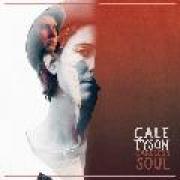
Cale Tyson hit the boards running with his mini albums, Cheater’s Wine and High On Lonesome two years ago. They catapulted him into the forefront of the young pretenders, a disparate group of young country artists who hark back to the glory days of country while infusing it with a new energy. Tyson had the lonesome blues of Hank Williams down to a tee while his energy and enthusiasm was as infectious as Gram Parsons’ had been. Careless Soul is his first full length album and, while it builds on the music contained on the two previous discs, it’s a significant step forward for his exploration of Country music, expanding the vista and boldly moving out of what many would have thought would be his comfort zone.
While the album has its fair share of heartbreakers, still stained by the ghost of Williams, Tyson adds his version of Tin Pan Alley country, all zipping strings and brash melodies, and, as the title alludes to, he incorporates some country soul into the songs with a horn section and electric piano prominent on several of the numbers. His decision to record the album at the famed Muscle Shoals studios offers a chicken or egg situation here. Did he go there to sound soulful or did the ghosts in the studio machine haunt him? Who knows? What we do know is that the album is a magnificent effort which is tied together by Tyson’s flowing vocals, heart worn and warm, and his words which plough a familiar field but throw up new earth.
The album opens with the arrogant strut of Staying Kind, peppered with brash horns and tinkling keyboards, Tyson as laconic as Sal Valentino in his delivery. One could imagine this would be a killer as a guest slot on the Bobbie Gentry TV show back in the sixties, psychedelic camera work zooming in on the short and taut guitar solo. This golden era when showbiz recognised quality music is revisited on the pizzicato strings and guitar which decorate the pop croon of the title track. Popcorn and candy Elvis with a hint of the exotic Acapulco on the Spanish guitar dominate here, Tyson carries off the pastiche with some brio. Pain In My heart equally draws on an old template, almost doo-wop in its delivery, teardrops from the guitar solo, one can imagine teen-age girls swooning to this back in the days, Tyson brylcreamed up and winking at the camera.
The soul side sweeps in with a vengeance on the horn infused Somebody Save Me, a wonderful concoction of churchlike organ, female backing choir and sinuous pedal steel, Tyson testifying wonderfully as he seeks salvation from his murderous urges with a fervour similar to Solomon Burke. Similarly Dark Dark marries pedal steel and organ on a doleful journey into the heart of darkness, his voice echoed by the female chorus on a real teardropper.
It’s not all doom and gloom and croon here however. Tyson kicks ass on several of the songs. Railroad Blues is a souped up belter, the steel guitar rolling on the tracks over a helter skelter rhythm section. High Lonesome Hill is a vivid reimagining of Hank Williams’ ramblings given a noirish makeover, a low moaning slink with an intense feel, a kaleidoscopic giddiness in its rhythm as Tyson just stops short from a yodel as guitars flail and wail. Best of all however is the tremendous Easy which is a somewhat lecherous odyssey of a musician’s opportunities. Here Tyson manages to inhabit the cosmic cowboy persona of Gram Parsons, awed by the lights of Las Vegas and the glam therein while the band are spot on here sounding so much like Gram’s band and Emmylou Harris’ Hot Band, the guitar whizzing like James Burton, the rest as tight as the proverbial duck.
It’s maybe not the album we expected from Mr. Tyson but it’s a bold adventure and after several listenings we conclude that it’s actually quite brilliant. It’s out this Friday on Clubhouse Records and Tyson is touring the UK this month, dates here
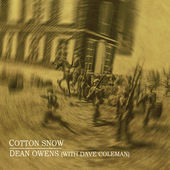
With the best reviews of his career so far tucked in his pocket (for his acclaimed 2015 album Into The Sea), Dean Owens saw out last year on a roll and entered the new Year with a bang, supporting Patty Griffin at Celtic Connections. When Blabber’n’Smoke interviewed Owens for AmericanaUK he spoke of his plans for 2016 including a proposed project that reunites him with Neilson Hubbard and Joshua Britt, two thirds of the crew behind the magisterial American Civil War album, The Orphan Brigade (which we reviewed here ). That album was inspired by the history infused into an old plantation building in Franklin, Tennessee and it’s to the Civil War and Franklin that Owens pays attention on this single release which will be available from April 15th.
On a visit last year to the site of the battle of Franklin, one of the bloodiest of the war, Owens was taken by an image mentioned by a participant, Captain Tod Carter. The artillery laying waste to the cotton gins and cotton fields scattered the plant which fell like snow on the soldiers, Cotton Snow. The following day Owens was in Dave Coleman’s (of Nashville band The Coal Men) home studio in Nashville, tinkering around with this idea when Coleman suggesting recording a take on it. Couple of hours later there’s a rough mix, Coleman a one band on drums, tape loops, bass, guitars and pedal steel, Owens with the words down pat. Some transatlantic polishing later and here’s the end result.
It’s a great song and a great recording. Cotton Snow plays to Owens’ ability to invest a song with drama and emotion, to paint a picture with his words. The place names resonate, Chattanooga and Shiloh, previous battles for the progenitor who sees the soldiers, whether clad in grey or blue, inside all the same colour. The surreal image of the cotton snow is amplified by the musical setting, Coleman stirring a twang filled guitar soup that recalls the mystical Americana of Lee Hazlewood. And while Owens doesn’t have the gruff gravitas of Hazlewood here he sings wonderfully, close miked, a slight drawl and a fine giddy up exclamation escaping his lips just before the first guitar solo. It’s a class act.
Anyway, you can listen to the song below and pre-order it here.
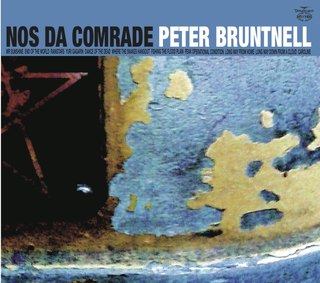
Ten albums in and Peter Bruntnell remains something of a buried treasure, or, according to this excellent article in The Guardian, a “cult hero”. To paraphrase Jane Austen it’s a truth universally acknowledged that Bruntnell’s 1999 album, Normal For Bridgewater is a high water mark for UK Americana music and on Nos Da Comrade, 16 years later, he’s still on fire, delivering punchy power pop and sun dappled songs that invigorate the listener.
The album title pays homage to his Welsh roots (Nos Da Comrade Welsh for Good Night Comrade) and he opens the album with a nod to the plight of fellow Celts as he tears into Donald Trump’s attempts to bully Scots fishermen on the misleadingly upbeat Mr. Sunshine. The infectious and sunny melody camouflages the lyrical attack on the avaricious pseudo politician although there is some anger unleashed on the short blistering guitar solo (and do check out the video for this one!).
Recorded at Bruntnell’s home with a basic trio set up; Bruntnell on guitars and vocals, Peter Noone, bass and Mick Clews, drums (and some later overdubs from James Walbourne and Dave Little adding more guitar along with Peter Linane’s string machine and pump organ ) the album offers several more sumptuous guitar jangled melodies throughout. Rain Stars opens with a Big Star like guitar flourish and a propulsive drum beat before an acoustic guitar starts to bristle beneath the electric strum. String machine and harmony vocals add a slight portentous air to the middle eight, appropriate perhaps as Bruntnell describes this song as “an unlucky man feels picked-on by the universe, toyed with by mad gods like a character from some Greek myth.” The song dips and soars wonderfully, the guitars bright and transcendent. Fishing The Flood Plain is another melodious spangled song which culminates in a tremendous chime of guitars while Plain Peak Operational Condition pumps into action like a new wave killer, all Lowe and Costello, bristling with angst and impatience. Towards the end of the album there’s another fine wallow in jangled guitars on the sublime Long Way Down From A Cloud.
It’s not all sunshine however. Dance Of The Dead opens with a plaintive Bruntnell singing over a slight guitar backing before a delicate piano led melody arises that eventually blooms into a funereal waltz macabre. Where The Snakes Hang Out is a dead eyed observation of shadowy goings on, the guitars much grimmer here. And speaking of guitars there’s the magnum opus of the album, the eight plus minutes of Yuri Gargarin, a song that imagines the mind of a child wishing to emulate the first man in space. Here Bruntnell’s voice is subservient to the liquid guitar meanderings, the band ponderous, an insistent slow beat initially until halfway through the guitar becomes more urgent, flailing around over electric keyboard. It’s a song bound to excite comparisons with Neil Young and Crazy Horse which is, of course, no bad thing.
The album’s rounded out with some winsome, delicate songs. End Of The World is a tip toed acoustic guitar braced exploration of solipsism and is graced by some fine slide guitar towards the end. Caroline, which closes the album, is tender in the extreme as Bruntnell inhales and exhales the essence of English love songs. Like Paul Weller’s English Rose it encapsulates love, longing and regret in a simple although beautiful melody.